
农业面源污染防治

Search documents
“跨界校长”黄艳:守护南水北调中线水源“生命线”
Xin Lang Cai Jing· 2026-02-22 04:34
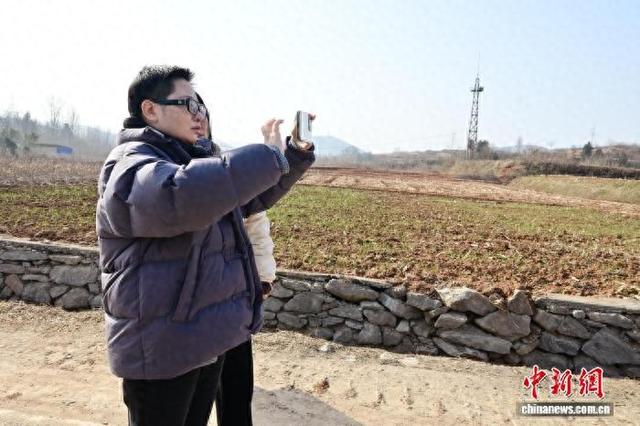
Core Viewpoint - The article highlights the efforts of Huang Yan, a national representative and vice chair of the Hubei Provincial Committee of the Democratic League, in addressing agricultural non-point source pollution in the Danjiangkou Reservoir area, which is crucial for the South-to-North Water Diversion Project that benefits millions of people [1][3]. Group 1: Agricultural Non-Point Source Pollution Prevention - Huang Yan led a team to investigate agricultural non-point source pollution prevention in the Danjiangkou Reservoir area, emphasizing the need for a comprehensive approach that integrates traditional agricultural wisdom with digital technology [3][5]. - A national key research and development project led by Huang Yan, focusing on intelligent monitoring and control technology for agricultural non-point source pollution, was approved for implementation, aiming to establish a systematic solution for water source protection [3][5]. Group 2: Collaboration and Community Engagement - Huang Yan engaged with local agricultural and water resources departments to discuss monitoring and experimental work, ensuring that agricultural practices do not compromise water quality [3][5]. - She plans to submit proposals to strengthen comprehensive governance of agricultural non-point source pollution in the Danjiangkou Reservoir area during the upcoming national two sessions, reflecting her commitment to community engagement and technical support [5]. Group 3: Educational Initiatives and Technological Integration - As the president of the Three Gorges University, Huang Yan has initiated programs in artificial intelligence education and established the Three Gorges Smart Research Institute, promoting the integration of education and technology in water resource management [5]. - The development of a digital twin water management platform is part of her efforts to enhance data-driven decision-making in water resource protection [5].

五原县模式入选全国典型案例
Xin Lang Cai Jing· 2026-01-23 19:56
Core Viewpoint - The agricultural pollution prevention model from Wuyuan County has been recognized as a typical case by the Ministry of Agriculture and Rural Affairs, highlighting its significance in addressing agricultural non-point source pollution in Inner Mongolia [1][2]. Group 1: Recognition and Impact - Wuyuan County's "monitoring diagnosis - ecological interception - industrial transformation" model for agricultural non-point source pollution management is the only selected case from Inner Mongolia [1]. - The selection of Wuyuan County's model serves as a validation of Inner Mongolia's efforts in agricultural pollution prevention and provides a replicable and promotable practice for similar irrigation areas nationwide [2]. Group 2: Future Initiatives - The Inner Mongolia Agricultural and Animal Husbandry Department plans to leverage this recognition to enhance the summarization and promotion of typical agricultural pollution prevention cases [2]. - There will be organized activities for multi-level exchanges and learning to promote applicable technology models, efficient operational mechanisms, and innovative measures across the region [2]. - The focus will be on strengthening technological support for agricultural pollution prevention, targeting key areas and critical links to accelerate the green transformation of agricultural development [2].
年终话“三农”丨宜居又宜业 乡村绘新卷——2025年美丽乡村建设一线观察
Xin Lang Cai Jing· 2025-12-26 16:59
Core Viewpoint - The article emphasizes the importance of building livable and workable beautiful rural areas, reflecting the aspirations of millions of farmers for a better life and environment [1] Group 1: Agricultural Development - The central government has prioritized the improvement of rural living environments and ecological governance in agriculture, leading to significant enhancements in rural ecological conditions and the promotion of beautiful countryside construction [1] - The implementation of smart farming technologies, such as soil sensors and AI monitoring systems, has increased land utilization rates from below 90% to 95% and reduced water and fertilizer usage by 15% to 25% [1] - The current fertilizer utilization rate stands at 42.6%, while the comprehensive utilization rate of livestock and poultry manure has reached 80.1% [1] Group 2: Environmental Improvement - The national rural sewage treatment rate has exceeded 51%, doubling since the end of the 13th Five-Year Plan, with over 98% of major rural black and odorous water bodies being treated [1] - The implementation of the "toilet revolution" has significantly improved sanitation and living conditions in rural areas, enhancing the overall quality of life for residents [1] Group 3: Economic Development - The article highlights the emergence of rural tourism and the development of cultural homestays as a means to boost local economies, with some villages seeing tourism revenue account for over 60% of per capita income [1] - The integration of agriculture with culture, tourism, and other industries is being actively promoted to create new economic opportunities in rural areas [1]
以更高标准、更实举措、更好成效持续深入打好净土保卫战
Zhong Yang Ji Wei Guo Jia Jian Wei Wang Zhan· 2025-12-26 12:56
Core Insights - The "14th Five-Year Plan" has led to significant achievements in soil and groundwater environmental quality in China, with improvements in rural living conditions and effective management of agricultural non-point source pollution [2][3] - The Ministry of Ecology and Environment has implemented the "Soil Pollution Source Prevention and Control Action Plan," which emphasizes source prevention, emission reduction, and pollution management [2] - The focus on agricultural non-point source pollution is crucial for environmental protection, farmer income, and high-quality agricultural development, with ongoing efforts to address prominent issues and enhance monitoring and assessment systems [3] Group 1 - The overall soil and groundwater environmental quality in China has remained stable, with improvements in certain regions and significant progress in rural environmental remediation [2] - Over 110,000 administrative villages have undergone environmental remediation, effectively eliminating 5,042 large areas of rural black and odorous water bodies [2] - The Action Plan promotes collaborative efforts among various departments to optimize industrial layout and reduce emissions from key industries such as steel, cement, and coal-fired power generation [2] Group 2 - The Ministry of Ecology and Environment and the Ministry of Agriculture and Rural Affairs are actively addressing agricultural non-point source pollution through source control, problem identification, and effectiveness evaluation [3] - Initiatives include promoting scientific use of agricultural inputs, resource recycling of waste, and green pest control methods to enhance agricultural green development [3] - The "15th Five-Year Plan" emphasizes the importance of pollution prevention and ecosystem optimization, with a commitment to higher standards and better outcomes in environmental governance [3]
绿色增产,量质齐升
Qi Lu Wan Bao· 2025-11-14 09:49
Core Viewpoint - Yantai City has achieved significant advancements in agricultural green development, with a comprehensive mechanization rate of 93%, a scientific fertilization technology coverage rate exceeding 90%, and a straw comprehensive utilization rate of 96%, showcasing a model for high-quality agricultural development [1] Group 1: Agricultural Production - Yantai focuses on three core elements: "seed, field, and machinery," driving agricultural production towards a model that prioritizes green development while ensuring high yields [2] - The city has established 52 research platforms, including a national-level corn engineering technology research center, to support the development of crop and livestock seed industries, contributing to green innovation [2] - The self-bred "Yannong 1212" wheat has set a national record for drought-resistant high-yield wheat, promoting efficient agricultural development [2] - High-standard farmland construction has reached 4.497 million acres, increasing average yields by over 15% and breaking the traditional model of resource consumption for production [3] - The comprehensive mechanization rate for crop planting and harvesting has reached 93%, with an average grain saving of over 10 kg per acre, enhancing efficiency and reducing resource waste [3] Group 2: Agricultural Input - Yantai is transitioning agricultural inputs from "extensive consumption" to "precise efficiency," addressing issues like water waste and excessive use of fertilizers and pesticides [4] - The city has implemented water-saving irrigation techniques, achieving a comprehensive water-saving rate of 30%-40% compared to traditional methods, and increasing crop yields by 8%-10% [4] - The coverage rate of scientific fertilization technology has reached over 90%, with 167,000 acres newly integrated into water-fertilizer systems [4] Group 3: Agricultural Waste Management - Yantai aims to transform agricultural waste from an "environmental burden" into a "resource treasure" through a comprehensive recycling system [7] - The city has established a waste film recycling system with a recovery rate of 94.29%, significantly reducing white pollution [7][8] - The comprehensive utilization rate of straw has reached 96.08%, with 103 market entities established for straw utilization, leading to an annual market utilization of 380,000 tons [8] - Over 400,000 tons of livestock manure have been utilized, with 139,000 tons processed into organic fertilizer, supporting a circular economy in agriculture [8]
生态环境法典两编草案五大看点
Xin Hua Wang· 2025-10-31 02:02
Core Points - The legislative process of the Ecological Environment Code in China has advanced, with the second draft of the Pollution Prevention and Control section and the Legal Responsibilities and Supplementary Provisions section submitted for review by the National People's Congress Standing Committee on October 24 [1] Group 1: Air Pollution Prevention - The second draft of the Pollution Prevention and Control section focuses on addressing weaknesses in air pollution prevention, enhancing standards for volatile organic compounds, and strengthening regulations on emissions from heavy-duty trucks and ships [1][2] - The draft expands the definition of "organic solvents" to include "raw and auxiliary materials and products containing volatile organic compounds," thereby broadening the scope of regulation [2] Group 2: Water Pollution Prevention - The draft further details regulations on water pollution prevention, including provisions for groundwater condition surveys and stricter standards for wastewater discharge from inland vessels [3] - It emphasizes the need for clear responsibilities among government levels, regulatory bodies, and enterprises, enhancing technical support and standards for effective water pollution control [3] Group 3: Agricultural Non-Point Source Pollution - The draft strengthens regulations on agricultural non-point source pollution, addressing issues related to financial support, management of agricultural inputs, and disposal of agricultural waste [4][5] Group 4: Principle of Proportionality in Penalties - The draft implements the principle of proportionality in penalties, optimizing fine regulations to avoid excessive penalties for minor infractions and vice versa [6][7] Group 5: Combating Fraudulent Practices - The draft imposes strict penalties for fraudulent practices in environmental monitoring, including falsifying data and reports, to ensure data integrity and enhance public trust [8]
审议重点课题调研报告 胡文容主持市政协主席会议
Jie Fang Ri Bao· 2025-10-28 01:41
Group 1 - The Shanghai Municipal Political Consultative Conference reviewed key research reports on various topics, including water safety and tourism development [1][2] - A report on "Promoting Cross-Border Water Environment Co-Governance in the Yangtze River Delta to Ensure Shanghai's Drinking Water Safety" was discussed, highlighting the need for actionable measures to improve water sources [1] - The report on "Deepening the Integration of Culture, Tourism, and Business Exhibitions to Promote the Development of a World-Famous Tourist City" emphasized the importance of top-level design and global promotion strategies [1] Group 2 - The conference also reviewed a report on "Promoting Agricultural Non-Point Source Pollution Prevention," which included field investigations and suggestions for enhanced departmental collaboration and technological empowerment [2] - A special work plan for analyzing Shanghai's economic operation in 2025 and suggesting development strategies for 2026 was also discussed [3]
新华视点丨生态环境法典2编草案五大看点
Xin Hua Wang· 2025-10-25 06:08
Core Viewpoint - The legislative process of the Ecological Environment Code has advanced, with the second draft of the pollution prevention section and legal responsibilities being submitted for review by the National People's Congress Standing Committee, addressing key social concerns and enhancing environmental protection measures [1]. Group 1: Air Pollution Prevention - The draft emphasizes addressing shortcomings in air pollution prevention, including stricter standards for volatile organic compounds and enhanced regulation of emissions from heavy-duty trucks and ships [2][3]. - The draft expands the definition of "organic solvents" to include "raw and auxiliary materials and products containing volatile organic compounds," thereby broadening the scope of regulation [3]. - It also strengthens the oversight of emissions from mobile sources, such as vehicles and ships, reflecting the changing landscape of air pollution sources [4]. Group 2: Water Pollution Prevention - The draft includes more detailed regulations for water pollution prevention, such as conducting assessments of groundwater conditions and enhancing pollution control for ships entering inland rivers [5][6]. - It establishes management requirements for groundwater pollution prevention and sets higher standards for wastewater discharge from inland vessels [6]. Group 3: Agricultural Non-Point Source Pollution - The draft strengthens regulations on agricultural non-point source pollution, focusing on financial support, management of agricultural inputs, and disposal of agricultural waste [7][8]. - This reflects a shift in focus from point source pollution, which has seen significant improvements, to addressing the rising share of non-point source pollution in overall pollution levels [8]. Group 4: Principle of Proportionality in Penalties - The draft reinforces the principle of proportionality in penalties, optimizing fine regulations to avoid excessive penalties for minor infractions and insufficient penalties for serious violations [9][10]. - This adjustment aims to provide a more balanced approach to environmental enforcement, addressing concerns raised during the initial review of the Ecological Environment Code [10][11]. Group 5: Combating Fraudulent Practices - The draft imposes strict penalties for fraudulent practices in vehicle and ship emissions testing, as well as for falsifying monitoring data [12][13]. - It emphasizes the importance of accurate environmental monitoring data to ensure effective policy implementation and risk management [13].
生态环境法典2编草案五大看点
Xin Hua Wang· 2025-10-24 22:20
Core Viewpoint - The legislative process of the Ecological Environment Code has advanced, with the second draft of the pollution prevention section and legal responsibilities being submitted for review, reflecting a systematic response to current environmental challenges and public concerns [1]. Group 1: Air Pollution Prevention - The draft emphasizes addressing shortcomings in air pollution prevention, including enhancing standards for volatile organic compounds and regulating emissions from heavy-duty trucks and ships [2][3]. - The draft expands the definition of "organic solvents" to include "raw and auxiliary materials and products containing volatile organic compounds," thereby broadening the scope of regulation [2]. - It aims to improve regulatory effectiveness for mobile sources of air pollution, which have become significant contributors to air quality issues [3]. Group 2: Water Pollution Prevention - The draft includes more detailed regulations for water pollution prevention, such as conducting groundwater condition assessments and enhancing pollution control for inland vessels [4]. - It establishes management requirements for groundwater pollution prevention, including risk control and environmental access [4]. - The draft sets higher standards for wastewater discharge from inland vessels and emphasizes the construction of pollution reception facilities at ports and shipyards [4]. Group 3: Agricultural Non-Point Source Pollution - The draft strengthens regulations on agricultural non-point source pollution, addressing issues related to financial support, agricultural input management, and waste disposal [6]. - It reflects a shift in focus from point source pollution, which has seen significant improvements, to the rising challenges posed by non-point source pollution [6]. Group 4: Legal Responsibility and Penalties - The draft reinforces the principle of proportionality in penalties, aiming to avoid excessive fines for minor infractions while ensuring accountability for serious violations [7]. - It introduces provisions for adjusting penalties based on the severity of the environmental offense, addressing concerns about inconsistent enforcement [7]. Group 5: Combating Fraudulent Practices - The draft imposes strict penalties for fraudulent activities related to vehicle and ship emissions testing, as well as for falsifying monitoring data [8]. - It emphasizes the importance of accurate environmental data to inform policy-making and enforcement, thereby enhancing public trust and market fairness [8]. - The regulations aim to increase the cost of violations, thereby deterring fraudulent behavior and improving the effectiveness of environmental governance [8].
生态环境法典污染防治编草案将二审 拟加强农业面源污染防治
Zhong Guo Xin Wen Wang· 2025-10-23 02:55
Core Viewpoint - The draft of the Ecological Environment Code's pollution prevention section is set for a second review, aiming to strengthen the prevention of agricultural non-point source pollution [1] Summary by Relevant Sections Overall Requirements - The draft aims to enhance overall pollution prevention requirements, focusing on improving ecological environment quality and safeguarding public health [1] Agricultural Pollution Prevention - Increased financial support for pollution prevention in agriculture and rural areas is proposed, with a specific emphasis on addressing agricultural non-point source pollution [1] Heavy Metal Pollution - The draft includes measures to further strengthen the prevention of heavy metal pollution [1] Volatile Organic Compounds (VOCs) - Standards for the prevention of volatile organic compounds pollution will be improved, alongside enhanced regulation of emissions from heavy-duty trucks and inspections to prevent fraud in vehicle and ship emissions [1] Groundwater and Water Pollution - The draft will incorporate content related to the investigation and evaluation of groundwater conditions and strengthen water pollution prevention for vessels entering inland rivers [1] Solid Waste Management - Plans for solid waste pollution prevention and standards for industrial solid waste will be refined, with a focus on construction waste pollution prevention [1] Radioactive Pollution Monitoring - Conditions for obtaining qualifications for radioactive pollution monitoring institutions will be clarified [2]