签证便利化

Search documents
如何看待中国增设K字签证
Huan Qiu Shi Bao· 2025-09-30 03:29
Core Points - The introduction of the K visa aims to enhance the exchange and cooperation of young scientific and technological talents between China and foreign countries, reflecting a more open and confident China [1][2][3] - The K visa is designed specifically for foreign young scientific and technological talents, facilitating their entry into China without the need for a domestic employer or invitation [1][2] - The global talent mobility landscape is shifting from a traditional one-way model to a more diverse and bilateral flow, with significant growth in international migration numbers [1][2] Group 1 - The K visa represents a practical implementation of China's institutional openness, addressing the actual needs of talent mobility and aligning with the characteristics of innovation activities [2][3] - This policy not only provides convenience for foreign young talents but also demonstrates the systematic and forward-looking nature of China's talent policies [2][3] - The management of the new visa measures will be crucial for future success, marking a strategic deployment in global talent governance [2][3] Group 2 - Talent mobility has evolved beyond mere technology transfer to become a process of optimizing the allocation of innovative factors, essential for technological advancement and economic development [2][3] - The collaboration of talents from different cultural backgrounds can generate synergistic effects, particularly in cutting-edge fields like biomedicine and artificial intelligence [2][3] - China's K visa differs from the U.S. H-1B visa, focusing on facilitating international talent exchange and technological innovation rather than solely employment [3][4] Group 3 - China's approach to talent mobility reflects a strategic choice based on its development needs, showcasing its confidence and providing new ideas for global talent governance [4] - The K visa's introduction has garnered significant attention globally, indicating China's growing attractiveness as a destination for international talent [3][4]
社评:中韩免签的意义不止于经济层面
Huan Qiu Wang· 2025-09-29 15:45
Core Points - The South Korean government has implemented a visa-free entry policy for Chinese group tourists starting September 29, coinciding with the Chinese National Day and Mid-Autumn Festival, which is expected to boost the struggling South Korean economy [1][2] - The tourism sector is seen as a vital engine for domestic demand and job creation, with Chinese tourists being the largest group of foreign visitors to South Korea, accounting for 28.6% of inbound tourists in the first half of this year [1][3] - The average spending of Chinese tourists in South Korea was $1,689 in 2019, significantly higher than that of American and Japanese tourists, highlighting the economic importance of this demographic [1][3] Industry Response - The South Korean tourism and retail industries are actively launching promotional activities tailored to the preferences and payment methods of Chinese tourists, viewing the new visa-free policy as a significant opportunity [1][2] - The visa-free initiative is a reciprocal action to China's previous visa-free policy for South Korean citizens, reflecting a broader trend of countries responding positively to China's opening up [2][3] Long-term Implications - The mutual easing of visa policies between South Korea and China is seen as a strategic move to enhance friendship, cooperation, and regional integration, with the potential to transform temporary measures into permanent policies [3][4] - The South Korean government is urged to improve tourism service quality and ensure the safety of Chinese tourists to foster deeper mutual trust and cooperation [3][4]
对俄免签刚落地 边境口岸迎大批俄游客
Yang Shi Wang· 2025-09-17 16:27
Core Points - China has implemented a visa-free policy for Russian passport holders from September 15, 2025, to September 14, 2026, allowing stays of up to 30 days for various purposes including business, tourism, and family visits [1] - The policy simplifies the entry process for Russians, significantly reducing time and economic costs associated with travel to China [1] - The implementation of this policy has led to a notable increase in Russian tourists, with over 1,000 entering on the first day, marking a 104% year-on-year increase [2] Group 1: Impact on Tourism - The visa-free policy has resulted in a surge of visitors at border ports like Hunchun, with a 20% increase in appointment bookings for local attractions compared to the same period last year [2] - Other border areas such as Heihe and Suifenhe have also seen an influx of Russian tourists, indicating a broader regional impact [5] - The policy is expected to enhance tourism types and promote Sino-Russian exchanges, with experts suggesting it will serve as a model for visa facilitation with other countries [10] Group 2: Service Enhancements - Hunchun port has optimized services by establishing a "single exemption dedicated channel" to reduce wait times and providing Russian-speaking officers for assistance [2] - Retailers in Jilin province are facilitating tax refund processes for Russian tourists, allowing them to claim VAT refunds on purchases, enhancing the shopping experience [3] - Local businesses are adapting to the influx of Russian tourists by offering bilingual services and tailored products, such as Russian-friendly menus in restaurants [6][7] Group 3: Economic Opportunities - The introduction of the tax refund policy for foreign travelers is expected to further stimulate consumer spending among Russian visitors [2] - The dental care sector in cities like Heihe is experiencing increased demand from Russian patients, highlighting a niche market for healthcare services [5][6] - The overall economic impact of the visa-free policy is anticipated to be significant, with potential growth in various sectors catering to Russian tourists [10]
全区暑期验放出入境旅客超200万人次
Guang Xi Ri Bao· 2025-08-24 02:13
Core Insights - The number of inbound and outbound travelers in Guangxi during the summer period from July 1 to August 22 exceeded 2 million, marking a year-on-year increase of 17.8% [1] - The China-Vietnam Cultural Exchange Year has significantly boosted cross-border tourism, with the Detian (Ban Gioc) Waterfall tourism cooperation area seeing a 17.4% increase in traveler volume [1] - The implementation of visa facilitation policies has further enhanced travel, with Nanning port receiving 35,300 travelers and ensuring 364 passenger flights during the summer [1] Group 1: Cross-Border Tourism Growth - The cooperation area at Detian Waterfall has implemented measures such as "no fingerprint collection, no stamp required, and no foreign entry card filling," which have facilitated smooth traveler flow [1] - The Friendship Pass port experienced a traveler volume of 373,000, a significant year-on-year increase of 30% [1] - Dongxing port showed remarkable performance with a total of 1.324 million travelers processed, thanks to increased personnel and optimized processes [1] Group 2: Transportation Network Enhancements - The upgrade of transportation networks has injected new momentum into cross-border tourism, with direct high-speed rail services from Dongxing to Guizhou, Sichuan, Shaanxi, and Guangdong starting on July 1 [1] - The synergy between fast customs clearance and smooth transportation has allowed both domestic and foreign travelers to explore China's diverse landscapes more deeply [1]
K字签证来了!外国青年科技人才来华更便利
Yang Shi Wang· 2025-08-15 12:37
Core Points - The Chinese government has introduced a new K visa category aimed at foreign young scientific and technological talents, effective from October 1, 2025 [1][3] - The K visa will provide more convenience in terms of entry frequency, validity period, and duration of stay compared to the existing 12 types of ordinary visas [3] - The issuance of the K visa reflects China's ongoing efforts to enhance visa facilitation and promote a more open image for tourism [3][5] Visa Regulations - The K visa is designated for foreign young talents who have graduated from renowned universities or research institutions in fields such as science, technology, engineering, and mathematics [3] - Applicants must meet specific criteria set by relevant Chinese government authorities and provide necessary documentation [1][3] Recent Developments in Visa Policies - China has been actively implementing visa facilitation measures, including extending the visa-free transit stay to 10 days and expanding the policy to 24 provinces [5] - As of July 17 this year, China has achieved mutual visa exemption with 29 countries and unilaterally exempted visas for 46 countries, indicating a growing network of visa-free travel [5] - In the first half of this year, 13.64 million foreign visitors entered China under visa-free policies, accounting for 71.2% of total foreign entries, representing a year-on-year increase of 53.9% [5]

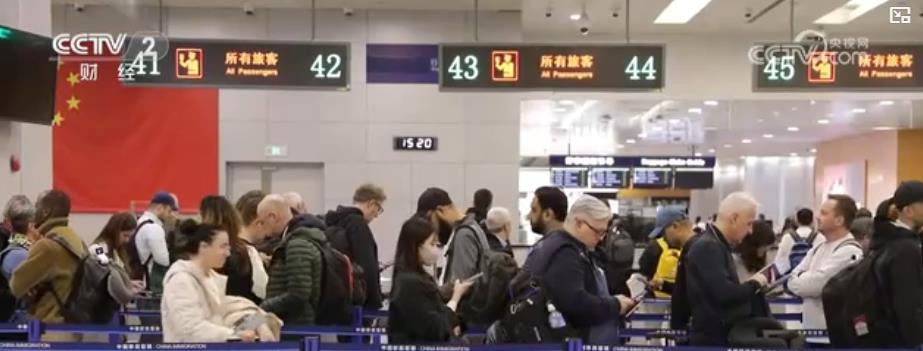
上半年免签入境外国人1364万人次 同比增长53.9%
Ren Min Ri Bao· 2025-08-12 01:24
Core Insights - The article highlights the significant increase in foreign travelers benefiting from China's visa facilitation policies, with a reported 13.64 million foreign visitors in the first half of the year, marking a 53.9% year-on-year growth [1] - The optimization of transit visa policies has improved accessibility and attractiveness of China as a travel destination, with the stay duration extended to 10 days and applicable provinces increased to 24 [2] - Regional visa policies have been tailored to enhance tourism, such as the ASEAN group visa exemption in Yunnan and the 30-day visa-free entry for citizens from 59 countries to Hainan, resulting in a 76% increase in foreign visitors to Hainan [5] Visa Facilitation Policies - The implementation of a 240-hour transit visa exemption has attracted tourists from countries like Russia, the USA, and Canada, with major cities receiving increased visitor numbers [2] - The introduction of electronic port visas in Shanghai has streamlined the visa application process, with a 54.95% month-on-month increase in issuance [3] Regional Policy Innovations - Various regional policies, such as the visa exemption for ASEAN tourist groups and cruise passengers, have been established to facilitate entry and promote tourism [4][5] - The establishment of information-sharing mechanisms between border inspection stations and local travel agencies has improved the efficiency of processing incoming tourist groups [5] Economic and Cultural Impact - The expansion of visa-free agreements with 29 countries and unilateral exemptions for 46 countries has created a broader "friends circle" for China, enhancing cultural and economic exchanges [6] - Major events like the Canton Fair and sports competitions have attracted significant foreign attendance, with Guangzhou reporting over 2.22 million foreign visitors in the first half of the year, a 40% increase [6] Tourism Growth and Market Opportunities - The increase in foreign visitors has prompted travel agencies to enhance their offerings, focusing on culturally rich and regionally distinctive travel experiences [7] - The rise in foreign tourist numbers has led to a demand for multilingual support at border checkpoints to facilitate smoother entry processes [7]
走进中国 读懂中国(览胜观潮)
Ren Min Ri Bao Hai Wai Ban· 2025-08-08 01:40
Group 1: Inbound Tourism Growth - The inbound tourism market in China is experiencing a vibrant resurgence, with significant increases in foreign visitors to iconic attractions such as the Forbidden City and the Terracotta Army [1] - China has expanded its visa-free policies to 75 countries and extended the 240-hour transit visa exemption to 55 countries, contributing to the rising popularity of "China Travel" [1] - Major cities like Shanghai are witnessing a surge in tourism-related revenue, with increased spending in shopping and dining sectors driven by foreign tourists [1] Group 2: Cultural Exchange and Interaction - Inbound tourism is facilitating cultural dialogue, with foreign visitors engaging in local traditions such as pottery making in Jingdezhen and tea ceremonies in Hangzhou [2] - These interactions highlight the importance of cultural experiences in bridging language and geographical barriers, fostering mutual understanding and respect [2] Group 3: Policy and Service Improvements - China is continuously optimizing its visa policies and enhancing services to create a welcoming environment for international tourists, signaling an open approach to global visitors [3] - The country is improving its tourism infrastructure, including language services and payment systems, to better accommodate foreign guests [3] - Cultural experiences, such as traditional clothing and local crafts, are being promoted to provide deeper insights into Chinese culture, transforming tourism into a comprehensive cultural experience [3]
国家移民管理局:上半年全国移民管理机构共签发口岸签证43万证次
Zhong Guo Xin Wen Wang· 2025-07-16 04:14
Core Points - The National Immigration Administration reported a steady increase in the number of foreign entries and exits in the first half of 2025, highlighting measures taken to facilitate foreign visits to China and residence [1][2] Group 1: Policy Measures - The administration has optimized the transit visa exemption policy, adding Indonesia as a 240-hour transit visa-free country, bringing the total to 55 countries [1] - A regional visa exemption policy was introduced for ASEAN tourist groups entering Yunnan's Xishuangbanna, allowing visa-free stays of up to 6 days [1] - The scope of mutual and unilateral visa exemption countries has been expanded, with new agreements signed with Uzbekistan, Malaysia, and Azerbaijan, and unilateral exemptions granted to nine additional countries [1] Group 2: Impact and Future Plans - The visa facilitation measures have effectively attracted a large number of foreign visitors to China, boosting inbound consumption and enhancing mutual understanding and friendship between Chinese and foreign citizens [2] - The National Immigration Administration plans to continue expanding institutional openness in immigration management, introducing more diverse and effective entry, exit, and residence policies to provide greater convenience for foreign nationals [2]
今年上半年外国人入出境数量稳步增长
Xin Hua She· 2025-07-16 02:34
Core Insights - The number of foreign entries and exits in China is steadily increasing, reaching 38.053 million in the first half of 2025, a year-on-year increase of 30.2% [1] - Among these, visa-free entries accounted for 13.64 million, representing 71.2% of total foreign entries, with a significant year-on-year increase of 53.9% [1] Immigration Management Policies - The National Immigration Administration is committed to promoting institutional openness in immigration management and enhancing service efficiency [1] - New visa-free policies have been implemented, including adding Indonesia to the list of countries eligible for a 240-hour visa-free transit, bringing the total to 55 countries [1] - Regional visa-free policies have been introduced, such as the visa-free entry for ASEAN tourist groups to Yunnan's Xishuangbanna [1] Visa Facilitation Measures - The administration has issued 430,000 port visas in the first half of the year for foreigners with urgent needs or humanitarian reasons [2] - Efforts are being made to improve the entire chain of services for foreign entrants, including payment, accommodation, and transportation facilitation [2] - These visa facilitation measures are expected to boost tourism and trade, enhancing mutual understanding and friendship between Chinese and foreign citizens [2] Future Plans - The National Immigration Administration plans to continue expanding institutional openness in immigration management and introduce more diverse and effective policies for entry, stay, and residence [2]
中国单方面免签“朋友圈”增至47国 携程:今年一季度入境游订单同比增长100%
Sou Hu Cai Jing· 2025-06-09 11:19
Group 1 - The Chinese government has implemented a visa-free policy for ordinary passport holders from Saudi Arabia, Oman, Kuwait, and Bahrain, effective from June 9, 2025, to June 8, 2026, expanding the total number of countries with unilateral visa exemptions to 47 [2] - The policy allows citizens from these countries to enter China for business, tourism, family visits, exchanges, and transit for up to 30 days without a visa, achieving full coverage of visa exemptions for Gulf Cooperation Council (GCC) countries [2] - Following the announcement, there was a 90% increase in flight searches from GCC countries to China, with Saudi Arabia leading in search interest; in the first quarter of this year, inbound travel orders on the Ctrip platform increased by 100%, with Saudi orders rising by 235% [2] Group 2 - The Ministry of Culture and Tourism reported that by 2024, 75% of foreign visitors entering China will do so under the visa-free policy, indicating a significant potential for enhanced trade cooperation and cultural integration [4] - The expansion of the visa-free list reflects China's commitment to high-level opening-up and aims to optimize entry policies, allowing more foreign visitors to experience diverse consumption scenarios and quality product offerings in China [4]