纯净美妆

Search documents
精华水赛道正在“革命”,国货的机会在哪?
3 6 Ke· 2025-07-31 12:20
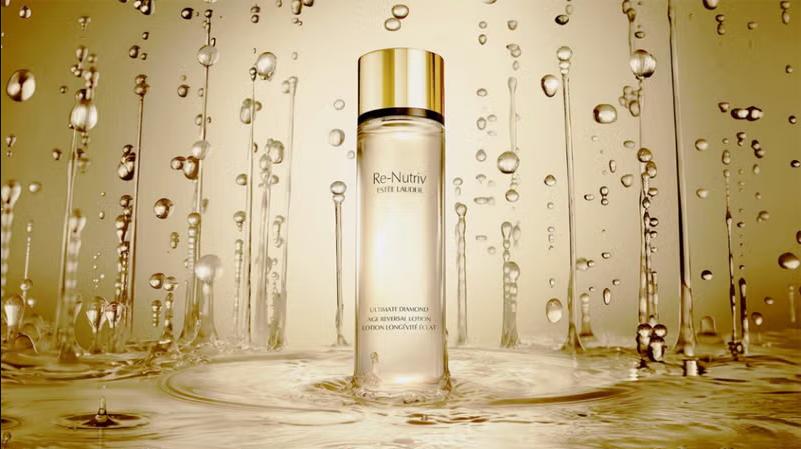
Core Insights - The essence water category is becoming a strategic focus for brands, with international giants like Lancôme and Estée Lauder launching new products to redefine skincare [1][2][3] - The market for essence water is rapidly growing, with online sales nearing 10 billion yuan in the first half of this year, marking it as one of the fastest-growing segments in facial care [1][7] Group 1: Brand Strategies - Major brands are investing in the development of essence water, which is positioned between toners and serums, offering multiple benefits such as anti-aging and skin repair [2][3] - International brands like Estée Lauder and Lancôme are targeting younger consumers by offering entry-level high-end products at competitive prices, such as Lancôme's "Little Black Bottle Essence Water" priced at 595 yuan for 150ml [3][6] - Essence water serves as a "universal key" that can enhance the entire skincare routine, facilitating cross-selling opportunities across product lines [6][7] Group 2: Market Trends - The essence water market is projected to grow at a compound annual growth rate of 9.2% from 2026 to 2033, indicating strong future demand [7][8] - Young consumers, particularly those aged 18-24, are increasingly drawn to essence water, with this demographic accounting for over 30% of the category's popularity on platforms like Xiaohongshu [7][9] - The core consumer demands for essence water include multi-functionality, proven efficacy, and sustainability, reflecting a shift in consumer expectations [8][10] Group 3: Domestic Brand Strategies - Domestic brands are responding to international competition by focusing on technology, efficacy, cost-performance ratio, and specific usage scenarios [11][12] - Brands like HBN are establishing their technological foundations and focusing on precise efficacy to differentiate themselves in the market [12][13] - The emphasis on cost-performance ratio allows domestic brands to attract price-sensitive consumers while maintaining product quality [15][16] Group 4: Marketing and Consumer Engagement - Chinese brands are integrating their products into popular skincare routines and scenarios, enhancing consumer interaction and increasing sales opportunities [17][18] - The competition in the essence water market is not just about product features but also about building trust and loyalty through genuine value and scientific backing [18][19]


2025年第25周:美妆行业周度市场观察
艾瑞咨询· 2025-06-26 06:45
Industry Environment - The beauty industry is facing significant challenges due to a decline in consumer spending and cautious economic conditions, with CPI and PPI showing year-on-year decreases. Brands are adapting by focusing on functional and emotional value to drive growth, emphasizing the importance of user needs and differentiated advantages [1] - International beauty brands are leveraging top influencers on Douyin to boost sales, with international brands occupying 7 out of the top 10 beauty spots in May. The collaboration model is evolving from simple sales to full-value co-creation, while domestic brands are exploring high-end paths amidst intense competition [2] - Luxury and premium brands are struggling with frequent discounting, which undermines brand value and consumer trust. This has led to a "discount-only" shopping habit among consumers, necessitating a balance between maintaining high-end positioning and meeting sales demands [4] - During the 618 shopping festival, Taobao's beauty segment accounted for 45.1% of total sales, outperforming Douyin and JD. Notable products quickly surpassed sales of 100 million, indicating strong competition and the importance of new product launches [5] - Herbal skincare products are gaining popularity, with 76% of consumers preferring natural herbal ingredients. The market is seeing significant growth, driven by a trend towards "pure beauty" and "precise skincare" [6] Major Brand Developments - A major acquisition in the personal care sector occurred when a maternal and infant giant invested 1.65 billion yuan to acquire a leading hair care service provider, aiming to enhance service offerings and user engagement [8] - Dolce & Gabbana secured 150 million euros in funding to expand its beauty division, targeting 1 billion euros in sales by 2027. The brand is focusing on regaining market presence in China after previous controversies [9] - Camel Outdoor Beauty is focusing on outdoor skincare, leveraging its parent company's expertise to create specialized products for outdoor conditions, with a target of 150 million GMV [10] - The luxury perfume brand AMOUAGE opened its first flagship store in Asia, aiming to enhance its market presence and provide a high-end customer experience, with sales exceeding 100 million dollars in Q1 2024 [11]

50+,今年美妆融资又爆了
Xin Lang Cai Jing· 2025-06-04 06:50
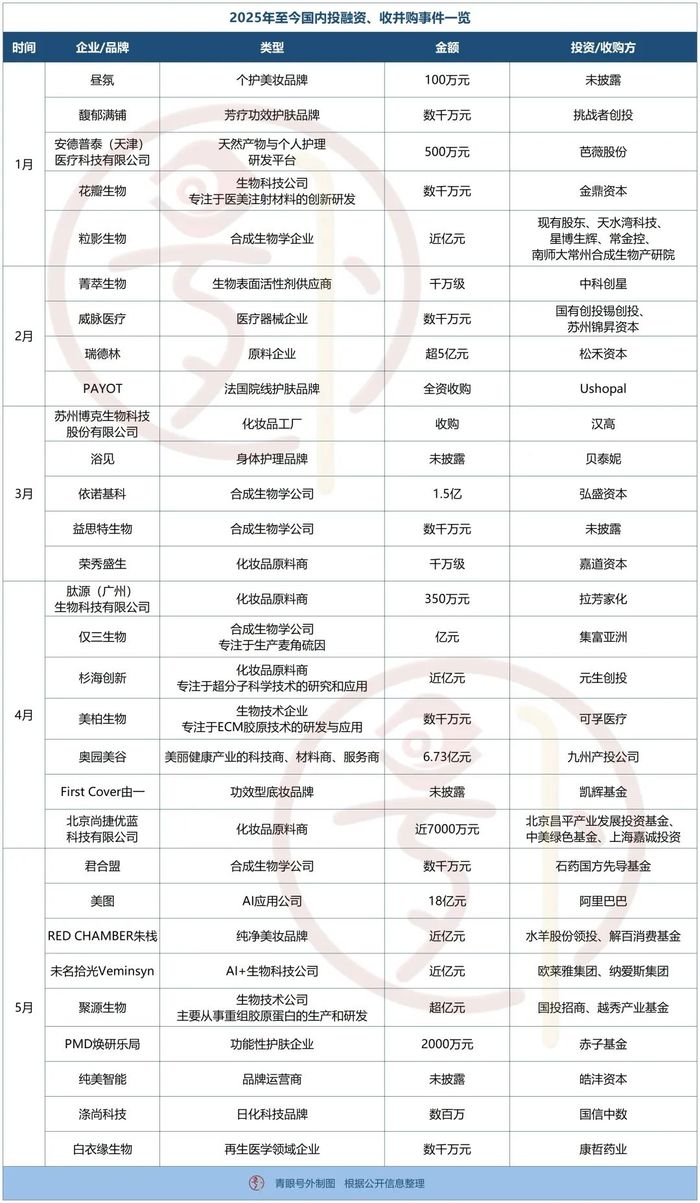
Core Insights - The beauty industry is experiencing a resurgence in investment, with a total of 12 financing rounds exceeding 100 million yuan reported recently, indicating renewed interest from capital [1][2] - Since the beginning of 2025, there have been 53 investment and M&A events in the cosmetics sector globally, with 30 occurring in China [2] Investment Trends - Domestic capital is increasingly focusing on upstream beauty companies, particularly those involved in "synthetic biology," which has become the most favored technology direction [2][5] - The trend shows a significant shift from traditional beauty brands to raw material companies, with nearly half of the investments directed towards raw material enterprises [5][6] Key Investment Events - Notable investments include: - Particle Biology, a synthetic biology company, received nearly 100 million yuan [3] - 聚源生物 (Juyuan Biotechnology) raised over 100 million yuan for recombinant collagen production [4] - 依诺基科 (InnoKey) secured 150 million yuan for synthetic biology applications [4] - The investment landscape is characterized by a focus on functional skincare brands, with companies like PMD焕研乐局 and First Cover由一 gaining traction [7][9] Emerging Technologies - Recombinant collagen is highlighted as a leading raw material, with companies like Particle Biology and 聚源生物 making significant advancements in this area [5] - The concept of ergothioneine is gaining attention, with companies like 仅三生物 focusing on high-purity production for antioxidant applications in cosmetics [6] - Synthetic biology is recognized as a key area for investment, with over 66% of raw material-related financing cases in 2024 focusing on this technology [6][7] Brand Development - The market for functional skincare products is expanding, with brands like 馥郁满铺 and PMD焕研乐局 leading the way in innovative product offerings [7][9] - New brands are exploring unique marketing strategies, such as the "mobile shared makeup machine" project launched by the brand 昼氛 [10] International Market Dynamics - International capital is increasingly flowing into the Indian market, with high-end skincare brands like Ras Luxury Skincare and Minimalist attracting significant investments [13][17] - The luxury perfume segment remains a focal point, with brands like Amouage and Borntostandout receiving attention from major investors [18][20] Technological Innovations - AI technology is becoming a prominent trend in the beauty industry, with companies like 美图 securing substantial funding for AI-driven solutions [21][22] - The concept of clean beauty is gaining traction, with brands like LYS Beauty and RED CHAMBER朱栈 receiving capital support, reflecting a shift towards sustainability [23]
功效护肤碾压下的纯净美妆:一场未爆发就熄火的概念狂欢
3 6 Ke· 2025-05-23 09:39
Core Insights - The "clean beauty" trend has not gained significant traction in China, with major brands facing challenges and even retreating from the market [1][7][9] - International brands are struggling to effectively communicate the clean beauty narrative, leading to a reduction or elimination of their clean beauty lines [3][5][8] - The focus on efficacy in skincare is becoming more prominent, overshadowing the clean beauty concept, which lacks a unified standard in China [9][10][11] Group 1: Market Performance - TATCHA, a high-end skincare brand under Unilever, has seen a 19% decline in GMV on Tmall in 2024, indicating weak performance in the Chinese market [3] - The Body Shop, a pioneer in clean beauty, has faced bankruptcy in its UK and North American operations, leading to significant layoffs [1][2] - Unilever's overall sales in 2024 reached €13.2 billion, a 5.5% increase, but its operating profit fell by 3.7% and net profit dropped by 10.8% [3] Group 2: Brand Strategies - Unilever is streamlining its brand portfolio, focusing on core brands while planning to introduce five new anti-aging products priced over 800 yuan within two years [4] - REN, another clean beauty brand, has been cut from Unilever's offerings due to unclear core selling points and negative consumer feedback regarding product effectiveness [5][6] - Aesop, a brand under L'Oréal, has also faced challenges in the Chinese market, closing its first store in Shanghai despite aggressive expansion [8] Group 3: Consumer Preferences - The clean beauty concept is perceived as an additional feature rather than a primary selling point in China, where consumers prioritize safety, efficacy, and cost-effectiveness [7][9] - The demand for efficacy-driven skincare is rising, with keywords like "moisturizing," "repair," and "anti-aging" becoming central to consumer interests [10] - Domestic brands are beginning to adopt clean beauty principles, but often as supplementary marketing rather than core offerings, indicating a shift towards technology-driven solutions [11]

新获近亿元融资,RED CHAMBER朱栈重构“纯净美妆”叙事
FBeauty未来迹· 2025-05-22 11:09
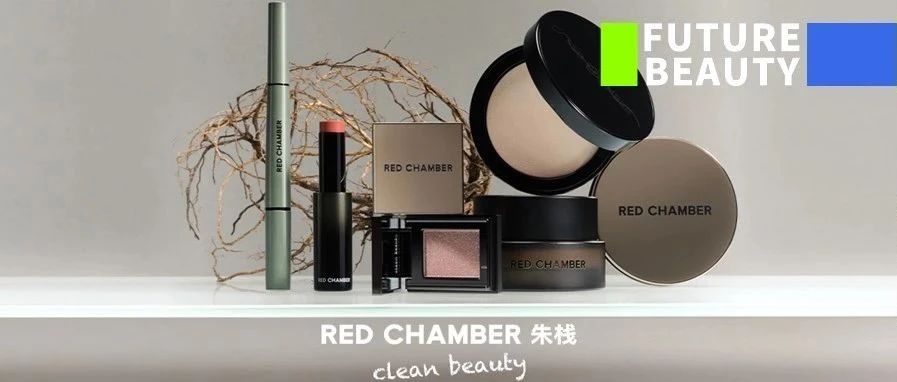
Core Viewpoint - The article highlights the rise of the Chinese clean beauty brand RED CHAMBER, which has successfully navigated the challenges faced by international clean beauty brands in the market, showcasing its unique strategies and strong performance in the industry [2][3][16]. Financing and Growth - In May 2025, RED CHAMBER announced nearly 100 million RMB in Series A and A+ financing, marking the largest single financing for a Chinese beauty brand in 2025 [2]. - The brand has completed three rounds of financing since its establishment in 2020, with significant investments aimed at product development and market expansion [4][5]. - The latest round of financing focuses on enhancing research capabilities, including the establishment of a digital testing system for makeup efficacy and skin microbiome research [5][14]. Product Innovation and Market Positioning - RED CHAMBER has positioned itself as the first sustainable clean beauty brand in China, addressing key industry pain points such as ingredient safety and proven efficacy [4][11]. - The brand's star product, a multi-use balm, has achieved over 200,000 monthly sales on Tmall, indicating strong consumer demand and market presence [5][12]. - The brand's commitment to research and development has led to innovative product designs that combine multiple functions, catering to the growing consumer trend for efficiency and safety in beauty products [12][18]. Industry Standards and Consumer Trends - RED CHAMBER is a pioneer in establishing clean beauty standards in China, collaborating with industry associations to create guidelines for product development and quality standards [14][22]. - A report indicates that over 65% of consumers are inclined to choose environmentally friendly brands, with a growing preference for clean and natural products [16]. - The brand's approach to localizing its clean beauty narrative reflects a deep understanding of Chinese consumer needs, balancing safety and efficacy [18][21]. Future Outlook - The clean beauty market is expected to grow significantly, with projections indicating a rise in the global natural beauty and cosmetics market value to $59 billion by 2031 [16]. - RED CHAMBER's focus on sustainable practices and technological advancements positions it well for future growth in the evolving beauty landscape [21][22].
RED CHAMBER朱栈完成近亿元A轮及A+轮融资
Sou Hu Cai Jing· 2025-05-15 05:15
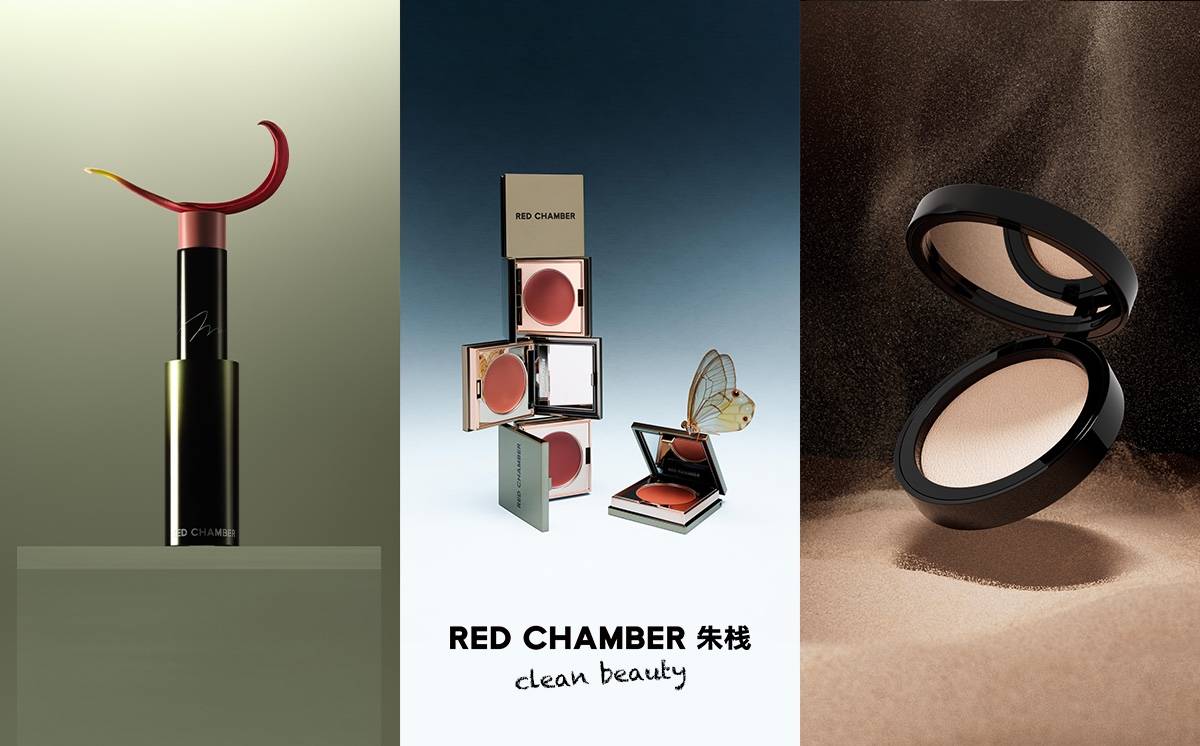
Core Insights - RED CHAMBER has successfully completed nearly 100 million RMB in Series A and A+ financing, with Water Sheep Co. leading the A+ round and Jie Bai Consumer Fund participating, aiming to enhance product innovation and market expansion [1][10] - The brand is a pioneer in the multi-use cream segment in China, showcasing strong penetration in social makeup trends through innovative products like multi-use sticks and pre-makeup creams [3] - RED CHAMBER maintains strict standards for raw material selection, ensuring all ingredients meet international safety standards and exceed industry purity benchmarks [5][6] Financing and Research Development - The recent financing will primarily focus on upgrading research capabilities, establishing a digital testing system for makeup efficacy, and advancing skin micro-ecology research [15] - The brand aims to reshape the narrative of clean beauty in the Chinese market by focusing on skin micro-ecology, AI formulation prediction, and efficacy validation [15] Product Innovation and Safety - The brand's product development emphasizes a systematic understanding of skin physiology, product craftsmanship, and ingredient interactions, moving beyond mere reduction of harmful ingredients [11][16] - RED CHAMBER's products feature a high natural ingredient content, with its foundation series achieving 99% natural ingredients, providing a breathable and skin-friendly makeup experience [8] Industry Positioning and Future Outlook - As a leader in the clean beauty movement, RED CHAMBER is shifting the industry focus from "traffic-driven" to "research-driven" approaches, aiming to set global standards for clean makeup [16] - The brand's philosophy integrates science, health, and sustainability, positioning itself to create a better environment for skin health [16]
联合利华再弃子
3 6 Ke· 2025-05-07 02:06
Core Insights - Unilever has announced the closure of its high-end beauty brand REN, marking the first brand shutdown under new CEO Fernando Fernandez [1][12] - The decision to close REN is attributed to internal complexities and external market pressures that have hindered the brand's profitability for an extended period [1][12] Brand Background - REN was established in 2000 and was acquired by Unilever in 2015, becoming the first brand in Unilever's Prestige beauty division [2][5] - The brand focused on high-end consumers and promoted a philosophy of using 100% natural ingredients without chemical or synthetic components [2] Financial Performance - By 2014, REN had entered 50 countries with sales revenue of approximately €40 million (around 330 million RMB) [5] - After its acquisition, REN's performance did not meet expectations, with reports in 2024 indicating that its annual revenue was below €5 million, failing to reach the threshold for "strong brands" [13] Strategic Shift - Unilever has been undergoing a series of business divestitures, including the sale of Elida Beauty and other non-core assets, as part of a broader strategic realignment [12][15] - The company aims to focus on 30 "strong brands," which include 14 billion-euro brands and 16 brands expected to reach that level, while non-core brands like REN are being phased out [12][15] Cost-Saving Measures - Unilever's "Productivity Plan" aims to streamline operations and reduce costs, with a target of saving €550 million by the end of 2025 [15] - The company has increased restructuring costs to 1.4% of revenue, with an annual investment of €1.5 billion (approximately 12.26 billion RMB) to optimize its product portfolio [15] Market Challenges - Unilever's beauty division, including REN, has faced sales declines, attributed to a general slowdown in the beauty market [17] - The company reported a 0.9% year-over-year decline in revenue for Q1 2025, with specific challenges in the Chinese market, where sales fell by a single-digit percentage [17][19] Future Outlook - Unilever plans to enhance its core brand innovation and focus on high-end product offerings while adjusting its marketing strategies in China [18][19] - The company is committed to improving investment quality over scale and aims to optimize its portfolio through divestitures and strategic acquisitions [19]