
美国经济硬着陆

Search documents
整理:每日全球外汇市场要闻速递(5月14日)
news flash· 2025-05-14 07:00
Group 1: US Dollar - 61% of fund managers believe the US economy will experience a soft landing, up from 37% in April, while 26% expect a hard landing, down from 49% in April [2] - The percentage of investors reducing their dollar exposure in May is the highest since 2006, with dollar exposure hitting a 19-year low [2] - Barclays predicts the Federal Reserve will cut interest rates in December, previously expected in July, with further cuts of 25 basis points anticipated in March, June, and September 2026 [2] Group 2: Non-USD Major Currencies - ECB Governing Council member Mahrouf indicates that monetary policy adjustments will need to be cautious due to the impacts of fragmentation [3] - The Chief Economist of the Bank of England, Pill, suggests that monetary policy measures to ensure CPI returns to target may need to be more persistent [3] - A Bank of America survey shows more investors believe the euro is undervalued in May, while the British pound is considered overvalued [3] Group 3: Other Economic Indicators - India's Trade Minister is scheduled to visit the US for trade talks from May 17 to 20 [4] - Kazakhstan's central bank reports that gold and foreign exchange net reserves reached $50.567 billion in April, a month-on-month increase of 5.3% [4] - The World Travel and Tourism Council forecasts that US tourism revenue will decline by 7% in 2025, equating to a $12.5 billion reduction, making the US the only country expected to see a contraction in its tourism sector [4]
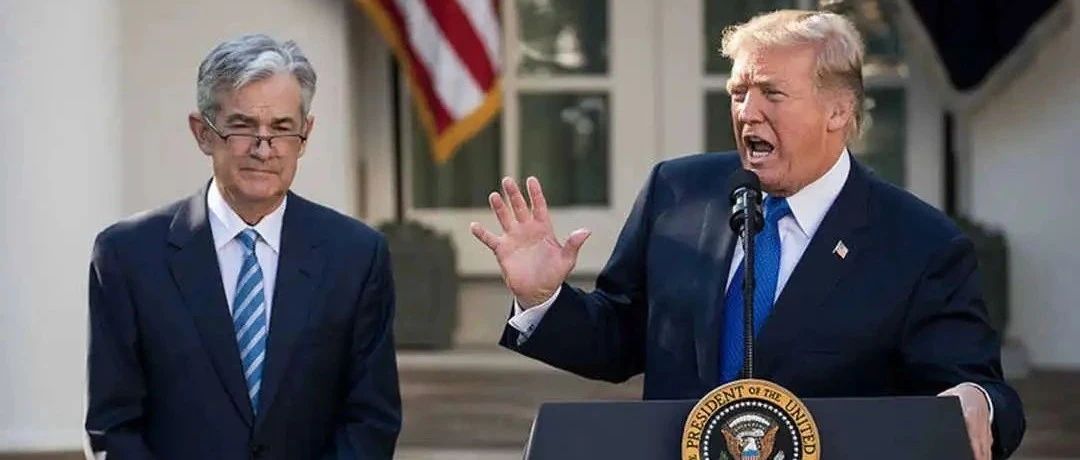
鲍威尔,又多了一个等待的理由
第一财经· 2025-05-13 01:56
Core Viewpoint - The recent US-China trade talks have significantly reduced tariffs, leading to improved economic prospects for the US and a potential delay in interest rate cuts by the Federal Reserve [3][4][5][7]. Group 1: US-China Trade Talks - The US has canceled 91% of its additional tariffs, while China has reciprocated with a similar reduction, marking a substantial step in bilateral trade relations [3]. - The Geneva meeting is the first face-to-face interaction between senior economic officials from the US and China since President Trump took office, highlighting the importance of ongoing dialogue [3]. - The reduction in tariffs is expected to alleviate supply chain disruptions and concerns regarding the global economy, with nearly $600 billion in bilateral trade previously affected [3]. Group 2: Economic Outlook - The Atlanta Fed's GDPNow model predicts a rebound in US GDP growth to 2.3% in the second quarter, following an unexpected decline in the first quarter [4]. - JPMorgan has reduced the probability of a recession from 60% to 35%, citing positive developments in trade negotiations and resilient macroeconomic data [4]. - The recent trade negotiations are seen as a catalyst for broader investment opportunities across various asset classes [4]. Group 3: Federal Reserve's Position - Following the trade talks, market expectations for interest rate cuts have shifted, with traders now anticipating a delay until September and a total reduction of only 50 basis points by year-end [5]. - The Federal Reserve has maintained its interest rate range at 4.25%-4.50%, citing rising risks related to inflation and unemployment [5]. - Fed Chair Powell emphasized that external pressures, including those from President Trump, will not alter the Fed's policy-making approach [5]. Group 4: Inflation and Consumer Spending - Analysts suggest that the reduction in tariffs may lower the risks of commodity shortages and inflation, allowing the Fed to adopt a more patient stance regarding interest rate adjustments [7]. - Upcoming CPI data is expected to show a potential rebound in inflation rates, influenced by recent changes in trade dynamics [6]. - The overall economic environment is characterized by increased consumer spending pressure, with slowing growth in labor compensation costs and reduced energy and transportation costs, which may help mitigate inflation linked to tariffs [6].

美股低开,七巨头集体下跌!美国一季度GDP负增长,美联储陷入“三难”
21世纪经济报道· 2025-04-30 14:28
Economic Overview - The latest data shows that the U.S. GDP contracted by 0.3% in Q1 2025, leading to a decline in U.S. stock markets, with the Nasdaq and S&P 500 dropping approximately 2% and the Dow Jones falling over 1% [1][10] - Consumer confidence in the U.S. has dropped for the fifth consecutive month, reaching its lowest level since the COVID-19 pandemic, with 32.1% of consumers expecting job losses in the next six months, a level close to that seen during the 2009 financial crisis [8][9] Stock Market Reaction - Major U.S. tech stocks experienced significant declines, with Apple down 1.72%, Microsoft down 1.99%, and Tesla down 6.22% [2][3] - European stock markets also saw collective declines, with the UK FTSE 100, France's CAC 40, and Germany's DAX all reporting losses [5][6] Commodity Market Trends - Gold prices fell below $3,280 per ounce before rebounding, while crude oil futures and copper prices also experienced declines [6][7] - The current market volatility has led to a significant percentage of consumers (48.5%) expecting stock prices to decline in the next 12 months, the highest level since October 2011 [9] Inflation and Economic Challenges - The probability of a "hard landing" for the U.S. economy has increased from 35% to 50%, with expectations of mild stagflation characterized by declining growth and persistent core inflation [11][12] - Key factors contributing to this economic outlook include unresolved supply-side shocks, sticky wage growth leading to potential second-round inflation pressures, and a projected federal budget deficit exceeding 6% of GDP in 2025 [12][13] Federal Reserve's Dilemma - The Federal Reserve faces a "trilemma" involving conflicts between anti-inflation measures and growth stabilization, financial stability and policy independence, as well as domestic needs versus external capital flows [12][13] - A potential unconventional strategy may involve nominal interest rate reductions while maintaining high real interest rates, alongside targeted liquidity tools to navigate the complex macroeconomic landscape [13]