
能源清洁低碳转型

Search documents
林伯强:能源清洁低碳转型是新质生产力︱能源思考
Di Yi Cai Jing· 2025-11-19 13:02
Core Viewpoint - The continuous iteration of green low-carbon clean energy technologies will provide stronger support for low-carbon transition development, driven by new productive forces that are inherently green [1][7]. Group 1: Energy Transition and New Productive Forces - The energy clean low-carbon transition accelerates the formation and development of new productive forces through three main channels: enhancing energy utilization efficiency, electrification of end-use energy, and constructing a new power system centered on clean electricity [2]. Group 2: Enhancing Energy Utilization Efficiency - Improving energy utilization efficiency is essential for achieving clean low-carbon transition goals, with energy conservation being a key pathway for carbon reduction. Continuous technological innovation is crucial for developing more efficient energy utilization technologies and core equipment [3]. - The systematic enhancement of energy efficiency relies on the large-scale promotion of energy-saving technologies and products, driving the rapid rise of the energy-saving industry, which includes three sub-sectors: large-scale manufacturing of energy-saving equipment, specialized energy management services, and integration of intelligent control systems [3]. Group 3: Electrification of End-Use Energy - The electrification of end-use energy is crucial for low-carbon transition, with renewable energy and electric vehicles emerging as key growth areas. The future energy system in China needs to focus on clean low-carbon renewable energy, making electricity the core power source for various production and living scenarios [4]. Group 4: New Power System Construction - In the process of energy clean low-carbon transition, wind and solar power will become the core growth drivers of clean energy, supported by energy storage technology, digital technology, and smart grids. The development of energy storage technology is essential for stabilizing the future power system [5]. Group 5: Challenges in Coupling New Productive Forces and Energy Transition - The need for stable energy supply for economic development may conflict with the short-term impacts of low-carbon transition on energy-intensive industries. High-energy-consuming industries, while injecting vitality into the supply chain, also pose environmental challenges [11]. - The application of low-carbon technologies faces bottlenecks and cost pressures, with the current pace of energy storage development lagging behind the growth of renewable energy installations [12]. - The explosive growth of AI technology impacts the power supply-demand landscape, as the energy consumption for AI model training and large computing centers increases significantly [13]. Group 6: Collaborative Pathways for Dual Breakthroughs - To alleviate the conflict between industrial competitiveness and low-carbon transition, it is necessary to enhance renewable energy development and advance the electrification of high-energy-consuming industries through supportive policies and technologies [16]. - A diversified electricity market trading mechanism should be established to facilitate the integration of renewable energy and carbon markets, enhancing the overall efficiency of energy supply and demand [17]. - Accelerating the development of clean energy industries is vital for solidifying the green foundation of new productive forces, focusing on key technology research and the establishment of AI data centers linked to renewable energy projects [18].
国办:推动清洁能源在铁路、公交、环卫、重卡、农机、物流等领域开放应用
Zheng Quan Shi Bao Wang· 2025-11-07 09:10
Group 1 - The State Council issued implementation opinions to accelerate the cultivation and large-scale application of new scenarios in the clean energy sector [1] - The plan promotes the application of clean energy in various fields such as railways, public transport, sanitation, heavy trucks, agricultural machinery, and logistics [1] - It aims to build clean energy vehicle transport corridors and simultaneously layout energy supply stations to create a collaborative development application scenario for the entire clean energy industry chain [1] Group 2 - The initiative encourages the clean and low-carbon transformation of the energy industry [1] - It focuses on innovating digital and intelligent energy production and operation management, smart grids, green electricity direct supply, virtual power plants, and vehicle-network interaction [1] - The plan also promotes the establishment of international standards and certification mechanisms for green energy [1]
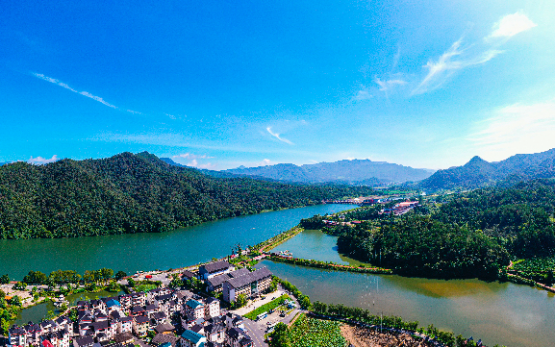
用心守住山清水秀 绘就绿色发展底色
Zhong Guo Neng Yuan Wang· 2025-11-06 04:17
Core Viewpoint - Fujian province is recognized for its green initiatives, supported by a robust electricity infrastructure that promotes clean energy and sustainable development [2][25]. Group 1: Green Energy Initiatives - The State Grid Fujian Electric Power Company is implementing the "Double Satisfaction" project to facilitate the clean and low-carbon transformation of energy, supporting the construction of an "Electric Fujian" [2][25]. - The company is enhancing energy efficiency and promoting clean energy consumption to achieve carbon reduction goals and optimize the energy structure in Fujian [2][25]. Group 2: Local Development and Ecotourism - Changkou Village in Jianou County has transformed its ecological advantages into economic benefits through ecotourism and local experiences, moving away from traditional resource exploitation [3][4]. - The digital and intelligent upgrades to the village's power grid have significantly improved the tourism experience and boosted local industries [4][5]. Group 3: Sustainable Practices in Agriculture and Industry - Various local specialties, such as smoked bamboo shoots and tea oil, have been upgraded through electrification and clean energy solutions, enhancing their market reach and value [7][10]. - The State Grid Fujian Electric Power Company is focusing on creating "one county, one characteristic" electrification demonstration projects to support local agricultural transformation and rural revitalization [10]. Group 4: Green Transportation and Infrastructure - Meizhou Island has developed a comprehensive electric vehicle charging network, creating a "three-kilometer charging circle" to support green travel [13][14]. - The island aims to achieve near-zero carbon emissions by 2027, with innovative green technologies integrated into tourism and local infrastructure [18]. Group 5: Environmentally Friendly Construction - The construction of the 220 kV Shizhuang-Tianyun line is designed with ecological priorities, utilizing steel structures to minimize environmental impact during installation [20][21]. - The State Grid Fujian Electric Power Company is adopting eco-friendly materials and practices in its projects to ensure high-quality development while protecting the environment [25].

国家电网总经理庞骁刚:科学谋划“十五五”发展 加快推动能源清洁低碳转型
Zhong Guo Dian Li Bao· 2025-09-24 03:36
Group 1 - The core viewpoint emphasizes the importance of carbon peak and carbon neutrality as a political task for the State Grid Corporation, focusing on the development and safety of energy transition towards a green and low-carbon system [1] - During the 14th Five-Year Plan period, the installed capacity of clean energy generation in the State Grid's operating area increased by 134.7%, with the proportion of clean energy in total installed capacity rising from 42.6% to 59.8% [1] - The company has invested an average of 574 billion yuan annually over the past five years to enhance system regulation capabilities and promote the planning and construction of pumped storage [1] Group 2 - The electricity system is identified as the central link in the energy transition, with a projected rigid growth in electricity demand during the 15th Five-Year Plan period [2] - The construction of a new power system is deemed a top priority, requiring attention to the new changes and challenges brought by the transition, while seizing opportunities for industrial upgrades [2] - The interaction with users will become more extensive, necessitating effective responses to complex load forecasting and flow control [2] Group 3 - Technological innovation is highlighted as a key support for building a new power system, emphasizing the need for goal-oriented and problem-oriented approaches [3] - The establishment of a unified national electricity market is considered essential for optimizing resource allocation and promoting green and low-carbon development [3] - The market mechanism should be improved to guide various resource elements towards a green and low-carbon direction [3]
两部委印发现货市场建设指引 机制创新破解高比例新能源入市难题
Zhong Guo Neng Yuan Wang· 2025-09-17 09:22
Core Viewpoint - The National Development and Reform Commission and the National Energy Administration have issued guidelines for the construction of continuous electricity spot markets, focusing on adapting market mechanisms for the full entry of renewable energy and enhancing system regulation capabilities [1][2]. Group 1: Spot Market Mechanism - The guidelines support local exploration of optimized spot market mechanisms under the full entry of renewable energy, aiming to create time-based price signals that reflect supply-demand relationships and adjustment costs [2]. - As of August 2025, all 26 provincial electricity spot markets in the State Grid operating area have been launched, with five provinces successfully transitioning to formal operations [2]. - The spot market has effectively incentivized both supply and demand optimization, with significant reductions in electricity costs and improved grid regulation capabilities [2]. Group 2: New Market Participants - The guidelines emphasize the need to improve mechanisms for various market participants, encouraging new entities like virtual power plants and smart microgrids to participate in spot market competition [4]. - Challenges faced by emerging market participants in provincial spot market trading necessitate the development of universal pricing models to enhance market engagement [4][5]. - The guidelines allow new entities to participate in pricing, which can lower entry barriers for small users and help manage negative electricity prices effectively [5]. Group 3: Auxiliary Services and Capacity Assurance - The guidelines propose the establishment of auxiliary service market systems tailored to local conditions, particularly in regions with high renewable energy installations [6]. - Experts highlighted the need for a capacity compensation mechanism to ensure long-term system capacity, addressing the challenges posed by the declining investment interest in traditional power sources due to the rise of renewable energy [7]. - The guidelines aim to balance the investment expectations of renewable and traditional power sources, ensuring the stability and security of the electricity system [7][8]. Group 4: Key Policy Directions - The nine key directions outlined in the guidelines include optimizing the spot clearing mechanism, enhancing participation mechanisms for new entities, and establishing reliable capacity compensation mechanisms [8]. - The guidelines and expert recommendations align towards constructing a market operation system that accommodates a high proportion of renewable energy, ensuring optimized resource allocation and stable supply [8].
国网甘肃电力:“网上国网”新能源竞价服务专区上线
Zhong Guo Neng Yuan Wang· 2025-09-15 20:01
Core Insights - The launch of the "New Energy Bidding Service" section on the "Online State Grid" app marks a significant step towards digitalization in Gansu's new energy customer-side trading, aligning with national "dual carbon" goals [1] - This initiative is a response to the Gansu Development and Reform Commission and Energy Bureau's plan to promote high-quality development of new energy through market-oriented pricing mechanisms [1] Group 1 - The new service aims to integrate new energy into the electricity market, ensuring fair competition through market-driven pricing [1] - The platform includes five core functional modules: project information submission, volume and price bidding, price settlement agreement signing, bidding agency, and inquiry mechanism [1] - This initiative represents a shift from policy-driven to market-driven new energy development, enhancing Gansu's green and low-carbon growth [1] Group 2 - The company plans to closely monitor market dynamics and continue to enhance the bidding service platform, improving response speed and service accuracy [2] - This ongoing development is intended to support the construction of a new power system and accelerate the transition to clean and low-carbon energy [2]
“宁电入湘”工程正式投产送电
Ren Min Ri Bao· 2025-08-20 22:21
Core Insights - The "Ningxia-Hunan ±800 kV UHVDC Transmission Project" officially commenced operation on August 20, 2023, marking a significant milestone in renewable energy transmission [1] - This project primarily focuses on transmitting renewable energy from desert and arid regions, with a total length of 1616 kilometers [1] - The project has a maximum transmission capacity of 8 million kilowatts, with over 50% of the transmitted energy coming from renewable sources, and is expected to deliver more than 36 billion kilowatt-hours of electricity to Hunan annually [1] Group 1 - The "Ningxia-Hunan" project serves as a high-voltage direct current (HVDC) channel for renewable energy, enhancing energy security and supporting China's transition to clean energy [1] - The project will enable Ningxia to establish an external transmission capacity of 20 million kilowatts through the "three direct" transmission channels [1] - The operation of this project will help fill the electricity gap in Hunan and promote the region's energy transformation [1]
电力行业数据点评:1-2月全社会用电量同比增长1.3%,风光发电保持较快增长
Xiangcai Securities· 2025-03-26 03:09
Investment Rating - The industry rating is "Overweight" [7] Core Insights - In January-February 2025, the total electricity consumption increased by 1.3% year-on-year, with a notable slowdown in growth primarily due to temperature effects [2] - The total electricity generation from large-scale power plants in January-February 2025 was 14,921 billion kWh, a decrease of 1.3% year-on-year, with varying performance across different energy sources [4] - The report emphasizes the long-term growth potential of electricity consumption driven by the transition to clean energy and the acceleration of electricity market reforms [5] Summary by Sections 1. Electricity Consumption Situation - Total electricity consumption in January-February 2025 was 15,564 billion kWh, up 1.3% year-on-year, with a decline in growth rate of 9.7 percentage points [2] - Breakdown by industry: - Primary industry: 20.8 billion kWh, up 8.2% - Secondary industry: 9,636 billion kWh, up 0.9% - Tertiary industry: 2,980 billion kWh, up 3.6% - Urban and rural residential consumption: 2,740 billion kWh, up 0.1% [2] 2. Electricity Production Situation - Total electricity generation in January-February 2025 was 14,921 billion kWh, down 1.3% year-on-year, with a decline in growth rate of 9.6 percentage points [4] - Breakdown by energy source: - Hydropower: 1,461 billion kWh, up 4.5% - Thermal power: 10,214 billion kWh, down 5.8% - Nuclear power: 746 billion kWh, up 7.7% - Wind power: 1,776 billion kWh, up 10.4% - Photovoltaic power: 724 billion kWh, up 27.4% [4] 3. Investment Recommendations - Long-term outlook remains positive for electricity consumption due to the ongoing transition to clean energy and increased electrification [5] - Short to medium-term, the report suggests monitoring the performance of thermal power companies due to falling coal prices and changing supply-demand dynamics [5] - Recommended stocks include Huaneng International and Huaneng Hydropower, with a focus on companies with strong performance stability and high dividend rates [5]