要素市场化配置综合改革

Search documents
郑州市委书记安安伟会见中国工商银行党委副书记、行长刘珺一行
Xin Lang Cai Jing· 2026-02-04 12:43
Core Viewpoint - The meeting between An Wei, the Secretary of the Zhengzhou Municipal Committee, and Liu Jun, the Deputy Secretary and President of the Industrial and Commercial Bank of China (ICBC), emphasizes the collaboration between finance and fiscal policies to promote high-quality economic development in Zhengzhou [2][3]. Group 1: Economic Development Strategies - Zhengzhou is committed to implementing the important directives from General Secretary Xi Jinping regarding the work in Henan and Zhengzhou, focusing on innovation-driven development and constructing a modern industrial system [2][6]. - The city aims to enhance its governance efficiency through a "Party building + grid + big data" model, addressing urgent public concerns effectively [2][6]. - Zhengzhou plans to strengthen its urban competitiveness and ensure significant progress towards socialist modernization during the "14th Five-Year Plan" period [2][6]. Group 2: Collaboration with ICBC - ICBC is recognized as a world-class bank with significant strengths in the global financial sector, and both parties aim to seize opportunities for comprehensive reform in the market-oriented allocation of factors in Zhengzhou [2][7]. - The bank will actively undertake its responsibilities as a state-owned enterprise, focusing on enhancing factor security and exploring new paths for financial empowerment of high-quality economic development [3][7]. - The collaboration aims to create a new mechanism for fiscal and financial synergy, contributing to the construction of Zhengzhou as a regional financial center [2][7].

北京市发改委副主任张鑫做客北京青年报两会直播间:开局之年答好“经济卷”和“民生卷”
Xin Lang Cai Jing· 2026-01-27 22:08
关键词:融合 (来源:千龙网) 2026年是"十五五"开局之年,做好经济工作,迈好"十五五"时期发展第一步,意义重大。 昨天(27日),北京市发展和改革委员会党组成员、副主任、新闻发言人张鑫做客北京青年报两会直播 间,用引领、融合、突破、接续四个关键词串接起对计划报告的理解,深入解读今年北京如何统筹答好 开局之年的"经济卷"和"民生卷"。 关键词:引领 力争今年固定资产投资实现破万亿 张鑫告诉北京青年报记者,在今年本市的具体工作中,始终把高质量发展放在重要位置,坚持首善标 准、服务全局,坚持稳中求进、提质增效,坚持以人为本、守牢底线,坚持有效市场和有为政府相结 合,更加突出规划、目标、项目引领,政策、资源、工作融合,改革、创新、开放突破,一件事情接着 一件事情办、一步一步坚定走,统筹答好开局之年的"经济卷"和"民生卷"。"如果用几个词来概括今年 的特点,我觉得是'引领''融合''突破''接续'。"张鑫说。 第一个关键词是"引领"。主要体现在三个方面:一是规划引领。"今年是'十五五'开局之年,《北京市国 民经济和社会发展第十五个五年规划纲要(草案)》全文正接受北京市十六届人大四次会议审查,审查 通过后我们将做好 ...
郑州市要素市场化配置综合改革试点建设工作座谈会召开
Zheng Zhou Ri Bao· 2026-01-23 02:01
Core Viewpoint - Zhengzhou is advancing its pilot program for market-oriented allocation of factors, aiming to enhance urban competitiveness and innovation through comprehensive reforms and expert collaboration [1][2] Group 1: Meeting Overview - A meeting was held on January 22 to discuss the pilot program for market-oriented allocation of factors in Zhengzhou, emphasizing the implementation of directives from the 20th Central Committee and Xi Jinping's important instructions [1] - Key officials, including Zhengzhou's Mayor and other city leaders, participated in the meeting, highlighting the importance of expert insights for the pilot program's development [1] Group 2: Reform Objectives and Achievements - Zhengzhou's overall strategy focuses on leveraging digital transformation to support comprehensive reforms, aiming to enhance productivity and innovation in new manufacturing, consumption, and culture [2] - Experts acknowledged the solid progress made in the pilot program, particularly in overcoming institutional barriers and promoting efficient allocation of resources, suggesting that Zhengzhou's initiatives could serve as a model for broader reforms [2]
抢抓机遇强化担当 数实融合激发动能 不断增强城市核心竞争力创新发展力
Zheng Zhou Ri Bao· 2026-01-23 00:50
Core Viewpoint - Zhengzhou is advancing its pilot program for the market-oriented allocation of factors, aiming to enhance urban competitiveness and innovation through comprehensive reforms guided by national and provincial directives [1][2]. Group 1: Meeting Overview - A meeting was held on January 22 to discuss the pilot program for market-oriented allocation of factors in Zhengzhou, emphasizing the importance of implementing directives from the 20th Central Committee and Xi Jinping's instructions [1]. - The meeting included contributions from experts from the China Macroeconomic Society, who provided insights to support the pilot program's development [1]. Group 2: Government and Expert Insights - Zhengzhou's leadership expressed gratitude to experts for their support and outlined the city's overall strategy and achievements in the pilot program [2]. - The city has focused on digital development and coordinated various reforms to lay a solid foundation for the pilot program, aiming to enhance productivity and innovation in key sectors [2]. - Experts acknowledged the progress made in the pilot program, highlighting innovative measures that address systemic barriers and promote efficient allocation of resources [2].
支持成都市要素市场化配置综合改革试点
Xin Lang Cai Jing· 2026-01-13 18:49
Core Viewpoint - The Chengdu pilot program for market-oriented allocation of production factors aims to enhance efficiency and promote high-quality economic development by 2027 through a comprehensive reform initiative [2][4]. Group 1: Key Tasks and Goals - The reform plan includes 102 specific tasks across seven categories: land, technology, talent, data, and environment [2]. - The goal is to significantly improve the efficiency of factor allocation and complete all pilot tasks as mandated by the national government by 2027 [2][4]. Group 2: Mechanisms and Strategies - The pilot program emphasizes a collaborative approach between provincial and municipal levels to address major issues in implementation and reform [3]. - It aims to create a "Sichuan model" for market-oriented allocation of factors by integrating local resources and development strategies [3]. Group 3: Challenges and Solutions - The program seeks to address issues such as the smooth flow of factors, particularly in human resources, and improve the efficiency of resource allocation [4][5]. - Specific strategies include optimizing land use, enhancing the integration of technology and finance, and breaking down barriers to resource flow [5]. Group 4: Broader Implications - The pilot is designed to foster new pathways for factor supply, urban transformation, and regional coordinated development, leveraging Chengdu's role to benefit the entire province [5].

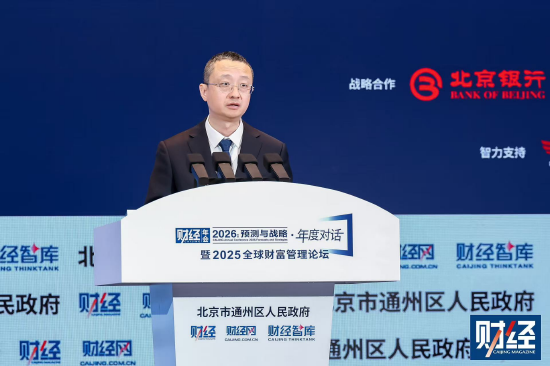
北京通州区委书记李俊杰:着力把副中心建设成为首都金融业新的增长极
Xin Lang Cai Jing· 2025-12-18 02:44
Core Insights - The 2026 Financial Annual Conference and 2025 Global Wealth Management Forum will be held in Beijing from December 18-20, 2025, highlighting the city's rapid development and investment scale [2][7] - The financial sector's value added has consistently accounted for around 10% of GDP over the past five years, indicating its crucial role in economic development [2][7] - The establishment of the Beijing Green Exchange aims to facilitate national greenhouse gas resource reduction trading, with a total of 113 million tons of carbon emission rights traded [2][8] Investment and Economic Development - The Beijing sub-center has maintained an annual investment scale of over 100 billion, with significant projects like Universal Studios and the comprehensive transportation hub completed, boosting economic strength and public engagement [2][7] - The focus on green finance and sustainable financial practices is being accelerated, with over 70% of registered financial institutions serving as regional headquarters or legal entities [2][8] Policy and Market Environment - The recent Central Economic Conference has bolstered market confidence, signaling a positive outlook for economic stability and growth, which is expected to create a favorable environment for the financial sector [3][8] - The government plans to enhance policy incentives and promote resource allocation reforms to stimulate market activity and foster a robust ecosystem centered on wealth management, green finance, and financial technology [3][8]
马明龙主持召开地市级老领导座谈会 征求对镇江“十五五”发展规划的意见建议
Zhen Jiang Ri Bao· 2025-11-26 23:50
Core Points - The meeting focused on soliciting opinions and suggestions for the "15th Five-Year Plan" of Zhenjiang, emphasizing the importance of incorporating feedback from experienced leaders [1][2][3] - The achievements during the "14th Five-Year Plan" were acknowledged, attributing success to collective efforts and guidance from Xi Jinping's leadership [2][3] - The "15th Five-Year Plan" is seen as a critical period for Zhenjiang to solidify the foundation for socialist modernization and accelerate high-quality development [2] Summary by Sections - **Meeting Overview** - The meeting was chaired by Mayor Ma Minglong and aimed at gathering insights for the upcoming development plan [1] - Former leaders provided positive feedback on past achievements and offered suggestions for future planning [1] - **Strategic Focus for "15th Five-Year Plan"** - The plan will prioritize confidence, resilience, and a commitment to a unified vision [2] - Emphasis on enhancing industrial strength, promoting technological and industrial innovation, and integrating into regional development [2] - **Role of Former Leaders** - Former leaders are recognized as valuable resources for their wisdom and experience [3] - The city government aims to honor their contributions and ensure their well-being in retirement [3]
马明龙研究推进要素市场化配置综合改革试点工作 自觉把“必答题”回答好答出彩 为城市长远发展赢得战略主动
Zhen Jiang Ri Bao· 2025-10-25 00:22
Core Viewpoint - The meeting led by Mayor Ma Minglong emphasizes the importance of advancing the pilot reform of market-oriented allocation of factors, aligning with the central government's directives and local development needs [1][2]. Group 1: Reform Significance - The pilot reform is recognized as a significant strategic task assigned to key cities in southern Jiangsu by the central government, serving as a strategic pivot for Zhenjiang's transformation and development during the 14th Five-Year Plan period [1]. - The reform aims to enhance political awareness and ensure that all measures align with central policies, provincial requirements, and local realities, showcasing political responsibility through effective reforms [1]. Group 2: Key Focus Areas - There is a strong emphasis on enhancing opportunity awareness, addressing institutional bottlenecks, and leveraging the market's decisive role in resource allocation [2]. - The reform seeks to activate dormant resources and explore new pathways for efficient allocation of various factors, focusing on innovation to accelerate the transformation of new factors into new productive forces [2]. Group 3: Local Characteristics and Collaboration - The approach will be tailored to Zhenjiang's existing resource endowments and practical economic issues, aiming to create distinctive reform outcomes that reflect local characteristics [2]. - The strategy includes strengthening internal collaboration, enhancing regional cooperation, and establishing cross-regional resource-sharing mechanisms to promote high-quality regional integration [2].
广州营商环境改革八年“三级跳”
Guang Zhou Ri Bao· 2025-10-15 01:59
Core Viewpoint - Guangzhou is implementing a comprehensive reform of its business environment, focusing on a "12218" modern industrial system to enhance the city's economic competitiveness and attract more enterprises [1][5]. Group 1: Reform Stages - The reform has undergone three significant phases: starting from "indicator-based" reforms in 2018, moving to "factor-based" reforms in 2022, and now entering the "industry-based" reform phase in 2024 [2][4]. - The initial phase focused on simplifying administrative processes, reducing approval times, and enhancing efficiency, achieving a reduction in business registration time to half a day [2][4]. - The current "industry-based" reform aims to tailor the business environment to specific industries, breaking down resource barriers and fostering high-quality industrial development [5][4]. Group 2: Key Achievements - As of January to August 2025, Guangzhou registered 565,800 new market entities, marking a year-on-year increase of 62.55%, leading among six pilot cities for business environment innovation [1]. - The city has established itself as a hub for strategic industries, particularly in smart connected and new energy vehicles, with a three-year action plan to enhance these sectors [5][6]. - The introduction of high-precision mapping for autonomous driving has significantly reduced approval times by over 80%, facilitating the operation of 110 autonomous taxis [6]. Group 3: Institutional Innovations - Guangzhou is leveraging market-oriented reforms and service industry expansion to enhance the flow of resources and stimulate market vitality [8]. - The city has introduced 31 measures to improve land use efficiency, allowing startups to "rent before buying" and offering flexible land supply options [8]. - New standards for live-streaming e-commerce have been established, providing regulatory guidance and fostering a supportive environment for this emerging sector [9]. Group 4: Cost Reduction and Support - The city has implemented a multi-layered financial support system, including a 10 billion yuan angel fund to encourage early-stage investments in technology [10]. - Measures to streamline administrative processes have resulted in an 81% reduction in the number of trips required for businesses to complete necessary procedures [10]. - Cross-border research material facilitation measures have improved customs efficiency for innovation-related imports by over 50% [11]. Group 5: Overall Impact - The cumulative reforms have led to a total of over 4 million market entities in Guangzhou, positioning the city as the third-largest in terms of market vitality among Chinese cities [11].
广深莞地铁密集“上新”,跨市轨交重塑大湾区
第一财经· 2025-09-29 10:12
Core Viewpoint - The article highlights the rapid expansion of the rail transit network in the Guangdong-Hong Kong-Macao Greater Bay Area, emphasizing its role in enhancing regional connectivity and reshaping urban and industrial landscapes [3][12]. Summary by Sections Shenzhen Metro Development - As of September 28, 2023, Shenzhen's metro system has reached an operational mileage of 609.6 kilometers, ranking fifth nationally, with a network density of 0.305 kilometers per square kilometer, the highest among mainland cities [5][6]. - The metro system has seen a significant increase in passenger volume, with a daily average of 8.95 million trips from January to August 2023, marking a 7.1% year-on-year growth [6][7]. - The surge in ridership is attributed to a growing resident population, which reached 22.38 million by the end of 2024, and the opening of new transit routes enhancing cross-border travel [7][8]. Greater Bay Area Rail Network Expansion - The article discusses the ongoing construction of multiple rail lines connecting Shenzhen with Dongguan and Huizhou, facilitating seamless transit across the Greater Bay Area [9][10]. - The opening of new metro lines in Guangzhou and Dongguan is expected to significantly improve intercity connectivity, transforming the region's transportation landscape [10][11]. - The integration of rail systems is projected to lower commuting costs and time, enhancing the movement of talent, technology, and capital within the Greater Bay Area [12][14]. Economic and Industrial Implications - The expansion of the rail network is anticipated to reshape the industrial and population distribution in the Greater Bay Area, fostering a more integrated economic environment [12][14]. - The connectivity between Shenzhen, Dongguan, and Huizhou is expected to facilitate a "same-city life" experience for residents, while also promoting industrial collaboration among neighboring cities [14]. - The article notes that the development of the rail network aligns with broader reforms aimed at improving the efficiency of resource allocation across various sectors in the Greater Bay Area [14].