
隐私权

Search documents
怀疑自己被偷拍可以查看对方手机吗?央视科普合理合法维权方式
Xin Lang Cai Jing· 2025-11-30 07:21
Core Viewpoint - The article discusses the legal rights and appropriate actions individuals can take if they suspect they are being secretly filmed, emphasizing the importance of protecting personal rights and following legal procedures [1]. Group 1: Legal Rights - Being secretly filmed constitutes an infringement of personal rights, as laws protect citizens' portrait rights and privacy rights under the Civil Code [4]. - Individuals have the right to privacy, and no organization or person may infringe upon another's privacy through spying, intrusion, or disclosure without consent [5]. Group 2: Actions to Take - Individuals cannot forcibly check another person's phone, as this would violate privacy rights and could lead to legal consequences [5][6]. - If someone is suspected of filming without consent, the correct approach is to loudly warn the individual and alert nearby authorities, ensuring personal safety while gathering evidence [8]. - It is advised to call the police immediately, providing clear details about the situation and the suspect to facilitate a swift response [8][12]. Group 3: Consequences of Misunderstanding - If an individual mistakenly accuses someone of filming without evidence, they may face civil liability for defamation and could be required to apologize or compensate for damages [10]. - Actions that disturb public order or lead to other consequences may also result in administrative penalties [10].


取款被查流水 银行涉嫌侵犯个人隐私
Nan Fang Du Shi Bao· 2025-11-16 23:07
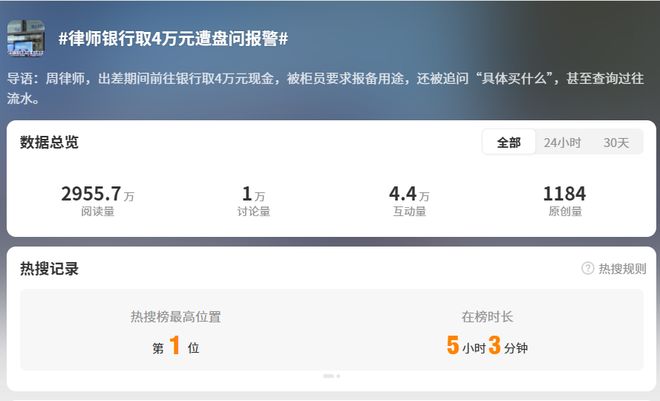
Core Viewpoint - The incident involving a bank questioning a customer about a withdrawal of 40,000 yuan has sparked widespread discussion regarding potential violations of personal privacy and the legality of banks accessing customer transaction histories [2][3]. Group 1: Legal Implications - Multiple lawyers have indicated that the bank's actions may violate the "necessity principle" outlined in the Personal Information Protection Law, suggesting that the inquiry into the customer's transaction history was excessive [3][4]. - The definition of sensitive personal information includes bank account information, which is categorized as sensitive due to the potential harm that could arise from its unauthorized disclosure [3][4]. Group 2: Bank's Responsibilities - According to the Banking Financial Institutions' Personal Financial Information Protection Management Measures, banks are prohibited from querying, using, or disclosing customer financial information beyond necessary limits [4]. - Legal experts assert that banks can only access personal account transaction information under specific conditions, such as obtaining the account holder's consent, fulfilling legal obligations, or for internal risk management purposes [5]. Group 3: Customer Rights and Actions - Customers have the right to report unauthorized access to their transaction histories to higher authorities or take legal action if they suffer financial or reputational damage due to such breaches [5]. - Some legal professionals argue that while banks may need to conduct inquiries for social governance, they should balance the means and ends of such actions to avoid overstepping privacy boundaries [5].

取款被查流水,银行算侵犯个人隐私吗?律师:或违反个保法
Nan Fang Du Shi Bao· 2025-11-14 09:40
Core Viewpoint - The incident involving a bank questioning a customer withdrawing 40,000 yuan has sparked widespread discussion regarding potential violations of personal privacy and the necessity principle under the Personal Information Protection Law [1][2]. Group 1: Legal Perspectives - Multiple lawyers have indicated that the bank's actions may violate the "necessity principle" outlined in the Personal Information Protection Law, suggesting that the inquiry into the customer's transaction history was excessive [2][4]. - The definition of sensitive personal information includes bank account information, which is categorized as sensitive due to the potential harm from its unauthorized disclosure [2][3]. - Legal experts emphasize that banks must adhere to strict guidelines when accessing personal account information, which should only occur under specific circumstances such as customer consent or legal obligations [4][3]. Group 2: Implications for Banking Practices - The incident highlights the need for banks to enhance employee training regarding the protection of customer personal information and privacy rights [3][4]. - There is a call for banks to reflect on and adjust their standards and practices concerning the querying of customer transaction histories, balancing social governance needs with individual privacy rights [4].
“家人一举一动都被拍着,听说画面被转发了”!上海一女子将邻居告上法庭
Huan Qiu Wang· 2025-10-13 09:41
Core Viewpoint - The increasing use of security devices with camera functions, such as electronic cat eyes and electronic door locks, has raised privacy concerns among neighbors, highlighting the tension between safety and privacy rights [1]. Group 1: Case Background - A resident in Shanghai, Ms. Zhao, expressed discomfort after her neighbor, Mr. Zhang, installed an electronic cat eye that captured footage of her family's daily activities [2]. - Mr. Zhang installed the device to prevent package theft, believing it would only record when someone approached at a low angle [2]. Group 2: Legal Proceedings - The relationship between the neighbors deteriorated as both parties held firm to their positions, leading to a court case initiated by Ms. Zhao to have the device removed [3]. - During the court session, the judge emphasized the importance of balancing safety and privacy rights, referencing the Civil Code of the People's Republic of China [4]. Group 3: Resolution - The judge facilitated a resolution by inspecting the camera's coverage area and addressing additional issues, such as the placement of shoe cabinets in shared spaces [4]. - Ultimately, both parties agreed to remove the electronic cat eye and reorganize their shoe cabinets to avoid occupying public space, leading to a reconciliation [4].
谁有权查看监控并公开罗永浩的行程和菜单?
Jing Ji Guan Cha Wang· 2025-09-13 08:48
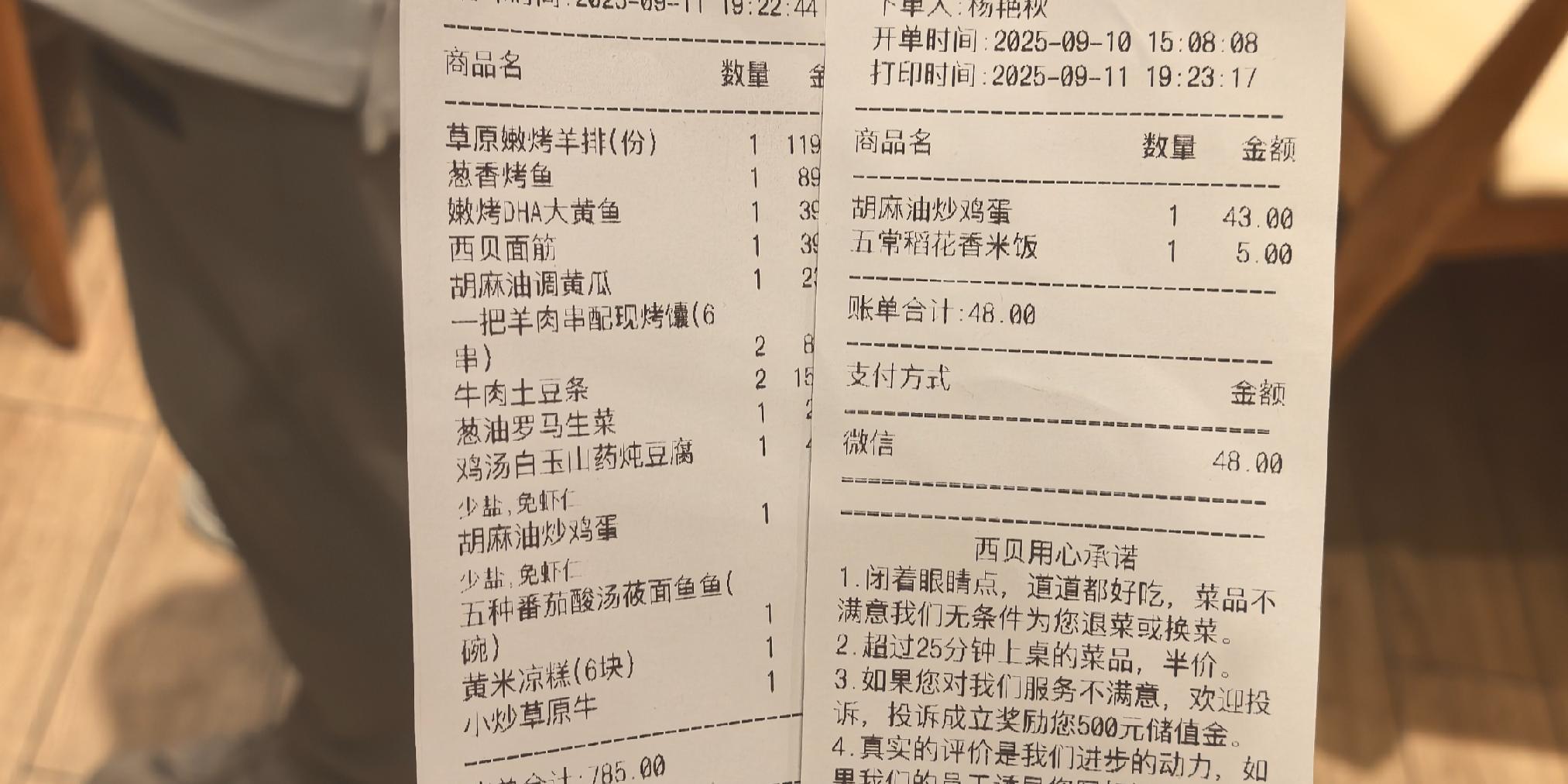
Core Viewpoint - The incident involving Luo Yonghao's criticism of Xibei's use of pre-prepared dishes has escalated into a privacy rights controversy, with Xibei's founder publicly disclosing details of Luo's dining experience, which has raised legal concerns regarding privacy and personal information rights [1][8][10]. Group 1: Incident Overview - Luo Yonghao criticized Xibei on social media for serving mostly pre-prepared dishes at high prices, which led to a public outcry [1]. - Xibei's founder, Jia Guolong, responded by revealing details of Luo's dining experience, including the menu and the total bill of 833 yuan for 16 dishes [1][5]. - The incident has drawn attention to the legal implications of disclosing customer information without consent, particularly regarding privacy rights [8][9]. Group 2: Legal Implications - Legal experts argue that Xibei's actions may violate the Personal Information Protection Law and the Civil Code, as the details disclosed are identifiable personal information [7][8]. - The law requires restaurants to provide clear signage indicating the presence of surveillance cameras, which Xibei may not have adequately done [6]. - The unauthorized use of Luo's name for the "Luo Yonghao Menu" could constitute a violation of his name rights, as it was done without his consent [10]. Group 3: Company Response - Xibei announced the launch of the "Luo Yonghao Menu" in all its stores, allowing customers to select dishes that Luo had ordered, although this has been met with criticism regarding privacy violations [9]. - The company has not yet publicly acknowledged the potential infringement of Luo's privacy and name rights as of the latest report [11].
“粉丝见面”女生被开除事件,到底谁在作恶?
Hu Xiu· 2025-07-16 01:51
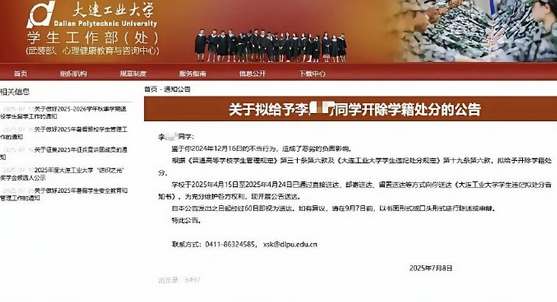
Group 1 - The incident involving a student from Dalian University of Technology and a retired Ukrainian esports player, Zeus, has sparked significant public outrage and debate regarding privacy, school regulations, and women's autonomy over their bodies [2][3][4]. - The university's announcement of the student's expulsion is seen as a complex issue that touches on individual rights versus collective reputation, and the balance between personal freedom and social norms [3][4]. - The university's decision to expel the student is based on the negative impact of her actions, which were deemed inappropriate, leading to a formal announcement of disciplinary action [4][6]. Group 2 - The announcement has been criticized for potentially violating the student's privacy rights, with some viewing it as public humiliation [5][6]. - Legal perspectives suggest that the university's actions, while controversial, may not constitute a violation of privacy, as the announcement serves to protect the student's rights by ensuring she is informed of the disciplinary process [7][8]. - The university's use of the term "expulsion" has been debated, with some arguing that it may have misapplied legal definitions, but the nature of the announcement allows for corrections in future communications [8][9]. Group 3 - The incident has raised questions about the moral implications of the student's behavior and the societal standards regarding sexual conduct, particularly in the context of relationships and fidelity [28][29]. - The discourse surrounding the incident reflects broader societal tensions regarding sexual liberation and conservatism, with various factions interpreting the university's actions differently [16][21]. - The media's role in amplifying the controversy has been criticized, with claims that sensationalist reporting has obscured the facts and contributed to public outrage [18][26]. Group 4 - The case highlights the challenges of establishing a consensus on ethical standards in society, particularly regarding personal autonomy and public morality [30][32]. - The need for a cohesive moral framework is emphasized, as the lack of shared values can lead to societal fragmentation and increased conflict [30][33]. - The incident serves as a reminder of the importance of addressing value conflicts in order to maintain social stability and cohesion [33].
解聘通知泄露个人信息,员工起诉获支持
Ren Min Wang· 2025-06-17 00:51
Core Viewpoint - The case highlights the importance of personal information protection in China, emphasizing that companies must adhere to legal standards when handling employee personal data [1][2][3] Group 1: Legal Framework - The implementation of the Personal Information Protection Law and the Civil Code has established a legal framework for personal information protection in China [1] - The Civil Code specifies that individuals have the right to privacy, and any organization or individual must not infringe upon this right through various means [2] - Personal information is defined broadly, including names, identification numbers, addresses, and other sensitive data that must be protected [2] Group 2: Case Details - The case involved a company that publicly posted an employee's personal information, including their ID number and address, which was deemed an infringement of privacy rights [1][2] - The employee, Zheng, sought a public apology and compensation for emotional distress due to the unauthorized disclosure of personal information [1][3] Group 3: Court Ruling - The court ruled that the company exceeded the necessary limits in using Zheng's personal information, constituting an infringement and requiring the company to issue a public apology [2][3] - The court did not support Zheng's claim for emotional distress compensation, citing the short duration and limited impact of the infringement [3] Group 4: Legal Guidance - Companies must follow the principles of legality, necessity, and appropriateness when handling personal information, ensuring minimal impact on individual rights [4] - It is advised that companies communicate sensitive information directly to employees and protect personal data from public disclosure [4] - Negative evaluations of employees should be factual and not harm their future employment opportunities, as this could lead to further legal issues [4]
美最高法院允许“政府效率部”获取社会保障署敏感数据
Zhong Guo Xin Wen Wang· 2025-06-06 23:25
Core Points - The U.S. Supreme Court ruled that the "Department of Efficiency" can access sensitive personal data from the Social Security Administration [1] - The ruling was supported by six conservative justices, while three liberal justices opposed it [1] - The Social Security Administration manages welfare programs and holds extensive personal information of the American public [1] Group 1: Legal Context - The lawsuit was brought by organizations including the American Federation of Teachers and the American Association of Retired Persons, claiming that accessing personal information infringes on privacy rights [1] - The Trump administration argued that the "Department of Efficiency" needs this information to address issues of fraud and waste within federal agencies [1] Group 2: Background on the Department of Efficiency - The "Department of Efficiency" was established by an executive order signed by Trump on January 20, aimed at significantly reducing federal spending and improving government efficiency [2] - The department has faced criticism for its information-gathering practices and large-scale layoffs since its inception [2] - Elon Musk officially stepped down from the "Department of Efficiency" on May 30 [2]