预制菜标准化

Search documents
预制菜亟需统一标准
Zheng Quan Shi Bao Wang· 2025-09-16 02:57
Group 1 - The core debate between Luo Yonghao and Xibei highlights the lack of standardized definitions and regulations in the prepared food industry, which is crucial for its healthy development [1][3] - The prepared food industry in China is projected to reach a market size of 485 billion yuan in 2024, with a year-on-year growth of 33.8%, and is expected to exceed 749 billion yuan by 2026 [1][2] - The industry serves as an important vehicle for the integration of agriculture and the catering sector, promoting agricultural efficiency and farmers' income [1] Group 2 - The prepared food industry faces challenges such as inconsistent standards, food safety concerns, and an incomplete regulatory framework, which demand higher quality and innovation from companies [2][3] - A draft national standard for food safety in prepared foods, led by the National Health Commission, is set to be publicly reviewed, which will clarify the identity of prepared foods and enforce mandatory disclosure for their use in restaurants [2] - The recent market response to the news of the upcoming standards has been positive, with significant stock price increases for related companies [2]
罗永浩与西贝之争折射预制菜亟需统一标准
Zheng Quan Shi Bao· 2025-09-15 18:40
Core Viewpoint - The debate between Luo Yonghao and Xibei highlights the issues within the rapidly growing prepared food industry in China, revealing both challenges and opportunities for healthy industry development [1][2]. Industry Growth - The prepared food industry in China is projected to reach a market size of 485 billion yuan in 2024, with a year-on-year growth of 33.8%, and is expected to exceed 749 billion yuan by 2026 [1]. - The industry plays a crucial role in integrating agriculture and promoting efficiency, increasing farmers' income, standardizing the catering industry, and meeting consumer demand for convenience [1]. Industry Challenges - The industry faces several challenges, including inconsistent standards, food safety concerns, and an incomplete regulatory framework [2]. - The debate over the definition and standards of prepared food reflects the lack of unified standards in the industry, which is essential for resolving misunderstandings [3]. Regulatory Developments - A draft of the "National Standard for Food Safety of Prepared Foods," led by the National Health Commission, has passed review and will soon seek public opinion, aiming to establish a unified definition and mandatory disclosure for the use of prepared foods in restaurants [2]. Market Response - Following the news of the upcoming national standards, related stocks in the prepared food sector saw significant gains, with companies like Delisi hitting the daily limit, and others like Tiankang Biological and Longda Meishi rising over 5% [2]. Quality and Consumer Trust - Quality is identified as the lifeline of the prepared food industry, with consumer anxiety over quality being a central issue. Companies must prioritize quality to gain market respect and consumer choice [3]. - The establishment of standards and transparency is crucial for the healthy development of the industry, enabling consumers to make informed choices and pushing companies to enhance product quality [3].



预制菜热议:便捷与健康的博弈,行业与消费的双向突围
Sou Hu Cai Jing· 2025-09-15 12:57
Core Insights - The article discusses the rapid growth and societal debate surrounding the pre-prepared meal industry in China, highlighting the tension between industrial efficiency and personalized culinary experiences [1][4]. Industry Overview - The pre-prepared meal market in China is projected to exceed 800 billion yuan by 2025, with a compound annual growth rate of over 20%, supported by nearly 70,000 companies across the entire supply chain from farm to table [4][5]. Consumer Concerns - Health Issues: Concerns about nutrient loss (30%-50% for sensitive vitamins) and the use of additives have led to skepticism about the safety of pre-prepared meals, with incidents of substandard ingredients damaging industry trust [5][6]. - Cultural Impact: The unique flavors and aromas associated with traditional cooking are often lost in pre-prepared meals, leading to consumer dissatisfaction and complaints about value [6][7]. - Information Asymmetry: A significant portion of consumers (68%) cannot distinguish between pre-prepared and freshly made meals, raising issues of transparency and consumer rights violations [7][8]. Industry Response - Standardization Efforts: National standards for pre-prepared meals are under final review, aiming to clarify ingredient sourcing and processing methods, with some companies already implementing labeling requirements [8][9]. - Technological Innovations: Companies are exploring advanced technologies to preserve flavors and nutrients, such as liquid nitrogen freezing and high-pressure sterilization, to enhance product quality [9][10]. - Consumer Education: There is a push for better consumer understanding of pre-prepared meals, with initiatives aimed at promoting informed choices and transparency in food sourcing [10][11]. Future Trends - The emergence of a new consumer base, particularly Generation Z, is reshaping the value of pre-prepared meals, transitioning from mere convenience to creative culinary tools [12]. - The ongoing evolution of pre-prepared meals reflects a broader cultural shift, balancing industrial efficiency with the preservation of culinary traditions and health standards [12].

刚刚,西贝致歉!A股“预制菜”,集体大涨!
券商中国· 2025-09-15 06:02
Core Viewpoint - The recent controversy surrounding pre-prepared dishes (pre-cooked meals) has led to significant movements in related stocks in the A-share market, highlighting the industry's potential for growth and the need for transparency and standardization in the sector [1][2][11]. Stock Movements - On September 15, several pre-prepared dish concept stocks saw notable increases, with Delisi hitting the daily limit, and other companies like Huifa Foods and Sanjiang Shopping also experiencing significant gains [1][2]. - The stock price movements were influenced by the ongoing public debate sparked by the conflict between Xibei Restaurant and Luo Yonghao regarding the use of pre-prepared dishes [2]. Industry Response - Xibei issued an apology acknowledging the gap between its production methods and customer expectations, committing to adjust its processing methods to enhance customer experience by moving more preparation to the storefront [2][11]. - The company plans to implement changes by October 1, 2025, including switching to non-GMO soybean oil for all dishes cooked with soybean oil [2]. Media Coverage - Major media outlets like People's Daily, Xinhua News Agency, and CCTV have published articles discussing the implications of the pre-prepared dish debate, emphasizing the importance of consumer rights and the need for clearer standards in the industry [11][12]. - The discussions raised critical questions about how to define pre-prepared dishes, reduce information asymmetry, and ensure quality while providing convenient services [11]. Regulatory Framework - In March 2024, a joint notice from several regulatory bodies will clarify the definition of pre-prepared dishes and outline safety regulations to promote high-quality development in the industry [12]. - The notice emphasizes the need for transparency in the use of pre-prepared dishes in restaurants, ensuring consumers are informed about what they are consuming [12]. Industry Growth Potential - According to Huaxin Securities, the pre-prepared dish industry in China is expected to grow significantly, with a projected revenue of 475.7 billion yuan by 2025, reflecting a compound annual growth rate (CAGR) of 19% from 2019 to 2022 [14]. - The per capita consumption of pre-prepared dishes has increased from 5.4 kg in 2013 to 9.1 kg in 2022, indicating room for growth compared to more mature markets [14]. - The industry is anticipated to undergo consolidation, with increased market concentration as competition stabilizes [14].



千万不要白白浪费一次危机!西贝事件应成为预制菜产业转型发展的新起点
Mei Ri Jing Ji Xin Wen· 2025-09-15 01:45
Core Viewpoint - The ongoing debate between Luo Yonghao and Xibei highlights the urgent need for standardization, transparency, and quality improvement in the prepared food industry, which is crucial for its healthy development [1][2][3][4][5][6] Group 1: Industry Context - The prepared food market in China is projected to exceed 600 billion yuan by 2025 and may reach a trillion yuan by 2026 [2] - The penetration rate of prepared food in chain restaurants has reached 80%, with 42% of takeout orders consisting of prepared dishes [2] Group 2: Standardization - Standardization is essential for establishing a unified language and rules within the prepared food sector, as the lack of standards leads to confusion among consumers and businesses [3] - A draft for the national food safety standards for prepared food is set to be publicly reviewed, which could help clarify the identity of prepared food [3] Group 3: Transparency - Transparency is vital for restoring consumer trust, as the lack of clear definitions and information about prepared food has led to consumer dissatisfaction [4] - Companies that openly disclose their food preparation methods, like Laoxiangji, have received positive feedback, indicating that transparency can enhance consumer confidence [4] Group 4: Quality - Quality is the core of the prepared food industry's survival, as consumer anxiety over quality issues has been a significant concern [5] - Prepared food must evolve from merely meeting basic needs to becoming a valued choice for consumers, necessitating a focus on safety, health, and quality [5] Group 5: Future Implications - The Xibei incident should serve as a catalyst for self-reform within the restaurant industry, promoting the prepared food sector's growth and maturity [6] - Companies that prioritize standardization and transparency are likely to gain market respect and consumer loyalty [6]
不要白白浪费一次危机!西贝事件应成为预制菜产业转型发展的新起点
Mei Ri Jing Ji Xin Wen· 2025-09-15 01:44
Core Viewpoint - The ongoing debate between Luo Yonghao and Xibei highlights the urgent need for standardization, transparency, and quality improvement in the prepared food industry, which is crucial for its healthy development [1][2][3][4][5][6] Group 1: Industry Context - The prepared food market in China is projected to exceed 600 billion yuan by 2025 and may reach a trillion yuan by 2026 [2] - The penetration rate of prepared food in chain restaurants has reached 80%, with 42% of takeout orders consisting of prepared dishes [2] Group 2: Standardization - Standardization is essential for establishing a common language and rules within the prepared food sector, as the lack of standards leads to confusion among consumers and businesses [3] - A draft for the national food safety standards for prepared food is set to be publicly reviewed, which could unify the definition and standards for prepared food [3] Group 3: Transparency - Transparency is vital for restoring consumer trust, as the lack of clear information about prepared food has led to consumer dissatisfaction [4] - Companies that openly disclose their food preparation processes, like Laoxiangji, have received positive feedback, indicating that transparency can enhance consumer confidence [4] Group 4: Quality - Quality is the core of the prepared food industry's survival, as consumer anxiety over quality issues has been a significant concern [5] - The industry must shift from being perceived as merely convenient to being recognized for safety, health, and quality, making quality a competitive advantage [5] Group 5: Future Implications - The Xibei incident should serve as a catalyst for self-reform within the restaurant industry, promoting the prepared food sector's evolution [6] - Legal standards should be established to ensure consumer rights, while companies that prioritize honesty and transparency will gain market respect [6]
预制菜,没有什么可遮遮掩掩的
Hu Xiu· 2025-09-14 09:55
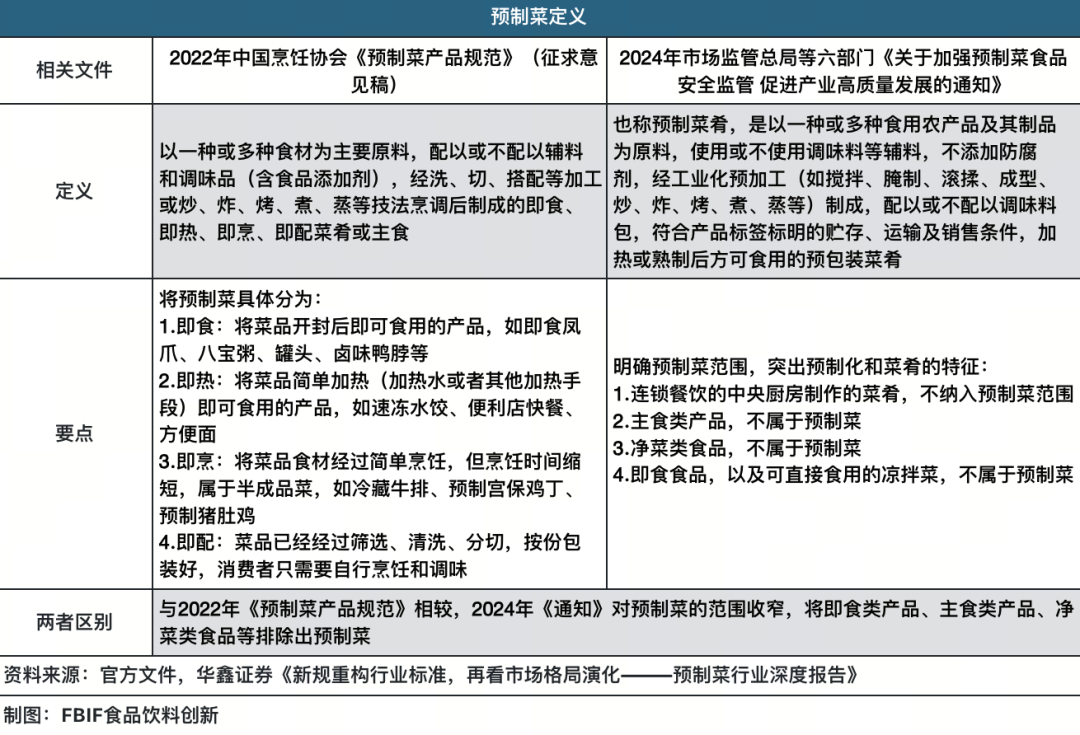
Core Viewpoint - The controversy between Luo Yonghao and Xibei has evolved from a debate about the use of pre-prepared dishes to a broader discussion on how to promote transparency in the pre-prepared food industry, including standards and public perception [1][4]. Industry Overview - The pre-prepared food market in China has seen significant growth, with the market size increasing from 244.5 billion yuan in 2019 to 516.5 billion yuan in 2023, reflecting an average annual growth rate of over 20%. However, a slight decline is expected in 2024, with a projected market size of 546.6 billion yuan, a year-on-year increase of 5.83% [3]. Historical Context - The concept of pre-prepared food was not initially aimed at end consumers. The industry began to take shape in the 1990s with the entry of fast-food chains like McDonald's and KFC into China, which introduced a model of fresh produce processing and distribution [5][6]. - The evolution of pre-prepared food products transitioned from raw to cooked, and from mixed to pre-prepared and ready-to-eat meals over the years [6][7]. Regulatory Developments - The term "pre-prepared food" was first mentioned in a 2016 document by the Ministry of Agriculture, which aimed to enhance the processing of agricultural products [8][9]. - In 2022, the China Culinary Association released a standard defining pre-prepared food, categorizing it into three types: ready-to-eat, ready-to-cook, and pre-cleaned vegetables [19]. - A joint notice issued in March 2024 by multiple government departments further clarified the definition of pre-prepared food, emphasizing that it should not include staple foods or ready-to-eat items [20][21]. Market Dynamics - The pre-prepared food industry is undergoing a transformation from quantity expansion to quality selection, with a notable decline in the registration growth rate of related companies from 683.8% in 2023 to 147.8% in 2024 [24]. - The market is characterized by a diverse range of companies, including those extending from upstream agricultural sectors to downstream pre-prepared food production, as well as specialized pre-prepared food enterprises [25][26]. Consumer Trends - Consumer acceptance of pre-prepared food is increasing, with 81% of consumers valuing convenience and time-saving aspects, while 33.5% appreciate the cost-effectiveness [47]. - The consumption of pre-prepared food in the restaurant sector accounts for approximately 64%, while retail accounts for about 36% [47]. Innovations and Challenges - The industry is leveraging technological advancements in preservation methods, such as low-temperature storage and rapid freezing, to eliminate the need for preservatives [47]. - The integration of pre-prepared food with central kitchen operations is becoming more prevalent, although there is a clear distinction between the two concepts [30][39].
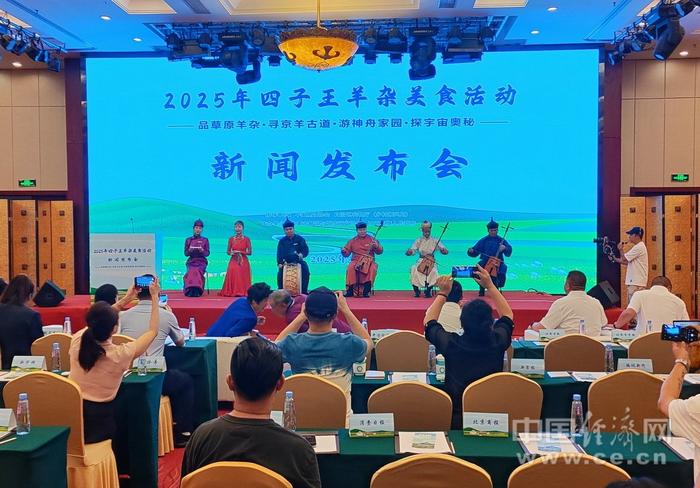
2025四子王羊杂美食活动将于8月举办世界烹羊大赛等15项活动
Zhong Guo Jing Ji Wang· 2025-07-21 05:18
Core Points - The 2025 Siziwang Banner Sheep Offal Food Festival will take place from August 2 to August 7, 2025, at the Gengentala Grassland Tourism Area in Inner Mongolia, featuring 15 main activities including an opening ceremony, a World Sheep Cooking Competition, and a Sheep Offal Industry Summit Forum [1][4] Group 1: Event Overview - The festival aims to promote the sheep offal industry through a comprehensive promotional matrix centered around food [1] - The event is guided by the China Cuisine Association and the Inner Mongolia Agricultural and Animal Husbandry Department, and is hosted by the Inner Mongolia Restaurant and Hotel Industry Association and the Siziwang Banner People's Government [4] Group 2: Partnerships and Collaborations - A cultural and tourism integration development framework agreement was signed between Beijing's Huairou District and Siziwang Banner, along with tourism market expansion cooperation agreements with several travel agencies [2] - Eleven local enterprises showcased regional specialty agricultural and livestock products during the event [2] Group 3: Industry Development - The festival will establish a "distinctive, complete, and competitive" pre-prepared dish industry system, promoting sheep offal as a culinary treasure of the grasslands [4] - The event will feature a World Sheep Cooking Competition with chefs from over 10 countries, highlighting diverse culinary cultures using local high-quality beef and lamb [5] Group 4: Cultural Promotion - The festival will introduce the "Shenzhou Grassland Food Tour" themed itinerary, connecting various resources to boost overall tourism consumption [5] - A photography competition will be held to promote grassland culture through visual arts [7] Group 5: Innovation and Health - The event will showcase over 60 innovative products from the first domestic intelligent sheep offal pre-prepared dish production line [7] - A health product development tasting event will explore the nutritional value of sheep offal from a "food and medicine sharing" perspective [7]