
预制菜标准化

Search documents
财经观察:预制菜能随“国标”加速出海吗?
Huan Qiu Shi Bao· 2026-02-10 22:53
Core Viewpoint - The release of the national food safety standard for pre-prepared dishes aims to address safety and nutritional concerns, responding to consumer demands and promoting the industry's healthy development [1][2]. Industry Growth - The pre-prepared dish market in China has grown from 244.5 billion yuan in 2019 to 516.5 billion yuan in 2023, with an average annual growth rate exceeding 20%. The market is expected to reach 546.6 billion yuan in 2024, reflecting a year-on-year growth of 5.83% [2]. - By 2025, the domestic market size is projected to exceed 600 billion yuan, with potential to reach one trillion yuan by 2026 [2]. Definition and Standards - Pre-prepared dishes are defined as packaged meals made from one or more food products, processed industrially without preservatives, and requiring heating before consumption. The standard excludes staple foods, fresh-cut vegetables, ready-to-eat foods, and dishes made in central kitchens [3]. - The introduction of these standards is seen as a significant step towards addressing previous criticisms of the pre-prepared dish industry, providing a regulatory framework for healthy and orderly development [4]. Consumer Trust and Safety - The new standards prohibit preservatives and strictly limit additives, addressing consumer safety concerns and enhancing transparency regarding the preparation of pre-prepared dishes [4][10]. - The implementation of these standards is expected to shift the market focus from price competition to value competition, allowing prices to better reflect safety and quality [4]. Export Opportunities - China's pre-prepared dish exports have surged, with figures rising from approximately 3 billion USD in 2022 to 4 billion USD in 2023, and projected to exceed 7 billion USD in 2024. Key markets include Japan and South Korea [8]. - The Southeast Asian market is anticipated to grow at an annual rate of 55%, while the Middle East market could reach 8 billion USD by 2030 [8]. Challenges and Recommendations - The industry faces challenges in local adaptation and compliance with food safety standards in overseas markets, as well as a lack of consumer awareness regarding Chinese pre-prepared dishes [9]. - Experts suggest that improving flavor restoration and leveraging modern food technology will be crucial for enhancing the competitiveness of Chinese pre-prepared dishes in international markets [9].
如何保证安全和营养?预制菜将迎首个国家标准
Jiang Nan Shi Bao· 2026-02-09 23:05
Core Viewpoint - The rapid development of industrialized, standardized, and large-scale production of pre-prepared dishes has raised public concerns regarding their safety and nutritional quality, leading to the release of a draft national food safety standard for pre-prepared dishes by the National Health Commission of China [1][2] Group 1: Definition and Scope of Pre-prepared Dishes - The standard clarifies that pre-prepared dishes do not include staple foods, washed vegetables, ready-to-eat foods, or dishes made in central kitchens [1] - Pre-prepared dishes must exhibit characteristics of cooked dishes and undergo industrial pre-processing, thus excluding simply washed or cut vegetables [1] - The standard specifies that pre-prepared dishes should require heating or cooking before consumption, excluding ready-to-eat products [1] Group 2: Quality and Safety Standards - The standard includes provisions for the shelf life of pre-prepared dishes, emphasizing the need to consider various factors to ensure safety and nutritional quality [2] - Companies are encouraged to optimize production processes and storage methods to enhance flavor and quality, with a maximum shelf life of 12 months [2] - The standard promotes the use of advanced technologies to retain nutritional components and reduce nutrient loss, while also advocating for balanced nutrition in dishes [2] Group 3: Nutritional Guidelines - Companies are encouraged to control the amounts of cooking oil, salt, and sugar during processing to meet consumer demands for reduced oil, salt, and sugar [2] - The standard advocates for the use of preservation technologies such as modified atmosphere packaging and non-thermal processing to maintain nutritional and flavor stability [2]
2月9日证券之星午间消息汇总:事关并购重组!20家A股公司公告
Sou Hu Cai Jing· 2026-02-09 03:53
Macro News - The central bank conducted a net injection of 38 billion yuan through a 1,130 billion yuan reverse repurchase operation at an interest rate of 1.40%, maintaining the previous rate. This was due to 750 billion yuan of reverse repos maturing today [1] Industry News - A total of 20 A-share listed companies disclosed the latest announcements regarding mergers and acquisitions during the week of February 2 to February 8, including companies like Yongtai Technology, Ruili Kemi, and Longyun Co., among others [4] - The Chinese gaming industry is projected to reach a record revenue of 350.79 billion yuan by the end of 2025, marking a year-on-year growth of 7.68%. The user base is expected to grow by 1.35% to 683 million, driven by high-quality blockbuster products [5] - Several express delivery companies, including China Post and SF Express, announced they will operate during the Spring Festival, although some will charge a "resource adjustment fee" due to increased operational costs [6] Sector Insights - CITIC Securities reported that demand for space photovoltaic technology is expected to see exponential growth, with leading Chinese photovoltaic equipment manufacturers likely to enter the supply chains of companies like Tesla and SpaceX, potentially leading to significant orders and new growth opportunities [7] - Huatai Securities noted that the release of the draft national food safety standards for prepared dishes marks a transition for the industry from unregulated growth to a more standardized phase, which is expected to enhance the industry's healthy development [8] - China International Capital Corporation indicated that commodities are benefiting from global capital diversification, with current valuations in energy and chemicals at relatively low levels. Despite short-term volatility, the structural demand driven by AI expansion and energy transition remains unchanged, suggesting that the structural market for commodities may not be over [8]
到底啥算预制菜?官方首次明确:冷冻西蓝花、中央厨房菜肴都不算
Xin Lang Cai Jing· 2026-02-06 14:48
Core Viewpoint - The release of the draft national standard for prepared dishes by the National Health Commission marks a significant step in defining and regulating the prepared dish industry, which is valued at over 100 billion yuan, aiming to enhance food safety and quality standards [1]. Group 1: Definition and Scope of Prepared Dishes - The standard clearly defines prepared dishes as products made from one or more food agricultural products, processed industrially without preservatives, and requiring heating or cooking before consumption [5][6]. - Certain food categories are explicitly excluded from the definition of prepared dishes, including staple foods, cleaned vegetables, ready-to-eat foods, and dishes made in central kitchens [6][7]. Group 2: Safety and Quality Regulations - A notable regulation prohibits the addition of preservatives in the production of prepared dishes, addressing consumer concerns about safety [8]. - The standard sets strict limits on various food safety indicators, including heavy metals and pathogenic microorganisms, with specific thresholds for different product types [9]. Group 3: Nutritional and Shelf Life Considerations - The standard encourages the preservation of nutritional value and flavor through improved processing techniques and limits on the use of cooking oil, salt, and sugar [10]. - It mandates that the maximum shelf life of prepared dishes should not exceed 12 months, promoting freshness and quality [10]. Group 4: Industry Implications - The introduction of this standard is expected to drive the industry from a phase of rapid expansion to one focused on safety, quality, and health as core competitive advantages [11]. - The standard aims to guide the industry towards innovation in processing and technology to meet evolving consumer demands [11].

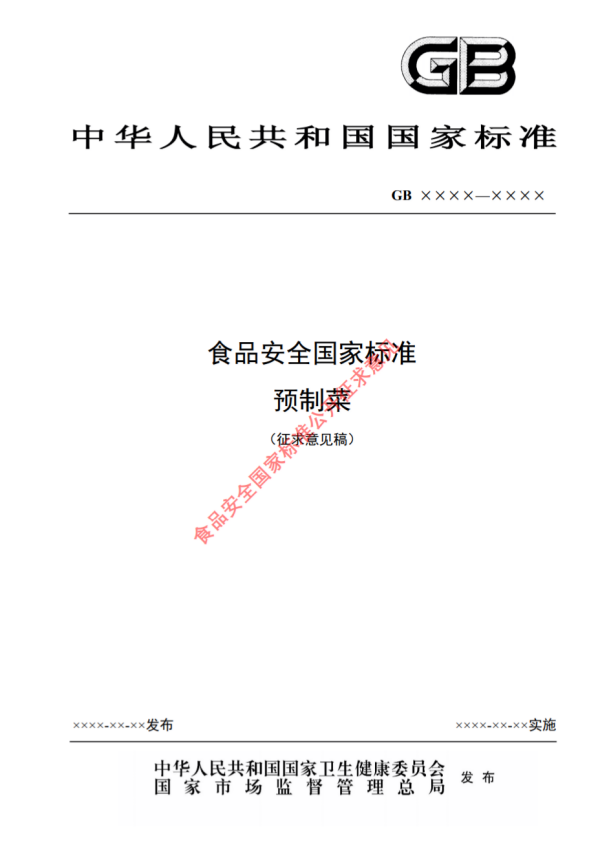
新华时评丨预制菜“国标”推动行业规范发展
Xin Hua Wang· 2026-02-06 08:53
Core Viewpoint - The recent focus on pre-prepared meals (pre-made dishes) highlights consumer demands for improved product and service quality, as well as the urgent need for regulatory development in the industry [1] Group 1: Industry Standards and Regulations - The Chinese government is seeking public opinions on national standards for pre-prepared meals, focusing on raw material risk control, food additives, and nutritional quality [1][2] - Establishing unified national standards will clarify boundaries for enterprises and provide strong support for the healthy and long-term development of the industry [2] - Safety is emphasized as a non-negotiable baseline, prohibiting the addition of preservatives and ensuring the traceability of raw materials [2] Group 2: Consumer Trust and Transparency - Transparency is crucial for building consumer trust in the pre-prepared meal industry, with consumers expressing a desire for restaurants to disclose whether they use pre-prepared dishes [2] - The government encourages restaurants to voluntarily indicate the processing methods of their dishes, respecting consumer rights to information and choice [2][3] Group 3: Sustainable Development and Collaboration - The sustainable development of the pre-prepared meal industry relies on scientific decision-making based on thorough research and public feedback [3] - A collaborative approach involving consumers, industry enterprises, and government departments is necessary to address the evolving market demands and ensure safe, healthy, and satisfying food options [3]
预制菜将迎首个国标
Xin Lang Cai Jing· 2026-02-06 08:23
Group 1 - The National Health Commission is seeking public opinions on the national food safety standards for prepared dishes, focusing on food safety and nutritional health, defining prepared dishes and their ingredients, food additives, production processes, nutritional quality, packaging, labeling, and product specifications [3][9]. - The State Administration for Market Regulation is also soliciting public opinions on the terminology and classification standards for prepared dishes, which will help differentiate various categories of prepared dishes and guide the high-quality development of the industry [5][11]. - The State Council's Food Safety Office, along with the Market Regulation Administration and the Ministry of Commerce, is promoting an announcement to encourage transparency in the catering sector, enhancing consumer rights to information and improving service quality [7][13].
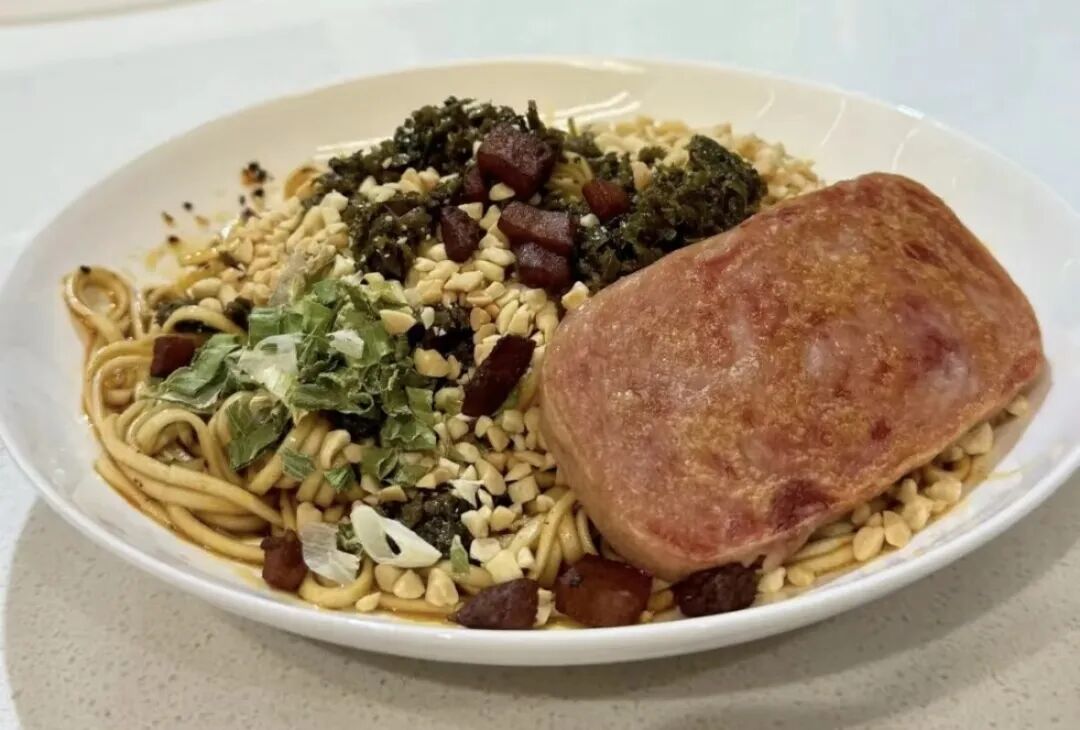
2块钱一餐,“禁止新鲜肉菜”,他开的预制餐厅没人反对
3 6 Ke· 2025-11-14 10:19
Core Insights - The article discusses a unique small restaurant in Chengdu that exclusively sells pre-packaged and semi-finished foods, challenging the prevailing negative perceptions of pre-prepared meals in the industry [5][10][20] - The owner, Ge Shixian, views the establishment as an experiment rather than a profit-driven business, aiming to explore consumer attitudes towards industrial food and pre-prepared meals [5][14][20] Summary by Sections Restaurant Concept - The restaurant operates for only three hours a day, offering items like hot dry noodles for 2 yuan and the most expensive dish for 13 yuan, attracting a loyal customer base [5][14] - Ge Shixian, the owner, identifies as an "industrial food blogger" and has a background in food processing, which informs his approach to the restaurant [3][10] Industry Trends - The restaurant serves as a microcosm for observing trends in the food industry, particularly the growing acceptance of pre-prepared meals among younger consumers [5][16] - A survey by the China Hotel Association indicates that 61.5% of respondents are willing to frequently purchase pre-prepared meals, a significant increase from previous years [16][20] Consumer Perception - Ge Shixian has developed methods to distinguish between freshly made and pre-prepared dishes, suggesting that poor taste may often be associated with freshly cooked meals due to a lack of culinary skill [7][10] - The article highlights a shift in consumer attitudes, with younger generations showing a natural acceptance of industrial food products, provided they are affordable and of good quality [16][20] Market Growth - The pre-prepared food market in China reached 361.6 billion yuan in 2023, with an annual growth rate of 20%-35%, projected to reach 749 billion yuan by 2026 [20] - The increasing standardization and transparency in food production processes are reshaping Chinese dining culture and consumer preferences [20]
同样是预制菜,预制菜之王萨莉亚为什么没人骂?
Xi Niu Cai Jing· 2025-09-23 07:17
Core Viewpoint - The pre-prepared food industry is currently facing scrutiny, with many dining enterprises distancing themselves from it due to negative consumer perceptions associated with freshness and healthiness [2] Group 1: Company Performance - Salvia, a Japanese chain Italian restaurant brand, reported a sales revenue of 188.339 billion yen for the first three quarters of the fiscal year 2024, representing a year-on-year growth of 15.4% [4] - The company achieved a net profit of 7.7 billion yen, with a year-on-year increase of over 50% [4] Group 2: Market Dynamics - Despite the controversy surrounding pre-prepared food, Salvia appears to be largely unaffected, possibly due to its affordable pricing strategy [3] - The negative perception of pre-prepared food among consumers is partly linked to high prices and quality mismatches, as well as the use of frozen meal packages [3] - Salvia employs a transparent approach by allowing customers to see the preparation process in some locations, which may enhance consumer trust [3] Group 3: Industry Trends - The pre-prepared food market has experienced rapid growth in recent years, but has also faced issues of consumer distrust due to low entry barriers leading to unregulated growth [4] - As market regulation tightens, the industry may undergo a new round of reshuffling, favoring leading brands and pushing dining enterprises towards more transparent practices regarding pre-prepared food [5]
预制菜国标加快制定中
Sou Hu Cai Jing· 2025-09-22 12:39
Core Viewpoint - The article emphasizes the urgent need for transparency in the pre-prepared food industry in China, highlighting the lack of internal motivation among companies and the necessity for mandatory national standards to protect consumer rights and choices [3][4][5]. Group 1: Current Situation and Standards - The State Council's Food Safety Office is accelerating the development of national standards for pre-prepared foods due to rising public concern, particularly following a public dispute involving a well-known figure and a restaurant chain [3][4]. - Currently, there are no national standards for pre-prepared foods in China, although various industry and local standards exist, which lack the enforcement power of national regulations [3][4][8]. - The definition of pre-prepared foods has been clarified by the National Market Supervision Administration, but there are no mandatory labeling requirements for restaurants regarding their use of such foods [4][8]. Group 2: Industry Dynamics and Consumer Perception - The restaurant industry in China is experiencing significant growth in chain operations, with the chain rate increasing from 12.8% in 2018 to 23% in 2024, driven by advancements in supply chain technologies [5]. - Consumers are increasingly confused about pre-prepared foods, often associating higher prices with freshly made dishes, leading to skepticism about the value of pre-prepared options [5][6]. - The blurred lines between "freshly made" and "pre-prepared" foods have created a need for clear national standards to restore consumer trust and address industry chaos [4][5]. Group 3: Challenges and Recommendations - There is a lack of proactive transparency among pre-prepared food companies, with few voluntarily disclosing their use of such products, as it is seen as a burden without clear consumer benefits [4][8]. - The complexity of the supply chain for pre-prepared foods, from sourcing to consumption, lacks unified management, complicating the establishment of standards [8]. - Experts suggest that third-party oversight and legislative measures are necessary to improve transparency and safety in the pre-prepared food sector, with a national standard expected to clarify the identity and usage of pre-prepared foods [8].


预制菜新国标来了!罗永浩“手撕”西贝背后6000亿市场将洗牌
2 1 Shi Ji Jing Ji Bao Dao· 2025-09-17 11:12
Group 1 - The core issue surrounding the controversy over pre-prepared meals is not whether they should be used, but rather if consumers' rights to information and choice are being respected [1][2] - Research indicates that over 50% of consumers in fast food chains are open to pre-prepared meals, while only 8.8% in high-end restaurants are accepting, highlighting that the issue lies in the consumption context rather than the product itself [1][2] - The pre-prepared meal market in China is projected to reach 485 billion yuan in 2024 and exceed 617.3 billion yuan by 2025, indicating a rapidly growing market with over 30 listed companies in the A-share market [2] Group 2 - The main problem with pre-prepared meals is the lack of transparency, as there are currently no standardized regulations governing the raw materials, processing, and logistics involved [2] - A draft national standard for food safety regarding pre-prepared meals has passed review and will soon seek public opinion, which is expected to enhance industry transparency and lead to a significant reshaping of the market [2] - The emergence of pre-prepared meals is seen as a necessary evolution in the modern dining industry, addressing efficiency issues while highlighting the need for trust and transparency in the sector [2][3]