
民族复兴

Search documents
黄坤明走访慰问驻粤部队官兵
Nan Fang Ri Bao Wang Luo Ban· 2025-07-29 02:01
Core Points - The visit by Huang Kunming to the armed forces in Guangdong highlights the importance of military support for national security and development [1][2] - The emphasis on the military's role in safeguarding national sovereignty and contributing to local development initiatives reflects a strategic alignment with national modernization goals [2] Group 1 - The visit aimed to express gratitude to the armed forces for their contributions to Guangdong's reform and development [1] - Huang Kunming acknowledged the military's commitment to loyalty and readiness in the face of challenges, reinforcing the importance of military training and preparedness [2] - The call for the military to actively participate in local development projects indicates a push for integration between military efforts and regional growth [2] Group 2 - The provincial government pledges ongoing support for national defense and military modernization, emphasizing the importance of military-civilian unity [2] - The historical context of the visit, marking significant anniversaries, serves to remind the military of its legacy and responsibilities [2] - The focus on enhancing military capabilities aligns with broader national objectives, including the promotion of high-quality development in Guangdong [2]
学有所悟丨树牢正确权力观政绩观事业观
Zhong Yang Ji Wei Guo Jia Jian Wei Wang Zhan· 2025-07-24 00:44
Group 1: Core Views - The emphasis on establishing a correct view of power, performance, and career among party members and officials is crucial for promoting a service-oriented governance approach [1][3] - The concept of power is defined as being granted by the people and must be used for their benefit, highlighting the responsibility of officials to serve the public and accept supervision [2][3] Group 2: Performance Perspective - The correct view of performance prioritizes benefiting the people as the most important achievement, with the number of good deeds done for the public serving as a key measure of success [4][5] - Officials are encouraged to adopt a mindset of "success does not have to be attributed to me" while also taking historical responsibility for their actions [4][5] Group 3: Career Perspective - The party's work must focus on the well-being of the people, with a correct career perspective emphasizing the primacy of the party's cause and the interests of the people [6][7] - Officials are urged to engage deeply with the public to understand their needs and to prioritize solving their problems in decision-making processes [6][7]
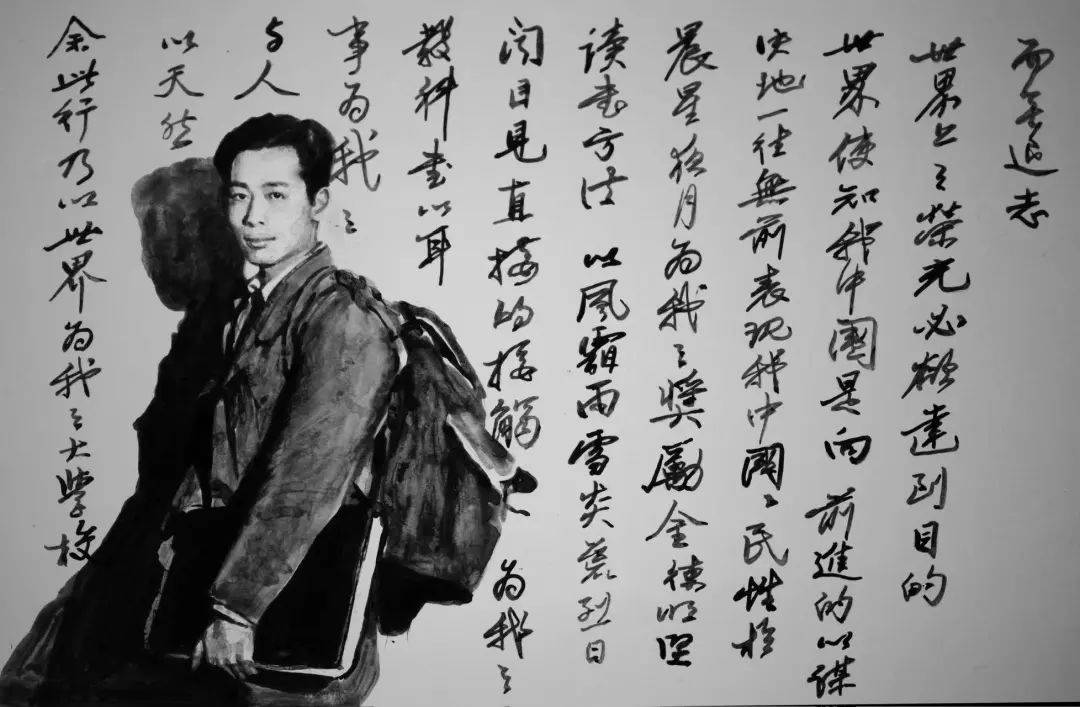
徒步环游世界第一人:中国青年潘德明经历了什么奇幻冒险?
Hu Xiu· 2025-07-21 09:23
Core Viewpoint - The article narrates the adventurous journey of Pan Deming, a young man from Huzhou, who undertook a world tour on foot during the 1930s, reflecting the spirit of exploration and the quest for national dignity amidst a tumultuous historical backdrop in China. Group 1: Background and Motivation - In the 1930s, China faced significant challenges, including natural disasters and foreign aggression, leading to a sense of oppression and humiliation among its people [1][2]. - The New Culture Movement inspired many to seek knowledge and change their destinies, with travel becoming a popular pursuit among intellectuals [2]. - Pan Deming, motivated by a desire to explore and equipped with skills in tailoring and cooking, set out to travel the world despite his modest background [3][6]. Group 2: The Journey Begins - In the summer of 1930, Pan was inspired by the "Chinese Youth Asia Walking Group," which aimed to explore various cultures and document their findings [7][8]. - The walking group's declaration resonated with Pan, igniting his long-held desire to travel and contribute to the national spirit [9][10]. - After selling his restaurant, Pan joined the walking group, which initially consisted of seven members but later dwindled to three due to various challenges [12][13]. Group 3: Challenges and Experiences - The journey was fraught with difficulties, including harsh living conditions and disagreements among team members regarding their goals [15][17]. - Pan eventually left the walking group to pursue his own path, acquiring a bicycle and camera to document his travels [18]. - His travels took him through various countries, including India, Egypt, and several European nations, where he met notable figures and gained insights into international politics [20][22][25]. Group 4: Recognition and Impact - Pan's journey garnered significant media attention, making him a prominent figure and earning him respect from foreign dignitaries, including Gandhi and Roosevelt [25][27]. - Despite the accolades, Pan recognized that individual efforts could not change China's international standing, emphasizing the need for deeper national transformation [27][28]. Group 5: Return and Reflection - After completing his journey in 1935, Pan planned further explorations in Tibet but was thwarted by the onset of the Second Sino-Japanese War [32][33]. - His experiences led him to a profound understanding of China's struggles and aspirations, shaping his belief in the nation's potential for resurgence [28][37]. - Ultimately, Pan chose a life of humility and service, contributing to the war effort and living a quiet life after his remarkable adventures [34][35].

抗日战争胜利对强国建设、民族复兴的历史贡献
Jing Ji Ri Bao· 2025-07-15 00:59
Core Viewpoint - The victory of the Chinese People's Anti-Japanese War is a historical turning point for the revival of the Chinese nation and the construction of a strong country, enhancing national cohesion and international standing [1][14]. Group 1: Importance of Productive Forces - The development of productive forces is essential for national strength and revival, as highlighted by the historical context of Japan's military aggression due to its advanced productive capabilities compared to China [2]. - The Communist Party of China recognized that the primary condition for national prosperity and revival is the development of productive forces, advocating for industrialization and technological advancement [2][3]. Group 2: Industrialization as a Key Path - Industrialization is identified as a crucial pathway for national strength and revival, with Mao Zedong emphasizing the need for a strong industrial base to ensure national independence and security [3]. - The transition from an agricultural to an industrial nation is both a necessity for winning the Anti-Japanese War and an inherent requirement for national revival [3]. Group 3: Role of Science and Technology - Scientific and technological development is vital for supporting productive forces and national construction, as articulated by leaders during the war [4]. - The integration of science with the war effort was deemed essential for achieving victory and building a new China [4]. Group 4: Contribution of Intellectuals - Intellectuals are recognized as indispensable for national strength and revival, particularly in the realms of industrialization and scientific development [5]. - The Communist Party's policies during the war focused on protecting and utilizing intellectuals to contribute to the national cause [5]. Group 5: Unity and Collective Strength - The Anti-Japanese War fostered unity among various ethnic groups and political parties, forming a strong collective force essential for national revival [6][8]. - The establishment of a united front, including cooperation between the Communist Party and the Nationalist Party, was crucial for the war effort and subsequent national development [6][7]. Group 6: People's Role in National Revival - The mobilization of the masses was a significant factor in the victory of the Anti-Japanese War, with the Communist Party emphasizing patriotism and democratic rights [9]. - The focus on improving the material and cultural needs of the people helped gain their trust and support, making them a central force in national revival [9]. Group 7: Leadership of the Communist Party - The victory in the Anti-Japanese War solidified the leadership position of the Communist Party, showcasing its political and strategic capabilities [10]. - The war experience enhanced the Party's ability to organize and lead the nation towards modernization and revival [11][12]. Group 8: International Recognition and Peace - The victory in the Anti-Japanese War positioned China as a significant player in international relations, contributing to the establishment of the United Nations and enhancing its global standing [13][14]. - China's role in the global anti-fascist struggle during World War II garnered international recognition and support, creating favorable conditions for national revival [13][14].
讲好《台湾义勇队档案》文献遗产故事(微言)
Ren Min Ri Bao· 2025-07-12 22:10
Core Points - The "Taiwan Volunteer Corps Archives" has been included in the sixth batch of the "Chinese Archives Document Heritage List," attracting widespread attention from both sides of the Taiwan Strait [1][2] - The archives consist of 625 valuable original documents spanning from 1937 to 1946, detailing the formation, activities, and return of the Taiwan Volunteer Corps, which was established by Taiwanese compatriots to participate in the national resistance against Japan [1] - The inclusion of these archives is significant as it coincides with the 80th anniversary of both the victory in the Chinese People's War of Resistance Against Japanese Aggression and the liberation of Taiwan [2] Summary by Sections Historical Significance - The Taiwan Volunteer Corps played a crucial role during the anti-Japanese war, embodying the patriotic spirit and bravery of Taiwanese compatriots [1] - The archives provide undeniable evidence that Taiwan is an inseparable part of Chinese territory and that the people across the Taiwan Strait share a common destiny [1] Cultural and National Unity - There is a call for both sides to work together to tell the story of the "Taiwan Volunteer Corps Archives," promoting the great spirit of resistance and safeguarding the shared homeland of the Chinese nation [2] - The archives serve as a reminder of the shared bloodline, culture, and history between the people of Taiwan and mainland China, emphasizing the importance of unity in achieving national rejuvenation [2]
中华全国学生联合会第二十八次代表大会闭幕
Zhong Guo Qing Nian Bao· 2025-07-04 00:40
Group 1 - The conference successfully concluded the agenda of the 28th National Congress of the Chinese Students' Federation, emphasizing the importance of Xi Jinping's leadership and the guiding principles for the future work of the federation [1][2][3] - The conference highlighted the achievements of the past five years under the leadership of Xi Jinping, affirming the need for the federation to adhere to the principles of the Communist Party and to serve the broader goals of the nation [2][3][4] - The conference approved the work report of the 27th Committee, which outlines the direction and key tasks for the federation over the next five years, focusing on deepening reforms and enhancing the political guidance system for students [2][3][4] Group 2 - The conference adopted amendments to the constitution of the Chinese Students' Federation, reinforcing the necessity of the Party's leadership and the significance of the "Two Establishments" in guiding the federation's work [4][5] - The education system was called upon to implement Xi Jinping's important messages, aiming to cultivate a new generation capable of shouldering the responsibilities of national rejuvenation [5][6] - The conference elected the 28th Committee of the Chinese Students' Federation, with a focus on uniting youth around the core leadership of Xi Jinping and promoting a spirit of responsibility and dedication among students [6]
牢记嘱托 紧跟党走 奋力书写挺膺担当的青春篇章
Zhong Guo Qing Nian Bao· 2025-07-04 00:14
Core Points - The important message from General Secretary Xi Jinping emphasizes the role of youth in contributing to national modernization and revitalization [1][2][7] - Youth organizations are encouraged to mobilize and lead young people in taking on responsibilities and challenges in various fields [13][16] Group 1: Youth Engagement and Responsibilities - Youth are called to integrate personal aspirations with national goals, responding to the call of the Party and the people [2][3] - Various youth representatives express their commitment to contribute to fields such as rural revitalization, technological innovation, and cultural exchange [5][10][12] - The importance of fostering a sense of national pride and responsibility among youth is highlighted, with calls for active participation in community and national development [4][6][9] Group 2: Organizational Role and Direction - Youth organizations like the Youth Federation and Student Union are tasked with guiding young people to align with the Party's vision and contribute to modernization efforts [13][16] - There is a focus on reforming and innovating within these organizations to better serve the needs and aspirations of the youth [13][14] - The need for collaboration across different sectors and regions to enhance youth engagement and development is emphasized [15][17]
引领青年 组织青年 服务青年 更好把青年一代紧紧团结在党的周围
Zhong Guo Qing Nian Bao· 2025-07-03 22:59
Core Viewpoint - The youth are seen as the future of the country and the hope of the nation, with significant roles in the modernization and rejuvenation efforts of China, guided by the Chinese Communist Party [1] Group 1: Political Guidance and Ideological Foundation - Strengthening political guidance and uniting youth around common ideals is a core mission of the Youth Federation organizations [2] - Continuous efforts are required to instill firm beliefs and political awareness among the youth through regular training and learning activities [2] - Engaging with the diverse and active youth demographic requires respect for their perspectives and the use of innovative platforms to communicate the Party's achievements and narratives [2] Group 2: Youth Engagement in National Strategies - The Youth Federation aims to mobilize young people to actively participate in national modernization efforts, emphasizing their critical role in various sectors such as technology, rural revitalization, and environmental sustainability [3] - Young individuals are encouraged to integrate their personal aspirations with national goals, thereby contributing to collective progress [3] Group 3: Addressing Youth Needs and Development - The Youth Federation is responsible for creating favorable conditions for the high-quality development of youth, addressing their immediate concerns such as housing, employment, and mental health support [4] - There is a dual approach to enhancing organizational structure and responsibilities, focusing on better representation of grassroots youth and ensuring their rights and interests are protected [4] - Recognizing the vitality and creativity of youth is essential for future success, with the Federation positioned as a bridge between the Party and the youth [4]
书写青春荣光、放飞青春梦想——习近平总书记致全国青联十四届全委会和全国学联二十八大的贺信为新时代青年工作进一步指明方向
Xin Hua She· 2025-07-03 15:01
Group 1 - The core message of Xi Jinping's letter emphasizes the importance of youth in contributing to national development and modernization, encouraging them to embrace their responsibilities and aspirations [1][2][3] - The letter highlights the role of youth organizations, such as the National Youth Federation and the National Student Federation, in mobilizing young people to align with the Party's goals and contribute to society [1][5] - Youth representatives express their commitment to Xi's vision, indicating a strong desire to engage in community service and contribute to rural revitalization efforts [2][3][4] Group 2 - The letter calls for a strategic approach to youth work, urging local governments and organizations to create favorable conditions for youth development and engagement [3][4] - There is a focus on the need for youth to cultivate a sense of national pride and responsibility, with an emphasis on education and practical experience in various fields [2][5] - The importance of integrating youth activities with broader societal goals is stressed, with organizations encouraged to support youth in their personal and professional growth [4][5]
紧跟党走 拼搏进取 奋力书写挺膺担当的青春篇章
Shan Xi Ri Bao· 2025-07-02 23:08
Group 1 - The core message of Xi Jinping's congratulatory letter emphasizes the importance of youth in contributing to national development and modernization, urging them to embody ideals, responsibility, and hard work [1][2][4] - The letter highlights the role of youth organizations, such as the Youth Federation and Student Union, in mobilizing young people to follow the Party's guidance and actively participate in societal progress [1][2] - Local leaders express commitment to enhancing youth engagement through various initiatives, including practical platforms for innovation and addressing youth concerns to foster a sense of belonging [1][2][3] Group 2 - Educational institutions are encouraged to integrate ideological education into talent development, creating environments conducive to youth growth and engagement [3][4] - Young professionals in fields like artificial intelligence and environmental protection are motivated to align personal aspirations with national goals, contributing to technological advancements and sustainable practices [4] - The agricultural sector sees a call for "new farmers" to integrate personal ambitions with national agricultural development, emphasizing the importance of grassroots contributions to rural revitalization [4]