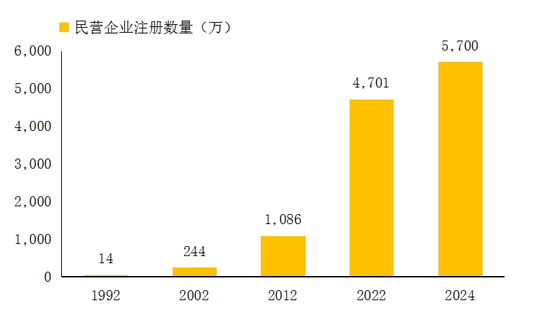
民营经济高质量发展

Search documents
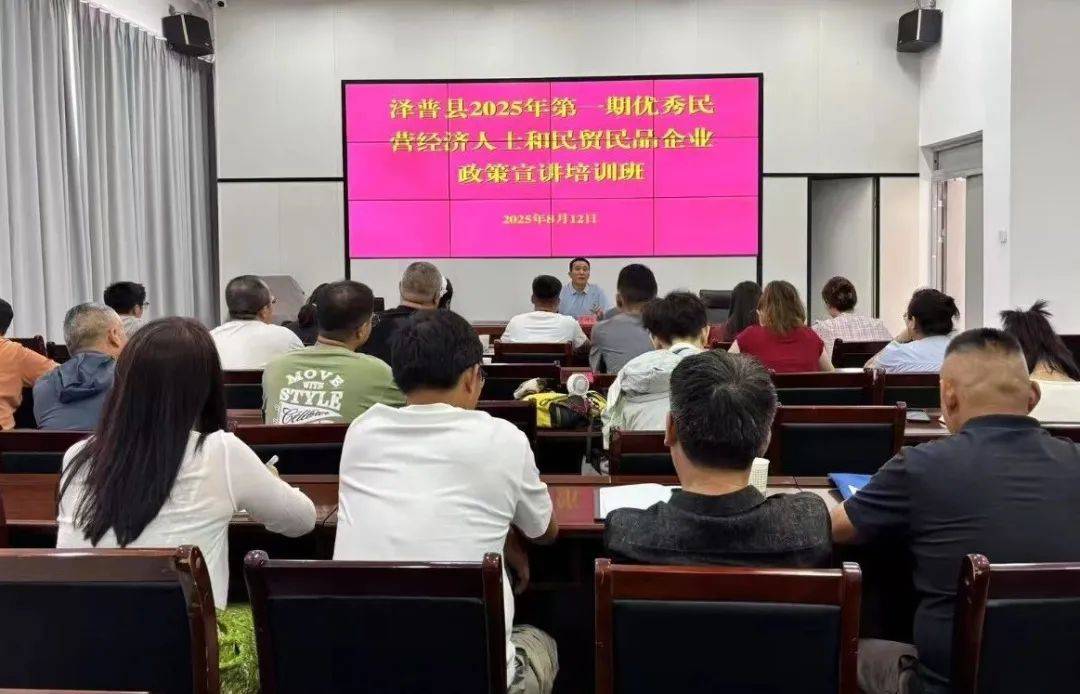
泽普县举办民营经济政策宣讲培训班 助力企业高质量发展
Sou Hu Cai Jing· 2025-08-18 03:33
Group 1 - The training program aimed to empower private enterprises through policy interpretation, legal education, and financial services, with 50 participants from various private enterprises attending [1][3] - Key topics included the interpretation of the "Promotion Law of Private Economy" and national policies on trade and products, enhancing participants' understanding of legal compliance and risk prevention [3][5] - The training featured interactive Q&A sessions where participants raised questions on policy implementation, legal risks, and labor regulations, fostering a collaborative atmosphere [3][5] Group 2 - Tax authorities provided detailed explanations of the latest tax support policies, focusing on tax incentives for small and micro enterprises and practical aspects of R&D expense deductions [5] - Financial regulatory bodies introduced financing channels like "Credit Ease" and "Tax-Loan Interaction," addressing the challenges of financing for private enterprises [5][7] - The event concluded with the distribution of a "Business Difficulty Collection Form" to identify and address challenges faced by enterprises, establishing a tailored support mechanism [7]

引导民营企业和民营企业家坚定做中国式现代化的促进者
Sou Hu Cai Jing· 2025-08-16 05:05
Core Points - The article emphasizes the importance of private enterprises and entrepreneurs in promoting Chinese-style modernization and contributing to the healthy development of the non-public economy [2][3][4] Group 1: Contributions of Private Economy - The private economy has made significant contributions to China's economic development, accounting for over 92% of enterprises, more than 50% of tax revenue, and over 60% of GDP [3] - Private enterprises have actively participated in poverty alleviation and rural revitalization, with 127,000 companies investing over 110 billion yuan in poverty alleviation efforts, benefiting over 18 million impoverished individuals [3] - In the first half of the year, 151,000 private enterprises participated in employment promotion actions, providing 2.838 million job opportunities [3] Group 2: Expectations for Private Enterprises - The article outlines expectations for private enterprises to embody patriotism, focus on development, operate lawfully, and contribute to common prosperity [4][7][15] - Private entrepreneurs are encouraged to integrate their personal ambitions with national development goals, emphasizing the importance of patriotism in their business practices [6][7] - The need for private enterprises to adhere to legal and ethical business practices is highlighted, with a focus on modernizing corporate governance structures [12][13][14] Group 3: Innovation and High-Quality Development - The article stresses the necessity for private enterprises to pursue high-quality development through innovation and maintaining focus on their core businesses [8][10] - Private enterprises are identified as key players in technological innovation, with significant contributions in various sectors such as artificial intelligence and new materials [10] - The importance of addressing challenges in innovation and avoiding inefficient practices is emphasized, urging companies to enhance their research and development efforts [10][12] Group 4: Social Responsibility and Common Prosperity - Private enterprises are called upon to take an active role in promoting common prosperity, with expectations for them to contribute to social welfare and community development [15][16] - The article highlights the historical commitment of private entrepreneurs to social responsibility and their role in reducing disparities in wealth and opportunity [16] - Initiatives such as "Ten Thousand Enterprises Helping Ten Thousand Villages" and employment promotion actions are mentioned as examples of private enterprises' contributions to societal well-being [15][16]

《求是》杂志发表习近平总书记重要文章促进民营经济健康发展、高质量发展
Xin Hua She· 2025-08-16 01:23
Core Viewpoint - The article emphasizes the importance of private enterprises in China's economic development and outlines the government's commitment to promoting the healthy and high-quality development of the private economy [1][2]. Group 1: Policy Framework - The article states that private enterprises are a vital part of China's socialist market economy, protected by the constitution and laws, and the government will continue to support and guide their development [1]. - It highlights the need for equal access to production factors and fair market competition for all types of ownership, ensuring that private enterprises can thrive alongside state-owned enterprises [1][3]. Group 2: Development Environment - The article notes that the current political, economic, and social environments are favorable for the development of private enterprises, with significant improvements in their overall strength, innovation capabilities, and market competitiveness [2]. - It encourages private enterprises and entrepreneurs to maintain confidence and a proactive spirit in the face of challenges [2]. Group 3: Implementation Measures - The article outlines specific measures to promote the development of private enterprises, including removing barriers to fair competition, addressing financing difficulties, and ensuring timely payment of debts owed to private enterprises [3]. - It emphasizes the importance of legal protection for private enterprises and entrepreneurs, as well as the need to combat irregular charges and enforcement actions [3]. Group 4: Entrepreneurial Responsibilities - The article calls on private enterprises and entrepreneurs to embrace their responsibilities, focus on innovation, and enhance their competitiveness while adhering to legal and ethical standards [4]. - It encourages them to actively contribute to social responsibilities and foster harmonious labor relations, thereby supporting China's modernization efforts [4].
喜报!日照钢铁获评“山东省民营经济高质量发展突出贡献企业”
Qi Lu Wan Bao Wang· 2025-08-12 04:38
此次评选由山东省委、省政府批准,省发展改革委、省工业和信息化厅联合组织,旨在表彰先进、树立标杆,进一步激发民营 经济活力。评选历经严格程序,聚焦企业坚守主业、做强实业、自主创新、核心竞争力提升以及在稳定增长、促进创新、增加 就业、改善民生等方面的综合贡献。 近日,山东省隆重表彰推动民营经济高质量发展的先进典型。日照钢铁控股集团有限公司(以下简称日照钢铁)凭借其在高质 量发展道路上的卓越表现和突出贡献,荣登"山东省民营经济高质量发展突出贡献企业"榜单,成为全省获此殊荣的80家优秀民 营企业之一。 日照钢铁的成功入选,是对企业多年来坚持高质量发展战略、积极转变发展方式、不断提升质量效益与核心竞争力的高度认 可。作为山东乃至全国钢铁行业的骨干力量,日照钢铁持续深化创新驱动,优化产业布局,在推动区域经济发展、保障产业链 供应链稳定、履行社会责任等方面发挥了重要作用。 这份沉甸甸的省级荣誉,既是对日照钢铁过往成绩的嘉奖,更是对其未来发展的鞭策。日照钢铁将继续勇担时代重任,弘扬企 业家精神,专注创新与卓越,为奋力谱写中国式现代化山东篇章贡献更强劲的"日钢力量"! ...
冀时评 | 政策护航河北民营经济新发展
Sou Hu Cai Jing· 2025-08-08 12:48
Core Viewpoint - The private economy has become the main driving force for economic growth in Hebei, contributing significantly to employment and fiscal revenue, with a total of 8.8984 million private economic entities as of June, accounting for 97.92% of all operating entities [2] Group 1: Economic Contribution - In the first half of the year, the private economy in Hebei achieved a value-added of 1.46206 trillion yuan, representing a year-on-year growth of 5.5% at constant prices [2] - The contribution rate of the private economy to the overall economic growth of Hebei was 67.3%, driving a 3.6 percentage point increase in the province's economic growth [2] Group 2: Policy Measures - Hebei has implemented a series of policy measures to create a favorable development environment for private enterprises, focusing on breaking down barriers and promoting fair competition [2][3] - The "double-blind" review reform has been fully implemented at provincial, municipal, and county levels, resulting in a bid-winning rate of approximately 85% and a bid amount of around 45% for private enterprises since its launch in May 2023 [2] Group 3: Innovation and Support - Innovation is identified as the core engine for the high-quality development of the private economy, with a mechanism established for inter-departmental collaboration to enhance communication with private enterprises [3] - Various support measures have been implemented, including the deduction of R&D expenses and the provision of technology innovation vouchers, benefiting 930 small and medium-sized enterprises [3] Group 4: Regulatory Environment - Legal protections are emphasized as essential for the sustainable development of the private economy, with a focus on strict law enforcement to protect the rights and interests of private enterprises [3] - A commitment to resolving issues related to overdue payments to private enterprises is highlighted, with a goal to complete the national clearance task by 2024 [3]

步长制药获 “山东省民营经济高质量发展突出贡献企业” 称号
Zhong Zheng Wang· 2025-08-08 12:46
Core Viewpoint - Shandong Province has awarded Bichang Pharmaceutical the title of "Outstanding Contribution Enterprise for High-Quality Development of Private Economy" for its commitment to public health and alignment with national strategies [1] Group 1: Company Achievements - Bichang Pharmaceutical has focused on the health sector while adhering to the provincial government's initiatives for high-quality development of the private economy [1] - Since its listing in 2016, Bichang Pharmaceutical has distributed over 7.5 billion yuan in dividends, fostering a positive cycle of trust in the capital market [1] - The company has initiated a share buyback program, having repurchased 6.6206 million shares for a total amount of approximately 98.0558 million yuan [1] Group 2: Social Responsibility - Bichang Pharmaceutical integrates social responsibility into its business model, embodying the corporate value of "taking from society and giving back to society" [1] - As of June 30, 2025, the company has contributed over 32 billion yuan in taxes nationwide, with nearly 18 billion yuan coming from its Shandong operations, significantly supporting local economic development [1]

林武在民营企业座谈会上强调 扎实开展服务民营企业专项行动 坚定不移推动民营经济高质量发展
Da Zhong Ri Bao· 2025-08-08 00:42
林武在民营企业座谈会上强调 扎实开展服务民营企业专项行动 坚定不移推动民营经济高质量发展 周乃翔主持 葛慧君王宇燕出席 省委、省政府8月7日在日照召开民营企业座谈会。省委书记林武出席座谈会并讲话,省委副书记、 省长周乃翔主持,省政协主席葛慧君,省委副书记、政法委书记王宇燕,省人大常委会副主任、党组书 记杨东奇出席。 会上,张波、孙红斌、袁仲雪、陈伟峰、王威东、韩蓄、王殿勇等企业家和省直有关部门负责同志 作了发言。省发展改革委通报了企业诉求及解决措施。有关省领导同志讲了意见。 林武指出,近年来,我们深入学习贯彻习近平总书记关于民营经济发展的重要论述,出台一系列政 策举措,推动民营经济发展取得积极成效。同时也要看到,我省民营经济发展还面临一些困难挑战。我 们要准确把握当前形势任务,保持战略定力,坚定信心决心,积极识变应变求变,坚定不移推动民营经 济高质量发展,努力为现代化强省建设注入强劲动能。 林武强调,要扎实开展服务民营企业专项行动,聚力解决民营企业面临的困难问题。着力促进民间 投资,进一步强化项目建设、投资引导、服务保障;着力解决拖欠企业账款问题,压实责任、健全机 制,确保取得实效;着力纾困解难,坚持依法依规 ...
山东省委省政府在日照召开民营企业座谈会
Qi Lu Wan Bao Wang· 2025-08-07 08:35
会上,张波、孙红斌、袁仲雪、陈伟峰、王威东、韩蓄、王殿勇等企业家和省直有关部门负责同志作了 发言。省发展改革委通报了企业诉求及解决措施。有关省领导同志讲了意见。 林武指出,近年来,我们深入学习贯彻习近平总书记关于民营经济发展的重要论述,出台一系列政策举 措,推动民营经济发展取得积极成效。同时也要看到,我省民营经济发展还面临一些困难挑战。我们要 准确把握当前形势任务,保持战略定力,坚定信心决心,积极识变应变求变,坚定不移推动民营经济高 质量发展,努力为现代化强省建设注入强劲动能。 林武强调,要扎实开展服务民营企业专项行动,聚力解决民营企业面临的困难问题。着力促进民间投 资,进一步强化项目建设、投资引导、服务保障;着力解决拖欠企业账款问题,压实责任、健全机制, 确保取得实效;着力纾困解难,坚持依法依规、分类施策,加快转型发展;着力拓展市场,用好相关政 策和工作机制,多措并举推动企业争订单拓市场;着力解决融资难融资贵问题,加快构建普惠融资服务 体系,积极拓宽融资渠道,精准对接资本市场;着力强化要素保障,加强全省统筹,落实"要素跟着项 目走",提高资源要素配置效率。 林武在民营企业座谈会上强调 扎实开展服务民营企业专 ...
山东:民营经济高质量发展突出贡献单位和个人受表彰
Zhong Guo Fa Zhan Wang· 2025-08-06 22:42
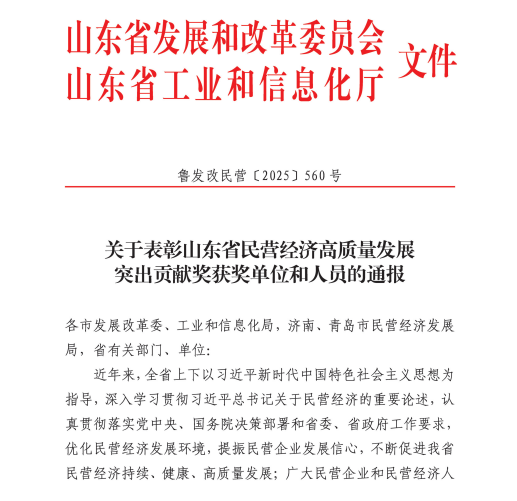
近年来,山东全省上下以习近平新时代中国特色社会主义思想为指导,深入学习贯彻习近平总书记关于 民营经济的重要论述,认真贯彻落实党中央、国务院决策部署和省委、省政府工作要求,优化民营经济 发展环境,提振民营企业发展信心,不断促进全省民营经济持续、健康、高质量发展。广大民营企业和 民营经济人士探索开拓、锐意进取,坚守主业、做强实业,在稳定增长、促进创新、增加就业、改善民 生等方面发挥了重要作用,成为山东发展不可替代的重要力量,为奋力开创新时代社会主义现代化强省 建设作出重大贡献,涌现出一大批突出贡献企业、突出贡献集体和突出贡献个人。 中国发展网讯 记者尹明波、高杨报道 经山东省委、省政府批准,省发展改革委、省工业和信息化厅日 前发布《关于表彰山东省民营经济高质量发展突出贡献奖获奖单位和人员的通报》,决定授予山东魏桥 创业集团有限公司等80 家企业"山东省民营经济高质量发展突出贡献企业"称号,授予省纪委监委第二 监督监察室等50个集体"山东省民营经济高质量发展突出贡献集体"称号,授予李登海等99名个人"山东 省民营经济高质量发展突出贡献个人"称号。 通报旨在表彰先进、树立典型,增强民营企业和民营经济人士的获得感、荣誉 ...
连平:民营经济高质量发展将带来哪些机遇?如何加快推动?
Sou Hu Cai Jing· 2025-08-06 15:17
Core Viewpoint - The promotion of the private economy is essential for China's high-quality economic development and is supported by the newly enacted Private Economy Promotion Law, which aims to enhance the legal status and operational environment for private enterprises [1][2][4]. Group 1: Legal Framework and Support - The Private Economy Promotion Law establishes the legal status of the private economy as a vital component of the socialist market economy, ensuring equal rights with public ownership and promoting sustainable, healthy development [4][6]. - The law enhances the legal framework for fair competition, prohibits administrative interference in economic disputes, and strengthens the protection of private enterprises' rights [4][6][9]. Group 2: Financial Support and Innovation - The law mandates financial institutions to develop tailored financial products for private enterprises, enhancing credit supply and adapting loan terms to meet the needs of the private sector [6][20]. - It encourages private enterprises to engage in technological innovation and participate in national research projects, thereby integrating them into the national innovation system [7][20]. Group 3: Market Access and Competition - The law supports private enterprises' participation in major national strategies and projects, aiming to eliminate unreasonable market access barriers and ensure fair competition [8][9]. - It promotes transparency in public resource transactions and reduces discrimination against private enterprises in government procurement [8][9]. Group 4: Governance and Compliance - The law guides private enterprises in improving governance structures and compliance with legal standards, enhancing their overall quality and public image [9][19]. - It emphasizes the establishment of effective communication mechanisms between government and private enterprises to address concerns and improve service delivery [5][21]. Group 5: Challenges and Recommendations - Despite the supportive legal framework, challenges remain in market competition mechanisms and regulatory environments, necessitating collaborative efforts from various stakeholders to overcome these issues [11][12]. - Recommendations include enhancing fiscal and monetary policies to support private enterprises, improving governance structures, and fostering a more favorable legal environment for private sector growth [12][13][22].