公司治理

Search documents
涉嫌信披违法违规 山东章鼓被证监会立案调查
Zheng Quan Ri Bao Wang· 2026-01-04 13:55
Core Viewpoint - Shandong Zhanggu's financial information disclosure violations have led to an investigation by the China Securities Regulatory Commission (CSRC), indicating a significant escalation in regulatory scrutiny [1][2][3] Regulatory Actions - The CSRC's investigation follows a previous administrative corrective action by the Shandong Securities Regulatory Bureau, which identified three major issues: violations in related party transactions, improper use of raised funds, and non-compliance in corporate governance [2][3] - The shift from "administrative correction" to "suspected illegal violations" reflects a more serious regulatory stance [3] Internal Control and Governance Issues - The identified violations reveal deep-seated problems in Shandong Zhanggu's internal controls and governance structure, including ineffective management of related party transactions and weak financial control systems [4] - The company's governance has been criticized for a lack of compliance culture and insufficient independence of internal audits, leading to ineffective oversight by independent directors and supervisory boards [4] Changes in Governance Structure - Following the investigation, the state-owned shareholder, Jinan Zhangqiu District Public Asset Management Company, has increased its involvement in the company's governance by adding more non-independent directors to key committees [4][5] - This shift aims to enhance the protection of state assets, but it also faces challenges such as role conflicts and the need for rapid operational turnaround [5] Business Performance and Challenges - Shandong Zhanggu's core business, which includes the production and sale of fans and industrial pumps, has shown weak growth and declining profit margins [5] - The company has attempted to diversify through investments in various sectors, totaling approximately 300 million yuan, but these efforts have not yielded significant results [5] - The company's net profit attributable to shareholders fell by 39.12% year-on-year in the first three quarters of 2025, highlighting the pressure on its financial performance [5]

泰恩康2025年资本市场认可度再创新高
Zheng Quan Ri Bao Wang· 2026-01-04 13:46
Core Insights - In 2025, Guangdong Tianenkang Pharmaceutical Co., Ltd. (referred to as "Tianenkang") is committed to the core philosophy of "putting investors first," focusing on information disclosure, corporate governance, market value management, and social responsibility to enhance compliance and steadily increase corporate value [1][2] Group 1: Corporate Achievements - Tianenkang has received multiple authoritative awards for its outstanding performance in innovation research and development, market value management, corporate governance, and ESG practices, reflecting broad market recognition of its high-quality development [1] - On December 15, 2025, Tianenkang was included in the sample range of the CSI 1000 Index, indicating robust fundamental operations and good market liquidity, which marks its investment value recognized by index compilers [1] - The company launched an employee stock ownership plan on August 5, 2025, to stimulate internal motivation and inject strong momentum for long-term development [1] Group 2: Investor Relations Management - Tianenkang has established multiple communication channels for investor relations, holding two performance briefings and receiving over 200 institutional visits throughout the year, including six research meetings with various institutions [2] - The company responded to 51 investor inquiries on the interactive platform, focusing on key investor concerns such as CKBA clinical progress and product development pipeline [2] - In 2025, Tianenkang laid a solid foundation for high-quality development through precise information disclosure, an efficient governance system, innovative market value management, and solid ESG practices, with plans to deepen investor communication and optimize capital operation strategies [2]
lululemon陷入夺权大战
21世纪经济报道· 2026-01-04 02:44
Core Viewpoint - Lululemon is currently facing a power struggle, primarily instigated by founder Chip Wilson, who is attempting to reshape the company's board of directors amid dissatisfaction with current leadership and strategic direction [1][2]. Group 1: Board Dynamics - Chip Wilson has nominated three candidates for the board, including former executives from On, ESPN, and Activision, indicating a push for significant changes in governance [1]. - Calvin McDonald, the current CEO, will step down on January 31, 2026, following Wilson's public criticism of both McDonald and the board's performance [2]. - Wilson's dissatisfaction stems from perceived poor decision-making that has eroded brand value and shareholder interests, suggesting a disconnect between the board and the company's core customer base [2]. Group 2: Shareholder Influence - Despite being a significant shareholder with approximately 9% ownership, Wilson's ability to influence the board is questionable due to his relatively limited stake compared to other investors [3]. - Notably, activist investor Elliott Management has acquired over $1 billion in Lululemon shares and is advocating for new leadership, which could further complicate the board's dynamics [3]. Group 3: Market Performance - Lululemon's performance in the Americas has been troubling, with net revenue declining by 2% to $1.7 billion, representing 68% of total revenue, and comparable sales down by 5% [3]. - In contrast, the Chinese market has shown robust growth, with net revenue increasing by 46% to $465.4 million, accounting for 18% of total revenue, and comparable sales up by 24% [4]. - The company is facing intense competition in China, and any governance changes may impact its strategic approach in this critical market [4].


股权遭冻结、净利润暴跌,谋划H股上市的酷特智能麻烦不断
Sou Hu Cai Jing· 2026-01-04 00:41
Core Viewpoint - The actual controller of Kute Intelligent, Zhang Yan, faces significant issues as 17.15 million shares, accounting for 72.93% of his holdings and 7.15% of the company's total shares, have been judicially frozen, raising concerns about the company's governance and stability as it plans for an overseas H-share listing [1][2][9]. Group 1: Shareholding and Governance Issues - The frozen shares represent 20.45% of the total holdings of the controlling shareholder and concerted actors, which could impact the stability of control and governance of Kute Intelligent [2]. - The freezing period is from December 18, 2025, to December 17, 2028, executed by the Shandong Province Qingdao Intermediate People's Court [1][8]. - The market is concerned about the implications of the share freeze on the company's governance, especially given the historical context of compliance issues involving the actual controller and associated personnel [8][10]. Group 2: Financial Performance - Kute Intelligent reported a revenue of 505 million yuan for the first three quarters of 2025, a year-on-year decline of 5.8%, with a net profit of 41.26 million yuan, down 73.5% [10]. - The company's performance is significantly weaker than the overall industry trend, with a revenue decline greater than the average decline in the textile and apparel sector [10]. - The third quarter showed even worse results, with a revenue of 164 million yuan, down 8.5%, and a net profit of 15.93 million yuan, down 77.5% [10]. Group 3: Legal and Compliance Issues - Zhang Yan has previously faced penalties for insider trading, which raises questions about the company's internal control mechanisms and compliance culture [5][11]. - The insider trading case involved transactions executed through an associate's account, indicating potential lapses in governance and compliance [4][6]. - The company has not disclosed the specific reasons for the share freeze, leaving uncertainties regarding potential disputes and legal risks [11].
济人药业转战北交所 迎盈利与治理双重考
凤凰网财经· 2026-01-03 12:37
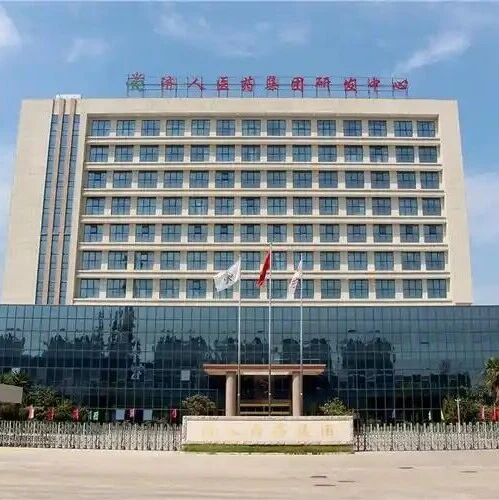
Core Viewpoint - Jiren Pharmaceutical is shifting its IPO target to the Beijing Stock Exchange after failing in the A-share market, facing multiple challenges including high accounts receivable and inventory, declining gross margins, and governance issues due to family control [2]. Financial Performance - Jiren Pharmaceutical's revenue is projected to grow from approximately 1.024 billion yuan in 2022 to 1.23 billion yuan in 2024, but net profit is declining, with figures of 157 million yuan in 2022 dropping to 131 million yuan in both 2023 and 2024 [3]. - In the first half of 2025, revenue fell to 563 million yuan and net profit to 55 million yuan, showing significant declines compared to the same period in 2024 [3]. Cash Flow and Working Capital - The company's net cash flow from operating activities has been volatile and consistently lower than net profit, with figures dropping from 156 million yuan in 2022 to just 10 million yuan in 2024 [4]. - As of the end of 2024, accounts receivable reached 796 million yuan, accounting for 45.43% of total assets, while inventory was 267 million yuan, making up 15.24% of total assets [4]. Gross Margin Trends - Jiren Pharmaceutical's gross margin has been declining, from 51.3% in 2022 to 41.71% in 2024, with a further drop to 41.05% in the first half of 2025, indicating weakened profitability [5]. - The decline in gross margin is attributed to fluctuations in raw material prices and changes in product sales structure, with key raw materials experiencing significant price increases [5]. Product Performance and Market Challenges - The core product, Shufeng Jiedu Capsule, has seen a decline in sales from 503 million yuan in 2022 to 136 million yuan in the first half of 2025, with a 25% drop in 2024 compared to 2022 [6]. - The company is attempting to increase market share through price reductions, but the effectiveness of this strategy remains uncertain [6]. Governance and Ownership Structure - Jiren Pharmaceutical is heavily controlled by the founding family, with the controlling shareholder holding 87.06% of the shares, raising concerns about governance and decision-making transparency [9]. - The family’s involvement in management and the company's stock incentive plans reflect a governance model that may lack checks and balances, potentially affecting minority shareholders' rights [13]. Dividend Policy - Despite financial pressures, Jiren Pharmaceutical has maintained cash dividends, distributing 20 million yuan in 2021, 23 million yuan in 2022, and 25 million yuan in 2023, raising questions about the rationality of cash distribution amid declining performance [13].
每周股票复盘:奇精机械(603677)拟申请5.7亿授信额度
Sou Hu Cai Jing· 2026-01-01 19:38
Core Viewpoint - The company, Qijing Machinery, is actively enhancing its financial structure and governance through various measures, including seeking a comprehensive credit facility and implementing foreign exchange hedging strategies for 2026 [1][2][3] Group 1: Financial Developments - The company plans to apply for a total of 570 million yuan in comprehensive credit facilities from multiple banks, with a guarantee of 20 million yuan for its subsidiary, Qijing Industrial (Thailand) Co., Ltd [1][3] - The guarantee amount represents 1.73% of the company's latest audited net assets, with the subsidiary having a debt-to-asset ratio of 22.25% [1] - The company has no overdue guarantees as of the announcement date, with a total external guarantee amount of 20 million yuan [1] Group 2: Foreign Exchange Hedging - The company anticipates engaging in foreign exchange hedging activities in 2026, with a margin and premium cap of 25 million yuan and a maximum contract value of 500 million yuan on any trading day [2] - The hedging activities will involve currencies such as USD and EUR, utilizing instruments like forward foreign exchange contracts, foreign exchange swaps, and foreign exchange options [2] Group 3: Governance and Internal Control - The board of directors has approved multiple revisions to internal management systems, which include regulations on shareholding by directors and senior management, as well as rules for information disclosure and investor relations [2][3] - These revisions aim to enhance the company's governance structure and internal control systems [2]

每周股票复盘:国电南瑞(600406)2026年拟开展32.25亿外汇套保
Sou Hu Cai Jing· 2026-01-01 17:51
Core Viewpoint - The company, Guodian NARI Technology Co., Ltd., is undergoing significant management changes and governance updates, alongside plans for financial risk management through foreign exchange hedging in 2026. Group 1: Company Announcements - Guodian NARI's stock closed at 22.77 yuan on December 26, 2025, down 0.31% from the previous week, with a total market capitalization of 180.55 billion yuan, ranking 1st in the power grid equipment sector and 83rd among all A-shares [1] - The company will hold its 10th meeting of the 9th Board of Directors on December 30, 2025, to appoint Luo Hanwu as the new General Manager, who currently holds positions at the State Grid Electric Power Research Institute [1] - The Board approved the unlocking of 11,851,404 shares for 1,276 incentive recipients under the 2021 restricted stock incentive plan, confirming that performance targets have been met [1][4] Group 2: Financial and Governance Updates - The company plans to conduct foreign exchange hedging activities in 2026 with a limit of 3.225 billion yuan, aiming to mitigate currency fluctuation risks [2][4] - The second extraordinary general meeting of 2025 approved several governance changes, including the cancellation of the supervisory board and amendments to the company's governance structure [2][4] - The company intends to engage in related party transactions in 2026, with total expenditures not exceeding 409.83 million yuan, including rental and service fees [2][4] Group 3: Governance Structure Enhancements - Multiple governance documents have been revised to improve the company's governance structure, including rules for various board committees and management systems [3] - The establishment of a branch in Oman is part of the company's strategy to enhance its international presence [3]

外资看2026:通胀与经济再平衡将成关键,中国市场叙事持续转变
Xin Lang Cai Jing· 2026-01-01 01:16
Core Viewpoint - The A-share market is expected to show a strong upward trend in 2025, driven by the "New National Nine Policies" and the AI investment boom, which positively impacts sectors like computing power, semiconductors, and power equipment [1] Group 1: Market Performance and Trends - The "New National Nine Policies" are enhancing the overall return expectations for the equity market, encouraging companies to increase shareholder returns through dividends and buybacks, leading to a significant rise in dividend and buyback scales [1] - Despite challenges such as trade environment fluctuations and macroeconomic pressures, the A-share market has still delivered strong returns, supported by policy backing and anticipated capital market efficiency reforms [1] - As of Q3 2025, the northbound capital from the Stock Connect holds a market value of 25,817.11 billion RMB, showing a slight increase of 2,944.06 billion from Q2, primarily due to stock appreciation [2] Group 2: Foreign Investment and Company Governance - Foreign institutions are increasingly focusing on potential investment returns driven by corporate governance improvements, with a notable trend in East Asian markets, particularly in China and South Korea, where companies are enhancing governance levels and increasing share buybacks [2] - The demand for dividend assets is rising among insurance and wealth management funds, as the A-share market's dividend yield advantage becomes more apparent in the context of declining risk-free interest rates and compressed bond market returns [1][2] Group 3: Economic Outlook and Investment Opportunities - The return of moderate inflation is seen as a sign of normalization and structural health in the economy, with core inflation rising since May of the previous year, indicating potential for broader corporate profitability beyond the tech sector [3] - The "DeepSeek" market trend is characterized as a "perfect storm" resulting from multiple factors, including low market sentiment and the global AI topic's resonance, suggesting that further opening up is necessary to attract global investors [4] - The ongoing structural adjustments in the real estate market may lead to the stock market becoming a more attractive alternative for savings, as the domestic market narrative continues to evolve [5]
官宣!巴菲特正式退休!
Zheng Quan Shi Bao· 2026-01-01 00:02
(原标题:官宣!巴菲特正式退休!) 官宣退休。 据央视新闻消息,当地时间2025年12月31日,央视记者获悉,著名投资人沃伦·巴菲特正式退休,从知 名投资机构伯克希尔·哈撒韦(简称"伯克希尔")公司的首席执行官岗位上卸任。 值得一提的是,2025年11月10日,巴菲特发布了谢幕信。他在信中表示,将加快将其1490亿美元的遗产 捐赠给子女基金会的步伐,同时他表达了对即将上任的首席执行官格雷格•阿贝尔,以及公司前景的信 心。 在信中,巴菲特用了大量篇幅回顾了伯克希尔公司的发展历程。自1965年接管伯克希尔哈撒韦公司以 来,巴菲特已将一家陷入困境的纺织厂转变为一家价值1万亿美元市值的大型投资集团,业务涵盖保 险、铁路、公用事业和消费品牌。 当地时间2025年11月1日,伯克希尔公司公布了巴菲特卸任CEO之前发布的最后一份财务报告。财报显 示,伯克希尔公司第三季度的营收为949.72亿美元,同比增长2.13%;归属股东净利润为307.96亿美 元,同比增长17%;三季度运营利润达134.9亿美元,同比大增34%,远超去年同期的100.9亿美元。 截至2025年三季度末,公司的现金储备达到3816.7亿美元,再创历史最 ...
603828,筹划控制权变更,停牌!
证券时报· 2025-12-31 23:36
Core Viewpoint - ST Keli Da (603828) is planning a change in control, with its stock suspended from trading starting January 5, 2026, after a significant price increase of 189% in 2025 [1][3]. Group 1: Control Change Announcement - On December 31, ST Keli Da announced that its controlling shareholder, Suzhou Keli Da Group, intends to transfer 100% of its equity, which currently holds 1.12 billion shares, accounting for 18.74% of the total share capital [1]. - The completion of this transfer will result in a change of control for the company [1]. Group 2: Share Transfer Agreement - In November, ST Keli Da disclosed a share transfer agreement with Cui Jianquan, who plans to acquire 40 million shares from Keli Da Group at a price of 6.16 yuan per share, totaling 246 million yuan [5]. - This transfer will not change the controlling shareholder or adversely affect the company's governance and ongoing operations [5]. Group 3: Financial and Operational Challenges - ST Keli Da has faced continuous operating losses in recent years, with its main business focusing on architectural curtain walls and decoration engineering [5]. - The company has been under risk warnings due to negative internal control audit reports from accounting firms, leading to increased scrutiny [6]. Group 4: Measures to Address Financial Issues - The company has identified that its controlling shareholder and related parties have occupied company funds through third-party suppliers, with 170 million yuan repaid by the controlling shareholder as of December 31, 2024 [6]. - ST Keli Da is implementing measures to strengthen internal controls and prevent future fund occupation, including enhancing compliance awareness and governance structures [7].