
绿色转型

Search documents
“十四五”期间我国经济高质量发展扎实推进
Xin Lang Cai Jing· 2026-01-28 16:47
(来源:衢州日报) 新华社北京1月28日电 (记者 刘开雄) 记者28日从国家税务总局获悉,"十四五"期间税收数据分析显 示,我国经济加快向新向优发展,高质量发展取得新成效。 转自:衢州日报 高端制造蓬勃发展。发票数据显示,"十四五"期间,全国装备制造业销售收入年均增长9.1%,增速持续 高于制造业平均水平。其中,2025年,装备制造业销售收入同比增长7.4%,占制造业比重达47.7%,较 2021年提高4.7个百分点。特别是计算机通信设备制造业、仪器仪表制造业等先进制造业发展向好,同 比分别增长11.5%和10.3%。 创新产业茁壮成长。发票数据显示,"十四五"期间,全国高技术产业销售收入年均增长13.9%。其中, 2025年,高技术产业销售收入同比增长13.9%,高技术制造业、高技术服务业同比分别增长10.1%和 16.6%;智能消费设备制造、集成电路制造、机器人制造同比分别增长32.4%、19.2%和24%。 数实经济加快融合。发票数据显示,"十四五"期间,全国数字经济核心产业销售收入年均增长10.5%、 企业采购数字技术年均增长11.2%,反映数字产业化和产业数字化进程持续加快。其中,2025年,数字 ...
税收数据显示:“十四五”期间我国经济高质量发展扎实推进 数实经济加快融合
Xin Hua Cai Jing· 2026-01-28 15:30
——高端制造蓬勃发展。发票数据显示,"十四五"期间,全国装备制造业销售收入年均增长9.1%,增速 持续高于制造业平均水平,反映制造业高端化稳步推进。其中,2025年装备制造业销售收入同比增长 7.4%,占制造业比重达47.7%,较2021年提高4.7个百分点,特别是计算机通信设备制造业、仪器仪表制 造业等先进制造业发展向好,同比分别增长11.5%和10.3%;以船舶制造、工业母机为代表的"大国重 器"销售收入同比分别增长10.6%和10.5%。 ——创新产业茁壮成长。发票数据显示,"十四五"期间,全国高技术产业销售收入年均增长13.9%,持 续保持较快增速,反映创新产业发展步伐提速。其中,2025年,高技术产业销售收入同比增长13.9%, 高技术制造业、高技术服务业同比分别增长10.1%和16.6%;特别是"人工智能+"加快落地,智能消费设 备制造、集成电路制造、机器人制造同比分别增长32.4%、19.2%和24%。 ——数实经济加快融合。发票数据显示,"十四五"期间,全国数字经济核心产业销售收入年均增长 10.5%、企业采购数字技术年均增长11.2%,反映数字产业化和产业数字化进程持续加快。其中,2025 ...
工厂屋顶正成为华南工厂绿色转型“新战场”
Xin Lang Cai Jing· 2026-01-28 12:35
不止格兰仕一例,在中山,国泰染整3.1MW项目使用天合至尊600W+组件,年减碳2890吨;在佛山, 美的32MW屋顶项目自2014年投运后,不仅年均发电3054万千瓦时,更助力工厂海外销量当年增长 20%;在江门,中刀精密833KW项目2024年6月并网,首年预计发电87.6万千瓦时,节约成本74.8万元。 据悉,从家电制造到纺织印染,从金属加工到新材料研发,天合光能已为华南地区数十个行业提供定制 化解决方案。天合光能相关负责人表示,在绿色发展浪潮中,每一家企业都是参与者、受益者,将以安 全为保障,以技术为支撑,让更多屋顶都能创造生态价值。 在广东中山格兰仕生产基地,60万平方米的屋面不再是单调的灰色,而是被一片片蓝色光伏板覆盖,十 年来稳定运行,每年为企业"生产"出5000万千瓦时清洁电力。 按当前工业电价计算,仅电费节省就达数千万元,相当于每年减少1.69万吨标准煤消耗,减排4.3万吨二 氧化碳。 (来源:千龙网) 1月28日,记者了解到,时下工厂屋顶这个被忽视的空间正成为企业绿色转型的"新战场",越来越多的 华南工厂主开始关注屋顶光伏这一"沉睡资产"的开发利用。 ...

云品“亮相”云南两会 人大代表“晒单”话振兴
Xin Lang Cai Jing· 2026-01-28 12:34
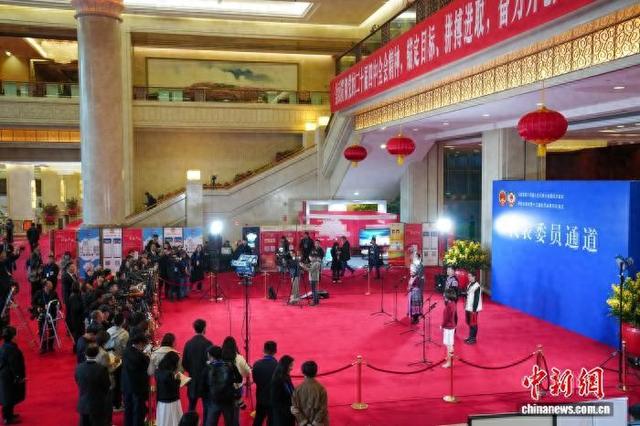
"从云南砚山到粤港澳大湾区,十几个小时就能把新鲜蔬菜从田间送上餐桌,这是我们最大的优势。"熊 文芳介绍,"十四五"以来,当地将建设粤港澳大湾区"菜篮子"基地作为乡村振兴重点工作。2025年,全 县蔬菜种植面积达86万亩,产量97万吨,其中预计供应大湾区的蔬菜达20万吨,产值8亿元。 当日,四位来自基层的省人大代表"携"云菜、云果、云咖等云品走上"代表通道",用数据和故事讲述产 业兴农、绿色转型的实践与愿景。 云南省第十四届人民代表大会第四次会议首场"代表通道"现场。中新网记者 刘冉阳 摄 地处中国西南的云南以其独特的高原地理、立体气候和丰富的生物多样性,孕育出独具特色的农业产 业。2025年,该省高原特色农业量效齐增,茶叶、鲜切花、咖啡等种植面积和产量稳居全国首位。 云菜出滇:小菜心直供大湾区 中新网昆明1月28日电(时文枝 缪超 罗婕)"我们乡的蔬菜种植面积已超万亩,远销上海及粤港澳大湾 区,真正实现云菜出滇。"28日,在云南省第十四届人民代表大会第四次会议首场"代表通道"上,云南 省人大代表、文山州砚山县者腊乡党委书记熊文芳带来的好消息,引发现场关注。 然而,昔日的者腊乡虽有区位优势,却因水利等基础设施薄 ...

税收数据显示:“十四五”中国经济高质量发展扎实推进
Zhong Guo Xin Wen Wang· 2026-01-28 11:40
Group 1 - The core viewpoint of the article highlights the solid progress of China's high-quality economic development during the "14th Five-Year Plan" period, with significant advancements in high-end manufacturing, innovative industries, digital economy, and green transformation [1][2] Group 2 - During the "14th Five-Year Plan," the sales revenue of the equipment manufacturing industry grew at an average annual rate of 9.1%, consistently outpacing the average growth rate of the manufacturing sector. By 2025, the sales revenue is expected to increase by 7.4%, accounting for 47.7% of the manufacturing sector, a rise of 4.7 percentage points from 2021 [1] - The high-tech industry experienced an average annual sales revenue growth of 13.9%, reflecting a rapid pace of innovation. By 2025, high-tech industry sales revenue is projected to grow by 13.9%, with high-tech manufacturing and services growing by 10.1% and 16.6%, respectively. Notably, sectors like "Artificial Intelligence+" are accelerating, with smart consumer devices, integrated circuits, and robotics manufacturing growing by 32.4%, 19.2%, and 24% respectively [1] Group 3 - The core industries of the digital economy saw an average annual sales revenue growth of 10.5%, with enterprise procurement of digital technologies growing by 11.2%, indicating a sustained acceleration in digital industrialization and industrial digitalization [2] - The new energy vehicle industry maintained a leading advantage, with manufacturing sales revenue growing at an average annual rate of 49.5%. By 2025, the new energy vehicle manufacturing is expected to grow by 14.3%, while clean energy generation sales revenue is projected to increase by 17.3%, accounting for 38.5% of total electricity production revenue, a rise of 6.9 percentage points from 2021 [2] Group 4 - The inter-provincial trade sales accounted for 41% of total sales by 2025, up from 38.6% in 2021. Additionally, the proportion of tax-related business entities engaged in cross-province sales reached 57.6% of total sales entities by 2025 [2]
半两财经|税收数据显示:“十四五”期间统一大市场加速推进
Sou Hu Cai Jing· 2026-01-28 08:49
Group 1 - The core viewpoint of the articles highlights the solid progress of high-quality development in China during the "14th Five-Year Plan" period, with significant advancements in various sectors [1][2] Group 2 - High-end manufacturing is thriving, with an average annual sales revenue growth of 9.1% in the equipment manufacturing industry, which is consistently higher than the average growth rate of the manufacturing sector. By 2025, sales revenue in this sector is expected to grow by 7.4%, accounting for 47.7% of the manufacturing industry, an increase of 4.7 percentage points from 2021 [1] - The advanced manufacturing sectors, such as computer communication equipment and instrument manufacturing, have shown strong growth, with year-on-year increases of 11.5% and 10.3% respectively. Additionally, the sales revenue of major equipment like shipbuilding and industrial mother machines has increased by 10.6% and 10.5% respectively [1] Group 3 - The innovation industry is experiencing robust growth, with an average annual sales revenue increase of 13.9% in high-tech industries during the "14th Five-Year Plan" period. By 2025, high-tech manufacturing and services are projected to grow by 10.1% and 16.6% respectively [1] - The "Artificial Intelligence +" initiative is accelerating, with significant year-on-year growth in smart consumer device manufacturing (32.4%), integrated circuit manufacturing (19.2%), and robotics manufacturing (24%) [1] Group 4 - The digital economy is rapidly integrating, with an average annual sales revenue growth of 10.5% in core digital economy industries and an 11.2% increase in enterprise procurement of digital technologies during the "14th Five-Year Plan" period. By 2025, the sales revenue of core digital economy industries is expected to grow by 9.4% [2] - The manufacturing sector is advancing quickly in digitalization, with procurement of digital technologies increasing by 10.4% [2] Group 5 - The green transition is deepening, with the new energy vehicle industry maintaining a leading advantage, showing an average annual sales revenue growth of 49.5%. By 2025, sales revenue in this sector is expected to grow by 14.3% [2] - The clean energy generation sector, represented by wind, solar, and nuclear power, has an average annual sales revenue growth of 13.9%. By 2025, this sector is projected to grow by 17.3%, accounting for 38.5% of total electricity production revenue, an increase of 6.9 percentage points from 2021 [2] Group 6 - The unified national market is accelerating, with inter-provincial trade sales accounting for 41% of total sales by 2025, up from 38.6% in 2021. Additionally, the proportion of tax-related business entities involved in cross-province sales is expected to reach 57.6% of total sales entities by 2025 [2]
税收数据显示: “十四五”期间新能源车制造销售收入年均增长49.5%
Sou Hu Cai Jing· 2026-01-28 08:21
中国证券报·中证金牛座记者1月28日从国家税务总局获悉,税收数据显示,"十四五"期间我国高质量发 展扎实推进。特别是2025年作为收官之年,我国经济顶压前行、向新向优发展,高质量发展取得新成 效。具体表现为高端制造蓬勃发展,创新产业茁壮成长,数实经济加快融合,绿色转型持续深化,统一 大市场加速推进。 高端制造蓬勃发展。发票数据显示,"十四五"期间,全国装备制造业销售收入年均增长9.1%,增速持续 高于制造业平均水平,反映制造业高端化稳步推进。其中,2025年装备制造业销售收入同比增长 7.4%,占制造业比重达47.7%,较2021年提高4.7个百分点,特别是计算机通信设备制造业、仪器仪表制 造业等先进制造业发展向好,同比分别增长11.5%和10.3%;以船舶制造、工业母机为代表的"大国重 器"销售收入同比分别增长10.6%和10.5%。 创新产业茁壮成长。发票数据显示,"十四五"期间,全国高技术产业销售收入年均增长13.9%,持续保 持较快增速,反映创新产业发展步伐提速。其中,2025年,高技术产业销售收入同比增长13.9%,高技 术制造业、高技术服务业同比分别增长10.1%和16.6%;特别是"人工智能+" ...
税收数据显示:“十四五”期间我国经济高质量发展扎实推进
Xin Hua Wang· 2026-01-28 07:36
Group 1: Economic Development - The analysis of tax data during the "14th Five-Year Plan" period indicates that China's economy is accelerating towards high-quality development, achieving new results [1] - The sales revenue of the equipment manufacturing industry has an average annual growth rate of 9.1%, consistently higher than the average growth rate of the manufacturing sector [1] - By 2025, the sales revenue of the equipment manufacturing industry is expected to grow by 7.4% year-on-year, accounting for 47.7% of the manufacturing sector, an increase of 4.7 percentage points from 2021 [1] Group 2: High-tech Industry Growth - The sales revenue of high-tech industries is projected to have an average annual growth rate of 13.9% during the "14th Five-Year Plan" period [2] - By 2025, high-tech manufacturing and high-tech service industries are expected to grow by 10.1% and 16.6% year-on-year, respectively [2] - Specific sectors such as smart consumer devices, integrated circuit manufacturing, and robotics are anticipated to grow by 32.4%, 19.2%, and 24% year-on-year [2] Group 3: Digital Economy Integration - The core industries of the digital economy are expected to see an average annual growth rate of 10.5% during the "14th Five-Year Plan" period [2] - By 2025, the sales revenue of the digital economy core industries is projected to grow by 9.4% year-on-year, with manufacturing digitalization progressing rapidly [2] - The amount spent on purchasing digital technologies is expected to grow by 10.4% year-on-year [2] Group 4: Green Transformation - The sales revenue from the manufacturing of new energy vehicles is expected to grow at an average annual rate of 49.5% during the "14th Five-Year Plan" period [2] - By 2025, the new energy vehicle manufacturing sector is projected to grow by 14.3% year-on-year, while the clean energy power generation sector is expected to grow by 17.3% [2] - Clean energy power generation is anticipated to account for 38.5% of total sales revenue in the electricity production industry, an increase of 6.9 percentage points from 2021 [2] Group 5: Market Integration - The proportion of inter-provincial trade sales to total sales is expected to increase from 38.6% in 2021 to 41% by 2025 [2] - By 2025, the number of tax-related business entities involved in cross-province sales is projected to account for 57.6% of total sales entities [2]
北京绿色转型向“氢”而行
Bei Jing Shang Bao· 2026-01-28 06:43
近几年一直在向"氢"而行的北京,未来将如何进一步推进氢能应用落地,又如何进一步利用先进绿色能源技术推动产业发展转型?1月27日,在市十六届人 大四次会议期间,北京商报记者就这些问题对话了三位来自相关领域的北京市人大代表。 市人大代表、北京中创碳投科技有限公司董事长唐人虎: "加快建设国际绿色经济标杆城市,加强氢能、储能、节能环保等一批产业,运用先进技术推动传统产业绿色转型。"写入了2026年北京市政府工作报告。 数据显示,2021—2025年8月,北京累计推广燃料电池汽车5502辆,建成加氢站50座,并构建5条跨区域氢能廊道,服务于家具、商品车等物资运输。在2022 年北京冬奥会上,上千辆氢燃料汽车实现全球最大规模示范应用。 针对如何进一步扩大氢能的产业应用,张夕勇也提出持续推动发展的建议。"目前氢能应用还存在场景单一且规模化不足的问题。"张夕勇建议,可重点打造 零排放货运廊道,优化现有线路并规划新增跨区域通道。进一步拓展园区、港口等多元应用场景,扩大氢能车辆应用规模,并推动氢能车辆在装备制造、建 材等产业集群规模化替代,以场景扩容带动成本下降。 拓展场景之外,配套设施的建设同样是推广氢能应用的关键。张夕勇认 ...

2025年中央企业累计投入帮扶资金160.3亿元
Zhong Guo Xin Wen Wang· 2026-01-28 06:15
Core Insights - In 2025, central enterprises in China invested a total of 160.3 billion yuan in support funds, demonstrating a strong commitment to social responsibility and public welfare [1][2][3] Group 1: Support for Rural Revitalization - Central enterprises completed 15,000 assistance tasks assigned by local governments, contributing to rural revitalization efforts [1] - A total of 160.3 billion yuan was invested and 114.1 billion yuan was introduced in support funds, with 148.7 million personnel trained and 198.3 billion yuan spent on purchasing agricultural products from impoverished areas [1] Group 2: Emergency Rescue Participation - Central enterprises, represented by China Aneng, mobilized over 500,000 personnel and 200,000 sets of equipment for emergency rescue operations, effectively responding to natural disasters such as the 6.8 magnitude earthquake in Tibet and landslides in Sichuan [1] Group 3: Green Transformation Initiatives - Central enterprises achieved a reduction of 15% in energy intensity and 18% in carbon emission intensity, meeting the energy-saving and carbon reduction targets for the 14th Five-Year Plan [2] - There has been a steady decline in pollutants such as sulfur dioxide and nitrogen oxides, with no major environmental pollution incidents reported in recent years [2] Group 4: Public Welfare Activities - Numerous charitable activities were organized, including the "Let Life Hear the Sound" initiative, which assisted over 850 individuals with severe hearing impairments [2] Group 5: Future Directions - The State-owned Assets Supervision and Administration Commission (SASAC) will continue to enhance the capacity and level of social responsibility among central enterprises, focusing on emergency rescue, environmental sustainability, public welfare, and rural revitalization [3] - There will be increased efforts in policy guidance, assessment incentives, and organizational support to ensure high standards in social responsibility [3]