
城乡融合发展

Search documents
人民日报:保障和改善民生,推动全体人民共同富裕迈出坚实步伐
Ren Min Ri Bao· 2025-10-29 02:27
Core Points - The essence of Chinese-style modernization is the common prosperity of all people, emphasizing a people-centered development approach and strategic deployment to improve living standards and promote common prosperity [2][3] - The 14th Five-Year Plan aims to create over 12 million new urban jobs annually, increase life expectancy to 79 years, and enhance access to healthcare and education, reflecting a commitment to improving the quality of life for citizens [2][3] - Achieving common prosperity is a dynamic process requiring sustained efforts, focusing on meeting the growing needs for a better life and improving living standards across various sectors [3][4] Economic and Social Development - The 14th Five-Year Plan outlines policies to address employment, income, education, social security, housing, healthcare, and elderly care, aiming to reduce regional disparities and promote rural revitalization [3][4] - Urban-rural integration is essential for meeting people's aspirations for a better life and promoting common prosperity, with significant investments in rural infrastructure and public services [4][5] County-Level Economic Development - Strengthening county-level industries is crucial for advancing new urbanization and rural revitalization, with examples from Zhejiang and Shaanxi showcasing successful integration of agriculture, culture, and tourism [5] - The focus on developing industries with clear comparative advantages and strong employment capacity will enhance agricultural productivity and improve the effectiveness of policies aimed at benefiting farmers [5]
保障和改善民生,推动全体人民共同富裕迈出坚实步伐——论学习贯彻党的二十届四中全会精神
Ren Min Ri Bao· 2025-10-29 02:09
Group 1 - The essence of Chinese-style modernization is the common prosperity of all people, emphasizing a people-centered development approach [1][2] - The 14th Five-Year Plan aims to create over 12 million new urban jobs annually and improve various social indicators, such as life expectancy reaching 79 years [1][2] - The focus is on enhancing the quality of life for citizens through policies addressing employment, income, education, social security, housing, healthcare, and elderly care [2][3] Group 2 - Urban-rural integration is essential for meeting people's aspirations for a better life and promoting common prosperity, with a focus on both prosperous cities and rural areas [3][4] - The development of county-level industries is crucial for advancing new urbanization and rural revitalization, with examples from Zhejiang and Shaanxi showcasing successful initiatives [4] - The ultimate goal of modernization is the comprehensive development of individuals, ensuring that development aligns with the needs and aspirations of the people [4]
保障和改善民生,推动全体人民共同富裕迈出坚实步伐
Ren Min Ri Bao· 2025-10-28 22:30
Core Points - The essence of Chinese-style modernization is the common prosperity of all people, with a focus on improving people's livelihoods and ensuring that the entire population can share in the benefits of development [1][2] - The 14th Five-Year Plan aims to create over 12 million new urban jobs annually, increase life expectancy to 79 years, and enhance access to medical services for 560 million people [1] - The emphasis on rural revitalization and urban-rural integration is crucial for meeting people's aspirations for a better life and promoting common prosperity [3][4] Summary by Sections Common Prosperity - Achieving common prosperity is a dynamic process that requires sustained effort, with a focus on meeting the growing needs of the people [2] - Policies will be implemented to address employment, income, education, social security, housing, healthcare, and elderly care, aiming to reduce regional disparities and improve overall living standards [2] Urban-Rural Integration - Urban-rural integration is essential for fulfilling people's desires for a better life and promoting common prosperity, with significant advancements in infrastructure and public services [3] - Rural residents' income growth has outpaced urban residents for several years, indicating progress in achieving balanced development [3] County-Level Industries - Strengthening county-level industries is vital for promoting new urbanization and rural revitalization, which has strategic significance for urban-rural integration and common prosperity [4] - Successful examples include the integration of agriculture, culture, and tourism in Zhejiang and the development of high-quality apple production in Shaanxi, showcasing the potential of local industries to drive economic growth [4]
保障和改善民生 推动全体人民共同富裕迈出坚实步伐——论学习贯彻党的二十届四中全会精神
Xin Hua She· 2025-10-28 22:29
Group 1 - The essence of Chinese-style modernization is the common prosperity of all people, with a focus on improving people's livelihoods and ensuring that the goal of common prosperity is firmly grasped [1][2] - The 14th Five-Year Plan aims to create over 12 million new urban jobs annually, increase the average life expectancy to 79 years, and ensure that 560 million people benefit from direct settlement of cross-provincial medical expenses [1][2] - The emphasis on rural revitalization and urban-rural integration is crucial for meeting people's aspirations for a better life and promoting common prosperity [3][4] Group 2 - Strengthening county-level industries is essential for promoting new urbanization and rural revitalization, which has strategic significance for urban-rural integration and common prosperity [4] - The development of county-level industries, such as the integration of agriculture, culture, and tourism in Zhejiang and the high-quality development of the apple industry in Shaanxi, demonstrates the potential for rural economic growth [4] - The modernization process ultimately aims for the comprehensive development of individuals, ensuring that the needs and aspirations of the people are prioritized in development efforts [4]
扎堆“有风的地方”,这八大田园经济崛起
3 6 Ke· 2025-10-28 05:14
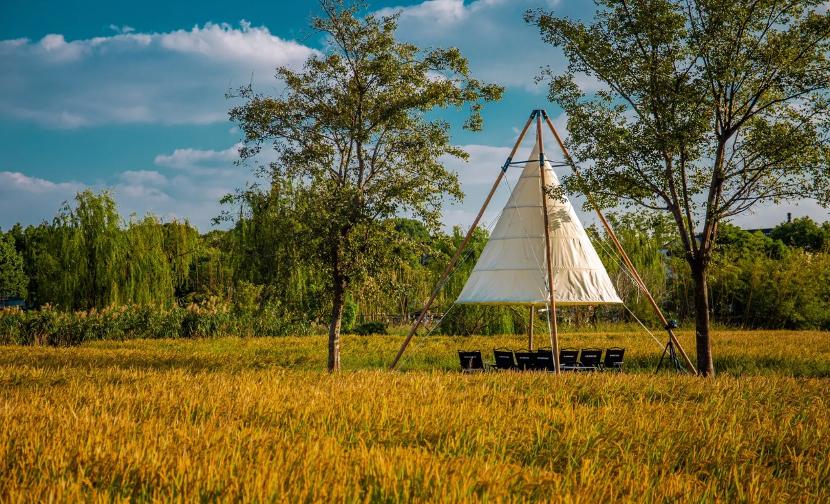
Group 1: Rural Economy Trends - The "rural economy" is emerging as a new consumption force driven by urban youth's desire for nature and freedom [1] - In the first three quarters of 2024, over 4.35 trillion yuan was spent on tourism, with rural tourism seeing significant growth, receiving nearly 800 million visitors in the first quarter alone [1] - The rise in rural tourism reflects a longing for rural experiences and provides new development ideas for rural areas [1] Group 2: Innovative Consumption Models - "Rice field coffee" has gained popularity in the Yangtze River Delta, with prices 30-40 yuan per cup, attracting urban consumers despite being more expensive than city chains [2][4] - The appeal of rice field coffee lies in its immersive consumption experience, merging urban coffee culture with rural landscapes [2] - This new model of rural economy is changing traditional perceptions of urban-rural relationships, moving beyond superficial interactions to deeper engagements [4] Group 3: Pet-Friendly Rural Spaces - The pet consumption market in China has surpassed 300 billion yuan in 2024, leading to the emergence of rural pet theme parks to address urban space constraints [6] - Rural pet parks utilize idle land to create "pet-friendly" environments, fulfilling urban pet owners' needs for open spaces [7] - The rise of pet parks is also driving upgrades in surrounding businesses, such as pet-friendly accommodations and local shops offering pet products [8] Group 4: Astronomy Education in Rural Areas - Rural areas are being rediscovered for their clear night skies, leading to the development of astronomy education programs that offer immersive experiences [9] - Successful models have been established in various regions, transforming geographical disadvantages into unique advantages for stargazing [9] - This trend reflects a shift in family education towards deeper, exploratory experiences rather than superficial entertainment [12] Group 5: Youth Retreats in Rural Areas - "Youth retirement homes" are emerging as a response to urban stress, offering a transitional space for young people seeking relief from city life [13] - These facilities provide not only accommodation but also activities like farming and yoga, redefining the concept of living [15] - The model opens new pathways for rural development by repurposing idle farmhouses into therapeutic spaces [15] Group 6: Rural Homestays - Rural homestays are evolving from mere lodging to experiential hubs that connect urban consumers with local resources [16] - Successful homestays leverage local architectural styles and cultural activities to create unique experiences, enhancing their economic value [18] - The economic essence of homestays lies in offering customized lifestyle solutions, driving local product sales and creating jobs [19] Group 7: Agricultural Adoption Programs - "Adoption agriculture" allows urban consumers to connect with nature by pre-paying for the right to harvest crops from designated plots [20] - This model promotes healthy eating and provides a hands-on experience of farming, benefiting both consumers and producers [22] - The approach shifts rural industries from merely selling products to offering services and experiences, fostering long-term interactions [23] Group 8: Creative Renovation of Idle Buildings - The transformation of idle rural buildings into creative spaces helps preserve cultural heritage while activating local economies [24] - Renovated spaces become cultural landmarks, attracting new creative professionals and fostering a vibrant community [26] - This process creates a sustainable economic ecosystem that balances cultural preservation with industrial revitalization [26] Group 9: Online and Offline Market Integration - Rural markets are evolving into integrated online and offline platforms, enhancing the shopping experience beyond simple transactions [27] - The integration allows for continuous operation and engagement, driving brand development and consumption upgrades [29] - This model transforms rural markets into vital engines for economic growth, expanding the potential for rural development [29] Conclusion - The emergence of new business models in rural areas signifies a redefined urban-rural relationship, where rural regions actively contribute value and engage with urban consumers [30] - As innovative models take root, rural areas are poised to become desirable living choices, fostering a symbiotic relationship with cities [30]

迈向“十五五”的发展图景丨城乡融合,山坳里闯出一片天
Ren Min Ri Bao· 2025-10-27 03:57
Core Insights - The article emphasizes the importance of enhancing agricultural production capacity and quality, promoting rural development, and improving the effectiveness of policies aimed at benefiting farmers [1] Group 1: Rural Development and Integration - The completion of the upgraded Port Nine Road has improved accessibility to rural areas, facilitating tourism and local economic development [1] - The village of Lunan has transformed from a remote area with limited infrastructure to a vibrant community with new businesses such as coffee shops, agritourism, and homestays, driven by the return of young entrepreneurs [2] - The integration model of "Party branch + cooperative + enterprise" has been established to coordinate resources and enhance local development, allowing villagers to invest land and receive dividends [1][2] Group 2: Economic Growth and Income - In the first half of the year, rural residents' per capita disposable income grew by 6.2%, surpassing urban income growth, which has stimulated consumption in rural areas [3] - The retail sales of consumer goods in rural areas reached 49,039 billion yuan in the first three quarters, marking a year-on-year increase of 4.6% [3] Group 3: Urban-Rural Integration and Public Services - The article highlights the ongoing efforts to promote urban-rural integration through new urbanization initiatives, focusing on county-level development as a key connector between cities and rural areas [4] - Improvements in public services, such as education and healthcare, are narrowing the gap between urban and rural areas, contributing to a more equitable distribution of resources [4] - The goal is to achieve equal basic rights for urban and rural residents, enhance public service accessibility, and promote balanced income distribution [4]
城乡融合,山坳里闯出一片天(迈向“十五五”的发展图景)
Ren Min Ri Bao· 2025-10-26 22:19
Core Insights - The article emphasizes the importance of enhancing agricultural production capacity and quality, promoting livable and workable rural areas, and improving the effectiveness of policies that benefit farmers [1] Group 1: Rural Development and Integration - The completion of the upgraded Port Nine Road has improved accessibility to rural areas, facilitating tourism and local economic development [2] - The case of Lunan Village illustrates successful rural revitalization through a model of "party branch + cooperative + enterprise," which integrates resources and encourages local entrepreneurship [2][3] - The influx of young people returning to their hometowns has led to increased community engagement and the establishment of various local businesses, such as farms and guesthouses [3] Group 2: Economic Growth and Income - In the first half of the year, rural residents' per capita disposable income grew by 6.2%, surpassing urban income growth, indicating a positive trend in rural economic conditions [4] - The retail sales of consumer goods in rural areas reached 49,039 billion yuan, with a year-on-year growth of 4.6%, reflecting a vibrant rural consumption market [4] - The integration of urban and rural areas is being driven by new urbanization efforts, focusing on county-level development as a key connector between cities and rural areas [5] Group 3: Public Services and Quality of Life - There has been a significant reduction in the gap of public services between urban and rural areas, with improvements in education, healthcare, and elderly care services [5] - The goal is to achieve equal basic rights for urban and rural residents, enhance public service levels, and promote balanced income distribution, ultimately improving the quality of life for rural inhabitants [5]
苏州广大党员干部群众认真学习领会党的二十届四中全会精神
Su Zhou Ri Bao· 2025-10-26 00:36
Group 1 - The core idea of the articles revolves around the implementation of the 15th Five-Year Plan, emphasizing the importance of building a modern people-oriented city as a key aspect of China's modernization efforts [1][2] - The articles highlight the need for urban development to focus on enhancing livability, innovation, and sustainability, aligning with the principles of a "people's city" [2][6] - The integration of industry and urban development is emphasized, with a focus on upgrading traditional industries and fostering new and future industries to drive economic growth [6][11] Group 2 - The articles discuss the importance of cultural preservation and innovation, with initiatives aimed at enhancing cultural heritage and promoting tourism as part of urban development [7][8] - There is a strong emphasis on agricultural modernization and rural revitalization, with Suzhou aiming to set a national example in these areas [8][9] - The articles outline the commitment to ecological sustainability, with plans for green transformation and environmental protection as foundational elements of urban development [11][12][13]
数智化提升新型农村社区现代化服务效能
Xin Hua Ri Bao· 2025-10-24 22:51
Core Viewpoint - The modernization of new rural community services is crucial for improving the quality of life and happiness of farmers, as well as for the comprehensive advancement of the rural revitalization strategy. The application of advanced digital technologies such as big data, artificial intelligence, and the Internet of Things in these services can enhance precision, efficiency, and intelligence in community services [1][2]. Group 1: Development Practices - Establish a foundational support system by improving digital infrastructure, including accelerating the construction of fiber optic broadband in rural communities and smart upgrades of utilities like electricity and water [2]. - Strengthen policy guidance and financial support to address implementation challenges, including defining application goals for digital technologies in community services and integrating service effectiveness into government performance assessments [2]. - Cultivate a digital talent pool by providing training for community workers and residents to enhance their digital literacy, potentially through partnerships with universities and research institutions [2]. Group 2: Addressing Challenges - Establish a digital assistance mechanism to help rural elderly populations learn to use smart devices, encouraging the development of user-friendly digital tools tailored to rural needs [3]. - Implement data security management protocols, including encryption and access control, to protect data and prevent misuse [3]. - Ensure that the digital services are demand-driven, prioritizing the most pressing issues for villagers, while maintaining offline service options for vulnerable groups [2][3]. Group 3: Overall Impact - Empowering new rural community services with digital technologies is essential for achieving high-level rural revitalization and quality urban-rural integration, ultimately contributing to the modernization that benefits all citizens [3].
2025第三届乡村休闲产业博览会在宁启幕 双展同办赋能乡村振兴
Yang Zi Wan Bao Wang· 2025-10-24 13:40
Core Insights - The 2025 Third Rural Leisure Industry Expo, held in Nanjing, aims to support rural revitalization through a multi-faceted platform that integrates various sectors and promotes high-quality development in the rural leisure economy [1][5] Group 1: Event Overview - The expo runs from October 24 to 26, featuring over 300 quality enterprises from more than 20 provinces, covering a total exhibition area of 30,000 square meters [2] - The event showcases a complete industry chain from smart agriculture to rural tourism, addressing the challenges faced by rural industries [2] Group 2: Exhibition Features - Eight specialized exhibition areas are designed to connect demand and supply across various sectors, including smart agriculture, rural e-commerce, and outdoor equipment [2] - The design aims to create a complete ecological chain that facilitates one-stop supply and demand interactions, promoting collaborative advantages among regional industries [2] Group 3: Forums and Discussions - Multiple professional forums are held during the expo, focusing on key areas of rural revitalization, including high-quality county and town economic development and the integration of AI in rural education [3] - The event provides opportunities for policy interpretation, case sharing, and resource matching, fostering collaboration among government, industry, academia, and research [3] Group 4: Interactive Activities - The expo features immersive activities, such as a rural gourmet festival and hands-on workshops, to enhance urban-rural dialogue and showcase local culture [4][5] - Special projects like bamboo weaving and DIY landscape gardening allow attendees to engage with rural traditions and crafts, promoting cultural exchange [5] Group 5: Future Directions - The expo has evolved into a multi-dimensional development model, integrating rural leisure with health, education, and technology sectors, offering new opportunities for urban-rural integration [5] - The concurrent Rural Revitalization Expo highlights achievements from the 14th Five-Year Plan, providing valuable experiences to prevent poverty and enhance rural development [5]