
个人信息保护

Search documents
处理超百万个人信息,30工作日内向网信部门报送个保负责人
Nan Fang Du Shi Bao· 2025-07-18 15:59
Core Points - The National Internet Information Office issued an announcement on July 18 regarding the reporting of personal information protection officer information, emphasizing the legal obligations of personal information processors [1][2] - Personal information processors handling over 1 million individuals' data must report their information to local internet information departments within 30 working days of reaching this threshold [1] - For those who already process over 1 million individuals' data prior to the announcement, the deadline for reporting is set for August 29, 2025 [1] Summary by Sections - **Reporting Requirements**: Personal information processors must report information if they handle data of over 1 million individuals, with a 30-working-day deadline from the date the threshold is reached [1] - **Change Reporting**: Any substantial changes in reported information must be updated within 30 working days from the date of change [2] - **Online Reporting Process**: The reporting process is conducted online through the "Personal Information Protection Business System," with detailed instructions available on the system's homepage [2] - **Legal Compliance**: Failure to comply with the reporting requirements as per the Personal Information Protection Law and related regulations will result in legal consequences [2]
寄件强制刷脸为哪般?用户质疑:网点标准不一,担心隐私泄露
Nan Fang Du Shi Bao· 2025-07-17 04:00
Core Viewpoint - The implementation of facial recognition technology in the express delivery industry raises compliance concerns regarding personal information protection, particularly in light of the newly enacted "Facial Recognition Technology Application Security Management Measures" which prohibits using facial recognition as the sole verification method [2][5][12]. Group 1: Regulatory Framework - The "Facial Recognition Technology Application Security Management Measures" established core principles for facial information processing, emphasizing clear purpose, minimal necessity, and strict protection [2]. - The new regulations explicitly forbid using facial recognition as the only verification method in public spaces, requiring clear signage and lawful determination of information collection areas [2][5]. - Current laws and regulations do not mandate facial recognition for identity verification in express delivery, allowing for alternative methods such as presenting valid identification [5][6]. Group 2: Industry Practices - Some express delivery services, like Fengchao and EMS, have implemented mandatory facial recognition for online parcel sending, citing compliance with real-name registration requirements [3][4]. - The practice of "face photo archiving" at some delivery points is justified by companies as a means to resolve disputes over parcel collection, although experts argue it is not the only method available [7][10]. - Public sentiment is divided, with some individuals supporting the efficiency of facial recognition, while others express concerns over privacy and the necessity of such measures [10][11]. Group 3: Expert Opinions - Experts emphasize that the application of facial recognition should be based on user consent, minimal necessity, and legal purposes, suggesting that current practices may exceed necessary verification methods [12][13]. - Recommendations include establishing industry standards to define appropriate scenarios for facial recognition use, particularly in high-risk situations, while promoting alternative verification methods [14]. - Legal experts highlight the importance of compliance with personal information protection laws, advocating for transparency and user rights in the collection and use of sensitive data [13][14].


68款App违法违规收集个人信息 斗鱼老乡鸡迅雷等上榜
Zhong Guo Jing Ji Wang· 2025-07-16 06:08
Core Points - The National Cybersecurity Incident Response Center reported the detection of 68 mobile applications that illegally collect and use personal information [1][2] - The report is based on the requirements of the Cybersecurity Law and the Personal Information Protection Law, as well as a special action announcement for personal information protection by various government bodies [1] Group 1: Issues Identified in Specific Applications - Douyu (version 1.1.3) failed to clearly inform users about the privacy policy and collection rules, did not obtain explicit consent, and lacked accessible privacy policy details [1] - Laoxiangji (version 1.2.334) did not specify the purposes, methods, and scope of personal information collection, failed to obtain consent before collecting information, and lacked rules for processing minors' information [2] - Xunlei Game SDK (version 1.8.0.0) also did not provide detailed information on personal data collection, did not obtain user consent prior to data collection, and lacked a convenient way for users to withdraw consent [2] Group 2: Follow-up Actions - Out of the previously reported 64 applications, 22 still had issues upon retesting, leading to their removal from mobile application distribution platforms [2]



上市公司金螳螂旗下“金诺小贷”被曝涉嫌违规放贷
Sou Hu Cai Jing· 2025-07-15 05:41
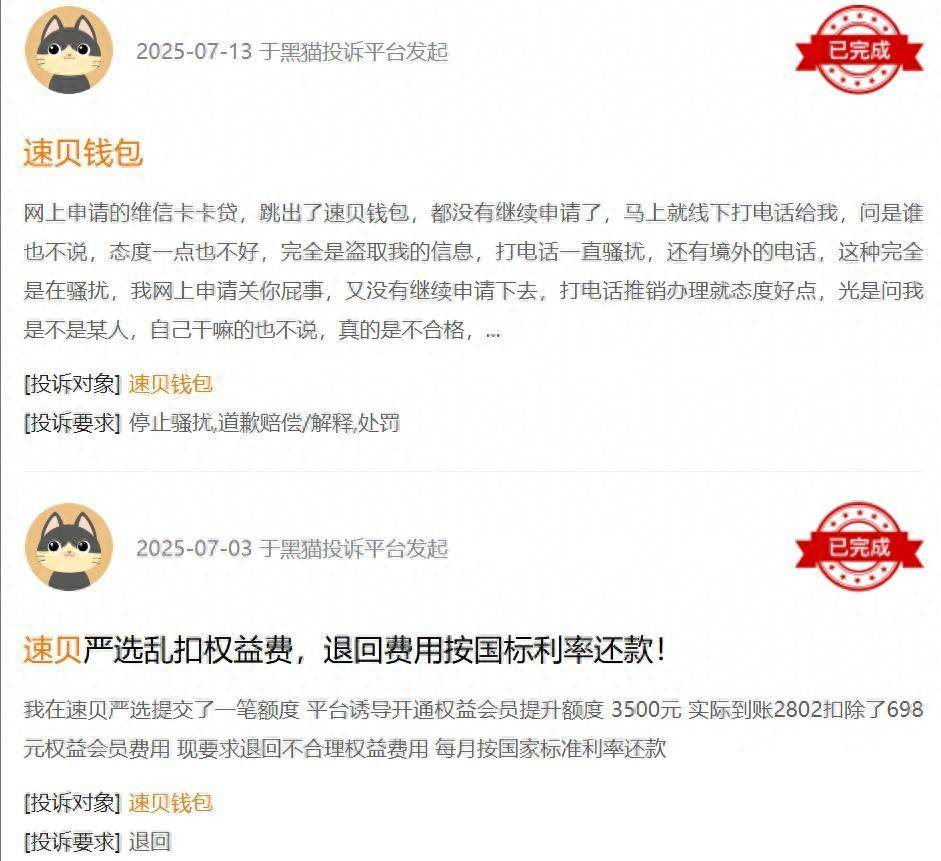
Core Viewpoint - Suzhou Jintenglong Enterprise Group, the parent company of the listed company Jintenglong, is facing allegations of usury and illegal lending through its wholly-owned online micro-lending subsidiary, Guangzhou Jinnuo Internet Micro-loan Co., Ltd. [1] Group 1: Company Overview - Jinnuo Micro-loan was established in March 2016 with a registered capital of 200 million, significantly below the regulatory minimum of 1 billion for online lending companies [1] - The legal representative and chairman of Jinnuo Micro-loan is Zhuang Haihong, who directly holds 5.2% of Jintenglong Enterprise Group [1] - Jinnuo Micro-loan operates several lending apps, including "Xinyongqian" and "Subei Wallet," which are currently in operation [1] Group 2: Business Operations - Jinnuo Micro-loan has registered 18 loan-related trademarks, indicating its focus on lending services [5] - The "Subei Wallet" app has over 100,000 downloads on various platforms, while "Xinyongqian" has several thousand downloads [5] Group 3: Customer Complaints - Users have reported issues with "Subei Wallet," including difficulties in account cancellation and high service fees [7][9] - Complaints also highlight a lack of customer service support, with users unable to reach representatives [10] Group 4: Regulatory Concerns - Allegations have emerged regarding the unauthorized sharing of personal information by Jinnuo Micro-loan's products with multiple loan platforms [15][16] - The company has been linked to other entities that have faced regulatory penalties for illegal lending practices [16] Group 5: Financial Performance - Jintenglong's 2024 annual report indicates a total revenue of 18.329 billion, a year-on-year decline of 9.20%, and a net profit of 544 million, down 46.89% [17] - The company's total assets decreased by 4.83% to 35.289 billion [17]

违法违规收集个人信息!这两家券商APP在列
券商中国· 2025-07-14 12:37
Core Viewpoint - The article highlights the ongoing crackdown by the government on mobile applications that illegally collect and use personal information, emphasizing the importance of protecting citizens' rights in the digital space [1][2]. Group 1: Government Actions - The National Computer Virus Emergency Response Center detected 68 mobile applications that violate personal information collection regulations, including popular apps in gaming, dining, hotel, travel, and finance sectors [2][3]. - Since March, various government bodies have initiated a series of special actions aimed at personal information protection, targeting common service products and everyday scenarios [2][3]. Group 2: Violations Identified - Among the 68 applications, 13 types of violations were reported, with the most common being: 1. Failure to provide users with a way to withdraw consent for personal information collection, affecting 35 applications 2. Lack of appropriate security measures such as encryption and anonymization, impacting 31 applications 3. Privacy policies not clearly outlining the purposes, methods, and scope of personal information collection, involving 30 applications [4]. - Other violations include inadequate notification of privacy policies at the first app launch, using default consent for privacy policies, and failure to provide clear information about the data processor [4]. Group 3: Specific Applications Highlighted - Two financial applications, "CaiDa CaiRiSheng" and "YinTai ZhangYiBao," were specifically named for their violations regarding personal information handling [5][6]. - "CaiDa CaiRiSheng" was found to have issues with not informing users about third-party data sharing and not providing a way to withdraw consent [7][8]. - "YinTai ZhangYiBao" failed to notify users about privacy policies and shared personal information without user consent [9]. Group 4: Ongoing Monitoring - The National Cybersecurity Notification Center reported that out of 64 previously identified problematic applications, 22 still had issues upon retesting, leading to their removal from distribution platforms [11].


5762家酒店自查自纠 来京游客个人信息保护加码
Bei Jing Wan Bao· 2025-07-14 06:58
Group 1 - The core viewpoint of the articles highlights the importance of data security and personal information protection in Beijing's tourism industry, especially with the upcoming peak travel season [1][2] - A total of 5,762 hotels in Beijing are conducting self-inspections and rectifications to ensure a safe travel environment for visitors [1] - The city has identified and rectified issues in 16 accommodation-related applications, ensuring compliance within the set deadlines [2] Group 2 - The Beijing Cultural and Tourism Bureau anticipates that the annual accommodation consumption demand will exceed 100 million person-times due to increased tourist flow [2] - A specific park in Beijing had a vulnerability in its ticketing system that allowed unauthorized access to sensitive customer information, which has since been rectified [1] - The city will also implement offline consumer scenario regulations to prevent the illegal collection and use of personal information in various cultural and tourism venues [1]
国家计算机病毒应急处理中心检测发现68款违法违规收集使用个人信息的移动应用
news flash· 2025-07-11 02:54
Core Viewpoint - The National Computer Virus Emergency Response Center has detected 68 mobile applications that illegally collect and use personal information, in accordance with laws such as the Cybersecurity Law and the Personal Information Protection Law [1] Group 1: Legal Compliance - The detection was conducted based on the requirements of the announcement from the Central Cyberspace Administration, the Ministry of Industry and Information Technology, the Ministry of Public Security, and the State Administration for Market Regulation regarding the 2025 personal information protection initiative [1]
医院刷脸是为落实就医实名制?确有必要?市民反忧个信安全
Nan Fang Du Shi Bao· 2025-07-10 15:34
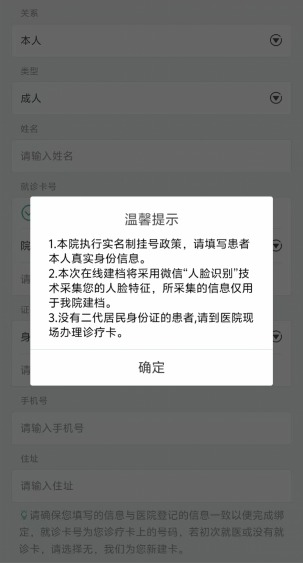
Core Viewpoint - The implementation of the "Facial Recognition Technology Application Safety Management Measures" in June 2023 establishes core principles for facial information processing, emphasizing "clear purpose, minimum necessity, and strict protection," and prohibits the use of facial recognition as the sole verification method [1][12]. Group 1: Compliance and Public Concerns - A series of investigations by Southern Metropolis Daily and Nandu Big Data Research Institute revealed that some hospitals in Guangzhou are mandating patients to use facial recognition for online registration, raising concerns about compliance with the new regulations [1][7]. - Public sentiment is mixed; while some citizens appreciate the security benefits of facial recognition in preventing identity fraud, others express concerns about the handling of sensitive personal information and the necessity of repeated identity verification [7][8]. Group 2: Policy Background and Guidelines - The requirement for real-name medical services does not inherently necessitate facial recognition, as existing regulations allow for alternative identification methods such as ID cards and social security cards [5][6]. - The National Health Commission has previously stated that medical institutions cannot refuse service based on a patient's refusal to provide facial recognition data, reinforcing the need for multiple identification methods [6][12]. Group 3: Expert Opinions and Recommendations - Experts agree that while facial recognition can enhance security and efficiency in healthcare, it must be implemented with strict safeguards to protect sensitive personal information [9][10]. - Recommendations include ensuring that patients are fully informed and consent to the collection and use of their facial data, as well as implementing robust data protection measures if facial information is stored [11][12].
人脸安全如何守护,个保合规审计怎么做,这场活动干货满满
Nan Fang Du Shi Bao· 2025-07-09 14:13
Group 1 - The event "Personal Information Protection Regulations Policy Promotion Activity" was held in Guangzhou on July 9, focusing on the challenges of personal information protection in the digital age, particularly regarding the safety of facial recognition technology applications [1][3] - The event was guided by the Guangdong Provincial Internet Information Office and co-hosted by various organizations, attracting over a hundred representatives from government agencies, research institutions, enterprises, and social organizations [1][3] - The promotion aims to shift enterprises from "passive compliance" to "active empowerment," enhancing user trust and market competitiveness through regular dissemination of regulations and policies [3] Group 2 - Experts provided detailed interpretations and on-site Q&A regarding the "Personal Information Protection Compliance Audit Management Measures" and the "Facial Recognition Technology Application Safety Management Measures" during the event [3][6] - The importance of adhering to principles of legality, necessity, and minimization in facial recognition technology applications was emphasized, along with the need for companies to conduct personal information protection impact assessments [3][6] - The audit process for personal information protection must maintain independence and objectivity, focusing on the legality and compliance of personal information processing activities [4][6] Group 3 - The event aimed to support the development of Guangdong as a leading region in personal information protection, enhancing the quality of economic and social development [6] - Attendees noted that the event provided valuable action guidelines for understanding the underlying logic and operational pathways of personal information protection work through case analysis and regulatory comparisons [6]

严惩“开盒”,给隐私“上锁”
Ren Min Ri Bao Hai Wai Ban· 2025-07-07 03:17
Core Viewpoint - The phenomenon of "opening boxes" has become a significant issue, involving the illegal collection and public disclosure of personal information, leading to online violence and harassment [1][2][3] Group 1: Definition and Mechanism - "Opening boxes" refers to the illegal gathering and public sharing of sensitive personal information, often for the purpose of inciting online violence or defamation [1] - This practice is seen as a more organized and industrialized evolution of traditional "human flesh search," which relied on crowdsourcing information [2][3] - The ease of accessing personal information has increased due to the established black and gray market for data, making "opening boxes" a low-cost and low-barrier activity [3] Group 2: Impact and Cases - Reports indicate that over 19,500 data leakage incidents were verified in 2023, affecting various industries including finance and e-commerce [4] - The rise of artificial intelligence and smart devices has exacerbated the challenges of personal information protection, as these technologies often collect sensitive data that can be exploited [5] Group 3: Involvement of Minors - A significant proportion of both victims and perpetrators of "opening boxes" are minors, who often lack awareness of the legal consequences of their actions [7][8] - The legal system considers the age and psychological state of minors when addressing "opening boxes," emphasizing education and guidance rather than solely punitive measures [8] Group 4: Regulatory Responses - The National Cyber Administration has taken steps to enhance personal information protection, including the investigation of 82 apps for violating personal data rights [9][10] - Future regulatory actions will focus on various sectors, including smart devices and the illegal sale of personal information through dark web channels [10]