中美合作

Search documents
习言道|会晤特朗普,习近平谈到四中全会
Zhong Guo Xin Wen Wang· 2025-11-01 01:23
Core Viewpoint - The meeting between Chinese President Xi Jinping and U.S. President Donald Trump highlighted China's economic achievements and its commitment to sharing development opportunities with the world, emphasizing a cooperative approach in U.S.-China relations [3][4][6]. Economic Development - China's GDP growth rate for the first three quarters of the year reached 5.2%, with a 4% increase in global goods trade imports and exports, showcasing resilience in overcoming internal and external challenges [4]. - The "14th Five-Year Plan" emphasizes high-level opening up and aims for qualitative and reasonable quantitative economic growth, alongside promoting comprehensive human development and common prosperity [6]. Opportunities for Cooperation - Xi Jinping articulated that China's success lies in its ability to improve itself while sharing opportunities with other countries, reflecting a deep-rooted cultural ethos of mutual benefit [5][6]. - The meeting served to inject confidence and momentum into global development, suggesting that China's reforms and openness will create broader spaces for U.S.-China cooperation [6]. Relationship Dynamics - The discussion underscored the importance of a healthy, stable, and sustainable bilateral relationship between the two largest economies, which is essential for long-term mutual benefits and global expectations [8][9]. - Xi emphasized the need for dialogue over confrontation, advocating for a partnership approach that aligns with historical lessons and current realities [8].


中美可以携手多办大事实事好事
Huan Qiu Shi Bao· 2025-10-31 00:48
Group 1 - The meeting between Chinese President Xi Jinping and U.S. President Donald Trump is seen as a milestone for U.S.-China relations, potentially stabilizing global market sentiment and trade expectations [2][4] - The discussions lasted for 1 hour and 40 minutes, resulting in significant consensus that could guide the stable development of bilateral relations [2][3] - Xi emphasized the importance of partnership and friendship between the two nations, highlighting historical lessons and current necessities [2][3] Group 2 - A recent poll indicates that over 53% of Americans believe the U.S. should cooperate and engage with China, marking a shift towards a more favorable view of U.S.-China relations since 2019 [4] - Xi pointed out that both sides should focus on long-term benefits of cooperation rather than falling into a cycle of retaliation, reinforcing the mutually beneficial nature of economic ties [4][5] - The meeting addressed specific issues such as fentanyl cooperation and expanding agricultural trade, showcasing the strengthening of economic relations [4][5] Group 3 - The international community is increasingly looking to the U.S. and China to take on leadership roles in addressing global challenges, with Xi calling for collaboration on various pressing issues [5] - Both leaders expressed a desire for a better future for their countries, emphasizing the potential for significant joint efforts on global matters [5]

环球时报社论:中美元首在釜山会晤,中美给世界经济吃下“定心丸”
Huan Qiu Shi Bao· 2025-10-31 00:17
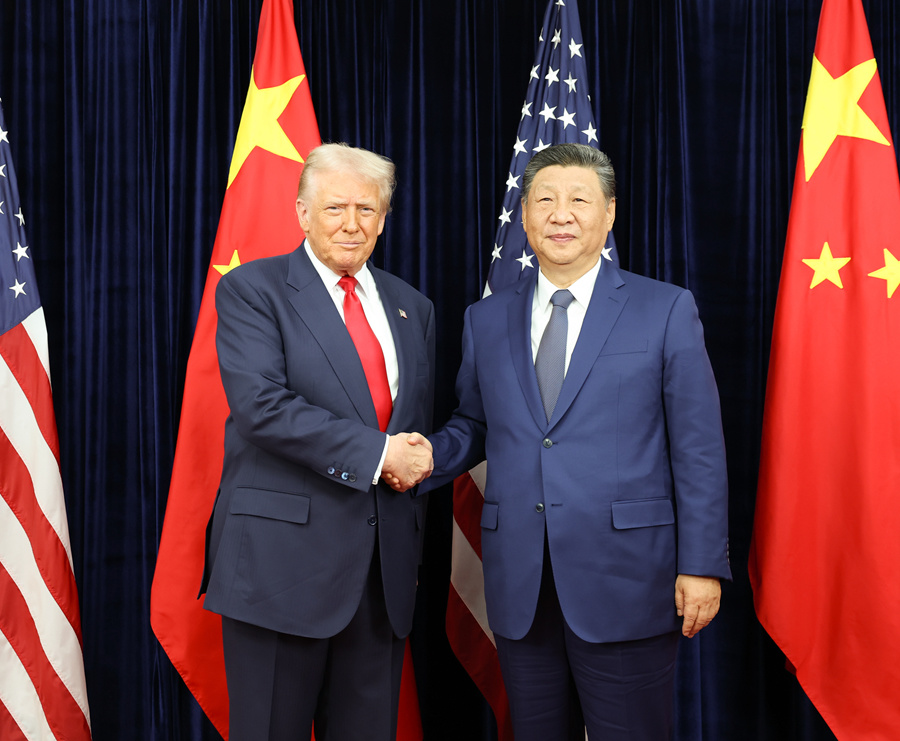
Core Points - The meeting between Chinese President Xi Jinping and U.S. President Donald Trump on October 30 aimed to stabilize U.S.-China relations, emphasizing the importance of cooperation over conflict [1][3][4] - Both leaders expressed a commitment to enhancing economic and trade cooperation, with Trump praising the meeting as a "huge success" and announcing a reduction in tariffs on Chinese goods [1][6] - The consensus reached during the meeting includes the cancellation of certain tariffs and the suspension of investigations into various sectors, which is expected to provide stability for global investors and businesses [7][8][9] Economic Performance - China's economy showed a growth rate of 5.2% in the first three quarters of the year, with a 4% increase in global trade imports and exports, indicating resilience amid challenges [3][4] - The meeting's outcomes are seen as a positive step towards stabilizing the structural tensions between the two countries, with potential long-term benefits for both economies [6][10] Trade Agreements - Key agreements include the cancellation of the 10% "fentanyl tariff" on Chinese goods and the suspension of a 24% tariff for one year, along with a pause on certain export controls and investigations by the U.S. [7][8] - Both sides agreed to extend some tariff exclusion measures and to continue discussions on various trade issues, including agricultural trade and specific corporate cases [8][9] Future Cooperation - The leaders agreed to enhance cooperation in areas such as energy, cultural exchanges, and addressing global challenges like illegal immigration and public health [5][6] - There is an expectation for regular communication between the two nations to foster understanding and collaboration, with potential visits planned for the following year [5][10]
钟声:中美两国完全可以相互成就、共同繁荣
Guo Ji Jin Rong Bao· 2025-10-30 23:58
Group 1 - The core viewpoint emphasizes that China and the United States can achieve mutual success and shared prosperity through cooperation and dialogue [1][3][4] - The meeting between President Xi Jinping and President Trump in Busan is seen as a significant step towards stabilizing China-US relations, providing new guidance and momentum for their development [1][2] - Both countries have agreed to enhance cooperation in economic and trade sectors, with previous rounds of negotiations leading to a consensus on resolving issues [2][4] Group 2 - The article highlights the importance of viewing differences and conflicts in a broader context, focusing on long-term benefits of cooperation [3][4] - China's economic growth rate of 5.2% in the first three quarters of the year demonstrates its resilience and vitality, which can contribute positively to US-China relations [3] - The potential for collaboration in various fields such as combating illegal immigration, anti-money laundering, and addressing global health challenges is noted as a key area for future cooperation [4]
人民日报钟声:中美两国完全可以相互成就、共同繁荣
财联社· 2025-10-30 23:54
今年以来,中美经贸关系经历曲折,在两国元首重要共识指引下,双方经贸团队先后举行5轮磋商,形成了解决问题的共识。两国元首此次 会晤,深入讨论了中美经贸关系等议题,同意加强经贸等领域合作。双方团队在吉隆坡经贸磋商中达成的相关共识与安排,给中美两国和世 界经济吃下一颗"定心丸"。这充分表明,只要双方不折不扣落实两国元首达成的重要共识,继续本着平等、尊重、互惠的原则谈下去,双方 可以不断压缩问题清单,拉长合作清单,让经贸继续成为中美关系的压舱石和推进器。 (本文来源:人民日报) 中美要做伙伴、做朋友,这是历史的启示,也是现实的需要。两国国情不同,有分歧和摩擦很正常,关键在于如何正确看待和处理差异与分 歧。双方应该算大账,多看合作带来的长远利益。当前,中国经济发展势头不错,今年前三季度增长率达5.2%,向世界展现了中国经济的 强劲韧性与活力。70多年来,中国坚持一张蓝图绘到底,一茬接着一茬干,从来没有想挑战谁、取代谁,而是集中精力办好自己的事,做更 好的自己,同世界各国分享发展机遇。这是中国成功的重要密码,与美方要实现的"让美国再次伟大"并行 不悖。 中共 二十 届四中全会审 议通过了未来5年的国民经济和社会发展规划建 ...
中美两国完全可以相互成就、共同繁荣(钟声)
Ren Min Ri Bao· 2025-10-30 22:37
Group 1 - The meeting between President Xi Jinping and President Trump in Busan on October 30 focused on strategic and long-term issues concerning China-US relations, with both leaders agreeing to maintain regular communication and enhance cooperation in trade, energy, and cultural exchanges [1][2] - The international community views this meeting as a positive signal for the stable development of China-US relations, providing new guidance and momentum amid global uncertainties [1][4] - The two leaders' ongoing communication has been crucial in navigating challenges in China-US relations, allowing for consensus building and preventing misjudgments [1][3] Group 2 - The economic relationship between China and the US has faced challenges this year, but the leaders' consensus has guided five rounds of negotiations, leading to agreements that reassure both nations and the global economy [2][4] - China’s economic growth rate reached 5.2% in the first three quarters of the year, demonstrating resilience and vitality, which aligns with the US's goal of revitalization [3][4] - The cooperation between China and the US in addressing global challenges, such as illegal immigration and public health, is seen as essential for both countries and the international community [4]
社评:中美可以携手多办大事实事好事
Huan Qiu Wang· 2025-10-30 16:51
Group 1 - The meeting between Chinese President Xi Jinping and U.S. President Donald Trump is seen as a milestone for U.S.-China relations, potentially stabilizing global market sentiment and trade expectations [1][4] - The discussions lasted for 1 hour and 40 minutes, resulting in significant consensus that could guide the stable development of bilateral relations [1][3] - Xi emphasized the importance of partnership and friendship between the two nations, highlighting historical lessons and current necessities [1][2] Group 2 - A recent poll indicates that over 53% of Americans believe the U.S. should cooperate and engage with China, marking a shift towards a more favorable view of China since 2019 [3] - Xi pointed out that both sides should focus on long-term benefits of cooperation rather than falling into a cycle of retaliation, reinforcing the mutually beneficial nature of U.S.-China economic relations [3][4] - The meeting addressed specific issues such as fentanyl cooperation, expanding agricultural trade, and handling individual business cases, showcasing the strengthening trend of economic ties [3][4] Group 3 - The international community is increasingly looking to the U.S. and China to take on leadership roles in addressing global challenges, with Xi calling for collaboration on various issues that affect both nations and the world [4] - Both leaders expressed a desire for a better future for their countries, emphasizing the potential for significant joint efforts in global affairs [4]
详讯:习近平同美国总统特朗普在釜山举行会晤
证券时报· 2025-10-30 06:40
Core Views - The meeting between Chinese President Xi Jinping and U.S. President Donald Trump emphasizes the importance of maintaining stable U.S.-China relations, highlighting the need for cooperation despite differences [2][3]. Economic Performance - China's economic growth rate for the first three quarters of the year reached 5.2%, with a 4% increase in global goods trade imports and exports, showcasing resilience in overcoming internal and external challenges [3]. - The Chinese government plans to deepen reforms and expand openness, aiming for qualitative improvements and reasonable quantitative growth in the economy [3]. Trade Relations - Both countries' economic teams have reached a consensus on important trade issues, with a focus on maintaining and implementing this consensus to provide tangible results for both nations and the global economy [3][4]. - Economic cooperation should be viewed as a stabilizing force rather than a source of conflict, encouraging both sides to focus on long-term benefits rather than retaliatory actions [4]. Cooperation Areas - There are promising prospects for cooperation in areas such as combating illegal immigration, telecommunications fraud, anti-money laundering, artificial intelligence, and infectious disease response [4]. - Both leaders agreed to enhance cooperation in trade, energy, and cultural exchanges, indicating a commitment to ongoing dialogue and collaboration [7]. Future Engagements - The two leaders agreed to maintain regular interactions, with Trump expressing interest in visiting China and inviting Xi to visit the U.S. [8].

详讯 | 习近平同特朗普举行会晤
财联社· 2025-10-30 06:29
Core Points - The meeting between Chinese President Xi Jinping and U.S. President Donald Trump emphasized the importance of maintaining stable U.S.-China relations, highlighting the need for cooperation despite differences [1][4] - Xi noted China's economic growth rate of 5.2% in the first three quarters of the year, with a 4% increase in global trade, showcasing resilience in the face of challenges [2] - Both leaders agreed to enhance cooperation in trade, energy, and cultural exchanges, and to maintain regular communication [5][6] Summary by Sections U.S.-China Relations - Xi emphasized the necessity for both countries to act as partners and friends, acknowledging that while differences exist, cooperation is essential for mutual benefit [1] - The leaders discussed the importance of economic ties as a stabilizing force in their relationship, advocating for a focus on long-term benefits rather than retaliatory actions [3] Economic Performance - China's economy demonstrated a growth rate of 5.2% in the first three quarters, with a notable 4% increase in global trade, indicating strong economic fundamentals [2] - The Chinese government plans to deepen reforms and expand openness, aiming for qualitative and quantitative improvements in economic development [2] Cooperation and Dialogue - Both leaders agreed on the importance of dialogue over confrontation, with a focus on enhancing communication across various channels to foster understanding [3] - The potential for collaboration in areas such as combating illegal immigration, telecommunications fraud, and public health was highlighted as a positive avenue for U.S.-China relations [3] Future Engagements - Trump expressed his desire to visit China in the near future and extended an invitation for Xi to visit the U.S., indicating a commitment to ongoing engagement [6] - The upcoming APEC and G20 summits were mentioned as opportunities for both nations to support each other and achieve positive outcomes for global economic governance [3][4]
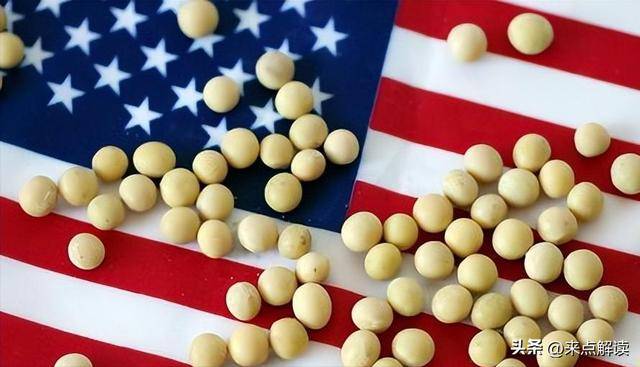
中国不可能低头买美国大豆,看透这一点的美国人,比特朗普拎得清
Sou Hu Cai Jing· 2025-10-29 08:33
Core Viewpoint - The article emphasizes that China is unlikely to yield to pressure from the U.S. to purchase American soybeans, highlighting the ineffectiveness of coercive tactics in international trade relationships [1][10][28]. Group 1: U.S. Soybean Farmers' Perspective - U.S. soybean farmers, like David Brill, express frustration over the lack of Chinese purchases despite a record harvest, indicating that the pressure from the Trump administration is counterproductive [3][12]. - The overflowing inventory of soybeans has led to significant challenges for farmers, with reports of collapsing storage facilities due to excess stock [5][7]. - The disconnect between policymakers and actual farmers is evident, as Treasury Secretary Mnuchin's claims of empathy are seen as insincere given his financial background [9][10]. Group 2: U.S.-China Trade Dynamics - The article outlines that the U.S. has historically attempted to impose its will on China through tariffs and threats, but these strategies have not yielded the desired results [15][19]. - China's ability to source soybeans from other countries like Brazil and Argentina diminishes the U.S.'s leverage in the market [21][23]. - The insistence on coercive measures by the U.S. contradicts the principles of mutual respect and equitable trade, which are essential for long-term cooperation [23][30]. Group 3: Future Implications - The ongoing pressure tactics from the U.S. are likely to harm American interests, including the agricultural sector and national credibility [28][33]. - A shift towards respectful and cooperative dialogue is necessary for resolving trade issues and ensuring the well-being of U.S. farmers [30][32].