亲子关系

Search documents
爸妈与孩子,真能成为 “朋友” 吗?
Jing Ji Guan Cha Bao· 2025-08-20 05:00
Core Viewpoint - The article discusses the complexities of the parent-child relationship and whether parents can truly be friends with their children, emphasizing the need for a balance between parental authority and friendship qualities [2][11]. Group 1: Nature of Parent-Child vs. Friend Relationships - Parent-child relationships are characterized as "asymmetrical growth support relationships" where parents provide safety, establish rules, and guide values, necessitating a sense of authority [3]. - Friend relationships are defined as "symmetrical emotional reciprocity relationships" based on voluntary and equal interaction, focusing on emotional resonance and shared interests [3]. Group 2: Positive Aspects of Parents Trying to be Friends - Incorporating "friend traits" like empathy and respect can enhance trust and reduce communication barriers, allowing children to express their inner thoughts and avoid psychological issues [4]. - Friend-like interactions help in the development of children's self-identity by validating their individual feelings and interests, which is crucial for healthy self-recognition [5]. - Demonstrating equal respect in interactions teaches children cooperation and respect for differing viewpoints, which is vital for their future interpersonal relationships [6][7]. Group 3: Risks of Overemphasizing Friendship - Abandoning the guiding role in favor of friendship can undermine the child's sense of security, leading to confusion about boundaries and authority [8]. - Neglecting the role of socialization can result in children lacking a sense of rules, making it difficult for them to understand the consequences of their actions [9]. - Parents may project their emotional needs onto their children, reversing roles and causing psychological harm by making children feel responsible for their parents' emotional well-being [10]. Group 4: Balancing Roles Across Developmental Stages - For children aged 0-6, parental authority is paramount, with friendship traits manifesting through play and emotional responses without replacing rule-setting [11]. - For children aged 6-12, a transition occurs where parents must balance authority with empathy, guiding children while allowing them to understand the significance of rules [12]. - For adolescents aged 12-18, parents should adopt a more equal and respectful approach, reducing directive communication while maintaining essential guiding principles [13]. Conclusion - Parents can be trusted friends to their children while fulfilling their guiding responsibilities, achieving a balance that benefits the child's psychological development [14].
有松弛感的家庭,才能养出有生命力的孩子
Jing Ji Guan Cha Bao· 2025-08-14 08:16
Group 1 - Different parental responses to children's mistakes can significantly impact the child's emotional development and personality [1][2][3] - Authoritarian parents tend to criticize and blame their children for minor mistakes, creating a tense atmosphere that discourages risk-taking [2] - Anxious parents may overreact, leading to children feeling insecure and fearful [3] Group 2 - A relaxed family environment allows children to make mistakes and learn from them, fostering emotional flow and resilience [4][8] - The concept of "relaxed" does not equate to a lack of rules; it involves a balance of support and guidance [5][6] - Healthy emotional expression is crucial, and both parents and children should learn to communicate feelings appropriately [7] Group 3 - Relaxed family dynamics nurture psychological safety, creativity, and resilience in children [8][10][12] - Children from supportive environments are more likely to face challenges with a rational mindset rather than fear [9] - Encouraging exploration and creativity can lead to higher problem-solving abilities in children [10][11] Group 4 - Positive parent-child communication can strengthen relationships and reduce rebellion during adolescence [14][15] - Understanding and validating children's feelings can enhance the effectiveness of parental guidance [14] Group 5 - Strategies for fostering a relaxed family atmosphere include allowing mistakes, distinguishing between significant and trivial issues, and managing parental emotions [16][17][18] - Parents should focus on self-growth and trust in their children, creating a supportive home environment [19]
《时代摘要》对话凯叔:良好的亲子关系 从讲“好故事”开始
Xin Hua Wang· 2025-08-12 05:58
Group 1 - The core idea of the article revolves around the importance of storytelling in fostering effective parent-child communication and building strong relationships [1][5] - The founder of "Kai Shu Storytelling," Kai Shu, emphasizes that good parent-child communication starts with engaging stories rather than mere lecturing [1][4] - Kai Shu has created over 51,000 episodes of children's audio and video content, accumulating over 24.5 billion views, establishing a strong brand in children's storytelling [2] Group 2 - Kai Shu highlights the creative process of storytelling, noting that producing quality original content takes significant time and effort, such as spending three years on the script for "Kai Shu's Journey to the West" [4] - He believes that the goal of storytelling is to subtly impart knowledge and cultural essence to children while ensuring they enjoy the process [4][8] - The article discusses how Kai Shu's background as a television host and his experiences interviewing entrepreneurs inspired him to pursue entrepreneurship, emphasizing the importance of passion and mission in business [9][11] Group 3 - Kai Shu stresses the significance of post-story discussions with children, which can enhance their critical thinking and curiosity about various topics [8] - He points out that many parents struggle to communicate with their children due to a lack of shared topics, which can be bridged through storytelling [5][8] - The article concludes with Kai Shu's belief in the importance of teamwork and adaptability in entrepreneurship, especially in the context of leveraging new technologies to improve product quality and user experience [13]


全网最高调的炫富,叫“东北独生女”?
Hu Xiu· 2025-07-31 03:34
东北独生女,如何被托举? 过去的一个月里,互联网最洗脑的音乐莫过于那句:"美美桑~内~~"。 这四个字音译自韩语歌曲《onespot》的第一句歌词,演唱者是小沈阳的女儿沈佳润。 随着美美桑内的爆火,互联网"投胎第一志愿"也发生了大调剂。过去,人人都想投胎成为王诗龄,如今大批人调转船头,集体羡慕沈佳润。 关于沈佳润成长过程中的蛛丝马迹,都被网友挖了出来,零星拼凑出一个接近完美的家庭托举故事:尽享父母积攒的金钱和资源,稳居家庭的爱意中心。 一时间,东北独生女,成了全网最被羡慕的对象。 和之前爆火的江浙沪独生女文学不同,沈佳润的剧本不是一个有钱有爱、无需吃苦的模板,而是父母动用资金和人脉全力支持女儿追求梦想的故事。 比起买房买车嫁给本地人,成立公司托举女儿事业更接近于新时代的理想父母之爱。它意味着:父母不仅提供富足的生活,还尊重并支持你的梦想。 "美美桑内"成为统治今夏的爆火BGM开始,围绕沈佳润的二创就没停过。 明明是韩娱专辑,却得到了东北全明星的联名翻唱。 就连封面的风格,都是统一的。 这种别致的宣发,透露出一种"家里孩子刚上班,亲戚都来搭把手"的东北大家庭式的帮扶。 从出道到爆火,沈佳润的"成名"只用了一个月 ...

全网最高调的炫富,叫「东北独生女」?
3 6 Ke· 2025-07-31 02:32
过去的一个月里,互联网最洗脑的音乐莫过于那句: "美美桑~内~~" 父母不仅提供富足的生活,还尊重并支持你的梦想。 东北独生女,如何被托举? "美美桑内"成为统治今夏的爆火BGM开始,围绕沈佳润的二创就没停过。 明明是韩娱专辑,却得到了东北全明星的联名翻唱。 就连封面的风格,都是统一的。 这四个字音译自韩语歌曲《onespot》的第一句歌词,演唱者是小沈阳的女儿沈佳润。 7月25日,《onespot》登顶QQ音乐韩国榜。 随着美美桑内的爆火,互联网"投胎第一志愿"也发生了大调剂。过去,人人都想投胎成为王诗龄,如今大批人调转船头,集体羡慕沈佳润。 关于沈佳润成长过程中的蛛丝马迹,都被网友挖了出来,零星拼凑出一个接近完美的家庭托举故事: 尽享父母积攒的金钱和资源,稳居家庭的爱意中心。 一时间,东北独生女,成了全网最被羡慕的对象。 和之前爆火的江浙沪独生女文学不同,沈佳润的剧本不是一个有钱有爱、无需吃苦的模板,而是父母动用资金和人脉全力支持女儿追求梦想的故事。 比起买房买车嫁给本地人,成立公司托举女儿事业更接近于新时代的理想父母之爱。它意味着: 这种别致的宣发,透露出一种"家里孩子刚上班,亲戚都来搭把手"的东北大家 ...

承诺打了对折 高考后的亲子冲突如何解
Zhong Guo Qing Nian Bao· 2025-07-12 01:32
Core Viewpoint - The article highlights the psychological challenges faced by families after the national college entrance examination, particularly the tensions between parents and children regarding unmet expectations and future choices [1][4][6]. Group 1: Psychological Impact on Families - There is a noticeable increase in parents and students seeking psychological help due to heightened conflicts and strained relationships post-examination [1][3]. - Many conflicts arise from unmet promises made by parents before the exams, leading to feelings of disappointment among students [2][4]. - The underlying issues often stem from long-term imbalances in power dynamics and neglected psychological needs within the family [1][6]. Group 2: Parental Expectations vs. Student Desires - Students express frustration over parents not fulfilling pre-exam commitments, such as buying new phones or allowing personal expression through hairstyles [4][5]. - Parents often prioritize practical career paths over students' personal interests, leading to significant disagreements during the college application process [4][5]. - The article illustrates the generational divide, where parents focus on security and stability, while students seek autonomy and self-identity [6][7]. Group 3: Communication Strategies - Effective communication strategies are suggested to bridge the gap between parents and children, emphasizing the importance of empathy and understanding [8][9]. - Parents are encouraged to recognize their children's needs for exploration and independence, while children should acknowledge parental concerns about future stability [8][11]. - The article advocates for a collaborative approach to decision-making, where both parties can express their views without conflict [9][10]. Group 4: Long-term Solutions - Early career exploration and psychological support in schools are recommended to help students develop a clearer sense of self and reduce future conflicts [10][11]. - The importance of allowing children to make mistakes and learn from them is emphasized, as this is crucial for their growth and decision-making skills [11][12]. - The article concludes that families should function as supportive environments for exploration rather than battlegrounds for control [10][11].
尖子生沉迷手机高考575分被赶出家门,父母决绝“治”不好孩子
Qi Lu Wan Bao· 2025-07-10 01:20
Group 1 - The core issue revolves around the extreme measures taken by parents to address their child's academic decline, specifically the decision to expel the child from home after achieving a score of 575 in the college entrance examination [1][2] - The parents' frustration stems from their perception of the child's laziness and decline in academic performance, despite previous promises to focus on studies after acquiring a smartphone [1][2] - Public sentiment appears to sympathize with the parents, viewing their drastic actions as necessary to motivate a child perceived as a "giant baby" [1] Group 2 - The article questions whether the parents' harsh actions are a result of a deeper, long-standing breakdown in trust and communication between them and the child [2] - It suggests that many parents mistakenly believe that controlling access to electronic devices will solve the problem of their child's academic focus, while the root causes may lie in the educational approach and external pressures faced by the child [2][3] - The narrative highlights the potential negative impact of viewing children as tools for achieving parental goals, which can lead to a lack of emotional support and autonomy for the child [3]
一个家庭兴旺的秘诀,不是卷孩子而是卷爸爸
洞见· 2025-06-29 10:52
Core Viewpoint - The article emphasizes the importance of fathers' active involvement in family life and child education, arguing that a father's participation leads to better outcomes for children and a healthier family dynamic [6][21][30]. Group 1: Importance of Father's Role - A father's engagement in parenting significantly enhances a child's intelligence and academic performance, as evidenced by studies from Yale University and OECD [21][22]. - The article highlights that children from families where fathers are actively involved are 58% more likely to enter prestigious schools [22]. - The narrative illustrates that a father's presence provides children with a sense of security and positively influences their character development [30]. Group 2: Family Dynamics - The article discusses how a father's support in household responsibilities can alleviate stress for mothers, leading to a more harmonious family environment [17][19]. - It presents a contrasting example of a father who actively participates in household chores and child education, resulting in a nurturing atmosphere [12][16]. - The text argues that a loving relationship between parents is crucial for a child's emotional stability and academic success [36][39]. Group 3: Building Relationships - The article stresses the need for fathers to cultivate strong relationships with both their partners and children to foster a supportive family environment [31][40]. - It mentions that children often have a strong attachment to their fathers, and this bond can be strengthened through shared activities and emotional interactions [42][43]. - The narrative illustrates that improving father-child relationships can lead to significant positive changes in children's behavior and academic performance [44]. Group 4: Role Modeling - The article points out that fathers serve as critical role models for their children, influencing their behavior and attitudes [45][46]. - It emphasizes that children often emulate their fathers, making it essential for fathers to exhibit positive traits and behaviors [48][49]. - The text concludes that a father's exemplary conduct can inspire children to strive for excellence and develop strong character [54][55].

被手机偷走的中国孩子
3 6 Ke· 2025-06-12 12:15
Group 1 - The core issue highlighted is the growing problem of internet addiction among minors, driven by the pervasive use of smartphones and online games, leading to severe family conflicts and emotional distress [1][3][11] - Parents are increasingly seeking solutions for their children's internet addiction, including psychological support and complaints against gaming companies, but often overlook their own roles in the issue [4][10][15] - The emotional disconnect between parents and children is a common theme, with many children feeling neglected and turning to online games as an escape from their problems [10][14][26] Group 2 - Data indicates that the number of minor internet users in China has reached 196 million, with a penetration rate of 97.3%, highlighting the widespread nature of the issue [11] - The Tencent Minor Protection Camp has documented numerous cases of families struggling with internet addiction, revealing that a significant percentage of families experience poor communication and understanding regarding their children's online behavior [15][22] - The article emphasizes the need for a multi-faceted approach involving families, schools, and society to address the underlying issues of internet addiction among minors [26][27]

中国家长最爱看的书,我提名它
3 6 Ke· 2025-06-11 00:37
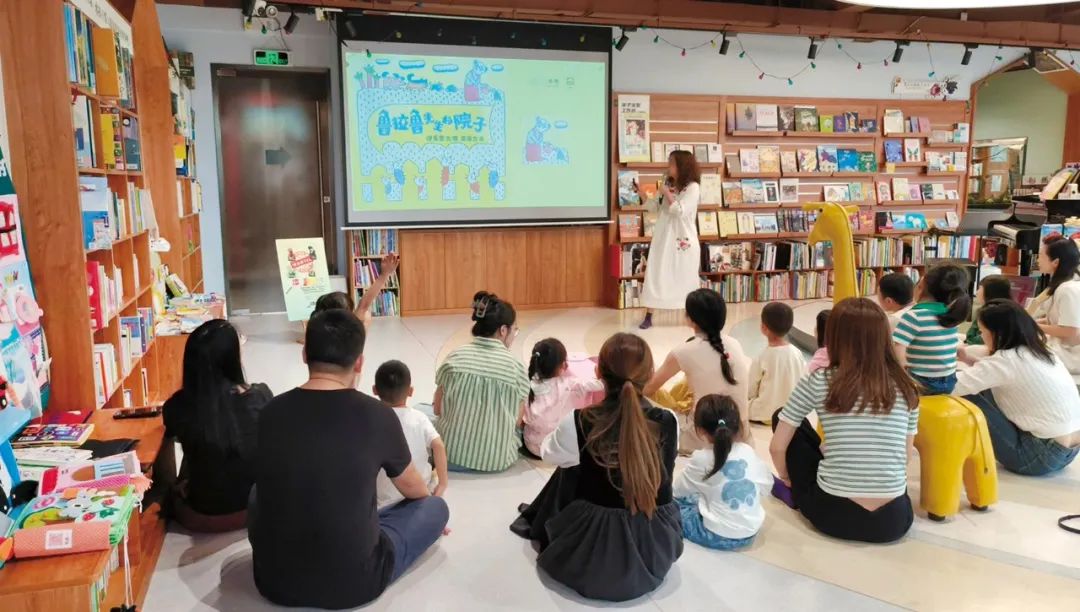
Core Viewpoint - The article discusses the significance of picture books in modern parenting, highlighting their role in fostering parent-child relationships and providing educational benefits without the drawbacks of digital media [1][3]. Group 1: Benefits of Picture Books - Picture books serve as a valuable tool for parents, alleviating concerns about children's screen time and internet dependency [1]. - Shared reading experiences can lead to meaningful conversations between parents and children, enhancing emotional connections [1]. - The practice of reading together can be a source of comfort and bonding, as illustrated by the personal story of Alice Ozma and her father [1]. Group 2: Parental Perspectives and Choices - Parents often grapple with the perceived utility of reading picture books, weighing their educational value against societal pressures [3]. - Different parents have varying approaches to selecting picture books, with some focusing on educational content while others prioritize emotional and narrative aspects [4][7]. - The experience of reading picture books can be seen as a leisurely activity without strict educational goals, allowing children to develop their preferences organically [4][7]. Group 3: Psychological Insights and Parenting Challenges - Kitt, a reading center owner, emphasizes the importance of understanding children's emotional needs and fostering open communication through shared reading [9][12]. - Many parents experience anxiety about their children's education, often feeling torn between structured learning and allowing freedom for exploration [14][15]. - Kitt advocates for a balanced approach to parenting, encouraging parents to reflect on their educational methods and their impact on children's development [15][19]. Group 4: Community and Support - Reading centers like Kitt's provide a space for parents and children to engage with books, facilitating interactions that can strengthen familial bonds [12][20]. - The community aspect of reading events allows parents to share experiences and learn from one another, creating a supportive environment for both parents and children [12][20].