住房租赁市场规范

Search documents
重要新规,明起施行!
证券时报· 2025-09-14 00:12
Core Points - The introduction of the Housing Rental Regulations marks a transition from an unregulated to a legally governed housing rental market in China [2] - The regulations prioritize the interests of tenants, recognizing them as the most vulnerable party in rental agreements [4][5] Group 1: Overall Requirements - The Housing Rental Regulations consist of 7 chapters and 50 articles aimed at standardizing housing rental activities and protecting the legal rights of parties involved [1] - The regulations promote high-quality development of the housing rental market and encourage the establishment of a dual rental and purchase housing system [1] Group 2: Tenant Protections - The regulations require that rental contracts be signed under real names and filed with local property management departments [5] - Key provisions include the stipulation that landlords cannot arbitrarily deduct security deposits without valid reasons, and they must provide reasonable notice for contract termination [5] - The regulations emphasize the need to protect tenants from potential exploitation due to information asymmetry in rental agreements [5] Group 3: Housing Standards - The regulations mandate that rental properties must comply with building, fire safety, and health standards to ensure tenant safety [6] - Specific guidelines are set for the maximum number of tenants per rental unit and the minimum living space per person [6] Group 4: Rental Business Regulations - The regulations define housing rental enterprises and outline their responsibilities, including maintaining accurate and truthful property listings [8][13] - Rental businesses must establish proper management systems and cannot engage in illegal collection or use of personal information [13] - The regulations also apply to individuals engaged in subleasing activities if they meet certain operational thresholds [9]


《住房租赁条例》9月15日起施行,让租房不再是麻烦事
Qi Lu Wan Bao Wang· 2025-09-11 01:31
Core Viewpoint - The newly released Housing Rental Regulations aim to address various issues in the rental market, providing targeted governance to improve the experience for both tenants and landlords, effective from September 15 [1][4]. Group 1: Market Context - Over 200 million people in urban areas of China are involved in the rental market, with rental populations in major cities like Beijing, Shanghai, Guangzhou, Shenzhen, and Hangzhou exceeding 40% of the resident population [3][10]. - The housing rental market has been crucial for improving living conditions and promoting urbanization, but it faces challenges such as market disorder and insufficient protection of legal rights for both parties [3][10]. Group 2: Key Issues Addressed - The regulations specifically target issues like "串串房" (poorly renovated houses), "隔断房" (partitioned rooms), and false listings, mandating that rental properties meet safety and health standards [5][6]. - The regulations require that rental agencies provide accurate information regarding property addresses, sizes, and rental prices, imposing fines for misleading listings [6]. Group 3: Contractual and Regulatory Improvements - The new rules clarify the rights and responsibilities of both landlords and tenants, addressing common concerns such as unjustified deposit deductions and lack of transparency in rental agreements [8][10]. - The regulations enhance tenant control over their living spaces, preventing landlords from entering without consent and addressing unauthorized subletting [8][9]. Group 4: Market Impact and Future Outlook - The implementation of these regulations is expected to lead to a healthier rental market, potentially causing some smaller rental businesses reliant on non-compliant practices to exit the market [11]. - Long-term effects may include increased rental stability and transparency, encouraging investment in the rental sector and promoting a shift from construction to operation in real estate development [11].
9月15日起,国家规范住房租赁市场的新规正式施行——让租房不再是麻烦事
Xin Hua Wang· 2025-09-10 23:36
Core Viewpoint - The newly released Housing Rental Regulations aim to address various issues in the rental market, providing targeted governance to improve the experience for both tenants and landlords, effective from September 15 [1][4]. Group 1: Issues in the Rental Market - Many renters have faced problems such as misleading property listings, unstable contracts, and arbitrary rent increases, leading to significant frustration and wasted time [2][3]. - The rental population in urban China exceeds 200 million, with major cities seeing over 40% of their permanent residents renting, highlighting the necessity for market regulation [3]. Group 2: Key Provisions of the New Regulations - The regulations specifically target issues like "串串房" (poorly renovated houses) and "隔断房" (partitioned rooms), mandating that rental properties meet safety and health standards [5][6]. - The new rules require accurate and complete information from rental agencies regarding property listings, imposing fines for false or misleading information [6]. Group 3: Rights and Responsibilities - The regulations clarify the rights and responsibilities of both landlords and tenants, addressing concerns such as deposit management and contract transparency [6][8]. - Landlords are prohibited from making unauthorized changes to properties or engaging in practices that could harm tenant rights, promoting a more stable rental environment [7][8]. Group 4: Market Regulation and Oversight - The Ministry of Housing and Urban-Rural Development plans to enhance supervision of the rental market through standardized contracts and a rent monitoring mechanism [8][9]. - The implementation of these regulations is expected to lead to a healthier rental market, potentially causing some smaller, non-compliant rental businesses to exit, while larger firms may benefit from increased market share [9].
让租房不再是麻烦事
Ren Min Ri Bao Hai Wai Ban· 2025-09-10 22:13
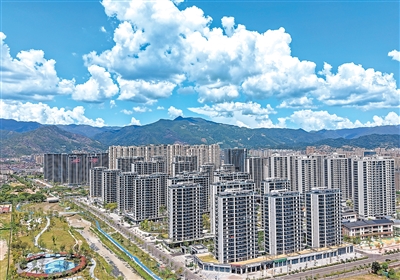
"串串房""隔断房";"高收低租""提灯定损"……不少有过租房经历的人,遇到过各式各样的烦心事。 近日,国家规范住房租赁市场的《住房租赁条例》(以下简称《条例》)发布,并将于9月15日起施 行。困扰租客、房东的种种租房乱象,有了针对性治理规范。 新规服务超2亿租房人口 提起租房的糟心事儿,在北京工作的刘女士表示"一肚子苦水"。 "我之前在中介平台上看过一套房子,照片特别漂亮,装修看起来很新,采光也好。结果中介实地带 看,才发现真实房源和照片完全不一样,不仅家具陈旧,房间大小也和描述不符。"回忆起那次经历, 刘女士仍觉得自己被欺骗了。她坦言,这样的"虚假房源"在找房过程中并不少见,"有时候一天跑好几 趟,结果一套都不合适,时间和精力都被白白浪费了"。 浙江省台州市仙居县大力推进安置房、公租房、人才公寓 建设和改造,满足多样化需求。图为该县南峰街道未来社 区,一幢幢安置房拔地而起。 王华斌摄(人民视觉) 北京冬奥村居住区转换为人才公租房,实现华丽转身。图 为冬奥村新貌。 胡庆明摄(人民视觉) 在上海一家互联网企业工作的王利勇,自开启租房生活以来,已经换过3次房子,每次都因"合同不稳 定"而头疼。相比找房的辛苦,更 ...
房东不得随意减扣押金!租房新规下周一施行,专家解读来了
Guan Cha Zhe Wang· 2025-09-10 07:09
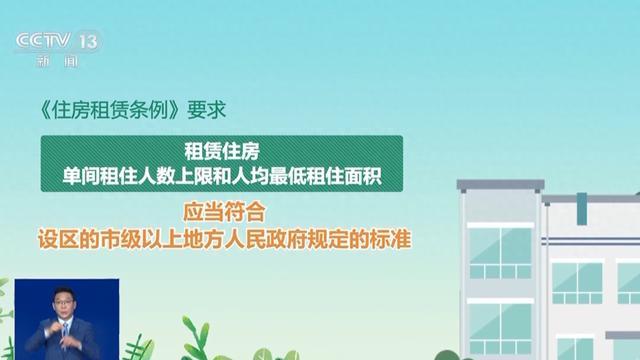
下周一(9月15日),我国首部专门规范住房租赁活动的行政法规——《住房租赁条例》将正式施行。 《条例》对出租承租活动,住房租赁企业和经纪机构的行为等都做了明确的要求。 这部条例的出台,标志着住房租赁市场,将从"野蛮生长"正式迈入依法规范成长的新阶段。 住房标准、合同管理、承租人保护,都有了更细致的规定 《条例》如何保护出租人和承租人的合法权益?主要分为三点措施。 首先,其对用于出租的住房提出明确要求,扩大了"不可租"房源名单:1、用于出租的住房应当符合建 筑、消防等相关规定和强制性标准,不得危及人身安全和健康;2、厨房、卫生间、阳台、过道、地下 储藏室、车库等非居住空间不得单独出租用于居住;3、租赁住房单间租住人数上限和人均最低租住面 积应当符合设区的市级以上地方人民政府规定的标准。 其次,加强合同管理。出租人和承租人应当使用实名签订住房租赁合同,住房租赁合同应当向所在地房 产管理部门备案。 最后,针对承租人合法权益保护不到位的问题,《条例》规定:1、住房租赁合同应当明确约定押金的 数额、返还时间以及扣减押金的情形等事项,出租人无正当理由不得扣减押金;2、出租人解除住房租 赁合同应当通知承租人并为承租人腾退租 ...

“房东税”要来了?专家解读
Yang Shi Xin Wen· 2025-08-19 15:03
Core Viewpoint - The implementation of the "Housing Rental Regulations" aims to address long-standing issues in the rental market, such as false listings and improper handling of deposits, fostering a healthier and more orderly rental environment [1] Group 1: Regulations Overview - The "Housing Rental Regulations" will officially take effect on September 15, focusing on regulating the rental market and protecting the rights of both tenants and landlords [1] - Article 8 of the regulations mandates landlords to register rental contracts with local property management departments through rental management platforms [3] - Article 30 emphasizes the establishment of an information-sharing mechanism among various government departments to manage and monitor rental housing information [3] Group 2: Taxation Clarification - The notion of a "landlord tax" is unfounded, as the regulations do not introduce any new taxes; instead, they aim to standardize the tax process for rental income [5] - Tax authorities have clarified that existing tax policies for rental income remain unchanged and that the regulations are not linked to any new tax burdens [5] - Current tax obligations for rental income include value-added tax, property tax, personal income tax, and additional fees, with various localities applying different tax rates [7][9] Group 3: Market Impact - The regulations are designed to enhance the protection of both tenants and landlords, ensuring a more equitable rental market [5] - The introduction of contract registration is a fundamental process aimed at standardizing rental transactions rather than imposing new taxes or monitoring [9] - The overall goal of the "Housing Rental Regulations" is to promote high-quality development in the rental market, benefiting both parties involved in rental agreements [9]

“串串房”乱象需加力整治
Jing Ji Ri Bao· 2025-08-10 22:00
Core Insights - The phenomenon of "串串房" (shallow rental houses) has gained public attention as the graduation rental season approaches, characterized by old houses being cheaply renovated and rented out at high prices, posing health risks to tenants [1][2] - The business model of "串串房" is driven by low risk and high return, with renovation costs for a 50 square meter unit ranging from 8,000 to 12,000 yuan, while rental prices can increase by at least 30% post-renovation [1] - The lack of effective tenant protection mechanisms allows landlords to evade accountability, as tenants often face challenges in proving their claims and recovering damages [1] Industry Implications - The "串串房" issue not only endangers tenant health but also disrupts market order, necessitating the improvement of market regulations to ensure transparency and protect tenant rights [2] - A collaborative effort is required to create a better rental market environment, including increasing penalties for violations, establishing quick testing channels, and enhancing regulatory frameworks [1][2] - The introduction of a "first responsible system" from the food safety sector could be adapted to hold platform intermediaries accountable for the conditions of rental properties [1]
《住房租赁条例》9月15日起施行 两部门回应住房租赁热点问题
Yang Shi Xin Wen Ke Hu Duan· 2025-07-23 02:54
Core Viewpoint - The "Housing Rental Regulations" will take effect on September 15, 2025, aiming to standardize rental behaviors and protect the rights of both landlords and tenants, thereby enhancing the order of the housing rental market [1][2][3]. Group 1: Regulations on Rental Behavior - The regulations specify that rental properties must meet safety and health standards, and certain non-residential spaces cannot be rented for living purposes [1]. - It mandates that rental contracts must be signed under real names and registered with local property management departments [1]. - The regulations outline the conditions for security deposits, stating that landlords cannot unjustly withhold deposits and must provide reasonable notice for contract termination [2]. Group 2: Development of Rental Enterprises - The regulations emphasize the importance of developing market-oriented and professional housing rental enterprises, requiring them to have adequate capital, personnel, and management capabilities [3]. - Rental enterprises must provide accurate and complete information about rental properties and maintain proper internal management systems [3][4]. - Individuals engaging in subleasing on a large scale will also be subject to the same regulations as rental enterprises [4]. Group 3: Role of Rental Brokerage Agencies - The regulations highlight the need for rental brokerage agencies to meet specific operational requirements and maintain a record of their personnel with local property management [5]. - Brokerage agencies are required to verify the identity of clients and the ownership of properties before listing them, ensuring transparency in service fees [5][6].
《住房租赁条例》规范市场各方 促行业高质量发展
Zheng Quan Ri Bao· 2025-07-22 16:54
Core Viewpoint - The introduction of the Housing Rental Regulations marks a new phase of legalization and standardization in China's housing rental market, providing a clear institutional framework and behavioral guidelines for rental activities [1][2]. Group 1: Encouragement and Regulation of the Housing Rental Market - The housing rental market is a crucial part of the real estate market and is essential for establishing a dual housing system of renting and purchasing [2]. - The rental population in China is expected to exceed 300 million by 2025, with major cities seeing rental populations close to 40 million, accounting for nearly 50% of their residents [2]. - The new regulations aim to standardize rental activities, protect the legal rights of parties involved, stabilize rental relationships, and promote high-quality development of the rental market [2][3]. Group 2: Impact on Rental Relationships and Market Dynamics - Standardizing rights and responsibilities in rental agreements is expected to enhance the stability of rental relationships and encourage both landlords and tenants to engage positively [3]. - A stable rental cash flow will incentivize market participants to invest in housing rentals, facilitating a shift in the real estate industry from new construction to operational management [3]. Group 3: Stimulating Housing Rental Consumption - Regulating the housing rental market is not only vital for improving livelihoods but also for boosting and expanding consumption [4]. - The rental market is a significant continuous expenditure for residents, and a well-regulated market will likely increase consumption levels [4]. - The recent consumption stimulus plan emphasizes expanding the use of housing provident funds to support renters, which will further invigorate the rental market [4][5]. Group 4: Policy Support and Market Supply - Local governments have introduced over 80 housing rental-related policies in the first half of 2025 to alleviate rental burdens and support tenants through various financial mechanisms [5]. - The new regulations are expected to create a foundational order in the market, benefiting all parties involved and enhancing market confidence [5].
住房租赁新规来了 如何保护各方合法权益?专家详解
Xin Jing Bao· 2025-07-22 14:01
Core Viewpoint - The new Housing Rental Regulations, effective from September 15, aim to address issues in China's rental housing market, which has over 200 million renters, by establishing clear rights and obligations for both landlords and tenants, thereby promoting a healthier rental market [1][7]. Summary by Relevant Sections Requirements for Rental Housing - Rental housing must comply with laws and standards related to construction, fire safety, gas, and indoor decoration, ensuring safety and health [3]. - Non-residential spaces such as kitchens, bathrooms, balconies, corridors, underground storage rooms, and garages cannot be rented out for living purposes [3]. Addressing Market Irregularities - The regulations target issues like "串串房" (substandard housing) and "隔断房" (partitioned rooms) by enforcing stricter decoration and safety standards [4][7]. - Specific provisions are included to combat "群租房" (group rentals) and "虚假房源" (false listings), ensuring that rental agencies verify and document property information before listing [9][10]. Tenant and Landlord Rights - The regulations stipulate that rental contracts must clearly define the deposit amount, return timeline, and conditions for deposit deductions, preventing landlords from unjustly withholding deposits [11]. - Landlords must notify tenants before terminating contracts and provide reasonable time for tenants to vacate, ensuring tenant rights are protected [11]. Rent Pricing Mechanism - A rental price monitoring mechanism will be established by local governments to regularly publish rental price information, enhancing market transparency and stability [12]. Obligations of Rental Market Participants - The regulations impose obligations not only on landlords but also on tenants, rental companies, and agencies, ensuring a balanced approach to rights and responsibilities within the rental market [13][15]. - Specific guidelines are set for landlords regarding property compliance and rent collection, while tenants are required to use properties responsibly and not alter structures [15][17].