全国统一电力市场

Search documents
统一电力市场赋能储网风光高质发展
HTSC· 2026-02-12 01:39
证券研究报告 电力设备与新能源 统一电力市场赋能储网风光高质发展 行业走势图 (15) (2) 12 25 38 Feb-25 Jun-25 Oct-25 Feb-26 (%) 电力设备与新能源 沪深300 资料来源:Wind,华泰研究 2026 年 2 月 12 日│中国内地 动态点评 电力设备与新能源 增持 (维持) 刘俊 研究员 SAC No. S0570523110003 SFC No. AVM464 karlliu@htsc.com +(852) 3658 6000 边文姣 研究员 SAC No. S0570518110004 SFC No. BSJ399 bianwenjiao@htsc.com +(86) 755 8277 6411 戚腾元 研究员 SAC No. S0570524080002 SFC No. BVU938 qitengyuan@htsc.com +(86) 21 2897 2228 徐嘉欣* 联系人 SAC No. S0570125070136 xujiaxin@htsc.com 华泰研究 2 月 11 日,国务院办公厅关于完善全国统一电力市场体系的实施意见(国 办发〔2026 ...
国办重磅发文,事关电力市场
21世纪经济报道· 2026-02-11 14:24
记者丨雷椰 编辑丨陈洁 2月11日,国务院办公厅发布《关于完善全国统一电力市场体系的实施意见》(以下简称《实 施意见》)。 多位业内人士向21世纪经济报道记者表示, 本次《实施意见》的公布,标志着电力市场化改 革从部门推动上升为国家战略部署。 文件提出全国统一电力市场顶层设计原则和目标愿景, 为新形势下对照纵深推进全国统一大市场建设要求,深化全国统一电力市场体系建设明确了方 向和路径。 《实施意见》明确,到2030年,基本建成全国统一电力市场体系,各类型电源和除保障性用户 外的电力用户全部直接参与电力市场, 市场化交易电量占全社会用电量的70%左右 。到2035 年,全面建成全国统一电力市场体系,市场功能进一步成熟完善,市场化交易电量占比稳中有 升。 《实施意见》提出推动电力资源在全国范围内优化配置、健全电力市场的各项功能、促进各类 经营主体平等广泛参与电力市场、构建全国统一的电力市场制度体系等多项内容。 | 索引 号: 000014349/2026-00009 | 主题分类: 国土资源、能源电力 | | --- | --- | | 发文机关: 国务院办公厅 | 成文日期: 2026年02月08日 | | 标 ...

我国将增加跨省跨区输电规模和清洁能源输送占比
Xin Lang Cai Jing· 2026-02-11 09:27
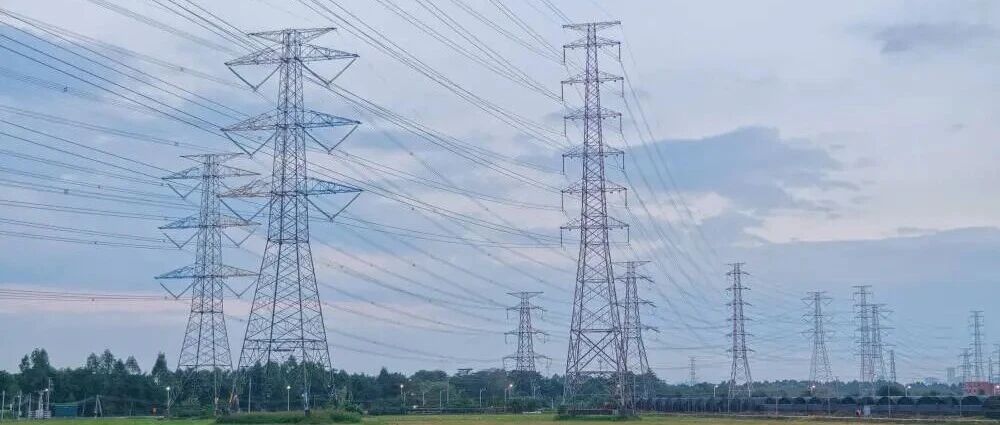
近日,国务院办公厅印发了《关于完善全国统一电力市场体系的实施意见》,系统谋划了全国统一电力 市场未来5—10年的目标任务。《实施意见》提出,要完善跨省跨区电力交易制度,通过促进国网、南 网间跨电网常态化市场交易,增加跨省跨区输电规模和清洁能源输送占比。此外,《实施意见》提出将 推动更多民营企业参与电力市场,完善主要由供需关系决定的电价形成机制,各地不得违法违规出台优 惠电价政策。(央视新闻) ...
国务院:我国将增加跨省跨区输电规模和清洁能源输送占比
Bei Jing Shang Bao· 2026-02-11 09:27
此外,《实施意见》提出将推动更多民营企业参与电力市场,完善主要由供需关系决定的电价形成机 制,各地不得违法违规出台优惠电价政策。 北京商报讯(记者 程靓)2月11日,国务院办公厅印发《关于完善全国统一电力市场体系的实施意见》 (以下简称《实施意见》),系统谋划全国统一电力市场未来5—10年的目标任务。其中提出,要完善 跨省跨区电力交易制度,通过促进国网、南网间跨电网常态化市场交易,增加跨省跨区输电规模和清洁 能源输送占比。 ...
中国能源治理 现代化报告(2025)发布
Zhong Guo Dian Li Bao· 2026-02-11 03:23
2月6日,华北电力大学国家能源发展战略研究院会同社会科学文献出版社,在中国能源研究会配售电专 委会的组织下联合发布《能源治理蓝皮书:中国能源治理现代化报告(2025)》。报告聚焦战略规划、 科技创新、市场机制等核心领域,系统梳理2024~2025年能源治理政策实践,提出针对性发展建议。 报告指出,绿色低碳理念已贯穿能源治理全过程,新型电力系统建设成为政策聚焦重点,电力市场改革 持续走深走实。作为电力市场化改革的关键抓手,新能源全量入市正释放多重转型红利:通过推动新能 源交易、绿电交易、绿证交易的价值衔接,将完善科学价格发现机制,为多层次全国统一电力市场体系 筑牢基础。同时,这一举措将重构"源网荷储"多元主体商业模式,火电向灵活性调节资源转型,新能源 电站通过"新能源+储能"模式优化运营,推动电力市场从单向发用电模式向多主体互动格局转变。 "2026年推动中国能源治理现代化,要在能源资源配置市场化方面做透文章。"华北电力大学国家能源发 展战略研究院教授、中国能源研究会配售电专委会副主任王鹏提出,站在全国统一电力市场初步建成和 油气"全国一张网"初步建成的新起点,要纵深推动全国能源统一大市场,把统一市场与国家区域 ...
10.4万亿千瓦时,见证“电力供应超市”托举力
Ren Min Ri Bao· 2026-02-10 01:08
如今,"电力供应超市"的支撑作用不断拓展,不仅支撑传统制造业,也撬动新产业新业态的发展。 场景创新已成为新动能的重要驱动力。无论是哈尔滨冰雪大世界的霓虹幻彩、全运会开幕式的"鱼龙 舞",还是城市夜空惊艳的无人机表演,电力正在转化为更优质的产品与体验。 这一里程碑事件背后,矗立着一个巨大的"电力供应超市"—— 这里坐拥全球规模最大的清洁发电体系:山河湖海中转动的巨大叶片,西部荒漠巍然壮观的太阳能板, 让风光水流化作取之不尽的"巨型充电宝"。 这里更有全球最复杂的"电力连锁网络":西电东送、北电南供,从陇东到山东,从青海到广东,一条条 特高压大动脉实现了海量电源与千家万户间的"毫秒级闪送"。遍布城乡的充电桩网络,为新能源汽车普 及提供了坚实支撑。正是这个稳定高效的电力网络,托举起中国制造业的澎湃动能。 可以说,制造业的发展史,也是一部电力工业的发展史。1996年我国用电量首破1万亿千瓦时,工业化 加速起步。2011年我国成为电力第一大国后,制造业增加值连续成为全球第一。2025年,第二产业用电 量占比约64%,再次有力彰显了"电力强,则产业强"的铁律。 某次调研活动中,一家芯片半导体企业负责人的话令笔者印象深刻: ...
全国电力市场交易机制灵活高效
Jing Ji Ri Bao· 2026-02-02 01:48
交易电量规模再创新高—— 全国电力市场交易机制灵活高效 国家能源局近日发布数据显示,2025年,全国电力市场交易电量规模再创新高,累计完成交易电量6.64 万亿千瓦时,同比增长7.4%。国家能源局有关负责人表示,全国统一电力市场建设,有效促进了电力 资源优化配置,平衡了安全保供、绿色转型和价格稳定。 2025年,电力市场建设运行总体呈现三大特征。一是市场化交易电量占比持续提升,占全社会用电量比 重达64.0%,同比提高1.3个百分点。国家能源局市场监管司副司长王云波介绍,这相当于全社会用电量 中,每3千瓦时就有2千瓦时是通过市场化交易完成的,主要是因为省级现货市场连续运行基本全覆盖, 电力中长期市场实现连续运营,市场交易机制愈发灵活高效。 二是跨省跨区交易电量不断增长,达1.59万亿千瓦时,创历史最高水平,同比增长11.6%。南方区域电 力市场启动连续结算运行,长三角电力市场和东北、西北、华中等区域省间电力互济交易机制不断完 善。"三北"地区跨区外送通道度夏高峰时段全部满送,省间现货市场支援川渝等20余个省份电力保供, 畅通电力资源自由流动"大循环"。 2025年,跨电网经营区常态化电力交易机制建立,在国家电 ...
交易电量规模再创新高——全国电力市场交易机制灵活高效
Jing Ji Ri Bao· 2026-02-01 22:04
国家能源局近日发布数据显示,2025年,全国电力市场交易电量规模再创新高,累计完成交易电量6.64 万亿千瓦时,同比增长7.4%。国家能源局有关负责人表示,全国统一电力市场建设,有效促进了电力 资源优化配置,平衡了安全保供、绿色转型和价格稳定。 在推动能源绿色转型方面,现货、中长期市场价格信号反映了不同时段、不同区域的电力供需关系,让 新能源在电力供应充足时段的环境价值、高峰时段的保供价值得到充分体现;辅助服务市场则进一步完 善了调节资源的价值实现机制,激励调节资源积极参与系统调节。 2025年,电力市场建设运行总体呈现三大特征。一是市场化交易电量占比持续提升,占全社会用电量比 重达64.0%,同比提高1.3个百分点。国家能源局市场监管司副司长王云波介绍,这相当于全社会用电量 中,每3千瓦时就有2千瓦时是通过市场化交易完成的,主要是因为省级现货市场连续运行基本全覆盖, 电力中长期市场实现连续运营,市场交易机制愈发灵活高效。 二是跨省跨区交易电量不断增长,达1.59万亿千瓦时,创历史最高水平,同比增长11.6%。南方区域电 力市场启动连续结算运行,长三角电力市场和东北、西北、华中等区域省间电力互济交易机制不断完 ...
国家能源局:推动电力交易周期向“更长”延伸
Mei Ri Jing Ji Xin Wen· 2026-02-01 12:52
1月30日,国家能源局举办新闻发布会,介绍2025年全国能源形势、新型储能发展、全国电力市场交易 等情况。 《每日经济新闻》记者注意到,近期《电力中长期市场基本规则》出台,这是对2020年版本的首次全面 更新,出台新规则有何特殊考虑?对新型电力系统建设与全国统一大市场建设有何影响? 国家能源局市场监管司副司长王云波回答《每日经济新闻》记者现场提问时表示,本次修订在推动构建 全国统一大市场方面,进一步完善规则体系基础,将《绿色电力交易专章》有关内容进行了合并,融入 交易品种、交易组织等章节,同时将市场注册、信息披露、计量结算等已在其他基本规则里明确的内容 进行了协同删减。 绿电交易规模快速增长 王云波告诉《每日经济新闻》记者,新一轮电力体制改革实施以来,国家发展改革委、国家能源局先后 于2016、2020年制定修订《电力中长期交易基本规则》,奠定了我国电力市场健康发展、规范运行的良 好基础。2025年全国中长期交易电量占市场总交易电量的比例超过95%,充分发挥了电力市场"稳定 器"作用。 近年来,新型电力系统和电力市场建设持续深化,市场基础条件发生许多"新变化"。一方面,国家发布 了一批新政策,包括发用电计划全 ...
国家能源局:新型储能累计装机351GWh,平均储能时长2.58小时
中关村储能产业技术联盟· 2026-01-30 05:40
Core Viewpoint - The article discusses the 2025 energy outlook in China, highlighting significant advancements in energy supply security, green low-carbon transformation, and the development of new energy storage systems, which are crucial for supporting economic recovery and ensuring energy supply stability. Energy Supply Security - By 2025, China's energy supply security is expected to improve significantly, with stable coal production and record-high oil and gas outputs. The industrial crude oil production is projected to increase by 1.5% year-on-year, while natural gas production is expected to rise by 6.2% [5][6] - The power supply is anticipated to remain stable, supported by the commissioning of several ultra-high voltage direct current transmission projects, enhancing the interconnectivity of the power system [6] Green Low-Carbon Transformation - The pace of green low-carbon transformation is accelerating, with new policies aimed at integrating and promoting renewable energy consumption. Wind and solar power installations are expected to exceed 430 million kilowatts, with total installed capacity surpassing 1.8 billion kilowatts, accounting for over 60% of renewable energy generation [6][7] - Renewable energy generation is projected to reach approximately 4 trillion kilowatt-hours, exceeding the combined electricity consumption of the 27 EU countries [6] New Energy Storage Development - New energy storage installations are expected to grow by 84% compared to the end of 2024, reaching a total capacity of 136 million kilowatts (351 million kilowatt-hours) by the end of 2025, marking a more than 40-fold increase compared to the end of the 13th Five-Year Plan [12][14] - The average storage duration is projected to increase to 2.58 hours, an increase of 0.30 hours from the end of 2024 [12] Electricity Market Transactions - The total electricity market transaction volume is expected to reach a record high of 664 billion kilowatt-hours in 2025, with a year-on-year growth of 7.4%. Market-based transactions are projected to account for 64% of total electricity consumption, an increase of 1.3 percentage points [15][16] - Cross-regional electricity transactions are anticipated to grow to 1.59 trillion kilowatt-hours, a historical high, with a year-on-year increase of 11.6% [16] Investment Trends - National energy investment is expected to maintain rapid growth, with key project investments exceeding 3.5 trillion yuan, a year-on-year increase of nearly 11% [21] - Investment in green transition new business formats is accelerating, with significant growth in wind and solar power installations and new energy storage projects [21][27] Regulatory Developments - The article highlights the ongoing reforms in the electricity retail market, with a focus on enhancing the regulatory framework for electricity sales companies to ensure market stability and fair competition [22][23] - The introduction of new rules for long-term electricity market transactions aims to adapt to the evolving energy landscape and support the construction of a unified national electricity market [19][20]