宜居城市

Search documents
现代化人民城市怎么建更宜居、更智慧?怎么促进协同发展?
Yang Shi Wang· 2025-07-25 23:31
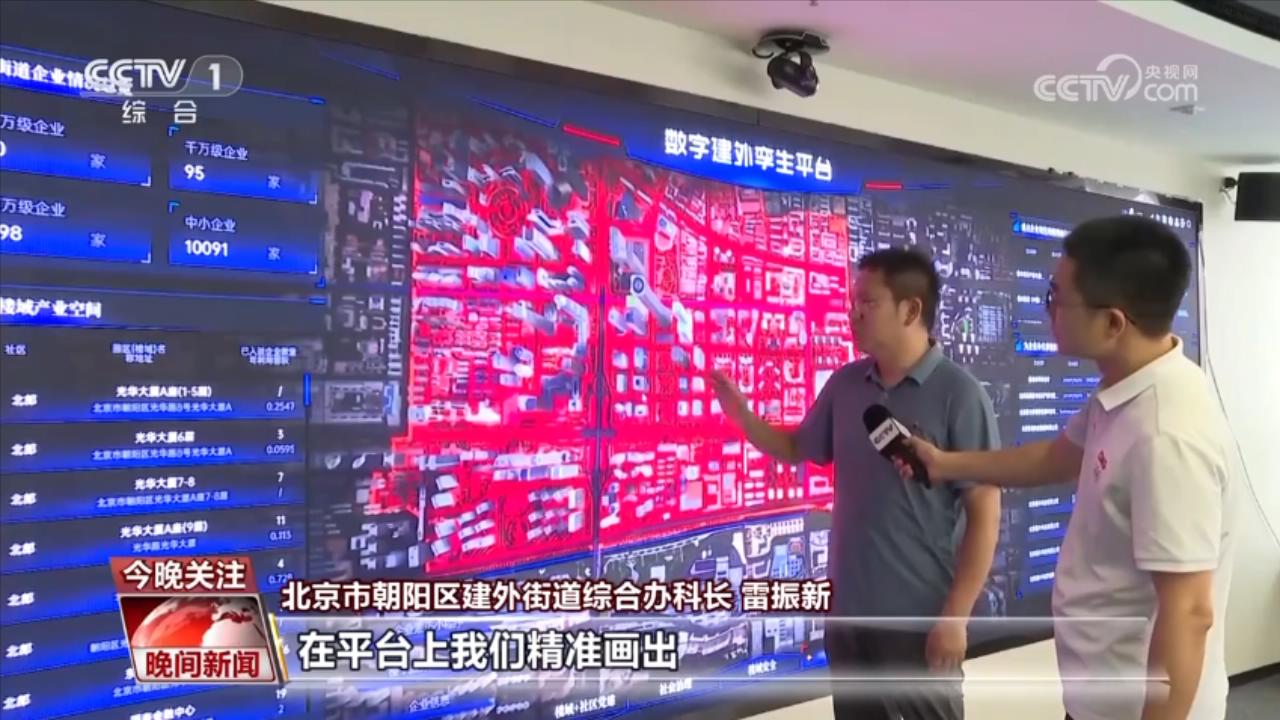
Group 1: Smart City Development - The Central Urban Work Conference emphasizes the construction of efficient smart cities, focusing on innovative governance concepts and mechanisms to address public concerns effectively [1][2] - The Jianwai Street in Beijing has launched a digital twin platform that aids businesses in finding suitable office locations by providing information on surrounding industries and potential partners [2][4] - The street has implemented six smart governance applications to monitor various issues, enhancing response times and safety measures, including fire risk prevention and electrical overload alerts [4][5] Group 2: Livable City Initiatives - The Central Urban Work Conference highlights the importance of creating comfortable and convenient livable cities, with a focus on improving public services and developing service industries [5][6] - In Shunde, Guangdong, community improvements have attracted young entrepreneurs, leading to the establishment of trendy cafes and businesses that enhance local culture and economy [5][8] - The integration of modern amenities and the preservation of historical architecture in Shunde has created a vibrant environment that appeals to both residents and tourists [10] Group 3: Collaborative Urban Development - The construction of the Chengyu High-Speed Railway, particularly the Shuan'an Tunnel, is a key project aimed at enhancing connectivity within the Chengdu-Chongqing urban agglomeration [11][14] - Once completed, the high-speed railway will allow for a travel time of just 50 minutes between Chengdu and Chongqing, significantly improving daily commutes and regional economic integration [11][14] - The increased transportation efficiency is expected to foster collaboration among surrounding cities, promoting the development of industrial parks and local economies [14][16]

学习进行时丨习近平总书记引领推动城市工作的故事
Xin Hua She· 2025-07-18 23:18
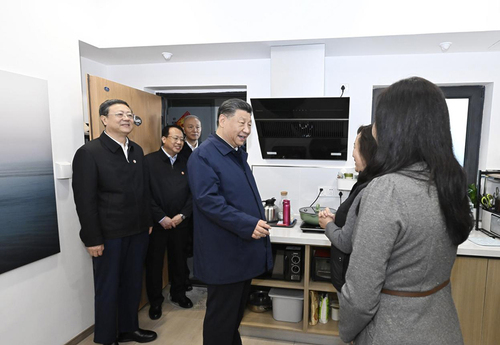
Core Points - The central urban work conference held on July 14-15 in Beijing, with significant guidance from General Secretary Xi Jinping, aims to direct urban work for the new era and journey ahead [1] - Xi Jinping emphasizes the importance of a people-centered approach in urban development, highlighting the need for cities to not only have height but also warmth [2][4] - The conference outlines seven key tasks for urban work, including the construction of comfortable and convenient livable cities, and the promotion of smart city initiatives [6][9] Group 1: Urban Development Philosophy - The concept of "People's City" was introduced by Xi Jinping in November 2019, emphasizing that cities should be built by the people and for the people [2] - Xi Jinping's visits to urban areas, such as the Minhang District in Shanghai, reflect his commitment to addressing housing issues and improving living conditions for residents [4] - The focus on meeting diverse housing needs for the population, including newcomers, is a priority in urban planning [4][6] Group 2: Smart City Initiatives - The implementation of "City Brain" technology in cities like Hangzhou is recognized as a significant step towards enhancing urban management through data and AI [7] - Xi Jinping advocates for the integration of advanced technologies to modernize urban governance, making cities smarter and more efficient [9] - The emphasis on digital empowerment and modern governance is a key task outlined in the recent urban work conference [9] Group 3: Cultural Heritage and Urban Identity - Xi Jinping stresses the importance of preserving historical and cultural sites, as seen in his visit to the Sanfang Qixiang area in Fuzhou [10][12] - The integration of traditional culture into modern urban development is essential for creating a city that reflects Chinese characteristics and values [15] - The conference highlights the need for a balanced approach between material and spiritual civilization in urban planning [15] Group 4: High-Quality Urban Development - The establishment of Xiong'an New Area is a significant project aimed at high-quality urban development, with a focus on sustainable growth and comprehensive planning [16][18] - Xi Jinping emphasizes the importance of careful planning and execution in urban projects to ensure they withstand the test of time [18][19] - The Xiong'an New Area has seen substantial development, with over 50.3 million square meters of construction and thousands of enterprises establishing operations there [19]
城市更新如何重塑生活?中央城市工作会议划重点
Yang Shi Xin Wen Ke Hu Duan· 2025-07-16 13:43
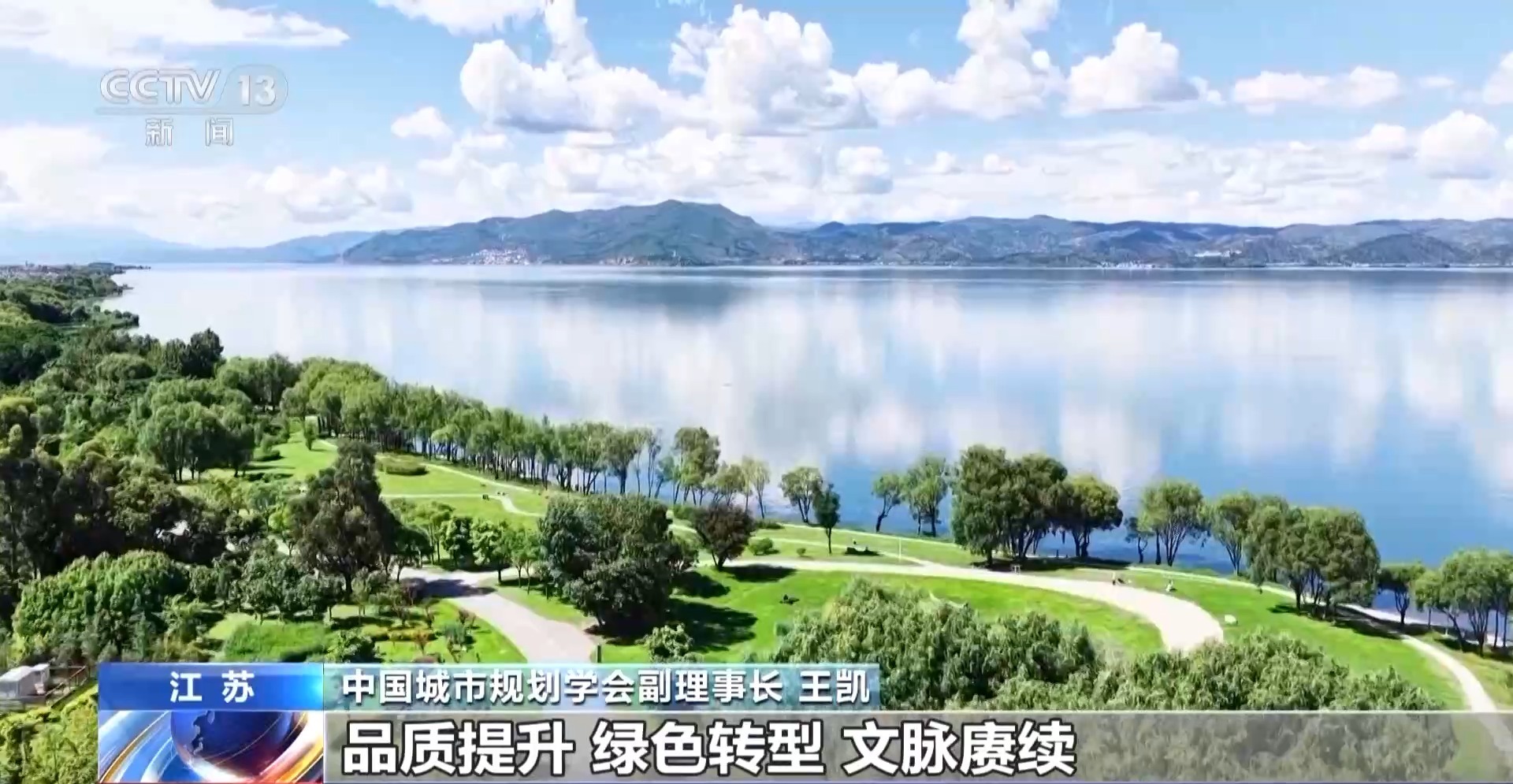
Key Points - The central urban work conference has outlined seven key tasks for urban development, emphasizing the importance of urban renewal as a crucial approach [1] - The first task focuses on optimizing the modern urban system to enhance the capacity of cities to support population and economic development, indicating a continued emphasis on urban clusters and metropolitan areas [1] - The conference highlights the need for high-quality urban renewal, which includes structural optimization, functional transformation, quality improvement, green transition, cultural continuity, and governance efficiency [3] - Urban renewal is seen as vital for providing space and support for innovative development, allowing for a more rational layout of residential, work, and leisure areas [5] - The conference calls for the construction of comfortable and convenient livable cities, with a focus on new real estate development models and the gradual promotion of urban village and dilapidated housing renovations [7] - Emphasis is placed on building green and low-carbon beautiful cities, aligning with the trend of promoting "good housing" in the real estate sector, with expectations for supportive policies in planning, land, finance, and other areas [9] - The conference also stresses the importance of building resilient cities, with specific requirements for safety governance, including limiting super-tall buildings and enhancing housing safety standards [11] - Cultural preservation is highlighted, with a focus on protecting unique historical contexts, human geography, and natural landscapes, marking a shift towards more specific cultural soft power initiatives [11] - The need for efficient smart city development is emphasized, with mechanisms to address citizens' urgent issues, indicating potential breakthroughs in urban governance models [13] - The urban development phase is shifting towards improving existing stock, necessitating a focus on human-centered, efficient, and distinctive development approaches [15]
X @外汇交易员
外汇交易员· 2025-07-15 04:12
Urban Development & Policy - Central government emphasizes building comfortable and convenient livable cities [1] - Focus on integrated planning of population, industry, towns, and transportation to optimize urban spatial structure [1] - Government aims to accelerate the construction of a new real estate development model [1] - Government plans to steadily promote the renovation of urban villages and dilapidated houses [1] - Focus on vigorously developing lifestyle service industries and improving public service levels [1] - Government aims to firmly safeguard the people's livelihood [1]
比上海还老钱的城市,挤满提前退休的中产
创业邦· 2025-06-05 10:33
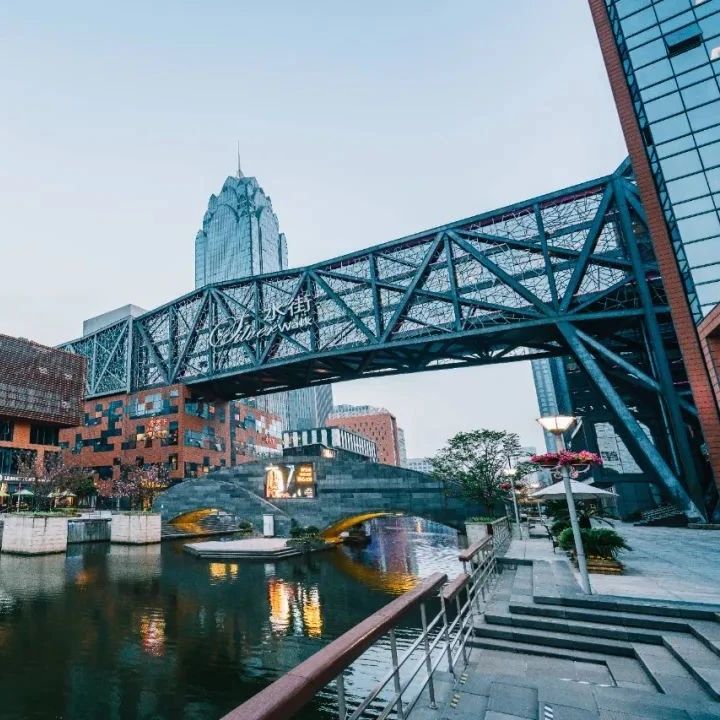
Core Viewpoint - The article discusses the rising popularity of Ningbo as a desirable relocation destination for young professionals and urban middle-class individuals seeking a better work-life balance and a more relaxed lifestyle compared to major cities like Beijing and Shanghai [3][5][10]. Summary by Sections Living Conditions - Ningbo is characterized by its affordable housing, with an average price of around 20,000 yuan per square meter, making it more accessible than cities like Shanghai and Hangzhou [15][26]. - The city offers a pleasant living environment with natural scenery, including lakes and parks, contributing to a relaxed lifestyle [5][11]. Economic Opportunities - Ningbo has a robust manufacturing and foreign trade sector, providing ample job opportunities for young professionals [10][18]. - The city offers attractive talent subsidies, including a rental subsidy of 10,000 yuan per year for up to three years for individuals under 35 who have paid social insurance for six months [10][15]. Lifestyle and Culture - Residents of Ningbo enjoy a slower pace of life, with a focus on work-life balance, where work occupies only about 30% of their lives [24]. - The local culture emphasizes enjoying life rather than being overly competitive, with leisure activities such as cycling and visiting parks being more common than nightlife [18][22]. Education and Family Life - Ningbo is noted for its strong educational environment, with a high number of academicians, making it appealing for families with children [26]. - The city provides a nurturing environment for children, allowing them to grow up in a less pressured atmosphere compared to larger cities [26]. Health and Well-being - Many newcomers report improved health and well-being after relocating to Ningbo, attributing this to the city's lifestyle and environment [27]. - The absence of a vibrant nightlife encourages healthier living habits, such as cooking at home and maintaining regular sleep patterns [27].
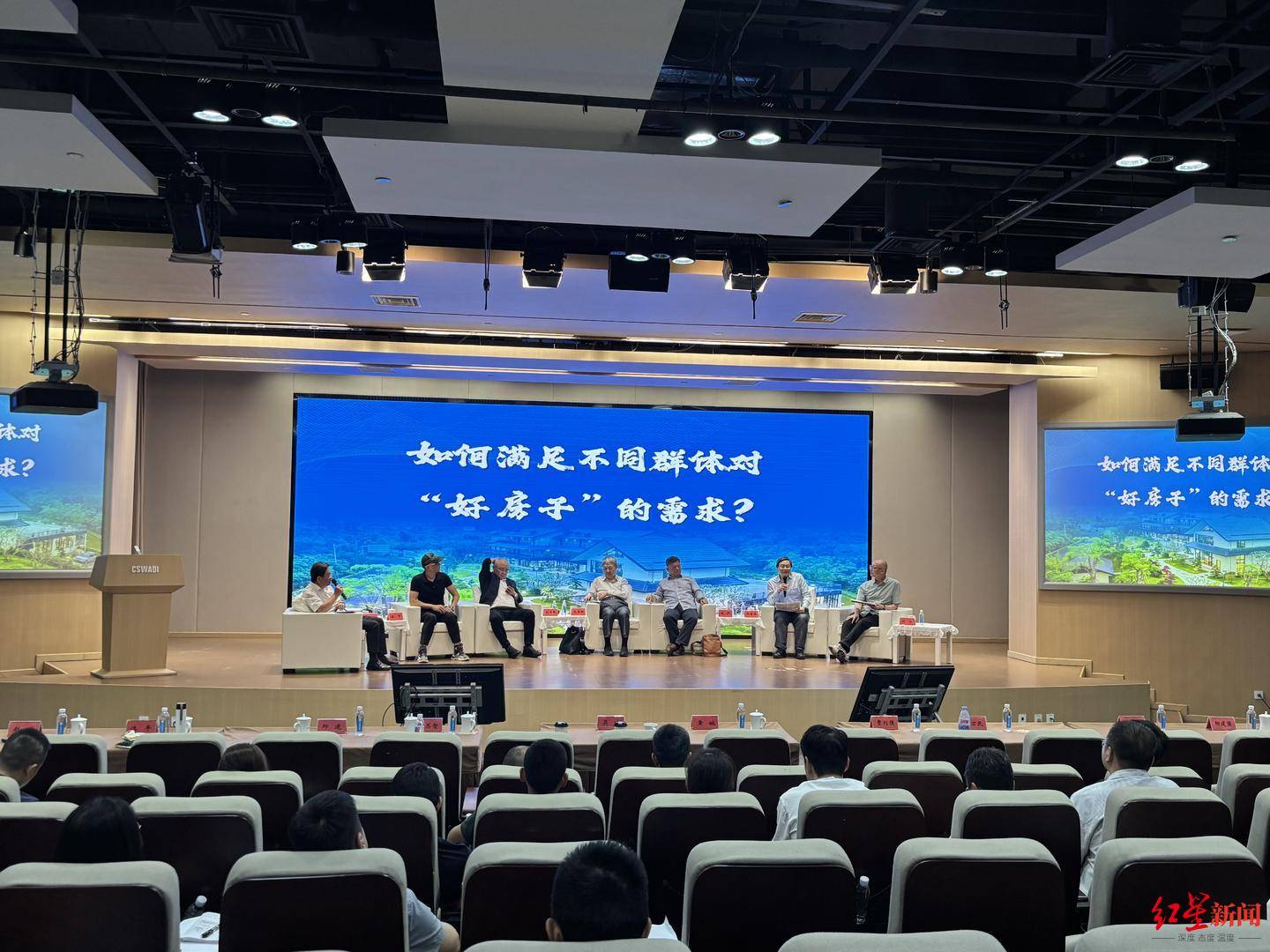
宜居的城市是什么样?行业专家齐聚蓉城,探讨“好房子”
Sou Hu Cai Jing· 2025-05-16 18:40
Group 1: Definition of a Good House - The standard of a "good house" should be multidimensional, catering to different age groups, regions, and individual needs while pursuing high-quality living [3][4] - A good house requires both hardware and software upgrades, including reasonable spatial layout, climate adaptability, and smart, ecological living experiences [4] - Different age demographics have varying needs; younger individuals prioritize technology and aesthetics, while older adults require age-friendly designs [4] Group 2: Characteristics of a Livable City - A livable city is characterized by developed infrastructure and public services, as well as attention to citizens' daily lives, integrating small yet significant life details into urban governance [5] - Chengdu is highlighted as an attractive livable city due to its pleasant climate and warm living atmosphere, which has led to increased population attraction [5][6] - Challenges such as traffic congestion and environmental pressure arise from urban expansion, necessitating central urban area decongestion and regional collaborative development [5] Group 3: Balancing New and Old Urban Development - The population growth in Chengdu is largely driven by external migration, particularly among young people, indicating the city's livability and cultural inclusiveness [6][7] - Recommendations for enhancing livability include reducing urban density through the development of new districts like the Sichuan Tianfu New Area, which aims to create a livable environment [7] - Urban renewal should focus on organic updates rather than simple demolition, preserving historical culture while transitioning industries, exemplified by the transformation of the Red Light Electronic Factory into a creative park [7]