情绪管理

Search documents
总是自认为正确的人,情绪不稳定
洞见· 2025-12-26 12:35
Core Viewpoint - The article emphasizes the importance of cognitive awareness and emotional stability in professional settings, highlighting how a narrow mindset can lead to emotional outbursts and hinder personal and professional growth [4][10][12]. Group 1: Cognitive Awareness - Individuals with low cognitive awareness often believe they are always right and are resistant to feedback, which can lead to conflicts and negative outcomes in their careers [4][6]. - The concept of the "backfire effect" is introduced, indicating that attempts to correct a self-righteous person often reinforce their beliefs and increase their defensiveness [8][10]. - A comparison is made between individuals with low and high cognitive awareness, illustrating that those with a broader perspective can manage their emotions better and respond constructively to criticism [10][12]. Group 2: Emotional Stability - Emotional stability is linked to a person's ability to accept differing viewpoints and learn from experiences, which is crucial for personal development and professional success [12][14]. - The article provides examples of individuals who reacted differently to criticism, showcasing how a positive mindset can lead to growth and advancement, while a negative mindset can result in stagnation [11][12]. - The narrative includes a story about a successful author who demonstrates humility and openness to feedback, which contributes to his continued success and creativity [20][22]. Group 3: Personal Growth - The article discusses the four levels of cognitive awareness, emphasizing that recognizing one's limitations and being open to new knowledge fosters personal growth and emotional resilience [24]. - It suggests that individuals who understand their ignorance are more likely to approach the world with humility and tolerance, leading to better emotional management [24]. - The overall message encourages readers to cultivate a mindset that embraces learning and adaptability, which is essential for navigating both personal and professional challenges [22][24].


夜读丨不要把最坏的脾气留给最亲的人
Xin Lang Cai Jing· 2025-12-22 15:14
你是否有过这样的时刻?明明心里都是对家人的关心,话到嘴边却成了带刺的责备,把刻薄急躁的一面留给了亲近的人。 尤其是压力缠身时,我们总觉得对家人发脾气,是安心的出口,却全然忽略了这份"任性"背后,给家人带来的隐性伤害。有句话说得好,"对亲近的人挑剔 是本能,但克服本能,做到对亲近的人不挑剔则是一种教养。" 坏脾气 因为人生匆匆,能陪在父母身边的时光本就有限,别让"口不择言"的坏脾气,成为日后难以弥补的遗憾;爱人是要携手走过余生的人,不要让亲近的人,频 繁承受你的糟糕情绪。 那些看似温和、从不轻易动怒的家人,并非没有脾气,只是他们更懂得珍惜感情,更在意身边人的感受,更心甘情愿地包容你的行为。对待这样的家人,最 好的方式莫过于把坏心情关在门外,将温柔与耐心,留给最值得珍惜的他们。 是很伤人的亲情消耗 家人是每一个人的避风港,应该被温柔以待,可我们却经常不由自主地,把在外受到的委屈、工作中的压力,任性地宣泄在他们身上。一句刻薄的话,或许 我们转身就忘,但对家人来说,却可能在心里留下长久的伤痕。 与爸妈斗气、跟伴侣闹别扭、对孩子暴躁……这些行为都是在透支彼此的信任与爱。亲情不是取之不尽的宝藏,而是需要我们用心守护的"情 ...

X @Yuyue
Yuyue· 2025-12-22 14:52
再说说币圈情绪管理 + 公开形象的顶级优秀案例吧…以及对应需要什么样的特征 + 品质能够做到这样的专业度家印哥 @xiejiayinBitget 的敬业程度夸张到什么程度,之前大晚上群里讨论到这个案例的时候聊到他的情绪管理是顶级的正面案例,就给他发了入群邀请,结果还没切出屏幕他就进群 + 回应了消息按家印哥的要求,顶级的 BD + PR 人才需要符合这几点素质:1、年轻、有激情、想赚钱 ❤️🔥2、BD圣体:天生让人有好感、渠道信息秒回、不推诿不拖拉不逃避,认真解决问题我补充一下第 3 点,就是情绪稳定,不把情绪带到工作里,并且有非常强的课题分离能力crypto 公司都是 startup,需要完成的工作都是那么多,想有特别好的 wlb 几乎是不可能的。顶级人才的综合素质都很高,这些特点都需要被反复打磨。这三点应该是所有想在 crypto 精益求精的人才都需要具备的Yuyue (@yuyue_chris):观 $ASTER $HUMA $PARTI 甚至 BNBChain 公关事件中,大户被骂的情况,有感而发别太把公司当家,能有效改善工作中的情绪。跟基层工作人员吵架的大户手里往往有着远比他们多的 share,就 ...
情绪爆发时,这3件事的治愈力常常被低估了
Jing Ji Guan Cha Bao· 2025-12-18 01:29
每个人都知道,要管住自己的情绪。 (原标题:情绪爆发时,这3件事的治愈力常常被低估了) 可是,很多时候,一旦你情绪上头,你根本就控制不住。发泄了情绪,事后又特别后悔,可当时就是没 办法冷静。 有些情绪是爆发式的,是特别需要急救的。 一 、改变场景 什么是改变场景?就是当你的情绪爆发时,应该立即离开现场,不要继续和那些人或事纠缠。 这么做的好处是,控制住局势,不让消极的情绪延伸。 具体说来,它起到两个作用: 第一个,切断敌对的情绪。 你愤怒、冲动的时候,情绪占了上风,你不会理性地思考问题。 你的所思所想,都是为情绪服务。 比如,你和另一半吵架,你为什么会越想越生气呢?因为你这个时候认知在为感性服务,源源不断地提 供你应该生气的证据。 以下3点,帮你从情绪的漩涡中抽离出来。 你会想:"上一次,上上一次,就是你的问题,我忍了这么久,为什么还要我忍?"你自然会越想越生 气。 怎么办呢?离开现场,切断这种敌对情绪。 第二个,切断情绪的刺激源。 环境与情绪存在着深刻的联结,每个空间都承载着特定的情绪记忆和触发点。 情绪上头时,你很容易被当下的环境困住。 比如和伴侣吵架时,盯着对方的脸、看着熟悉的客厅,只会让你更生气;被领 ...
高敏感的职场人,怎样才能治好精神内耗?
3 6 Ke· 2025-12-17 01:00
在工作中容易把事情放在心上,并不是软弱的表现,这恰恰反映出你的激情、投入和高度责任感。以更客观的方式处理工作中的诸多情境,你 便能以更清晰的思路、更平衡的心态和更有效的方式,在职业生涯中沉稳掌舵、从容航行。 工作带给我们的,往往不只是一份薪水:它还赋予我们意义感、成长机会以及社群归属感。但随着时间推移,职业角色很容易与自我认知过度绑定,对 于"敏感型奋斗者"而言尤为如此。你既渴望表现出色,又对一切有着更深刻的思考和感受,那么日常的互动、决策或反馈就很容易直接影响到你的情绪、 自我价值感和身份认同,这种影响也常被放大。 以我的一位客户布伦达为例。刚开始向我咨询时,她就提出了一个亟须解决的关键问题:"为什么我对工作中的每件事都如此上心?" 过去五年里,布伦达一直担任某知名商学院院长办公室主任。虽然她的表现始终超出预期,但付出的代价不小。每个情境、每次互动、每个结果,都让她 的情绪变得沉重,仿佛直接反映出她的能力问题。 当教职员工之间出现矛盾时,布伦达常常主动出面调解。有着高度责任感的她,确实帮忙解决了不少问题,却以牺牲自己的身心健康为代价。不仅如此, 即便是建设性批评,或是微小的挫折,也会引发她剧烈的情绪波动。最 ...

想要情绪稳定,这几句话你一定要读懂!
Jing Ji Guan Cha Bao· 2025-12-13 01:19
(原标题:想要情绪稳定,这几句话你一定要读懂!) 或者心里堵得慌,越想越委屈;再不然就是被焦虑缠住,好几天都提不起劲儿…… 其实啊,情绪这事儿没那么可怕,咱们完全能学会和它和平共处。今天这几幅漫画,说不定能给你一些 灵感和方法~ 本文转载自微信公众号"Sunny心理师 筑梦心理" 1 2 3 4 5 6 7 8 9 情绪管理这事儿,是不是也让你头疼过? 比如,明明想好好说话,结果一上头就炸了; ...
从厌学到复学|27 建立心理韧性——通过挫折教育提升抗压能力
Jing Ji Guan Cha Bao· 2025-11-28 04:30
Core Insights - The article emphasizes the importance of building psychological resilience in children to help them cope with academic pressures and interpersonal conflicts, ultimately preventing school avoidance behaviors [1][12] - It highlights that setbacks should be viewed as essential growth experiences rather than failures, and that fostering a supportive environment is crucial for children to develop coping strategies [10][12] Group 1: Cognitive Restructuring - Children often have distorted perceptions of setbacks, equating failure with personal inadequacy, which amplifies stress and leads to avoidance [2] - Engaging in conversations that redefine the meaning of setbacks can help children see them as opportunities for improvement rather than as personal failures [3] Group 2: Small Step Challenges - Many children avoid challenges due to fear of failure, which hinders their ability to build resilience [4] - Breaking down tasks into manageable steps allows children to gradually build confidence and experience success [5] Group 3: Emotional Management - Children often become trapped by negative emotions when facing setbacks, leading to irrational responses and avoidance [6] - Teaching children to recognize and manage their emotions can empower them to cope more effectively with challenges [8] Group 4: Support Systems - Many children perceive seeking help as a sign of weakness, which can lead to isolation and increased pressure [9] - Creating a support network helps children understand that seeking assistance is a wise choice and that they are not alone in facing difficulties [9] Group 5: Meaning Attribution - Children may view setbacks as evidence of their inadequacy, which can lead to self-doubt and a loss of motivation [10] - Encouraging children to reflect on their experiences and extract lessons from setbacks can foster a growth mindset [11] Group 6: Overall Resilience Development - Building psychological resilience involves understanding setbacks as a necessary part of growth, managing emotions, being willing to try and make mistakes, and recognizing the importance of support [12] - The role of parents and teachers is to accompany children on their journey through setbacks, providing support without shielding them from challenges [13]
金融破段子 | 回调总会来,焦虑挡不住
Sou Hu Cai Jing· 2025-11-24 15:12
Core Viewpoint - The article discusses the emotional challenges investors face during market corrections and emphasizes the importance of accepting drawdowns as a part of the investment process [3][4]. Group 1: Market Sentiment - Recent market adjustments have led to a shift in overall sentiment, with many investors feeling discouraged as they see significant portions of their accumulated gains evaporate in a short time [3]. - The tendency to avoid losses is highlighted, with research indicating that the negative impact of losses can be 2 to 2.5 times greater than the positive impact of equivalent gains [4]. Group 2: Investment Psychology - Investors often experience heightened anxiety when closely monitoring their investments, which can lead to poor decision-making driven by emotional responses to market fluctuations [6]. - The article references Warren Buffett's investment philosophy, advocating for a long-term approach and the importance of patience in realizing investment potential [6]. Group 3: Strategies for Long-term Investment - Instead of fixating on market corrections, investors are encouraged to focus on expanding their knowledge and maintaining a healthy lifestyle, which can contribute to better long-term investment outcomes [7].

金融破段子 | 回调总会来,焦虑挡不住
中泰证券资管· 2025-11-24 11:32
Core Insights - The article emphasizes the importance of accepting market pullbacks as a natural part of investing, highlighting that emotional responses to losses can lead to poor decision-making [2][4][5] - It discusses the concept of "loss aversion," where the pain of losing is felt more intensely than the pleasure of gaining, suggesting that investors should focus on long-term strategies rather than short-term fluctuations [2][4] - The article advocates for reducing the frequency of checking investment values to manage emotions better and avoid impulsive decisions driven by market volatility [4][5] Group 1 - Market adjustments have led to a shift in investor sentiment, with many feeling discouraged as recent gains have been significantly reduced [2] - The example of two investment products illustrates that most investors prefer a stable, lower-return option over a higher-return option with volatility, reflecting a common bias towards loss aversion [2] - Accepting that market pullbacks are inevitable is crucial for maintaining a healthy investment mindset, as the real risk lies in permanent loss of capital rather than temporary fluctuations [2] Group 2 - Behavioral aspects of investing are highlighted, suggesting that frequent monitoring of investment performance can lead to anxiety and poor decision-making [4] - The article references Warren Buffett's investment philosophy, which encourages patience and long-term holding of investments, away from the distractions of high-pressure market environments [5] - It suggests that investors should focus on expanding their knowledge and maintaining a healthy lifestyle, rather than fixating on market downturns [5]
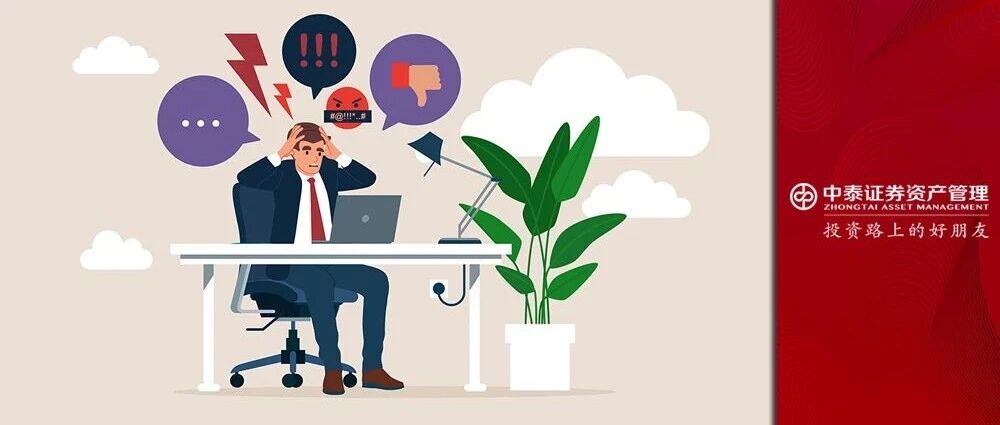
弱者着相,强者破相,智者无相(深度好文)
洞见· 2025-11-18 12:35
Core Viewpoint - The article emphasizes the importance of emotional control and wisdom in handling life's challenges, illustrating that those who can manage their emotions are more likely to succeed and avoid unnecessary conflicts [4][14][70]. Group 1: Weakness and Emotional Traps - The story of a shopkeeper who reacts impulsively to a street officer's comments leads to severe consequences, highlighting that uncontrolled emotions can result in self-inflicted harm [8][12][14]. - Historical examples, such as the ruler Zhu Zhuanggong, demonstrate how quick anger can lead to tragic outcomes, reinforcing the idea that emotional reactions can cloud judgment and lead to regret [16][22][24]. - The article suggests that those who cannot control their emotions are destined to suffer and struggle throughout their lives [27]. Group 2: Strength and Problem-Solving - The narrative of Zhu Di, who feigned madness to survive political threats, illustrates that strong individuals focus on resolving issues rather than being swayed by emotions [32][34][47]. - Lin Zexu's story emphasizes the importance of emotional restraint in leadership, showing that maintaining composure can lead to effective problem resolution [40][44][46]. - The article concludes that strong individuals live in the realm of problem-solving rather than being trapped by their emotions [47][48]. Group 3: Wisdom and Detachment - The experiences of writer Xu Zhiyuan, who remains unfazed by criticism, highlight that wise individuals understand the futility of emotional reactions to external judgments [52][56]. - The story of painters Jin Dongxin and Wang Zheng illustrates that true wisdom lies in not reacting to slights, as demonstrated by Jin's graceful handling of Wang's insults [58][70]. - The article advocates for cultivating a peaceful mind and focusing on self-improvement rather than being affected by external circumstances [72][75].