
技能人才培养

Search documents
以职教之力筑牢就业之基 中国东方教育深度服务国家人才战略
Zhong Zheng Wang· 2025-12-24 07:38
Core Insights - The article emphasizes the importance of skilled talent in supporting industrial upgrades and economic vitality in the context of high-quality development and employment-first strategies in China [1][6] Group 1: Employment and Skills Development - China Oriental Education has established a comprehensive employment support system that spans the entire process from learning to employment and development, tailored to different demographic needs [2] - The organization focuses on solidifying professional foundations and connecting students with high-end industry positions, exemplified by graduates from New Oriental Culinary Education successfully entering Michelin-starred restaurants [2] - For groups with potential for transformation, the company provides full-process support from skill development to resource connection, helping veterans transition into management roles in the culinary industry [2] Group 2: Entrepreneurial Support - The organization offers systematic support for young individuals seeking to realize personal value through skills, as demonstrated by a graduate who turned a passion for baking into a successful personal brand with annual revenue exceeding 2 million yuan [3] - The curriculum is market-oriented, providing comprehensive entrepreneurial guidance and sustainable resource connections to help students find development opportunities in niche fields [3] Group 3: Industry-Education Integration - China Oriental Education extends industry-education integration beyond talent cultivation to regional service and lifelong development, creating a sustainable ecosystem through collaboration with thousands of enterprises [4] - The organization actively participates in local industry planning and skill talent development, ensuring that educational supply dynamically matches regional development needs [4] - Alumni networks are leveraged to create localized employment opportunities, exemplified by graduates returning to mentor current students, enhancing the ecosystem's vitality [4] Group 4: Lifelong Development and Core Competencies - The ultimate goal of this ecosystem is to create a virtuous cycle of training, employment, and community service, focusing on transferable core competencies such as problem-solving and continuous learning [5] - This approach aims to ensure that graduates can adapt to industry changes and achieve sustainable career development, thereby injecting lasting vitality into regional economies [5] Group 5: Commitment to National Strategy - In alignment with national policies promoting employment and skill development, China Oriental Education translates macro strategies into effective practices that meet diverse employment needs [6] - The organization is committed to high-quality development in modern vocational education, continuously optimizing professional layouts and talent cultivation models in response to technological advancements and industry changes [7] - By adhering to the philosophy that vocational education is synonymous with employment education, the organization not only helps students realize personal value but also contributes to national strategies and economic development [7]
@技能人才,你的技能在“十五五”期间会更有价值
Xin Hua She· 2025-12-23 11:43
@ 技能 你的技能在" 電筒价值 统筹教育强国、科技强国、人才强国建设 培养造就更多战略科学家、科技领军人才、 卓越工程师、大国工匠、高技能人才等各 类人才 健全终身职业技能培训制度 强化择业和用人观念引导 加强劳动者权益保障 完善就业影响评估和监测预警,综合应对 外部环境变化和新技术发展对就业的影响 健全各类要素由市场评价贡献、按贡献决 定报酬的初次分配机制,促进多劳者多得、 技高者多得、创新者多得 完善劳动者工资决定、合理增长、支付保 障机制 推行工资集体协商制度 健全最低工资标准调整机制 加强企业工资分配宏观指导 "十五五"规划建议 推进职普融通、产教融合,持续深化 "新双高"改革,实施高技能人才集群 培养计划,优化职业教育服务区域发展、 支撑产业发展的建设布局。 怀讲鹏 教育部党组书记、部长 记者:张晓洁 海报制作:栾若卉 新华社国内部出品 ...

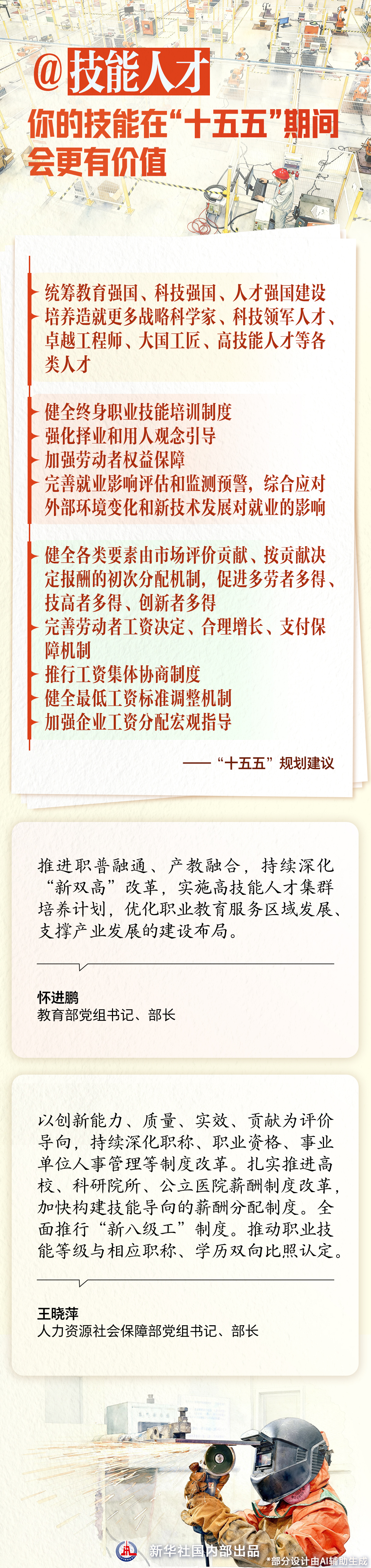
怀揣本科文凭,他们为何重读高职?
Xin Lang Cai Jing· 2025-12-21 16:36
面对就业环境的变化,他们没有抱怨或盲从,而是积极调整方向,以更务实的态度掌握一技之长,在适合自己 的赛道上踏实前行。近日,齐鲁晚报·齐鲁壹点记者与三位做出如此选择的年轻人展开对话,倾听他们如何 在变化中主动适应、在探索中重新定位。 记者 巩悦悦 实习生 吴在洁 在"人往高处走"的主流观念下,许多本科生仍沿着考研、考公或追逐高薪的常规路径前行。然而,当下也 有一批年轻人主动转向,选择走入高职或技工院校"回炉重造",在实践中重塑自己的职业未来。 济南报道 从美术教室到电力课堂,一位师范生的"技术转型" "投出上百份简历,参加了十余场面试,一半和专业有关,另一半既不了解也没兴趣,结果大多没有回音。"今 年夏天毕业于山东某高校美术师范专业的王翔宇,语气平静中带着几分思考。 "母亲开玩笑说,'除非你再高考一次',没想到我真这么做了。"带着家人的支持,汪山林抓住高考补报名机 会,在工作之余重启备考。八年后重拾课本并不容易,他最终辞职全心冲刺,以421分考入一所职业技术学 院临床医学专业。 如今在校,他有自己的学习节奏:课堂内容通过预习即可掌握,因此他将大部分时间用于自学考研材料,同 时在实践课上全力以赴,为将来执业医师考 ...
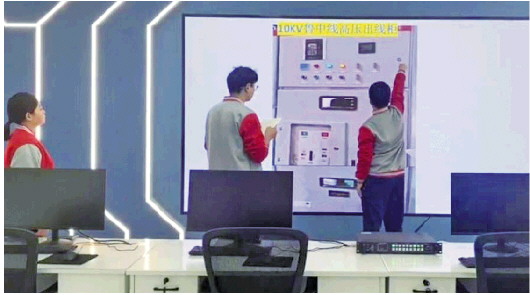
“咱们技能人才有力量”
Shan Xi Ri Bao· 2025-12-15 23:04
Group 1 - The core viewpoint emphasizes the importance of high-skilled talent in supporting high-quality development in Shaanxi Province, with a target of reaching 6.11 million skilled workers and 1.83 million high-skilled workers by the end of 2024 [1] - Shaanxi has implemented various policies to enhance the training, evaluation, and incentive mechanisms for skilled talent, focusing on aligning education with industry needs [1][5] - The province has established over 20 vocational schools in collaboration with enterprises to create integrated education and training bases, promoting a model where students are recruited directly into companies [2][3] Group 2 - The "New Eight-Level Worker" system has been introduced to provide a clearer career progression for skilled workers, adding positions such as special technician and chief technician to the existing hierarchy [7] - Shaanxi has initiated a socialized skill level evaluation system, allowing for market-driven assessments and breaking the traditional reliance on academic qualifications [8] - The province has seen a significant increase in the number of skilled talent evaluations, with around 200,000 evaluations conducted annually, including over 50,000 for advanced workers [8] Group 3 - The annual provincial vocational skills competitions have become a vital platform for talent development, with over 100 competitions held each year, engaging more than 300,000 participants [10] - Shaanxi has launched a series of measures to support the cultivation of high-skilled leading talents, including partnerships with various departments to enhance training and development opportunities [11] - The province has recognized 641 high-skilled leading talents by the end of 2024, including award winners and those receiving special government allowances [13]
北京东城已成立24个技能大师工作室,覆盖14个行业
Xin Jing Bao· 2025-12-09 06:13
区人力社保局相关负责人表示,截至目前,东城区技能大师工作室已覆盖14个职业(工种),既保护传 承了景泰蓝制作、中式烹调等传统技艺,也紧跟无人机装调检修等新兴产业发展趋势。这些工作室通 过"传、帮、带"模式,培养了大批技能骨干,解决了一批生产技术难题,不仅缓解了部分领域技能人才 断档问题,更营造了尊重劳动、崇尚技能的良好社会氛围。下一步,东城区将持续加强技能大师工作室 建设,推动技能人才队伍提质增量,让"技铸东城"成为区域高质量发展的鲜明名片。 新京报讯 据"北京东城"微信公众号消息,近日,东城区人力社保局完成2025年区级技能大师工作室评 审认定工作,新增刘红星淮扬菜制作技艺技能大师工作室等4家工作室,覆盖淮扬菜制作、瓦工、无人 机装调检修、供应链管理等多个行业领域。至此,东城区区级技能大师工作室总量达24家,与国家级、 市级工作室,形成三级联动、梯次发展的技能人才培养格局,为区域经济社会发展注入强劲动能。 在制度保障下,各工作室形成了各具特色的运行模式。刘红星的工作室通过不定期组织研发交流、标准 化流程梳理等活动,让传统烹饪技艺在师徒相传中不断优化。杨龙的工作室则建立"初—中—高"三级人 才培养体系,通过" ...
【省人力资源社会保障厅】陕西技能人才总量超610万人
Shan Xi Ri Bao· 2025-12-09 00:32
省人社厅相关处室负责人介绍,为持续壮大高技能人才队伍,陕西建立技能等级评价新体系,贯通 高技能人才与专业技术人才职业发展通道,促进两类人才融合发展;聚焦重点产业开展技能竞赛,让成 绩优异者在职业技能等级评定、专业技术职称晋升等方面享受更优待遇。 据统计,陕西每年举办各类省级职业技能大赛100余场,覆盖200多个职业工种,选拔产生了700余 名"陕西省技术能手",带动技能劳动者参与超30万人次。 12月8日,记者从省人社厅获悉:"十四五"以来,陕西开展"六个一批"技能人才培养,全面推行"新 八级工"制度,技能人才总量超610万人,其中高技能人才超180万人,为高质量发展提供了坚实支撑。 省人社厅相关处室负责人表示,为加大两类人才贯通力度,陕西将贯通领域扩大到工程、农业等8 个职称系列,在职业技能竞赛领域开辟贯通绿色通道,在省级以上职业技能竞赛中获优胜奖的选手及指 导教师均可破格考核认定相应专业技术职称,进一步拓宽技能人才横向发展路径。(记者:周明) 全省118所技工院校通过校企专业共建、人才共育等培育模式,每年培养输送高素质技能人才5万余 人。 为畅通技能人才发展通道,"十四五"以来,陕西明确技能人才水平评价由 ...
齐翔腾达技能人才培养结硕果
Zhong Guo Hua Gong Bao· 2025-12-08 03:08
Core Viewpoint - The company, Qixiang Tengda, has achieved significant recognition in recent skill competitions, reflecting its commitment to enhancing employee skills and fostering a culture of craftsmanship for high-quality development [1][2]. Group 1: Competition Achievements - Qixiang Tengda's employee, Feng Liyong, won the first prize in the Instrument and Meter Maintenance category at the 16th Shandong Province Chemical Industry Vocational Skills Competition [1]. - The company also excelled in the Chemical Inspector competition at the Shandong Province Environmental Testing and Water Treatment Technology Vocational Skills Competition [1]. Group 2: Training and Skill Development - The company emphasizes the importance of foundational skills, with a focus on practical training in areas such as locator installation, transmitter calibration, and DCS fault diagnosis [2]. - A rigorous training regimen includes over ten hours of daily simulation practice, allowing employees to complete operations in just 30 minutes during competitions [2][3]. - The company has established specialized task forces to optimize operational processes and enhance both accuracy and speed in preparation for upcoming high-level competitions [3]. Group 3: Talent Development Framework - Qixiang Tengda's talent cultivation system is structured around three pillars: skill competitions, innovation incubation, and mentor inheritance, creating a comprehensive growth pathway for employees [4]. - The company conducts annual skill competitions across all positions, ensuring strict assessment standards for various operational tasks [4]. - Innovation initiatives have led to the submission of 6,346 rationalization proposals, with 3,489 being adopted, fostering a culture of innovation across multiple technical disciplines [4]. Group 4: Comprehensive Training Mechanism - A multi-level training framework covers new employee orientation, professional skill advancement, and management training, utilizing both online and offline methods [5]. - The company invites industry experts for specialized lectures, ensuring employees are updated on the latest technological trends and practical insights [5]. - A robust evaluation and feedback mechanism is in place to assess training effectiveness and continuously improve training quality based on employee input [5].

河北青龙:“栗工”巧改板栗产业 从“望天收”到“全年赚
Zhong Guo Jing Ji Wang· 2025-12-05 08:21
Core Insights - The article highlights the transformation of Qinglong County in Hebei Province through the development of the chestnut industry, emphasizing the integration of technology, skilled labor, and e-commerce to drive rural revitalization [1][11]. Industry Development - Qinglong County has established a labor brand "Qinglong Chestnut Workers," focusing on the entire supply chain from planting to processing and sales, which has stimulated local economic growth [1][4]. - The county has achieved an 80% improvement in the quality of chestnut varieties through the establishment of 30 experimental gardens and 4 breeding nurseries [4]. - The introduction of advanced techniques, such as scientific pruning and organic farming, has significantly increased chestnut yields, with farmers reporting production increases from a few dozen pounds to substantial amounts [2][4]. Technological Innovation - The county's agricultural practices have evolved from traditional methods to modern techniques, with a focus on training farmers through both online and offline methods, including over 20 training sessions annually [4][10]. - The implementation of rapid freezing technology has extended the shelf life of chestnut products to 18 months, allowing for exports exceeding $5 million annually [5][8]. Economic Impact - The chestnut industry has become a pillar of the local economy, generating an annual output value of over 1.6 billion yuan, with products being exported to over 30 countries [8]. - The development of deep processing enterprises has diversified product offerings, leading to the creation of over 100 new products, including chestnut noodles and chestnut wine [7]. E-commerce Integration - The rise of e-commerce has facilitated the distribution of Qinglong chestnuts, with a logistics system comprising 1 county-level center, 24 township distribution stations, and 396 village service points [8]. - The county's e-commerce initiatives have resulted in over 4,000 rural online businesses achieving sales exceeding 2 billion yuan annually [8]. Talent Development - Qinglong has established a comprehensive training system involving universities, enterprises, and government to cultivate skilled labor, with over 1,000 training sessions conducted, benefiting more than 100,000 farmers [10]. - The emergence of a diverse skilled workforce, including traditional farmers and new entrepreneurs, has been crucial in driving the county's rural revitalization efforts [10][11].
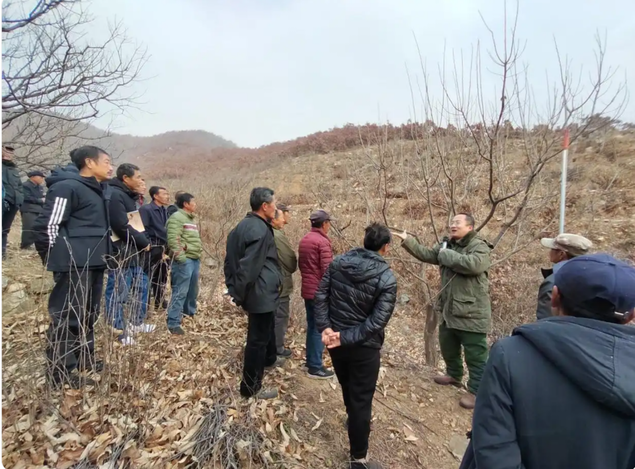
整体通过率创新高|港兴燃气2025年职业技能认定圆满完成
Xin Lang Cai Jing· 2025-12-04 11:28
Core Insights - The core achievement of the company is the successful completion of the 2025 vocational skill level assessment, with a record overall pass rate of 92.41%, an increase of 8.7 percentage points from the previous year, indicating significant progress in the company's skill training and evaluation system [1][8][18] Assessment Details - The assessment took place at the newly established gas training center and covered all skill levels for five core job categories, with 237 employees participating and 219 passing [1][8] - The assessment process was based on principles of fairness, justice, and transparency, consisting of theoretical exams, practical tests, and comprehensive evaluations [9][18] Monitoring and Evaluation - The examination process was monitored through multi-angle video surveillance to ensure comprehensive coverage and traceability of results, with evaluators adhering to national occupational standards for fair assessment [9][18] - Quality supervisors were present throughout the process to ensure compliance with regulations and to document the examination dynamics in real-time [9] Skill Development Strategy - The company emphasizes skill development as a strategic priority, aiming to create a robust training and evaluation mechanism to enhance job skills and overall employee quality [18] - The increase in pass rates reflects not only the improvement in employee skill levels but also the effectiveness of the company's talent cultivation system, fostering a culture of continuous skill development [8][17]
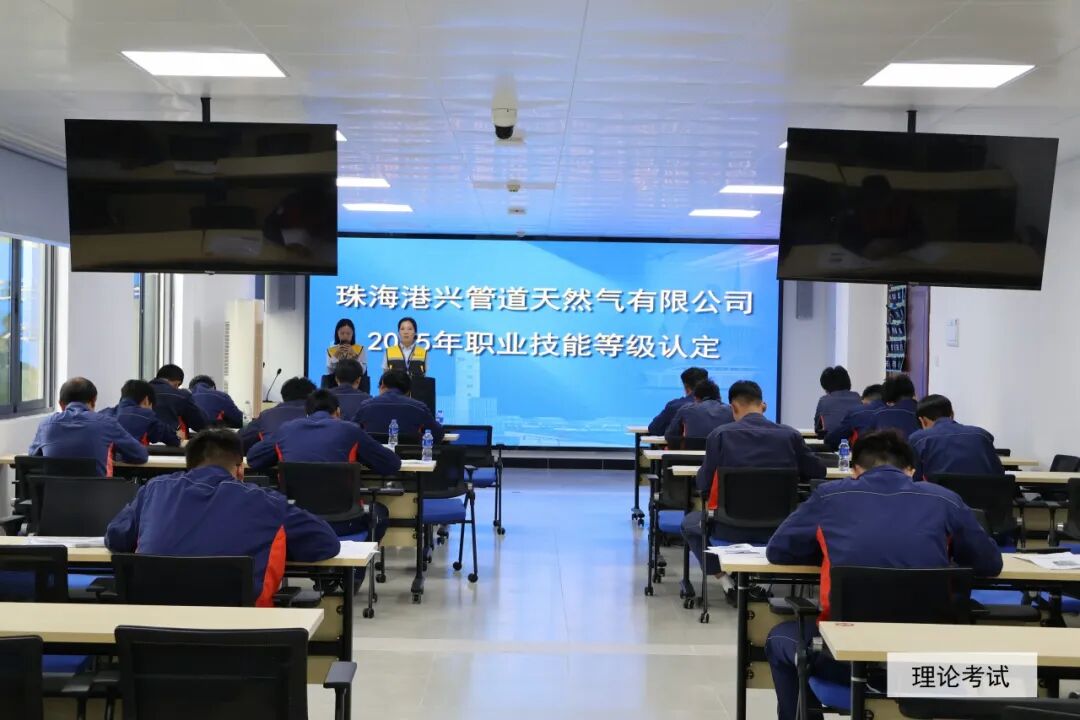
第三届全国技能大赛河南省获奖选手宣讲交流活动举行 冠军是这样练成的
He Nan Ri Bao· 2025-11-23 23:31
Core Insights - The third National Skills Competition showcased the talents of skilled individuals from Henan Province, highlighting their dedication and achievements in various fields [1][2] Group 1: Participants and Achievements - Seven gold medal winners from different skill categories shared their experiences and insights during a presentation event at Henan Technician College [2] - The gold medalists included winners from drone systems, water treatment technology, elderly care, sewage treatment, restaurant service, and autonomous mobile robots [2] Group 2: Themes of Passion and Perseverance - "Passion and perseverance" emerged as the most frequently mentioned themes among the participants, emphasizing the importance of dedication in achieving success [3] - Participants like Wang Yuhang and the duo of Jie Mingxin and Yang Qirui highlighted their rigorous training and commitment to overcoming challenges as key factors in their success [3] Group 3: Personal Growth and Confidence - Many gold medalists faced academic setbacks but chose to pursue vocational skills, regaining confidence and excelling in their respective fields [3] - Lu Yi, who did not enter high school, found inspiration in a teacher's achievements and committed to advancing in water treatment technology [3] - Hu Xiaoyao, after graduating from junior high, embraced her role in restaurant service, demonstrating how professional skills can lead to personal fulfillment [3] Group 4: Pursuit of Excellence and Craftsmanship - The event underscored the growing emphasis on labor spirit and craftsmanship in modern vocational training, with participants striving for excellence in their skills [4] - The field of elderly care is evolving into a comprehensive discipline that combines technical skills with humanistic care, requiring participants to perform a wide range of tasks [4] - Competitors like Li Mengfang and Chen Chaoyue exemplified the dedication to refining their skills through real-world practice and rigorous training [4][5]