
新八级工制度

Search documents
人社部:实施新八级工制度
21世纪经济报道· 2026-03-07 03:39
Group 1 - The core viewpoint of the article emphasizes the implementation of the "New Eight-Level Worker" system to support enterprises in evaluating and appointing chief and special technicians, thereby facilitating the upward mobility of skilled talent [2] - The initiative aims to promote horizontal integration of high-skilled and professional technical talent career development, as well as mutual recognition of skill certificates, creating diverse growth pathways [2] - A skills-oriented wage distribution system will be established in enterprises, rewarding those who work more, possess higher skills, and demonstrate innovation [2] Group 2 - The 48th World Skills Competition will be held in Shanghai in September, featuring over 60 competition projects, allowing attendees to experience the beauty of skills and the brilliance of labor [2]

养老服务师:为老人照护需求“精准画像”
Xin Lang Cai Jing· 2026-01-31 22:36
Core Viewpoint - The introduction of the "elderly service specialist" profession is a significant step in addressing the aging population in China, aiming to enhance the quality of elderly care services and create a structured career path for professionals in this field [2][3]. Group 1: Introduction of Elderly Service Specialist - The elderly service specialist was included in the seventh batch of new occupations announced by the Ministry of Human Resources and Social Security, focusing on assessing needs, developing care plans, and providing technical guidance in elderly care [2]. - This new role is part of China's broader strategy to tackle population aging, as outlined in the "14th Five-Year Plan," which emphasizes improving elderly care services and developing a coordinated policy mechanism [2]. Group 2: Professional Development and Training - The Ministry of Civil Affairs and the Ministry of Human Resources and Social Security are working on establishing a professional qualification system for elderly service specialists, with a plan to train 1.5 million skilled personnel over the next three years [3]. - The "New Eight-Level Worker" system will be implemented in the elderly care sector, creating a clear career progression from apprentice to chief technician, which includes elderly service specialists [4]. Group 3: Role and Function of Elderly Service Specialists - Elderly service specialists are compared to "designers," responsible for comprehensive assessments of elderly individuals' physical and mental conditions, and for creating integrated care plans that include various support resources [3]. - The emergence of elderly service specialists allows for a more precise understanding of elderly needs, moving away from a one-size-fits-all approach to a more personalized care model [3]. Group 4: Collaboration and Implementation - A new collaborative model is emerging where elderly service specialists lead teams of caregivers, enhancing the clarity of care objectives and improving service delivery [5]. - The combination of elderly service specialists and the "New Eight-Level Worker" system is expected to create a structured career advancement pathway, addressing long-standing issues in the elderly care workforce, such as low pay and limited career growth [5]. Group 5: Future Outlook and Challenges - Despite the promising outlook, the professional standards and assessment mechanisms for elderly service specialists are still in development, indicating that the field is in an exploratory phase [6]. - The relationship between elderly service specialists and caregivers is expected to evolve into a partnership, enhancing the focus and depth of caregiving while attracting new talent to the industry [6].

稳就业促增收有哪些着力点?2026年将这样发力
Xin Hua Wang· 2026-01-28 00:30
Group 1 - The employment situation in China is expected to remain stable in 2025, with 12.67 million new urban jobs created and an average urban survey unemployment rate of 5.2% [1] - The Ministry of Human Resources and Social Security plans to implement measures to support employment and income growth in 2026, focusing on skill enhancement and rights protection [1] - Key sectors and industries will continue to expand job opportunities, particularly in grassroots and small to medium enterprises, with a reduction in unemployment insurance fees saving companies 187.2 billion yuan [1] Group 2 - The government will launch actions to stabilize and expand job opportunities, including support measures for key industries and addressing the impact of artificial intelligence on employment [2] - Entrepreneurship is recognized as a significant driver of employment, with policies such as guaranteed loans and interest subsidies available for various groups, including unemployed urban residents [2] - The Ministry will enhance vocational skills training, targeting key groups and sectors, and implement five training initiatives to better align training with industry needs [2][3] Group 3 - The government aims to improve the effectiveness of vocational training by summarizing experiences from various training models and enhancing the skill evaluation system [3] - The 48th World Skills Competition will be held in Shanghai, promoting skill development through competitions and encouraging youth participation in skill training [3] - New regulations will be introduced to protect the rights of workers in new employment forms and to improve the wage distribution system [3]
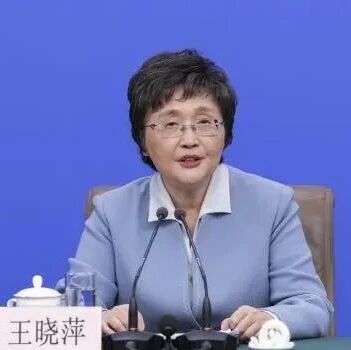
人社部部长王晓萍:将聚焦人工智能、新能源汽车、低空经济等新质生产力领域实施一系列技能提升专项培训
Xin Lang Cai Jing· 2026-01-14 12:27
Core Viewpoint - The Ministry of Human Resources and Social Security of China will focus on implementing a series of skill enhancement training programs in emerging sectors such as artificial intelligence, new energy vehicles, and low-altitude economy to meet the demands of economic and social development [1] Group 1: Training Initiatives - The government will launch targeted and effective training projects aimed at cultivating skilled talent that aligns with economic and social needs [1] - Special training programs will be implemented for youth skill enhancement and the rehabilitation service skills of migrant workers [1] - The training will focus on urgent social needs such as elderly care and domestic services, ensuring better service to industrial development [1] Group 2: Policy Implementation - The comprehensive implementation of the "New Eight-Level Worker" system will be promoted, linking salary distribution with the skill levels of workers [1]
森赫股份成功入选“新八级工”制度企业
Zheng Quan Ri Bao Wang· 2025-12-16 04:11
Core Viewpoint - Senhe Elevator Co., Ltd. has been successfully included in the list of enterprises under the "New Level 8 Worker" system announced by the Zhejiang Provincial Skill Talent Evaluation Management Service Center for 2025, marking a significant recognition of the company's skill talent system development [1] Group 1 - The "New Level 8 Worker" system establishes a vocational skill level sequence consisting of chief technicians, special technicians, senior technicians, technicians, senior workers, intermediate workers, junior workers, and apprentices [1] - This system is closely linked with the national vocational qualification system and complements the lifelong vocational skill training system, aiming to break the "ceiling" for skill talent growth and improve the salary incentive mechanism [1] - The inclusion in the "New Level 8 Worker" system signifies a key step for the company in promoting the high-quality development of the industrial workforce [1] Group 2 - The company plans to continuously improve the training, evaluation, utilization, and incentive mechanisms for skill talent, facilitating the growth path for skilled workers [1] - Senhe Elevator aims to stimulate innovation and creativity, contributing to the establishment of a high-quality, professional, and innovative workforce in the elevator industry [1] - The initiative supports the acceleration of the transition from "Made in China" to "Intelligent Manufacturing in China" [1]

“咱们技能人才有力量”
Shan Xi Ri Bao· 2025-12-15 23:04
Group 1 - The core viewpoint emphasizes the importance of high-skilled talent in supporting high-quality development in Shaanxi Province, with a target of reaching 6.11 million skilled workers and 1.83 million high-skilled workers by the end of 2024 [1] - Shaanxi has implemented various policies to enhance the training, evaluation, and incentive mechanisms for skilled talent, focusing on aligning education with industry needs [1][5] - The province has established over 20 vocational schools in collaboration with enterprises to create integrated education and training bases, promoting a model where students are recruited directly into companies [2][3] Group 2 - The "New Eight-Level Worker" system has been introduced to provide a clearer career progression for skilled workers, adding positions such as special technician and chief technician to the existing hierarchy [7] - Shaanxi has initiated a socialized skill level evaluation system, allowing for market-driven assessments and breaking the traditional reliance on academic qualifications [8] - The province has seen a significant increase in the number of skilled talent evaluations, with around 200,000 evaluations conducted annually, including over 50,000 for advanced workers [8] Group 3 - The annual provincial vocational skills competitions have become a vital platform for talent development, with over 100 competitions held each year, engaging more than 300,000 participants [10] - Shaanxi has launched a series of measures to support the cultivation of high-skilled leading talents, including partnerships with various departments to enhance training and development opportunities [11] - The province has recognized 641 high-skilled leading talents by the end of 2024, including award winners and those receiving special government allowances [13]
畅通职工职业发展通道 2025年市政府与市总工会联席会议召开
Jie Fang Ri Bao· 2025-12-06 01:55
Group 1 - The core focus of the meeting was to enhance the "competition-certification integration" mechanism to support the reform of the workforce in Shanghai and improve the mediation capabilities of labor disputes within trade unions [1] - The meeting approved three main topics: deepening the integration mechanism, supporting the "Shanghai Municipal Retired Workers' Hospital Supplementary Medical Mutual Guarantee Plan," and enhancing the capacity of labor dispute mediation [1] - Five key actions were proposed to further facilitate the career development of workers, including constructing the integration system, hosting specialized skill competitions, expanding the scale of training, strengthening grassroots support, and implementing a new eight-level worker system [1]
陕西聚焦高技能人才培养为企业强基赋能
Shan Xi Ri Bao· 2025-12-02 22:53
Group 1 - The core viewpoint of the articles emphasizes the importance of high-skilled talent in driving innovation and efficiency within companies, particularly in Shaanxi province, where policies have been implemented to support skill development and recognition [1][3][6] - The establishment of skill master studios and the empowerment of skilled workers like Zhang Xinting and Jiao Yuefeng highlight the growing decision-making authority of frontline technicians in addressing technical challenges [1][6] - The "New Eight-Level Worker" system and the promotion of skill level recognition linked to salary are key initiatives aimed at breaking the "glass ceiling" for skilled workers, allowing them to advance without shifting to management roles [4][3] Group 2 - The implementation of the "Certificate of Academic Qualifications + Vocational Skill Level Certificate" system aims to ensure that vocational school graduates are equipped with necessary certifications, thereby creating a robust talent pool for enterprises [5] - Companies like Shaanxi Coal and Chemical Industry Group are actively developing internal pathways for skill recognition and promotion, which enhances employee motivation and productivity [2][4] - The collaboration between government and enterprises in creating favorable policies and environments for skill development is crucial for the sustainable growth of high-skilled talent and overall industry advancement [7][3]
让咱们工人更有力量
Shan Xi Ri Bao· 2025-11-14 00:07
Group 1 - The article highlights the importance of skilled workers like Cai Rong in enhancing product quality and driving the transformation of the Shaanxi automotive industry, with a product qualification rate improvement to 96.7% [1] - Eight individuals from Shaanxi, including Cai Rong, have been recognized as "Great Craftsmen" by the National Federation of Trade Unions, reflecting the province's commitment to cultivating skilled talent [2] - The "Industry Worker Team Construction Reform" (referred to as "产改") is a significant reform aimed at addressing the needs of workers and enhancing their skills and positions [4][6] Group 2 - The "New Eight-Level Worker" system has been established to provide a broader career development space for skilled workers, extending the original five-level skill grading to eight levels [7] - The implementation of the "New Eight-Level Worker" system has allowed for a more structured evaluation and promotion system, benefiting skilled workers like Fan Fan, who became the first special-level technician under this system [7] - The article discusses the establishment of various training and competition platforms, such as the "Online Training" platform, which has expanded its question bank significantly to support skill development [8] Group 3 - The article mentions the "Three Concentrated Actions" initiative aimed at enhancing the effectiveness of the reform by engaging enterprises and addressing shortcomings [9] - The article outlines the successful implementation of innovation activities within companies, leading to significant cost savings, such as the West China Railway Bureau's initiatives that saved over 20 million yuan [10] - The Shaanxi provincial government has introduced various measures to improve the treatment of frontline workers, aiming to cultivate a robust talent system by 2035 [12]
“十四五”期间我国技能人才队伍发展壮大
Ke Ji Ri Bao· 2025-09-28 01:10
Core Insights - The overall employment situation in China during the "14th Five-Year Plan" period is stable, with a cumulative urban new employment of 59.21 million, exceeding the target of 55 million [1] - The Ministry of Human Resources and Social Security is focusing on skill enhancement as a crucial channel for laborers' growth, with over 80 million professional technical personnel and more than 220 million skilled workers in the country [1] - A large-scale vocational skills training initiative has been launched, with over 42 million enterprise employees and over 31 million migrant workers receiving subsidized vocational skills training during the "14th Five-Year Plan" [1] Group 1 - The Ministry of Human Resources and Social Security is establishing a skill talent work system that involves party leadership, government guidance, policy support, enterprise participation, and social involvement [1] - The "Skills China" and "Skills Illuminate the Future" training actions are being implemented to adapt to industrial changes and new technological developments [1] - The introduction of a new "Eight-Level Worker" system aims to enhance the career advancement opportunities for skilled workers, with over 4.4 million people obtaining vocational skill level certificates since the beginning of the "14th Five-Year Plan" [2] Group 2 - The Ministry is promoting a "production-education-evaluation" training model to ensure training effectiveness, closely aligning training content with enterprise needs [2] - The new apprenticeship system is being fully implemented, supporting a dual training approach between enterprises and educational institutions [2] - Future plans for the "15th Five-Year Plan" include strengthening policy support and optimizing the development environment for skill laborers [3]