
技能人才培养

Search documents
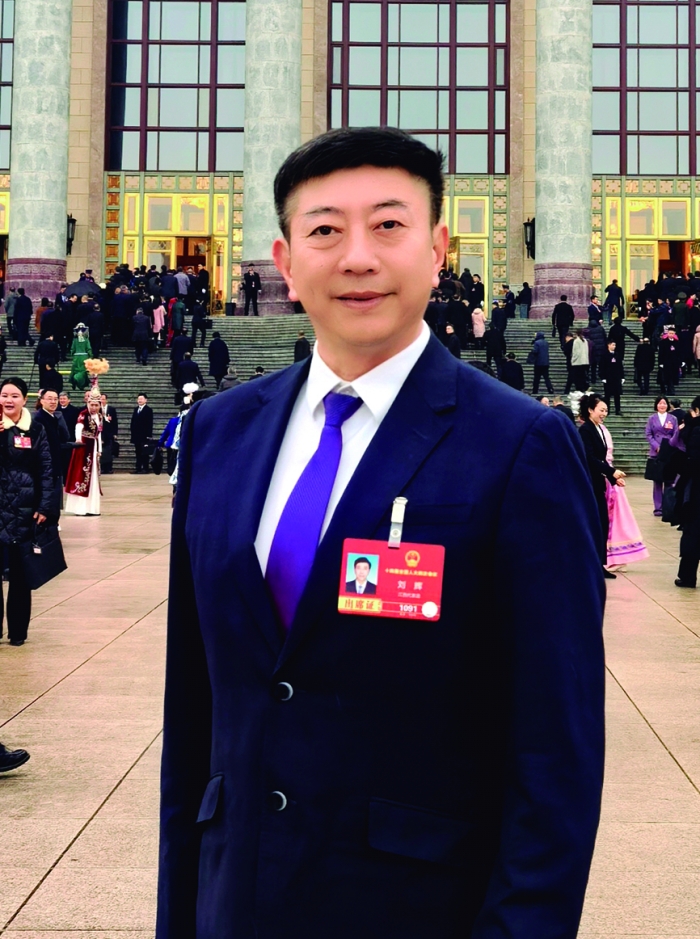
全国人大代表、江铃汽车首席技师刘辉:畅通职业发展通道 厚植制造业营商沃土
Shang Hai Zheng Quan Bao· 2026-03-12 17:42
Core Viewpoint - The interview with Liu Hui, a representative of the National People's Congress and chief technician at Jiangling Motors, highlights the challenges faced by skilled workers in the manufacturing sector, particularly regarding career development and the need for a robust talent cultivation system [2][3] Group 1: Challenges in the Manufacturing Sector - Many frontline workers express concerns about career advancement, with skilled workers facing a disconnect between their technical abilities and their salary or job titles, leading to limited upward mobility [2] - Young workers perceive a lack of future prospects in skilled positions, prompting them to seek opportunities in other industries rather than committing to manufacturing [2] Group 2: Recommendations for Talent Development - Liu Hui suggests accelerating the establishment of a high-quality workforce, ensuring that workers have status, benefits, dignity, and development opportunities to support the construction of a strong manufacturing nation [2] - It is recommended to improve the skill development system and career progression pathways, linking skill levels with salary, job titles, and residency permits [3] - A lifelong vocational training mechanism should be established, focusing on digital skills, new technologies, and helping traditional workers transition to digital craftsmen [3] Group 3: Strengthening Worker Rights and Income - Enhancing rights protection and improving job satisfaction are essential for retaining industrial workers in their positions [3] - Companies should adhere to labor regulations, ensuring proper working hours, rest periods, and occupational health protections, while expanding coverage for work injury insurance [3] - A distribution mechanism that rewards high-skilled and high-effort workers should be implemented to increase income levels and professional dignity for frontline workers [3] Group 4: Industry-Education Integration - Liu Hui emphasizes that industry-education integration should go beyond superficial cooperation, advocating for leading companies to collaborate with vocational schools to establish industry colleges and training bases [3] - A model where students are recruited as workers upon enrollment, and guaranteed employment upon graduation, should be promoted [3] - Establishing a directory of critical manufacturing occupations and encouraging skilled craftsmen to teach in schools can create a sustainable mechanism for collaborative education between schools and enterprises [3]


职业教育需更好适配产业“三化”
Xin Hua Ri Bao· 2026-02-09 23:26
Group 1 - The core viewpoint emphasizes the importance of focusing on the real economy, advocating for the transformation and upgrading of traditional industries, and the development of strategic emerging industries during the 14th Five-Year Plan period [1] - The "three transformations" of industries—intelligent, green, and integrated—are essential for aligning with the new technological and industrial revolutions, as well as for China's industrial upgrading [1] - Vocational education is crucial for supplying over 70% of new employment personnel in modern manufacturing, strategic emerging industries, and modern services during the 14th Five-Year Plan [1] Group 2 - The revised Vocational Education Law in 2022 emphasizes enhancing the adaptability of vocational education, shifting from a "tool-oriented" approach to a "human-centered" approach [2] - Vocational education aims to develop individuals who are well-rounded, promoting self-awareness and enjoyment in their work, thus transforming students from "tool users" to "complete professionals" [2] - The need for vocational education to adapt to the intelligent, green, and integrated nature of industries by focusing on digital literacy, sustainable development, and interdisciplinary collaboration is highlighted [2] Group 3 - The transition from explicit knowledge to implicit knowledge in vocational education is necessary, emphasizing practical learning and the importance of experiential knowledge [3] - The apprenticeship model is essential for skill transmission, where learning occurs through demonstration and practice rather than mere theoretical instruction [3] Group 4 - The shift from a "school-closed" model to a "production-education ecosystem" is necessary for effective skill development, promoting interaction between various learning communities [4] - A sustainable development process for skilled talent should encompass lifelong learning, continuous employment, and re-education, involving collaboration among schools, enterprises, and communities [4] Group 5 - The need for an innovative skill evaluation system is emphasized, focusing on breaking down barriers and creating a comprehensive framework for assessing vocational education graduates [5][6] - The introduction of a new "eight-level worker" system aims to link skill levels with compensation, providing a foundation for lifelong development in the skilled workforce [6] - Building a skill-oriented society that values and promotes skills is crucial for improving the employment environment for skilled workers and expanding their development opportunities [6]
灯火里的追光少年 | 2026新春走基层
Zhong Guo Hua Gong Bao· 2026-02-09 02:02
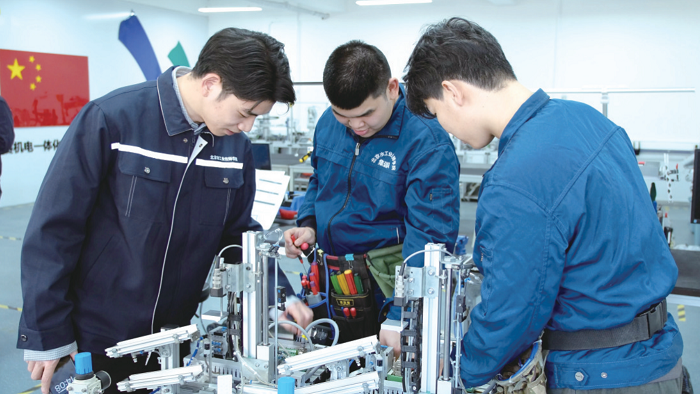
Core Viewpoint - The article highlights the dedication and training of young talents at the Beijing Industrial Technician College as they prepare for the 48th World Skills Competition, emphasizing the importance of skilled workers in advancing China's manufacturing capabilities [1][7]. Group 1: Training and Preparation - Young competitors are training rigorously at the national training base for the World Skills Competition, aiming to represent China on an international stage [1]. - Participants in the water treatment technology project are learning to integrate knowledge from various disciplines to become future engineers in modern wastewater treatment [4]. - In the CNC machining training base, competitors are engaged in precision manufacturing, with their work being evaluated through rigorous quality checks [5]. Group 2: Skill Development and Recognition - The article discusses the evolution of the training program at the Beijing Industrial Technician College, which has developed a comprehensive selection mechanism and training system over the years [7]. - The college's achievements in the World Skills Competition have transformed the perception of vocational education, showcasing that skilled workers are essential for national manufacturing upgrades [7]. - The narrative emphasizes the importance of cultivating high-skilled talents and the need for a strong workforce in the manufacturing sector to enhance China's industrial strength [10][11]. Group 3: Broader Implications - The article reflects on the broader implications of skill development for national manufacturing, indicating that the lack of skilled workers can hinder the effective use of advanced technology and equipment [9][10]. - It stresses that a strong industrial nation requires a robust base of skilled technicians and craftsmen, highlighting the critical role of vocational training in achieving this goal [9][10].
《技能坐标系》系列视频上线:坐标上海,看见技能引领时代未来
Xin Lang Cai Jing· 2026-02-02 04:36
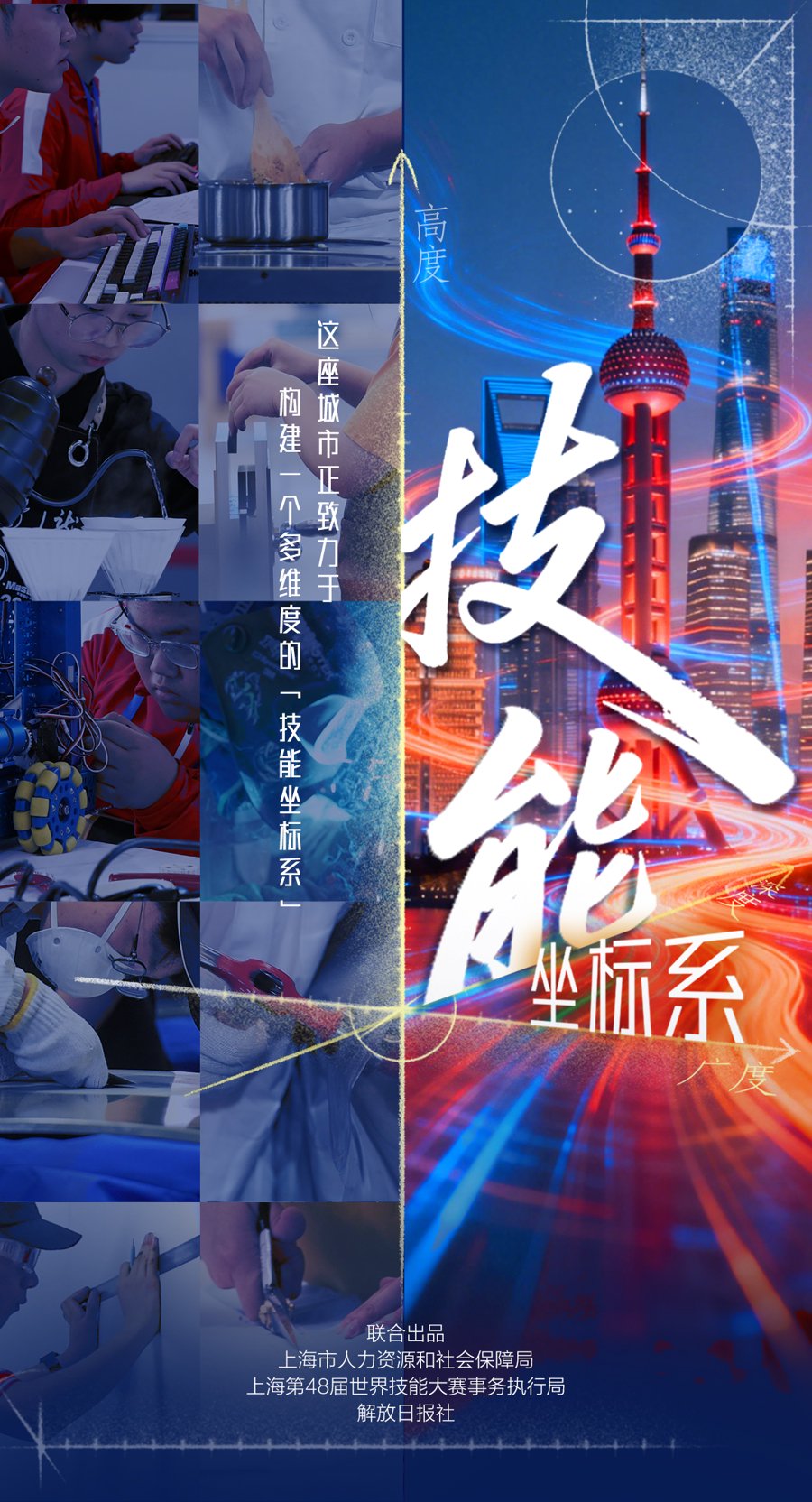
Core Viewpoint - The series of videos titled "Skill Coordinate System" aims to highlight the importance of skilled talent in driving Shanghai's high-quality economic and social development, especially in the context of the upcoming 48th World Skills Competition in September 2026 [1][2]. Group 1: Importance of Skilled Talent - Skilled talent is a crucial support for Shanghai's economic and social development, with each skilled individual representing a unique coordinate point that collectively shapes the future [1]. - The initiative emphasizes the broad application of skills across various industries, from essential urban operations to advanced manufacturing and artificial intelligence [1]. Group 2: Dimensions of Skills - The pursuit of excellence in skills is characterized by continuous refinement and innovation, leading to unique professional value and recognition [2]. - The deep-rooted cultural heritage in Shanghai drives a commitment to skill development, fostering a sense of responsibility and honor that transcends time [2]. Group 3: Development Initiatives - Shanghai is actively working to cultivate a high-quality skilled workforce that aligns with new productive forces, focusing on key areas such as training, evaluation, utilization, and motivation [2]. - The first episode of the video series, "The Answer of Precision," showcases the meticulous processing of automotive engines, while the second episode, "Sparks and Giants," highlights the welding process that connects essential components, symbolizing the transmission of craftsmanship across generations [2][3].
技能坐标系|头发丝1/20的精度里,藏着中国汽车的品质密码
Xin Lang Cai Jing· 2026-02-02 04:23
Core Insights - Precision in automotive manufacturing is critical, as even minor deviations can be magnified in subsequent processes, impacting product quality [1] - Shanghai New Power Automotive Technology Co., Ltd. exemplifies this principle with its focus on extreme precision in engine manufacturing, achieving cost savings of over 20 million yuan through technical innovations in the past five years [1] - The city of Shanghai supports the development of high-skilled talent by funding 100 chief technicians and 30 master skill studios annually, promoting innovation and technical problem-solving [1] Group 1 - Yang Shanwei, a champion in vehicle body repair at the 44th World Skills Competition, has a dedicated studio for research and promotion of body repair and dimension verification techniques [2] - Shanghai is set to host the 48th World Skills Competition in September 2026, aiming to transform top competition standards into training and evaluation benchmarks for skilled talent, driving industry transformation [2] - By the end of 2024, Shanghai is projected to have a total of 4.0625 million skilled workers, with 1.4451 million high-skilled workers, representing 35.57% of the total [2]

技能坐标系|第一集 头发丝1/20的精度里,藏着中国汽车的品质密码
Di Yi Cai Jing· 2026-02-02 04:03
Group 1 - The automotive manufacturing industry requires extreme precision in the early stages to ensure product quality stability, as even minor deviations can be magnified in subsequent processes [1] - Shanghai New Power Automotive Technology Co., Ltd. has established a master studio focused on production line challenges, led by a skilled technician known as "Master Ren," who emphasizes precision at the micron level [1] - The master studio has saved the company over 20 million yuan through technical breakthroughs over the past five years [1] Group 2 - Yang Shanwei, a champion of the 44th World Skills Competition in vehicle body repair, has a dedicated studio at SAIC to promote research and development in body repair and dimensional verification technology [2] - The Shanghai Human Resources and Social Security Department supports the training of high-skilled talents, with plans to host the 48th World Skills Competition in September 2026, aiming to transform competition standards into training and evaluation benchmarks [2] - By the end of 2024, Shanghai is expected to have a total of 4.0625 million skilled workers, with 1.4451 million high-skilled workers, representing 35.57% of the total, highlighting the importance of skilled talent in the automotive industry's quality [2]

聚焦2026河北两会·两会声音|李霞代表:强化校企合作,提升技能人才培养水平
Xin Lang Cai Jing· 2026-01-25 00:45
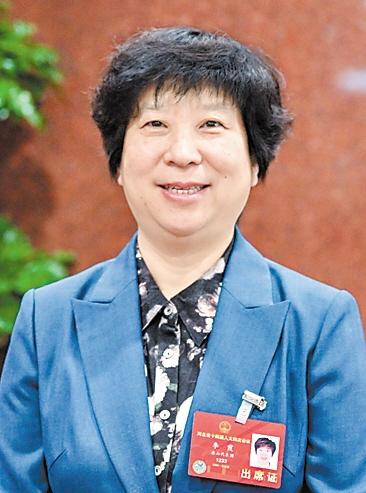
Group 1 - The core viewpoint emphasizes the importance of skilled talent in supporting China's manufacturing and innovation, with a call for enhanced vocational education to meet regional economic needs [3][4] - Since the beginning of the 14th Five-Year Plan, Hebei province has added 4.4 million skilled talents, including 1.8874 million high-skilled talents, providing strong support for the construction of a modern industrial system [3] - Vocational schools are identified as the main platform for cultivating skilled talent, and increasing their training efforts is seen as crucial for promoting industrial transformation and addressing structural employment issues [3][4] Group 2 - Vocational schools should align their programs with regional industrial development needs, adjusting curricula dynamically to ensure a precise match between talent cultivation and market demand [4] - The proposal includes strengthening school-enterprise cooperation and promoting a model that integrates job demand, training, evaluation, and employment services to cultivate high-skilled talents effectively [4] - There is a focus on developing a team of "dual-qualified" teachers who are knowledgeable in theory and practical skills, particularly in strategic emerging industries such as high-end equipment manufacturing and new energy [4]
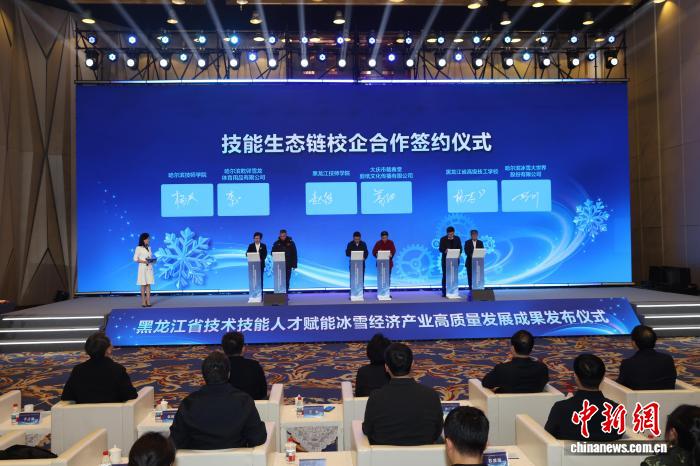
黑龙江“冰雪经济”火出圈背后的技能人才支撑
Zhong Guo Xin Wen Wang· 2026-01-24 02:11
Core Viewpoint - The ice and snow economy in Heilongjiang Province is becoming a significant engine for high-quality development, supported by a growing and skilled workforce in the industry [1][3]. Group 1: Talent Development Initiatives - The "Ice and Snow Revitalization Longjiang Skills Illuminate the Future" initiative was launched to enhance the talent pool for the ice and snow economy, focusing on large-scale talent cultivation and standardized technical skills [3][5]. - The Heilongjiang Ice and Snow Economic Industry College was established to train composite talents with a focus on "education + skills + employment," aiming to deliver over 1,000 graduates annually [3][5]. - A new talent cultivation model was introduced, creating a closed-loop connection between job demand, skills training, skills evaluation, and employment services [4][5]. Group 2: Industry Standards and Collaboration - The establishment of the Northeast Three Provinces and One Region Ice and Snow Economic Skills Master Studio Alliance aims to promote cross-field technical exchanges and collaborative innovation [5]. - Fifteen new vocational ability assessment standards for the ice and snow economy were released, with a focus on practical skills such as ice carving and snow sports guidance [5]. - Heilongjiang has published 23 "Ice and Snow Craftsman" series standards, with the "Ice Carving Master" standard transitioning from provincial to national level [5]. Group 3: Technological Advancements - Teams are working on breakthroughs in key technologies such as ice equipment manufacturing and intelligent construction, integrating practical wisdom from technicians with research capabilities from engineers [6]. - The focus is on enhancing the precision of construction and developing techniques for preserving natural ice across seasons, which are crucial for the industry's stability and growth [6]. Group 4: Future Outlook - Heilongjiang aims to leverage human resource development as a strategic support for promoting the ice and snow economy, aspiring to create a large and skilled workforce to establish an internationally influential ice and snow economic zone [7].
抓好就业这个民生头等大事——访人力资源社会保障部党组书记、部长王晓萍(权威访谈·开局“十五五”)
Ren Min Ri Bao· 2026-01-23 21:53
Group 1 - The core viewpoint emphasizes the importance of prioritizing employment and improving labor conditions to achieve high-quality employment, as highlighted by General Secretary Xi Jinping [1][4] - The Central Economic Work Conference stresses the need to stabilize employment, enterprises, markets, and expectations, with specific actions aimed at key groups such as college graduates and migrant workers [1][4] - The focus on investing in human resources is seen as a strategic approach to enhance economic resilience and vitality, linking material investment closely with human development [2][3] Group 2 - The goal for 2025 is to create 12.67 million new urban jobs, maintaining an average urban unemployment rate of 5.2%, indicating a stable employment outlook [4] - The implementation of policies to support job retention and expansion includes tax reductions and incentives for labor-intensive industries, as well as fostering new industries like digital and green economies [5][6] - A comprehensive employment service system will be established to enhance the quality of employment services, including the development of a national employment information resource database [6] Group 3 - The "Skills Illuminate the Future" training initiative aims to address the skills mismatch in the labor market by providing targeted training for various groups, including youth and migrant workers [7][8] - The training programs will focus on emerging industries and social needs, ensuring that training aligns with market demands and enhances employability [8] - The upcoming World Skills Competition in Shanghai is expected to inspire more individuals to pursue skill development and contribute to national growth [9] Group 4 - The social security system will be expanded to include flexible and new employment forms, ensuring better coverage and quality of social insurance for these workers [10][11] - Key reforms in social security will focus on national coordination, timely pension payments, and improved benefits for low-income groups [11] - Efforts will be made to streamline social security services, making them more accessible and efficient for the public [11]
37家单位携手成立产业联盟
Hang Zhou Ri Bao· 2026-01-20 03:32
Core Insights - The establishment of the "One Old One Young" Skills Talent Training and Evaluation Industry Alliance marks a significant extension of Hangzhou's skills talent training efforts into the fields of elderly care and childcare, addressing pressing social needs [1] Group 1: Alliance Formation and Objectives - The alliance was formed during a meeting attended by representatives from 37 organizations, including educational institutions and training schools, focusing on developing reliable professionals for the elderly care and childcare sectors [1] - The shift in talent training philosophy is evident, moving from "what I can teach" to "what the industry needs," with institutions like Zhejiang University City College exploring integrated talent training models that combine academic qualifications with skill certifications [2] Group 2: Collaboration and Training Initiatives - Several educational institutions shared their training plans, with Hangzhou Light Industry Technician College aiming to train over 8,000 individuals in relevant skills by 2025 in collaboration with local government departments [2] - The role of companies has evolved from merely hiring to becoming partners in talent cultivation, with firms like SanTi Education Technology expressing interest in "order classes" to train urgently needed personnel in various sectors [3] Group 3: Industry Impact and Resource Integration - The Skills Talent Training and Evaluation Industry Alliance is positioned as a crucial support for alleviating talent shortages in key sectors, with over 20,000 skilled talents already trained through the integration of high-quality resources since the beginning of 2024 [3]