政治监督

Search documents
2025年西安纪检监察机关立案查处市管干部52人、县管干部497人
Xin Lang Cai Jing· 2026-02-07 04:17
Core Viewpoint - The article emphasizes the achievements and ongoing efforts of Xi'an's disciplinary inspection and supervision agencies in promoting high-quality development, enhancing political supervision, and combating corruption, while ensuring a strong disciplinary guarantee for the city's economic and social development [1][2][3]. Group 1: Political Supervision and Theoretical Learning - Xi'an's disciplinary inspection agencies prioritize deep learning of the Party's innovative theories and implement political supervision to ensure the implementation of major decisions from the Central Committee [2]. - The agencies conducted 30 collective learning sessions and studied 42 related topics, focusing on Xi Jinping's important speeches and directives [2]. - A closed-loop supervision mechanism was established, leading to the investigation of 77 cases related to wildlife protection issues, resulting in 70 disciplinary actions [2]. Group 2: Anti-Corruption Efforts - A total of 5,471 cases were filed, with 4,177 individuals disciplined, including 52 city-level and 497 county-level officials, and 157 cases were referred to the judiciary [5]. - The agencies focused on addressing the underlying issues of corruption linked to the "Four Winds" and conducted thorough investigations into 76 cases, including that of a former official from the Environmental Protection Bureau [6]. Group 3: Public Welfare and Community Engagement - The agencies have actively addressed public concerns, leading to the resolution of 605 community service issues across 16 areas, enhancing public satisfaction and security [8]. - Initiatives included promoting transparent management of rural collective property, resulting in an increase of 5.2 billion yuan for village collectives and farmers [8]. Group 4: Inspection and Reform - Political inspections were conducted on 14 municipal units, uncovering 886 key issues and 157 problem leads, with 1,010 issues rectified through specialized supervision [10]. - The agencies implemented reforms to enhance the efficiency of supervision, including the establishment of integrated case handling units and the introduction of a new inspection model for villages and communities [12][11]. Group 5: Self-Improvement and Future Goals - The agencies are committed to strengthening their internal construction and enhancing the quality of case handling through the use of electronic data and information technology [13]. - Looking ahead to 2026, the agencies aim to continue advancing high-quality development in disciplinary inspection and supervision, contributing to the modernization of Xi'an [14].
持续深化政治监督 带头践行“两个维护”
Xin Lang Cai Jing· 2026-02-06 19:58
Group 1 - The article emphasizes the importance of political supervision in supporting the economic and social development of Chengdu, particularly in the context of the "14th Five-Year Plan" and the upcoming "15th Five-Year Plan" [1] - Chengdu's disciplinary inspection and supervision agencies are committed to integrating political supervision into the formulation and implementation of reform and development strategies, ensuring that supervision is specific, precise, and regular [1][4] - The focus is on enhancing the political attributes of the disciplinary inspection agencies and aligning their actions with the major tasks and initiatives of the "15th Five-Year Plan" [2][3] Group 2 - The city’s disciplinary inspection agencies are actively engaged in learning and implementing Xi Jinping's thoughts on socialism with Chinese characteristics for a new era, aiming to unify thought and action with the Party Central Committee's decisions [2][3] - The agencies are implementing a "first agenda" system to ensure continuous learning of important speeches and directives from Xi Jinping, thereby deepening the transformation of innovative theories into practical actions [3] Group 3 - The article highlights the establishment of a comprehensive supervision mechanism that includes regular joint meetings, inspections, and evaluations to enhance the effectiveness of supervision [4] - Chengdu's disciplinary inspection agencies are focusing on key development tasks, such as improving transportation networks and developing the digital economy, by implementing targeted supervision to address issues like inefficiency and misconduct [6] Group 4 - The article discusses the ongoing efforts to optimize the business environment in Chengdu, with the disciplinary inspection agencies actively engaging with businesses to resolve issues and enhance service delivery [7] - In 2025, the agencies visited 175,900 enterprises and addressed 44,000 business-related complaints, demonstrating a commitment to fostering a supportive business climate [7] Group 5 - The article outlines the responsibilities of the disciplinary inspection agencies in enforcing political discipline and ensuring accountability among key officials, with a focus on the "two safeguards" [8][9] - In 2025, the agencies initiated political talks with 340,000 individuals and took action against 263 party members for failing to fulfill their responsibilities [9] Group 6 - The article emphasizes the role of political inspections in identifying and addressing issues within the Party, with a focus on the effectiveness of corrective actions following inspections [10][11] - In 2025, the inspections uncovered 2,771 issues and referred 228 problem leads, indicating a proactive approach to governance and accountability [10]
通报2025年全市党风廉政建设和反腐败工作情况
Xin Lang Cai Jing· 2026-02-05 19:12
Core Viewpoint - The Guizhou Provincial Commission for Discipline Inspection and Supervision held a press conference to outline the 2025 anti-corruption and party conduct initiatives in Guiyang, emphasizing the importance of political supervision and the eradication of corruption [1]. Group 1: Political Supervision and Discipline - The municipal discipline inspection and supervision agencies are committed to the "two safeguards" political responsibility, focusing on precise and regular political supervision, with 59 individuals disciplined for violating political discipline [1]. - A total of 2,192 issues were identified through supervision, leading to 1,534 cases being filed and 1,434 individuals receiving party and administrative disciplinary actions [1]. Group 2: Addressing "Four Winds" Issues - The campaign against the "Four Winds" (formalism, bureaucracy, hedonism, and extravagance) has led to the investigation of 542 cases of hedonism and extravagance, and 934 cases of formalism and bureaucracy, with 1,862 individuals receiving criticism or disciplinary actions [2]. - A mechanism for addressing violations related to dining has been established, focusing on issues such as "mutual dining" and "public dining" [2]. Group 3: Anti-Corruption Efforts - The discipline inspection agencies filed 3,264 cases, resulting in 2,956 disciplinary actions and 230 cases referred to the prosecution, including 66 cases involving municipal-level officials [3]. - Significant efforts were made to address corruption in key areas such as funeral services, development zones, education, healthcare, and land acquisition, with 433 individuals voluntarily reporting issues [3]. - The total economic loss recovered through anti-corruption efforts amounted to 8.94 billion yuan [3]. Group 4: Community Engagement and Public Welfare - A total of 1,949 cases of corruption affecting the public were addressed, resulting in 1,973 disciplinary actions and 151 cases referred to the prosecution [3]. - The government resolved 15,039 urgent issues for the public and completed 9,979 public welfare projects, returning 19.52 billion yuan to the community [3].
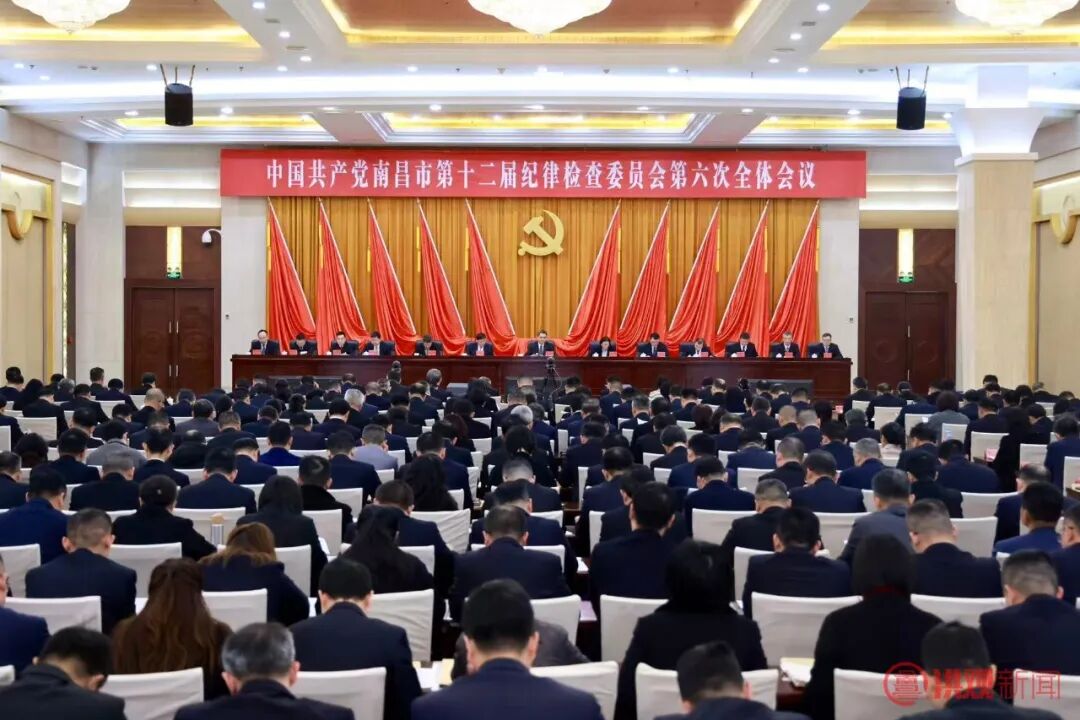
李红军在市纪委十二届六次全会上强调 以更高标准、更实举措推进全面从严治党 为推动南昌经济社会高质量发展提供坚强保障
Xin Lang Cai Jing· 2026-02-05 06:55
转自:南昌发布 2月5日,市纪委十二届六次全会召开,坚持以习近平新时代中国特色社会主义思想为指导,全面贯彻二十届中央纪委五次全会和省纪委十五届六次全会精 神,总结去年我市纪检监察工作,分析当前形势,研究部署今年任务。省人大常委会副主任、南昌市委书记、赣江新区党工委书记李红军出席并讲话。他 强调,要深入学习贯彻习近平总书记关于党的自我革命的重要思想,以更高标准、更实举措推进全面从严治党,坚决打好反腐败斗争攻坚战、持久战、总 体战,构建更加风清气正的良好政治生态,为推动南昌经济社会高质量发展提供坚强保障。 省纪委监委有关负责同志到会指导。市人大常委会主任李镇发,市政协主席王爱东等市四套班子领导,市法检"两长"出席。市委常委、市纪委书记、市监 委主任熊明主持会议,传达有关精神,并作工作报告。 李红军指出,过去一年,市委坚决扛牢管党治党政治责任,扎实推进党风廉政建设和反腐败斗争,政治建设深入推进,政治监督精准有力,扎实开展深入 贯彻中央八项规定精神学习教育,持续抓好群众身边不正之风和腐败问题集中整治,深化整治重点领域腐败,推进风腐同查同治,管党治党责任落实落 细,纪检监察队伍建设有力有效,广大党员干部遵规守纪的自觉性 ...

沈阳皇姑区:以“政治画像”为抓手推动政治监督走深走实
Zhong Yang Ji Wei Guo Jia Jian Wei Wang Zhan· 2026-02-05 03:59
紧盯"关键少数"是做实监督的关键。辽宁省沈阳市皇姑区纪委监委探索开展"政治画像"工作,构建"一 纲三卷四表"多维度数据采集体系,细化15类指标33项内容,精准勾勒权力运行"监督图谱",推动政治 监督精准落地。 "'政治画像'如政治体检报告,既直指短板,又激励担当。"在皇姑区纪委监委"政治画像"工作座谈会 上,某局负责人坦言。皇姑区纪委监委聚焦民生、营商、教育等领域,选取8家区直单位"一把手"重 点"画像",8个派驻纪检监察组一对一监督,靶向发力,为高质量发展护航。 皇姑区纪委监委锚定"画"精细、"画"精准目标,并将专项审计、大数据监督、市民热线投诉、营商环境 投诉等整合到监督体系中,为拓宽监督渠道、深入挖掘和系统分析问题背后的趋势性风险提供有力支 撑。此外,为确保"政治画像"的理论深度,区纪委监委与辽宁大学纪检监察学院开展"校地共建",围绕 政治监督开展课题研究,从理论层面为政治监督实践提供支撑。 监督,以查问题为始,以促治理为终。截至目前,对8家区直单位"一把手"的画像过程中,发现问题36 个,制发纪检监察建议书19份,推动各画像单位建章立制26项,实现从发现问题到标本兼治的监督闭 环。 "政治画像并非'一 ...
业务丛谈丨履职担当尽责 展现全面从严治党新成效
Zhong Yang Ji Wei Guo Jia Jian Wei Wang Zhan· 2026-02-05 00:00
加强对干部全方位管理、经常性监督,对苗头性、倾向性问题早发现、早提醒、早纠治,促进党员干部 在遵规守纪中干事创业;严肃查处诬告陷害行为,及时为受到不实举报的干部澄清正名,让干部放下思 想包袱、放开手脚干事,营造"真抓实干、奋勇争先"的良好干事氛围。 厉兵秣马淬炼过硬本领,提升护航高质量发展"履职效能"。纪检监察机关作为推进全面从严治党的重要 力量,必须始终做到忠诚干净担当,不断提高纪检监察工作规范化法治化正规化水平,为高质量发展提 供坚强纪律保障。九江市纪委监委围绕提高政治站位、工作标准和业务能力,不断深化自身建设,练就 敢于斗争、善于斗争的真功夫硬本领。以理论武装筑牢履职根基。秉持"监督别人首先要武装好自己"的 理念,深化拓展"第一议题"学习制度,健全"每日学、个人学、集体学、专题学"联动机制,坚持以习近 平新时代中国特色社会主义思想为指导,深入学习贯彻习近平总书记关于党的建设的重要思想、关于党 的自我革命的重要思想,用党的创新理论指导工作实践,不断增强监督的针对性有效性。以体系建设规 范权力运行。坚持强化制度治权、依规用权,深化纪检监察体制机制改革,加强市直单位机关纪委建 设,推动县级纪委监委派驻机构集中 ...
书记谈丨以更高标准更实举措推进全面从严治党
Zhong Yang Ji Wei Guo Jia Jian Wei Wang Zhan· 2026-02-05 00:00
图为新疆维吾尔自治区乌鲁木齐市高新区(新市区)纪委监委工作人员深入实地了解乡村振兴项目 资金使用情况。 黄玮玲 摄 习近平总书记在二十届中央纪委五次全会上发表重要讲话,对以更高标准、更实举措推进全面从严治 党,为实现"十五五"时期目标任务提供坚强保障作出战略部署。新疆维吾尔自治区纪检监察机关要深刻 领会以更高标准、更实举措推进全面从严治党的重大意义、丰富内涵和实践要求,完整准确全面贯彻新 时代党的治疆方略,牢牢扭住社会稳定和长治久安工作总目标,紧紧围绕铸牢中华民族共同体意识主 线,推动新时代新征程纪检监察工作高质量发展,为实现"十五五"时期目标任务、建设社会主义现代化 新疆提供坚强保障。 以更高标准更实举措推进全面从严治党具有重大意义 践行党的初心使命和性质宗旨的根本要求。今年是我们党成立105周年。一百多年来,我们党致力于实 现为中国人民谋幸福、为中华民族谋复兴,始终秉持全心全意为人民服务的根本宗旨,团结带领全国各 族人民取得革命、建设、改革事业的伟大成就。要使我们党永远赢得人民群众信任和拥护,使党的事业 始终拥有不竭力量源泉,必须以自我革命精神砥砺初心使命,继续回答好"窑洞之问",书写好无愧于人 民的时代 ...
江苏紧盯责任落实护航高质量发展 为经济大省挑大梁清障聚力
Zhong Yang Ji Wei Guo Jia Jian Wei Wang Zhan· 2026-02-03 00:10
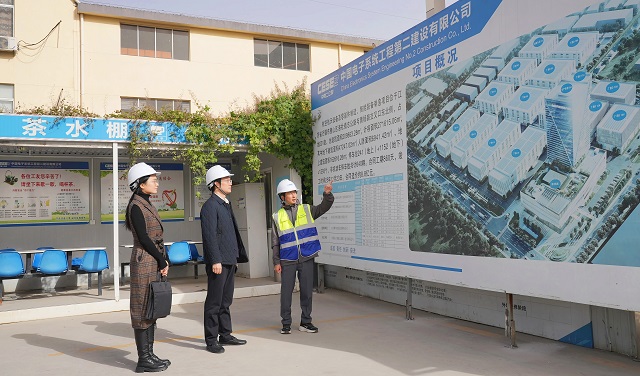
江苏省无锡市纪委监委统筹"室组地巡"力量,深入一线开展监督检查,以精准监督推动职能部门担当尽 责、高效履职。图为近日,该市惠山区纪检监察干部在洛社镇航空航天产业园走访了解情况。薛森锋 摄 江苏省盐城市纪委监委围绕重点产业、重点项目开展嵌入式监督,助力企业纾困解难、稳产提质。图为 盐城经济技术开发区纪检监察工委工作人员在汽车生产车间实地走访。李珮珮 摄 管党治党越有效,经济社会发展的保障就越有力。江苏省纪委监委坚持用改革精神和严的标准管党治 党,以开展政治监督为统领,积极履行协助职责和监督专责,具体化确定监督任务、精准化纠治突出问 题、常态化推动贯彻落实,为推进经济社会高质量发展、扛好经济大省挑大梁责任清障护航。 紧盯责任、推动落实,确保党中央决策部署一贯到底 2025年11月,贝朗医疗(苏州)有限公司新一代本土化生产的电动动力系统提前上市,为高精度手术动 力设备制造带来了新的突破。 "进口未注册医疗器械审批流程繁琐、周期漫长,曾严重制约研发进度。"谈及产品研发初期的困境,公 司总经理束学勇仍记忆犹新。苏州工业园区纪检监察工委走访了解到企业难题,第一时间联合园区科创 委、商务局等多部门,推出一揽子针对性政策,精 ...
江西省委书记:加大对年轻干部违纪违法行为的查处力度
Xin Lang Cai Jing· 2026-02-02 14:56
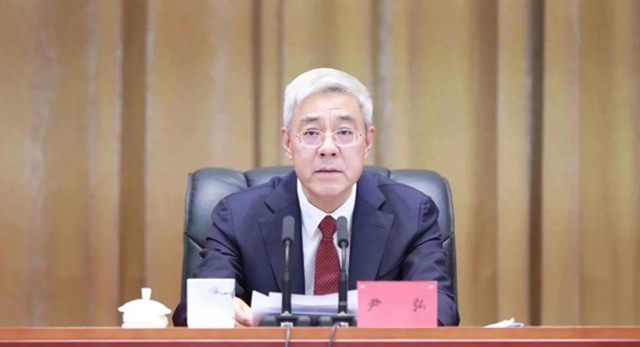
据微信公众号"江西日报"消息,2月2日,江西省纪委十五届六次全会召开,省委书记尹弘出席并讲话。 尹弘强调,要规范权力运行,切实把权力关进制度笼子。坚持"全周期管理"理念,一手抓制度完善,一 手抓贯彻执行,聚焦关键权力,加强制度供给,织密监督网络,确保权力始终在正确轨道上运行。加强 领导干部规范用权,紧盯关键岗位,强化近距离、常态化监督,推动各级"一把手"严于律己、严负其 责、严管所辖。促进年轻干部遵规守纪,加大对年轻干部违纪违法行为的查处力度,切实把严管严治融 入日常。各级领导干部要始终怀德自重、洁身自好,带头执行制度,带头严格家教家风,坚决反对特权 思想和特权行为,永葆清正廉洁。 尹弘强调,要强化责任担当,推动全面从严治党展现新气象取得新成效。各级党组织要坚决扛起管党治 党政治责任,健全全面从严治党制度机制,拧紧管党治党责任链条,真管真严、敢管敢严、长管长严。 要促进纪检监察监督与各类监督贯通协调,整合监督资源,发挥派驻监督的权威和优势,强化巡视监督 的震慑力,形成同题共答、常态长效的监督合力。要一以贯之加强纪检监察工作"三化"建设,坚持刀刃 向内,锤炼过硬专业本领,持续锻造忠诚干净担当、敢于善于斗争的纪检 ...
把对党绝对忠诚落实在行动上
Zhong Yang Ji Wei Guo Jia Jian Wei Wang Zhan· 2026-02-02 00:51
Group 1 - The core viewpoint emphasizes the importance of absolute loyalty to the Party, which is defined as unwavering, thorough, and unconditional commitment [1] - The article highlights the role of disciplinary inspection and supervision agencies in promoting Party discipline and political integrity among members [1][5] - It discusses the integration of Party character, style, and discipline as a holistic approach to strengthen the political consciousness of Party members [5][6] Group 2 - The article outlines various educational initiatives, such as case analysis and theoretical lectures, aimed at enhancing the understanding of Party regulations among members [4][5] - It mentions the importance of using real cases as educational tools to reinforce discipline and ethical behavior among Party members [22][28] - The focus on continuous education and supervision is emphasized, particularly in relation to the implementation of major Party decisions and policies [6][7][21] Group 3 - The article describes the efforts of local Party organizations in promoting political supervision and ensuring the implementation of the "14th Five-Year Plan" [7][21] - It highlights the significance of maintaining a strong ideological foundation and the role of historical education in fostering loyalty to the Party [12][27] - The need for tailored educational approaches for different groups within the Party, such as new members and key positions, is discussed [28][29]