极限施压

Search documents
“所有选项”都摆在特朗普面前,伊朗怎么破局
Xin Lang Cai Jing· 2026-01-17 06:24
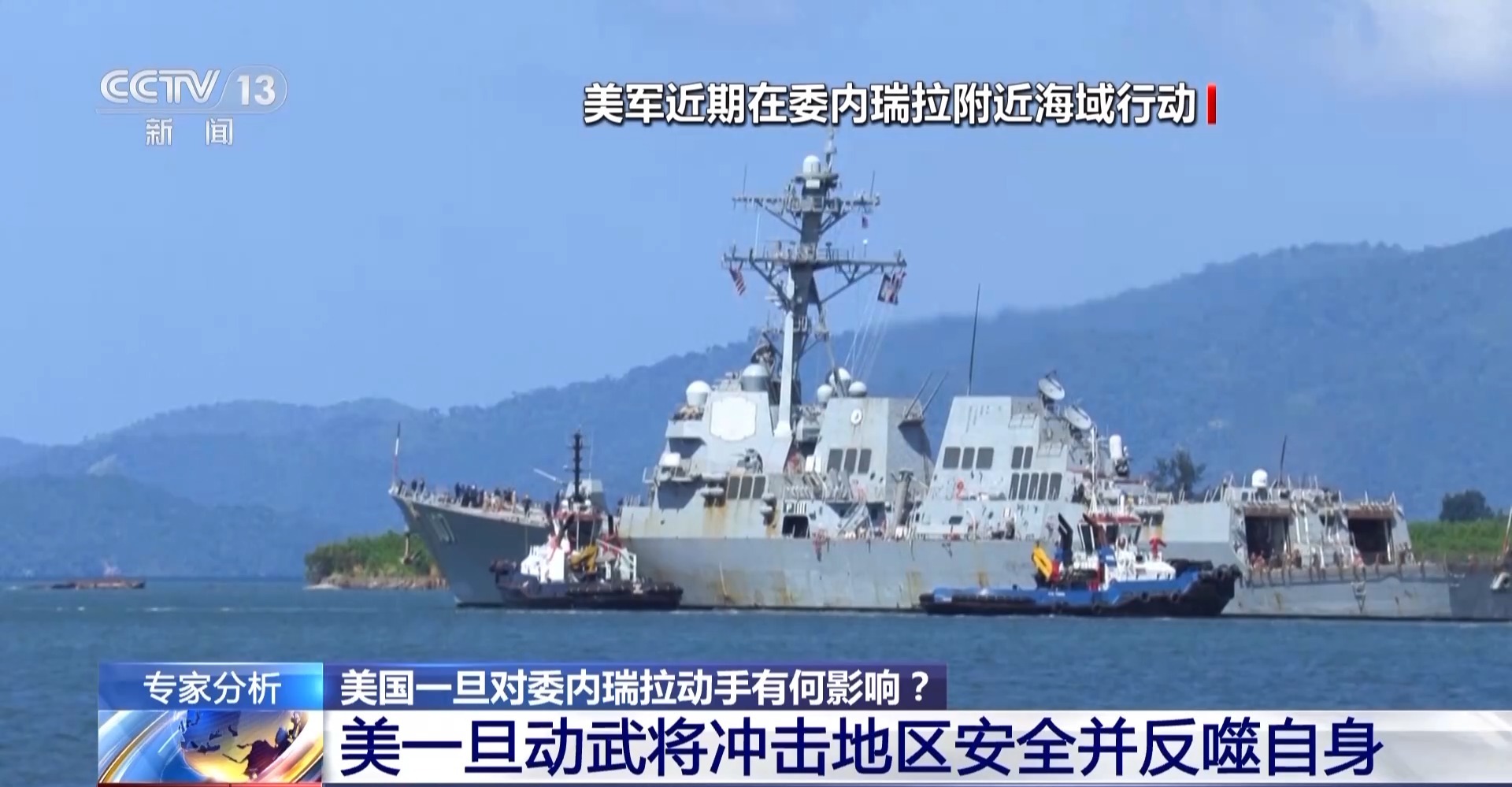
转自:大众新闻-大众日报 自美国对委内瑞拉采取军事行动,并将总统马杜罗强行带到美国本土关押以来,国际社会普遍猜测,谁会是下一个目标?从目前美方释放的信号来看, 伊朗似乎正位于"可能被打击名单"的首位。 美国白宫官员当地时间1月15日就伊朗局势声称,"所有选项"都摆在特朗普面前。 美国海军"亚伯拉罕·林肯"号航母航行在阿拉伯海的资料照片。(新华社发) 美军"亚伯拉罕·林肯"号航空母舰打击群也已前往中东,其中包括一艘攻击型潜艇,预期一周后到达,这是美国在"极限施压"策略下的最新军事升级。这 次航母的调动与特朗普倾向"快速、决定性打击"而非持久战的思路一致,试图以压倒性的军事姿态,配合经济制裁,迫使伊朗让步,或引发其内部变 化。 面对美方的"极限施压",伊朗如何拆招? 第一招:强硬喊话,划定红线。 伊朗警告,如果美国将威胁转化为行动,地区内所有美军基地都将成为合法打击目标。同时,伊朗也向沙特、阿联酋、土耳其等国喊话:一旦美国发动 袭击,驻这些国家的美军基地将遭伊朗报复。 这并非虚张声势,而是伊朗惯用的反击招数。去年6月,以色列突袭伊朗期间,美国轰炸了伊朗核设施,作为报复,伊朗发射导弹打击了美国在中东地 区最大的军事 ...

美国会对伊朗动武吗
Xin Lang Cai Jing· 2026-01-15 10:09
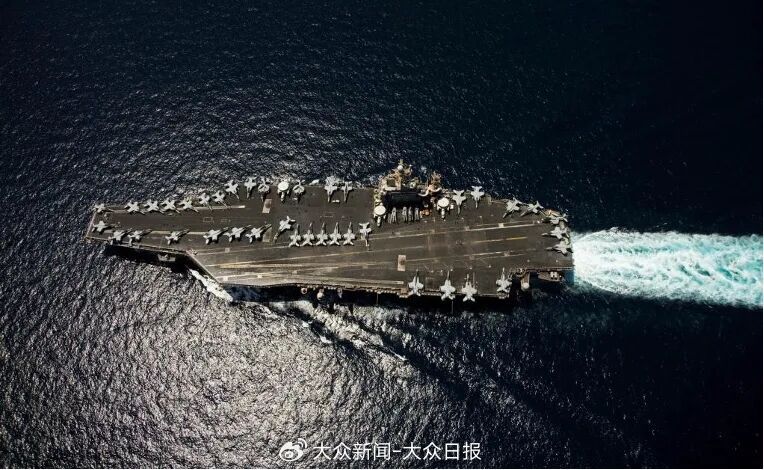
美国总统特朗普当地时间13日接受哥伦比亚广播公司采访时说,他在伊朗的最终目标是"赢"。美国政府 近期多次针对伊朗局势释放"动武"威胁,特朗普国安团队13日讨论美国应对伊朗局势的下一步措施。美 国对伊朗可能动用哪些干涉手段?美国会对伊朗开展军事行动吗?有哪些军事选项?动武将会引发哪些严 重后果? 美方表态"混乱" 美国国务院13日再次要求美国公民立即离开伊朗,并建议他们考虑从陆路前往土耳其或亚美尼亚。 伊朗抗议活动已持续十多天,其间发生骚乱并造成人员伤亡。伊朗外长阿拉格齐12日表示,伊朗安全部队 已控制全国局势,美国和以色列应对伊朗发生的事件承担"直接责任"。 美国政府近期围绕伊朗局势密集发声。特朗普此前表示伊朗方面已与美国政府官员接触并提议谈判,但 又称美国"可能需要在会议召开之前采取行动",考虑军事行动等"非常强硬选项"。然而,特朗普13日又在 社交媒体发文说,已取消所有美方与伊朗官员的会谈。 美国媒体普遍预计,特朗普不会在13日会议上就美国针对伊朗的下一步行动作出最终决定。分析人士认 为,美国可能通过认知攻势、经济制裁、军事打击三种方式干涉伊朗政局。 认知层面,美国或继续通过舆论塑造、信息渗透和心理动员等 ...
“跨年抗议”背后:内忧外患考验伊朗
Xin Lang Cai Jing· 2026-01-08 06:36
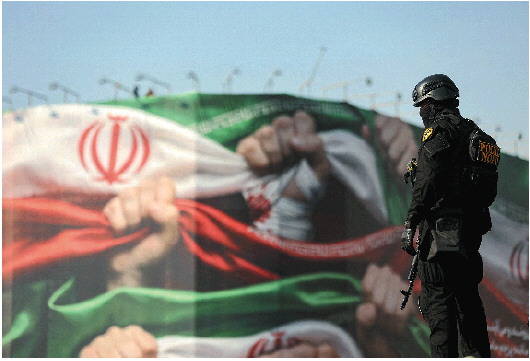
周亦奇 上海国际问题研究院西亚非洲研究中心副研究员 近期,伊朗局势再度出现新的波动。从去年年底至今年年初,德黑兰商人因通货膨胀与货币贬值问题上 街抗议,随后演变为多地的示威活动,并出现了针对军警的暴力行为。 本轮抗议是伊朗内部经济矛盾与外部威胁共同作用的产物,呈现出内忧与外患相互叠加的复杂态势。这 一局面不仅对伊朗的内部治理构成严峻考验,也对伊朗政府应对美国极限施压及以色列新一轮的破坏性 行动提出了挑战。 内部困境再次显现 伊朗当前面临的冲突是内外挑战交织作用的结果。 一方面,受美国长期制裁影响,伊朗国内经济形势持续严峻,货币大幅贬值。与此同时,德黑兰及周边 地区正遭遇严重的干旱,水资源短缺问题日益突出,对民生和农业造成直接冲击。在此背景下,普通民 众、特别是以商人为主的中产阶级生活水平显著下降,成为此次事件爆发的直接诱因。近年来,伊朗在 经济持续承压、疫情冲击与外部制裁叠加影响下,已多次爆发社会抗议活动。近期的事件实际上是伊朗 内部结构性经济与社会困境的又一次显现。 外部势力扮演的煽动角色同样不容忽视。自去年以来,伊朗与美国及以色列的关系持续恶化。值得注意 的是,本轮抗议恰逢以色列总理内塔尼亚胡访问白宫之后 ...

特朗普威胁“吞并”格陵兰岛,六种棋局推演
Di Yi Cai Jing· 2026-01-08 02:32
Core Viewpoint - The article discusses the potential U.S. interest in Greenland, highlighting various scenarios for how this situation may unfold, with a strong emphasis on the improbability of a military takeover [1][3][15]. Group 1: U.S. Motivations for Interest in Greenland - The U.S. interest in Greenland is driven by national security concerns, as its strategic location is crucial for monitoring military activities in the North Atlantic and Arctic regions [4][16]. - Greenland is rich in mineral resources, including rare earth elements and potential oil and gas reserves, which are vital for U.S. high-tech industries [5][17]. - Climate change is making Arctic navigation more feasible, which could significantly shorten shipping routes between Europe and North America, further increasing Greenland's strategic importance [5][17]. Group 2: Historical Context of U.S. Interest - Historical attempts by the U.S. to acquire Greenland date back to 1868, with various administrations exploring the possibility of purchase, but none succeeded [6][18]. - In 1946, a proposal to buy Greenland for $100 million in gold was made but rejected by Denmark, indicating long-standing U.S. interest [6][18]. Group 3: Potential Scenarios for U.S. Control - The article outlines six potential scenarios for U.S. control over Greenland, with the "military takeover" scenario deemed highly unlikely due to international backlash [3][19]. - The most feasible scenarios include a "free association" model similar to Palau and Micronesia, allowing Greenland to maintain sovereignty while granting the U.S. certain rights [10][22]. - Another scenario involves a lease agreement for administrative control over Greenland, where sovereignty remains with Denmark but operational control is transferred to the U.S. [11][22]. Group 4: International Reactions - Denmark and other Nordic countries have issued strong statements against U.S. threats to annex Greenland, emphasizing the importance of respecting international law and territorial integrity [2][14]. - The collective response from Nordic foreign ministers underscores the need for NATO solidarity and adherence to the principles of the UN Charter [2][14].
特朗普威胁“吞并”格陵兰岛,六种棋局推演
第一财经· 2026-01-08 02:16
Core Viewpoint - The article discusses the geopolitical implications of the U.S. interest in Greenland, highlighting the reactions from Denmark and other Nordic countries, as well as potential strategies the U.S. might employ to assert control over the territory [3][4]. Group 1: U.S. Interest in Greenland - The U.S. government's interest in Greenland is driven by national security, military strategy, and resource acquisition [6][7]. - Geographically, Greenland is a strategic location for monitoring military activities in the North Atlantic and Arctic regions, making it crucial for U.S. defense [6]. - Greenland is rich in mineral resources, including rare earth elements and potential oil and gas reserves, which are vital for U.S. high-tech industries [7]. - Climate change is opening new shipping routes through the Arctic, further increasing Greenland's strategic importance for both commercial and military purposes [7]. Group 2: Historical Context of U.S. Interest - The U.S. has historically shown interest in acquiring Greenland, with attempts dating back to the 19th century, including proposals from various administrations [8][9]. - Trump's administration has revived this interest, with explicit statements about the importance of Greenland to U.S. national security and discussions of potential military options [9]. Group 3: Potential Strategies for U.S. Control - Six potential strategies for U.S. control over Greenland are outlined, with varying degrees of feasibility: 1. **Military Occupation**: Considered the least likely due to international backlash and potential NATO implications [11]. 2. **Incorporation through Independence**: If Greenland were to gain independence, it could choose to join the U.S., which would be legally permissible [11][12]. 3. **Purchase Agreement**: Similar to past U.S. territorial acquisitions, but complicated by Greenland's autonomy [12]. 4. **Free Association Model**: Allowing Greenland to retain its sovereignty while granting the U.S. certain rights, which aligns with public sentiment in Greenland [14]. 5. **Lease Agreement**: A temporary arrangement where the U.S. manages Greenland's administration while Denmark retains sovereignty [14]. 6. **Expanded U.S. Privileges**: Pressuring Denmark to grant the U.S. more rights in Greenland without formal annexation [14][15].
中方措辞强硬,要求美国立刻放人,特朗普掏出底牌后,自己都虚了
Sou Hu Cai Jing· 2026-01-07 08:09
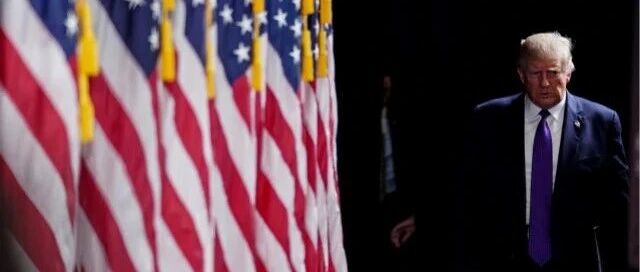
这种慌乱的情绪在4月16日白宫发布的公告中暴露得淋漓尽致。当常规的关税手段已经无法撼动对方 时,美国选择了一种近乎癫狂的数字游戏,竟将对华累进关税推高至离谱的245%。 特朗普一直试图向远东的大国解释石油供应不会断,但在另一场经贸博弈的桌面上,他所抛出的核威慑 级筹码,却因为某人的出现而显得苍白无力。 作品声明:内容取材于网络,在您阅读本文之前,辛苦您点击一下关注,这不仅便于讨论和分享,还能 带给您与众不同的参与感,感谢您的支持!这是一次发生在两个维度上的极为激烈的豪赌,而此时的美 国正处于前所未有的焦虑和混乱之中。 距离那个令人心跳加速的夜晚已不到48小时,美军特种部队突袭加拉加斯,趁着夜色的掩护强行带走马 杜罗夫妇的余波,正以一种特朗普没有预料到的方式反噬着白宫。若说这是一次军事胜利,倒不如说它 是一次外交与政治双重危机的爆发点。 为了拼凑出这个天文数字,美国贸易代表办公室几乎用尽了各种算数技巧。在原本的145%平均税负之 上,还强行加上了所谓的对等互惠125%以及针对芬太尼问题的20%惩罚性关税。这张王炸般的底牌亮 出,暴露出操盘者内心的极度虚弱。这不仅是对经济常识的挑战,更像是一个赌徒在赌场败光了所有 ...
历史重演?轰炸加拉加斯、抓获马杜罗,特朗普缘何开年对委内瑞拉动手
Di Yi Cai Jing· 2026-01-03 11:44
上海国际问题研究院外交政策研究所所长牛海彬向第一财经记者表示,相较于此前美国对委内瑞拉的空 中和海上行动,此次地面袭击标志着军事行动重大升级,已经构成了战争行为。 突袭委内瑞拉 特朗普说,此次行动与美国执法部门联合进行。详情稍后公布。美国东部时间3日11时(北京时间4日零 时)将在佛罗里达州海湖庄园举行新闻发布会。马杜罗系被美军三角洲特种部队抓获。三角洲特种部队 曾于2019年执行打死极端组织"伊斯兰国"最高头目阿布·贝克尔·巴格达迪的任务。 据两名不愿透露姓名的美国官员称,特朗普在行动前几天就已经批准美军在委内瑞拉进行地面打击。军 方曾讨论在去年圣诞节当天发动打击,但最终决定先在尼日利亚空袭极端组织"伊斯兰国"目标。美军 (去年)圣诞节后曾多次准备行动,但都因天气条件被取消。 美国总统特朗普称已抓获委总统马杜罗。 哥伦比亚总统佩特罗3日早些时候在社交媒体发文,公布了已知的委内瑞拉当天遭袭情况。他说,包括 议会所在建筑、加拉加斯中央城区以及埃尔阿蒂约机场在内的至少10处目标遭到轰炸。位于卡蒂亚拉马 尔的山地军营和伊格罗特直升机军事基地等被摧毁。此外,加拉加斯南部区域断电。 2026年伊始,美国在拉美展开了36 ...
宁愿押上整个美国,让中国倒退25年,特朗普这场豪赌真的值得吗?
Sou Hu Cai Jing· 2025-12-10 12:57
Group 1 - The Trump administration's "reciprocal tariff" policy, which imposes tariffs up to 145% on Chinese goods, is seen as a gamble that disrupts global trade dynamics [1][4][9] - The policy is rooted in Trump's belief that China is the main cause of the U.S. trade deficit, aiming to bring manufacturing back to the U.S. by blocking Chinese imports [7][11] - The tariffs are expected to generate $100 billion annually for the U.S. treasury, but the actual burden falls on American consumers and businesses [11][20] Group 2 - The tariffs have led to increased costs for U.S. manufacturers reliant on Chinese intermediate goods, forcing retailers to pass on these costs to consumers [13][14] - The International Monetary Fund (IMF) reports that the costs of tariffs are primarily borne by the U.S., with households losing approximately $1,300 in 2020 and over $1,200 annually after the new tariffs in 2025 [18][20] - The tariffs are projected to decrease U.S. GDP by 5.1% and reduce imports by 21%, while employment in both skilled and unskilled labor sectors is expected to decline by over 6% [22] Group 3 - Despite the tariffs, U.S. companies have not relocated production back to the U.S.; instead, they are sourcing from other low-cost countries, leading to an increase in the trade deficit from $420 billion in 2017 to $823 billion in 2023 [24][26] - The trade deficit reflects deeper structural issues in the U.S. economy, such as insufficient domestic savings, rather than just tariff impacts [26][28] - The agricultural and manufacturing sectors in the U.S. are facing significant challenges, with products like soybeans and cotton losing access to the Chinese market due to retaliatory measures [26][28] Group 4 - In response to U.S. tariffs, China has diversified its markets and accelerated industrial upgrades, achieving a total trade value of 37.31 trillion yuan in the first ten months of 2025 [33][35] - Although exports to the U.S. decreased by 17%, exports to ASEAN and EU countries have significantly increased, reducing the U.S. share in China's foreign trade to 9% [35] - China's automotive exports are projected to exceed 6 million units in 2025, marking a shift away from reliance on labor-intensive products [36] Group 5 - China's advancements in semiconductor technology, particularly in mature process chips, demonstrate resilience against U.S. restrictions, with a significant portion of global chip consumption being mature process products [36][38] - The Chinese economy's actual GDP decline due to tariffs is only 1.62%, significantly lower than the U.S. impact, indicating a more controlled economic response [39] - The intended goal of making China regress economically has instead catalyzed its growth and transformation, revealing the limitations of using tariffs as a means of economic pressure [41]
突发!美国,发动袭击!
券商中国· 2025-12-05 13:03
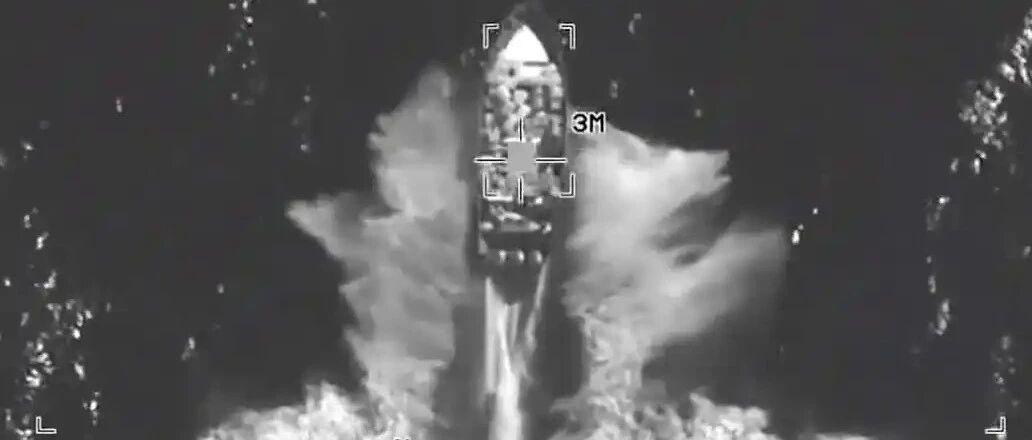
Core Viewpoint - The article discusses the recent military actions taken by the United States against a ship in the Eastern Pacific, which resulted in four deaths, and the subsequent reactions from the Venezuelan government, highlighting the escalating tensions in the region [2][3]. Group 1: U.S. Military Actions - On December 4, the U.S. military conducted a strike on a ship in international waters, resulting in the death of four individuals identified as "drug trafficking terrorists" [3]. - The operation was part of a broader initiative named "Operation Southern Strike," aimed at combating drug trafficking in the Caribbean region, which has drawn criticism from Venezuela and other Latin American countries [3][4]. - The U.S. Navy's destroyer "Thomas Hudner" has recently entered the Southern Command area, marking its second deployment to this region this year [4]. Group 2: Venezuelan Government's Response - Venezuelan President Maduro indicated a potential shift towards "armed struggle" if necessary, emphasizing the defense of peace and national sovereignty [5]. - Venezuelan Foreign Minister Hill accused the U.S. of imposing 1,042 sanctions on Venezuela, labeling them as "criminal" and "illegal," and criticized the military presence in the Caribbean as a threat to Venezuela [5]. - The Venezuelan government is facing increased pressure from U.S. sanctions, which have led to several international airlines suspending flights to Venezuela, raising concerns about the country's healthcare system [5][6]. Group 3: Healthcare System Concerns - The Venezuelan healthcare system is heavily reliant on imported materials and equipment, with hospitals typically maintaining only 10 to 15 days of inventory [6]. - If the disruption in transportation continues, there could be significant shortages of medical supplies within one to two months, negatively impacting patient care [6]. - The Venezuelan government is exploring diplomatic avenues to alleviate the situation and seeking new supply chains to address the shortages [6].
美接连威胁对委动手 暴露其极限施压未达预期
Yang Shi Xin Wen· 2025-12-03 09:21
Group 1 - The core viewpoint of the articles indicates that the recent threats from the U.S. to take military action against Venezuela reflect the failure of previous extreme pressure tactics, leading to a deepening crisis for the U.S. [1] - The U.S. has been conducting military deployments in Latin America and the Caribbean since late August, attempting to pressure Venezuela into political change, but these efforts have not yielded the desired results, as Maduro remains in power [1] - The military threats have resulted in a strong unifying effect within Venezuela, with the populace perceiving U.S. actions as self-serving, thus complicating the situation further [1] Group 2 - Domestically, 70% of the U.S. population opposes military action against Venezuela, questioning the rationale behind such actions [2] - The U.S. government's strategy of using drug trafficking as a pretext for pressure has not only failed to achieve its political objectives but has also backfired, particularly in the context of the upcoming midterm elections [2] - The ongoing military rhetoric, including the Defense Secretary's "leave no survivors" command, has led to increased scrutiny and criticism from the Democratic Party against the Republican administration [2] Group 3 - Should the U.S. proceed with military action against Venezuela, it could destabilize regional security and lead to unintended consequences for the U.S. itself [3] - The urgency to reassert dominance in the Western Hemisphere through military means may entrap the U.S. in a deeper conflict [3] - The potential for increased regional instability could result in humanitarian issues, such as a refugee crisis, which would further complicate the U.S. position [3]