精准扶贫

Search documents
重庆市彭水苗族土家族自治县善感乡周家寨村村民刘宗莉:把每个日子过得热气腾腾
Xin Lang Cai Jing· 2026-01-11 05:54
Core Viewpoint - The article highlights the transformation of Zhoujiazai Village in Chongqing, China, through tourism and rural revitalization efforts, showcasing the success of local businesses and improved living conditions for residents [1][2][3]. Group 1: Economic Development - The local economy has significantly improved due to the rise of eco-tourism, with the farm stay business generating over 100,000 yuan in its first year [2]. - The village has transitioned from poverty to prosperity, with the removal of the "poverty hat" in 2019, attributed to targeted poverty alleviation and rural revitalization policies [2]. - The establishment of a comprehensive "farm stay + guesthouse" model has enhanced the business, allowing for increased capacity and services, accommodating up to 1,000 diners and over 40 overnight guests [2]. Group 2: Infrastructure Improvement - Significant improvements in infrastructure have been made, including access to water, electricity, roads, and communication, transforming the village's accessibility from a three-hour trek to a 20-minute bike ride [3]. - The village has undergone aesthetic enhancements, with organized courtyards, flower beds, and lighting, contributing to a more appealing environment for both residents and tourists [3]. Group 3: Community Engagement - The farm stay business sources ingredients from local farmers, promoting community involvement and providing additional income for villagers [2]. - The increase in tourism has led to the establishment of multiple guesthouses and farm stays, fostering a vibrant local economy and improving the quality of life for residents [3].
吉林省舒兰市新安乡联合村村民于金发:幸福路越走越宽
Xin Lang Cai Jing· 2026-01-11 05:54
Core Insights - The article highlights the transformation of a previously impoverished village in Jilin Province, showcasing improvements in infrastructure, electricity access, and agricultural productivity, leading to increased income for residents [1][2][3] Group 1: Infrastructure Development - The village has seen significant infrastructure improvements, including the construction of a new asphalt road that replaced muddy paths, enhancing accessibility [1] - The installation of solar panels has provided a new source of income through dividends distributed to villagers, demonstrating the financial benefits of renewable energy projects [1] Group 2: Electricity and Agricultural Advancements - The local power company played a crucial role in upgrading the village's electrical infrastructure, allowing for reliable electricity supply, which is essential for modern appliances and industrial operations [2] - The introduction of electric irrigation systems and agricultural expertise has enabled villagers to cultivate high-value crops like green rice, further boosting agricultural productivity [2] Group 3: Economic Growth and Community Revitalization - The village's economic situation has improved significantly, with the average income of impoverished households reaching 16,816 yuan, reflecting a 15% year-on-year increase [3] - The return of young people to the village, attracted by improved living conditions and economic opportunities, indicates a revitalization of the community and a shift towards sustainable local development [3]
四川高校定点帮扶出成效 两项目入选教育部典型
Si Chuan Ri Bao· 2026-01-06 08:43
Group 1 - The core viewpoint of the news is that Sichuan Province has successfully implemented innovative poverty alleviation projects through higher education institutions, with two projects recognized as exemplary by the Ministry of Education [1][2] - Sichuan Province is the only province with two projects selected for the "2018 Provincial Universities Precision Poverty Alleviation Typical Projects" [1] - The province has established a "1+1+1" assistance mechanism, assigning one undergraduate university, one vocational college, and one private or adult college to each of the 45 deeply impoverished counties [1] Group 2 - In 2018, a total of 682 visits were made by the main leaders of assisting universities to the supported counties and villages, and 1,235 visits by team members [2] - Educational training sessions were organized 362 times, with 7,447 participants, and 2,654 individuals were assisted in employment or labor export [2] - A total of 1,420 targeted assistance projects were initiated, with self-raised or coordinated funding amounting to 22.877 million yuan [2]
彰显中国减贫理论和实践的世界意义
Ren Min Ri Bao· 2026-01-05 02:02
Core Insights - China has achieved historic success in poverty alleviation, lifting 800 million people out of poverty and meeting the UN's 2030 sustainable development goal a decade early [12][17][23] - The Chinese poverty alleviation model emphasizes precision and sustainability, focusing on tailored solutions for individual households rather than broad, generic assistance [24][25] Group 1: China's Poverty Alleviation Achievements - China has contributed over 70% to global poverty reduction, showcasing a significant structural change in global development patterns [15] - The publication of "Getting Rid of Poverty" in various languages has allowed other countries to learn from China's poverty alleviation strategies [12][17] - Uzbekistan has adopted a unique "Uzbekistan model" for poverty alleviation, integrating Chinese experiences into its governance [17][18] Group 2: Key Features of China's Poverty Alleviation Strategy - The strategy is characterized by a systematic approach that combines local resource advantages with public investment to create sustainable development [14][15] - The focus on "precision" and "long-term" solutions has been highlighted as essential for effective poverty alleviation, ensuring that resources are allocated based on specific needs [14][24] - The Chinese model includes a strong emphasis on community involvement and the establishment of local governance structures to support poverty alleviation efforts [19][25] Group 3: International Influence and Adaptation - Countries like Uzbekistan and Ghana are adapting China's poverty alleviation strategies to their local contexts, demonstrating the model's flexibility and applicability [17][25] - The collaboration between China and other developing countries in poverty alleviation showcases the potential for mutual learning and shared development goals [19][23] - The emphasis on integrating poverty alleviation with broader development policies has been recognized as a critical factor for success in various countries [22][24]

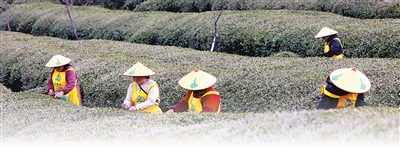
决胜脱贫在今朝
Si Chuan Ri Bao· 2026-01-04 07:05
Core Viewpoint - The article emphasizes that 2020 is a pivotal year for China's poverty alleviation efforts, marking the final push to eradicate absolute poverty and achieve the goal of building a moderately prosperous society [1] Group 1: Historical Context and Achievements - Over 800 million people have been lifted out of poverty in China since the reform and opening up, with more than 70% of global poverty reduction attributed to China [3] - The number of impoverished individuals in China has decreased from 98.99 million to over 6 million since the 18th National Congress of the Communist Party, with annual poverty reduction exceeding 10 million people for seven consecutive years [3] - The historical struggle against poverty reflects the aspirations of Chinese civilization, with a continuous pursuit of wealth and well-being throughout history [2] Group 2: Policy and Leadership - The Chinese Communist Party's leadership in poverty alleviation has been characterized by a focus on grassroots engagement and addressing the concerns of impoverished communities [4] - The implementation of targeted poverty alleviation strategies has been a hallmark of China's approach, showcasing a commitment to practical solutions and community involvement [5] - The article highlights the importance of maintaining high standards in poverty alleviation efforts, emphasizing the need for genuine poverty reduction and avoiding complacency [11] Group 3: Future Aspirations - The article asserts that poverty alleviation is just the first step, with the focus now shifting to building a better life and continuing the journey towards a modern socialist country [12] - The commitment to achieving the Chinese Dream is underscored, with a belief that the final barriers to poverty will be overcome through collective effort and determination [13][14] - The narrative concludes with a call to action, emphasizing the need for sustained effort and resilience in the face of challenges to ensure the success of poverty alleviation initiatives [15]
他在乡村振兴战场继续冲锋
Xin Lang Cai Jing· 2026-01-01 03:17
Core Viewpoint - The article highlights the dedication and contributions of Wang Zhiming, a retired military officer, in promoting rural revitalization and education in impoverished areas, particularly in Dongsheng Village, Guangxi Province, showcasing the impact of volunteerism among veterans [1][2][3][4][5]. Group 1: Volunteerism and Community Service - Wang Zhiming has taken on multiple roles post-retirement, including leading a volunteer service team focused on rural revitalization, demonstrating the commitment of retired military personnel to serve their communities [1][2]. - The "Old Soldiers Volunteer Poverty Alleviation Team," formed by Wang, consists of 28 members, all retired military officers, who actively engage in poverty alleviation efforts in remote areas [2][3]. Group 2: Economic Development Initiatives - The team has raised over 5 million yuan (approximately 0.7 million USD) to support economic development in Dongsheng Village, establishing industries such as specialty chicken, fragrant pigs, and red peppers [2][3]. - Wang's efforts contributed to Dongsheng Village being recognized as an advanced village in performance evaluations by the local government in 2023 [2]. Group 3: Educational Support and Infrastructure - Wang and his team have invested over 3 million yuan (approximately 0.42 million USD) in educational initiatives, including providing computers and establishing a professional computer classroom in Dongsheng Village [3][4]. - They have also renovated facilities in over 10 primary schools, replacing more than 1,200 sets of desks and chairs and improving overall educational infrastructure [3]. Group 4: Psychological and Financial Support for Students - The team organizes psychological counseling for high school students during critical periods, such as before college entrance exams, and awards scholarships to those who excel [4][5]. - Wang has facilitated ongoing financial support for students facing economic hardships, ensuring they can continue their education without interruption [5].
一把钥匙开一把锁
Ren Min Ri Bao· 2025-12-29 08:34
Core Viewpoint - The article emphasizes the importance of "precision" in consolidating and expanding the achievements of poverty alleviation and effectively connecting it with rural revitalization during the final year of the 14th Five-Year Plan [4][5]. Group 1: Achievements and Practices - The past five years have seen significant progress in poverty alleviation, with various regions implementing innovative practices to identify and mitigate risks of returning to poverty [4]. - Jiangxi's Tonggu County has utilized new technologies to create a monitoring network that accurately identifies risks, leading to early intervention and support [4]. - Gansu's Weiyuan County has transformed local resources, such as potatoes, into economic advantages, showcasing effective resource utilization [4]. - Zhejiang and Sichuan have developed the "Blue Eagle Project" to align enterprise needs with employment supply, demonstrating targeted support strategies [4]. Group 2: Precision Poverty Alleviation Strategy - The "precision poverty alleviation" concept, introduced in 2013, has led to a systematic approach that includes six precise measures and five key support strategies, resulting in the complete eradication of rural poverty by the end of 2020 [5]. - The central government has established a five-year transition period to ensure the sustainability of poverty alleviation results and their integration with rural revitalization [5]. - The precision approach has gained international recognition, with measures like "registration and filing" and "village-based cadres" being adopted by other countries [5]. Group 3: Future Directions - The upcoming 15th Five-Year Plan emphasizes the need for a regular mechanism to prevent the return to poverty, maintaining a focus on precision in support efforts [5][6]. - The article advocates for the use of advanced information technology to enhance monitoring and support processes, ensuring that assistance is tailored to individual needs [6]. - Long-term development in poverty-stricken areas requires leveraging local resources and improving infrastructure to foster new industries and economic growth [6][7].
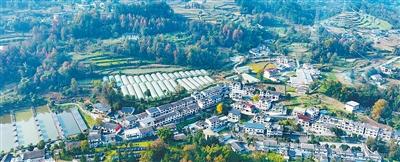
焦点访谈|新时代的减贫奇迹,是怎么做到的?
Yang Shi Wang· 2025-12-18 13:24
Core Viewpoint - The article emphasizes China's remarkable achievement in poverty alleviation, highlighting the effective strategies and leadership that have led to nearly 100 million people being lifted out of poverty and the prevention of large-scale poverty recurrence [1][24]. Group 1: Poverty Alleviation Achievements - This year marks the fifth year of consolidating and expanding the achievements of poverty alleviation and effectively connecting it with rural revitalization [1]. - China has successfully stabilized nearly 100 million people out of poverty, which is considered a significant miracle in the history of poverty reduction [1]. - The transformation from deep poverty to thriving industries is evident across various regions, showcasing a nationwide success in poverty alleviation [1]. Group 2: Leadership and Policy Framework - The fundamental guarantee for the success of poverty alleviation in the new era is the leadership of the Communist Party of China, which prioritizes serving the people [3]. - The commitment to eliminate absolute poverty is a practical action reflecting the "people first" philosophy [5]. - The strategic planning of poverty alleviation has been integrated into the national development framework, emphasizing historical responsibility and practical actions [6]. Group 3: Mechanisms and Strategies - A systematic and pragmatic poverty alleviation mechanism has been established, with a clear blueprint for success drawn from extensive research and strategic meetings led by the President [8]. - The establishment of a five-year transition period post-poverty alleviation aims to ensure the stability of poverty alleviation policies and prevent a return to poverty [10]. - The "precision poverty alleviation" approach, introduced by the President, marks a significant shift from broad measures to targeted interventions [16]. Group 4: Regional Cooperation and Economic Development - The collaboration between eastern and western regions has played a crucial role in poverty alleviation, with significant financial investments and resource transfers [14]. - The development of local industries, such as the guitar production in Zheng'an, exemplifies the successful implementation of poverty alleviation strategies and regional cooperation [12]. - The eastern provinces have provided valuable economic development experience, which has injected endogenous momentum into underdeveloped areas [14]. Group 5: Monitoring and Future Strategies - A national monitoring system for preventing a return to poverty has been established, allowing for early detection and intervention for at-risk populations [20]. - The dynamic monitoring mechanism has successfully assisted over 7 million individuals in stabilizing their livelihoods [20]. - The approach to poverty alleviation is characterized by a flexible policy design that allows for adjustments based on ongoing assessments and local conditions [22].
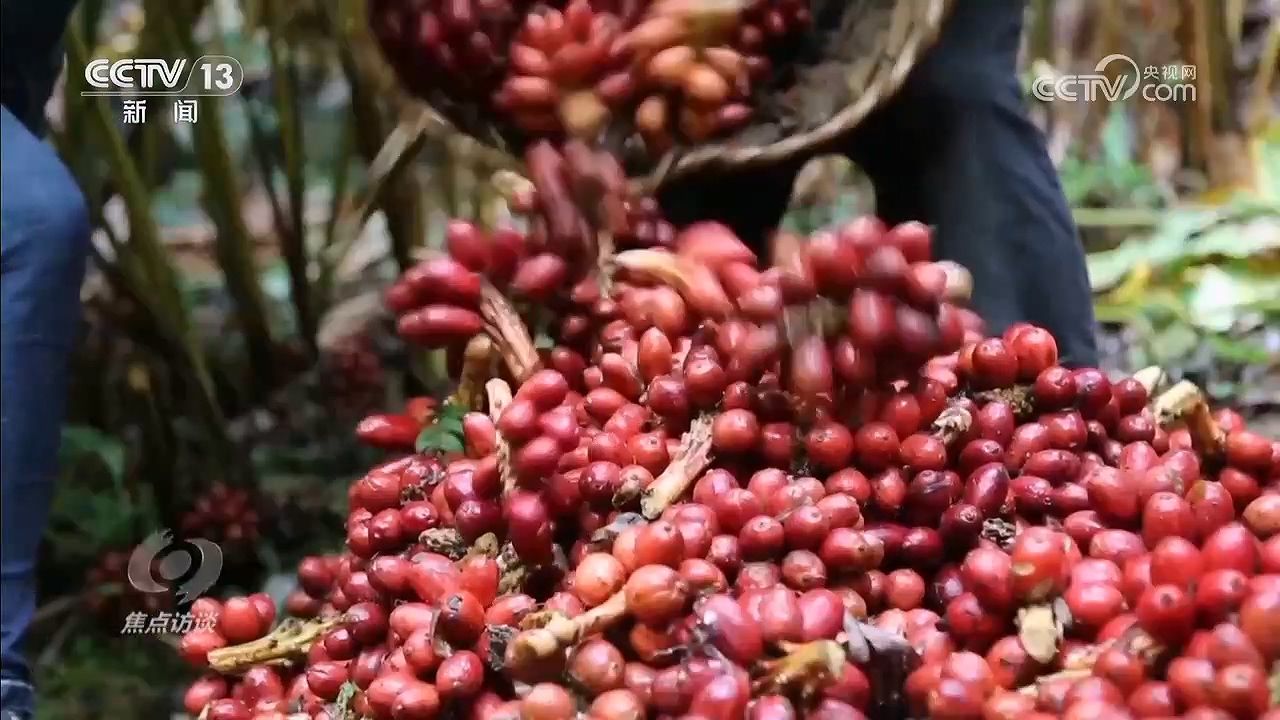
专访丨中国精准扶贫经验对发展中国家具有重要借鉴意义——访联合国资本发展基金执行主任顾明达
Xin Hua She· 2025-12-12 03:01
Core Viewpoint - China's experience in targeted poverty alleviation is considered a significant reference for developing countries according to the Executive Director of the United Nations Capital Development Fund [1][3]. Group 1: Organization Overview - The United Nations Capital Development Fund (UNCDF) was established by the UN General Assembly in 1966 as a mixed institution aimed at promoting development and facilitating financing [3]. - The organization focuses on providing blended financing solutions in high-risk markets, particularly in least developed countries, small island developing states, and fragile, conflict-affected nations [3]. Group 2: China's Role and Experience - China's long-term investment strategy, renewable energy investment strategy, and poverty reduction strategy are highlighted as important experiences that can be learned from and introduced to other countries [3]. - Many countries aiming to reduce poverty are actively studying and adopting China's effective methods [3]. Group 3: Future Collaboration - The Executive Director expresses eagerness to meet with Chinese representatives to learn from their experiences and hopes to encourage Chinese partners to support investments in other developing countries [3].

中国减贫扶贫经验值得借鉴
Ren Min Ri Bao Hai Wai Ban· 2025-12-05 22:03
Core Insights - China's poverty alleviation strategy focuses on training and skill enhancement rather than one-time financial aid, which is crucial for sustainable livelihoods and serves as a valuable lesson for many developing countries [1] - The integration of industrial development, human capital construction, and grassroots governance in China's poverty alleviation efforts leads to quick and sustainable results [1] - The concept of "green development" is emphasized, indicating that poverty alleviation should not come at the expense of environmental degradation [1] Summary by Sections Poverty Alleviation Strategy - The approach to poverty alleviation in China is characterized by a systematic and targeted method, such as "precise poverty alleviation" and "tailored solutions" [1] - The example of Qingxi Village in Yiyang City, which leverages cultural influence to attract tourism and develop a unique rural cultural tourism industry, illustrates the potential for similar strategies in Malaysia and other countries [1] Future Cooperation Potential - There is significant potential for collaboration between Malaysia and China in poverty alleviation, particularly by adopting China's green concepts and technological pathways to promote sustainable rural economic development [2] - The emphasis on capacity building over mere financial aid is highlighted as a key success factor in China's approach, contrasting with the practices of many other countries that often lack follow-up and maintenance [2] Observations on Development - Increasing numbers of officials, scholars, and youth from developing countries are visiting China to witness its development firsthand, which is seen as more impactful than merely hearing about it [2]