
自我革命

Search documents
水利部党组召开会议 坚决拥护党中央对田学斌进行纪律审查和监察调查的决定
Shui Li Bu Wang Zhan· 2026-01-07 06:49
Core Viewpoint - The meeting emphasizes the importance of upholding the Party's political discipline and the need for a strong commitment to anti-corruption efforts, reflecting the central leadership's determination to maintain integrity and accountability within the Party [1][2][3]. Group 1 - The meeting reported on the disciplinary investigation of Tian Xuebin for serious violations, showcasing the Party's commitment to self-reform and maintaining its advanced and pure nature [1]. - Participants expressed unwavering support for the decisions made by the Central Committee and the Central Commission for Discipline Inspection, highlighting the importance of political unity and adherence to Party principles [1][2]. Group 2 - The meeting stressed the need to continuously promote the implementation of strict Party governance, maintaining a serious atmosphere and measures against corruption, and ensuring that political discipline is prioritized [2][3]. - It called for a comprehensive approach to address corruption, including establishing a transparent and accountable system for power delegation and usage, and fostering a political environment free from corruption [3].
大理州工商联加强自身建设护航“两个健康”
Xin Lang Cai Jing· 2026-01-06 20:32
Core Viewpoint - The Dali Prefecture's Federation of Industry and Commerce is undergoing a profound transformation themed "self-revolution" to adapt to new circumstances and tasks in the current era, focusing on promoting the healthy development of the non-public economy and the growth of non-public economic individuals [1][2]. Group 1: Organizational Changes - The Dali Federation aims to internalize the spirit of self-revolution and apply it throughout the process of promoting the non-public economy and its stakeholders [1]. - The organization is adopting new communication formats such as "bi-monthly tea discussions," "government-business friendly agreements," and "entrepreneur salons" to facilitate equal dialogue and policy dissemination [1]. Group 2: Strategic Initiatives - The Federation is shifting from a generalized service model to a more precise strategy of "one industry, one policy; one enterprise, one team," particularly focusing on highland characteristic modern agriculture and guiding it towards smart agriculture and deep processing [1]. - In the green energy sector, the Federation is linking resources to promote new business models like "photovoltaic + ecology + agriculture" [1]. Group 3: Mechanism Improvement - The Federation is enhancing a "grid-based" mechanism for connecting business associations and serving enterprises, while also strengthening the closed-loop handling of enterprise-related requests [2]. - It is innovating financial products to address financing difficulties, exploring new collateral models based on intellectual property and carbon emission rights [2]. Group 4: Digital Transformation - The Federation is building and utilizing the "Yunnan Digital Federation of Industry and Commerce" platform to achieve direct policy access, unified request processing, and integrated financial services [2]. - Data empowerment is being leveraged for dynamic monitoring of the private economy and precise demand profiling, transitioning from experience-driven to data-driven operations [2]. Group 5: Long-term Vision - The Dali Federation is committed to continuous self-improvement and innovation, aiming to create a supportive environment for private economic individuals and contribute to the modernization of Dali [2].
水利部党组召开会议,坚决拥护党中央对田学斌进行纪律审查和监察调查的决定
Xin Lang Cai Jing· 2026-01-05 14:33
Group 1 - The Ministry of Water Resources is undergoing a disciplinary review and investigation regarding serious violations of discipline and law by Tian Xuebin, highlighting the central government's commitment to strict governance and anti-corruption efforts [1] - The meeting emphasized the importance of political loyalty and adherence to the core values of the Communist Party, urging all party members to align their thoughts and actions with the central government's directives [2] - The meeting called for a continuous and deep advancement of strict party governance, maintaining a high-pressure stance against corruption, and ensuring a clean political environment to support high-quality development in the water resources sector [3] Group 2 - The meeting stressed the need for a clear understanding of political responsibilities and the importance of self-discipline among party members, advocating for a culture of integrity and accountability [2][3] - It was highlighted that the mechanisms for addressing corruption should be integrated and persistent, with a focus on both prevention and punishment to maintain a robust anti-corruption framework [3] - The Ministry aims to contribute significantly to the realization of socialist modernization through effective governance and management in the water resources sector [3]
湖北省委:坚决拥护党中央对周先旺的处理决定
Xin Lang Cai Jing· 2026-01-04 14:56
Group 1 - The Hubei Provincial Standing Committee held a meeting to support the Central Committee's decision to expel Zhou Xianwang from the Party and public office, emphasizing the Party's commitment to zero tolerance for corruption [1][2] - The meeting highlighted the importance of political integrity and the need for all Party organizations and members to align their thoughts and actions with the Central Committee's decisions, reinforcing loyalty to the Party [1][2] - The meeting called for continuous efforts to strengthen political supervision, maintain the authority of the Central Committee, and enhance the execution of regulations, particularly regarding the supervision of leadership [2][3] Group 2 - The meeting stressed the need for leaders at all levels to set an example and uphold correct political views, performance views, power views, and supervision views, thereby fostering a disciplined and effective team [3] - It was emphasized that all levels of Party organizations must take responsibility for discipline and supervision, ensuring that leaders fulfill their roles and that disciplinary bodies actively enforce regulations [3] - The meeting concluded with a commitment to deepen the implementation of strict Party governance and to provide strong political support for the strategic development of the central region [3]
【好评中国】砥砺前行,为梦想与幸福奋斗打拼
Xin Lang Cai Jing· 2026-01-01 06:25
Core Viewpoint - The New Year message from President Xi Jinping emphasizes the importance of courage, vitality, and diligence in pursuing dreams and happiness, reflecting on past achievements while looking forward to future challenges and opportunities [1][2][3][4] Group 1: Courage in Challenges - The past five years have seen unprecedented challenges due to global changes, including rising trade protectionism and geopolitical conflicts, which have disrupted production and supply chains [2] - The Chinese government, under Xi Jinping's leadership, has successfully navigated these challenges, completing key objectives and making steady progress in the journey towards modernization [2] Group 2: Innovation and Vitality - The pursuit of Chinese-style modernization is a groundbreaking endeavor that requires both courage and the ability to stimulate creativity and innovation across various sectors [3] - China has emerged as one of the fastest-growing economies in terms of innovation, with significant advancements in technology, including artificial intelligence and autonomous chip development [3] Group 3: Diligence and Practicality - Achieving socialist modernization is a continuous process that demands persistent effort and dedication, with a focus on high-quality development and deepening reforms [4] - The commitment to maintaining momentum and addressing future challenges is crucial, with an emphasis on self-discipline and a strong sense of mission among the leadership and the populace [4]
“这是一个政党保持长久活力的重要原因”
Ren Min Ri Bao· 2025-12-31 01:16
Core Viewpoint - The self-revolution of the Communist Party of China (CPC) is a crucial answer to break the historical cycle of governance and chaos, with the implementation of the Central Eight Regulations being a significant experience in promoting strict party governance and improving work style [1][2]. Group 1: Implementation and Impact of Central Eight Regulations - The Central Eight Regulations serve as a fundamental guideline for the CPC, showcasing its commitment to self-reform and discipline, which has been recognized internationally as a model for governance [2][6]. - The implementation of the Central Eight Regulations has led to a significant improvement in the work style of CPC members, enhancing administrative efficiency and strengthening the connection between the CPC and the public [4][5]. - The regulations have established a self-supervision mechanism within the party, focusing on public concerns and ensuring long-term adherence to these principles [2][3]. Group 2: International Recognition and Lessons - International experts highlight that the CPC's approach to governance through the Central Eight Regulations provides valuable lessons for political parties worldwide, emphasizing the importance of self-discipline and moral leadership [6][7]. - The CPC's commitment to self-reform and its ability to maintain public trust and support are seen as key factors in its governance success, which can inspire other countries to improve their political practices [4][5][6]. - The experience of the CPC in implementing the Central Eight Regulations is viewed as a new perspective for political party development globally, advocating for action-oriented reforms that address tangible public needs [6][7].
敬畏人民、敬畏组织、敬畏法纪
Xin Lang Cai Jing· 2025-12-26 06:43
Core Viewpoint - The article highlights the ongoing efforts and significance of the Central Eight Regulations in China's governance, emphasizing the importance of self-reform and anti-corruption measures as part of the broader strategy for building a modern socialist country by 2025 [1][3][4]. Group 1: Implementation of Central Eight Regulations - The Central Eight Regulations have been in effect for thirteen years, serving as a key framework for party discipline and governance [1]. - In 2025, the Communist Party of China (CPC) initiated a comprehensive education campaign to reinforce the spirit of the Central Eight Regulations among party members and officials [1][3]. - The regulations are viewed as a "golden business card" for the CPC in the context of modern governance [1]. Group 2: Leadership and Guidance - President Xi Jinping has actively participated in discussions and inspections related to the implementation of the Central Eight Regulations, emphasizing the need for grassroots engagement and effective communication with the public [3][4]. - During various inspections, Xi has stressed the importance of maintaining discipline and addressing any resurgence of undesirable practices within the party [3][4]. - The CPC has established a robust mechanism for monitoring and enforcing compliance with the Central Eight Regulations, including the deployment of numerous supervisory teams across various regions [5]. Group 3: Ongoing Challenges and Future Directions - The article notes that the fight against corruption remains a complex and ongoing challenge, with both existing and emerging issues that require continuous attention [3][4]. - The CPC plans to further consolidate the achievements of the education campaign and promote a long-term, normalized approach to improving party conduct and combating corruption [5]. - The emphasis on accountability and the need for party members to respect the law and public trust is reiterated as a fundamental principle for future governance [5].

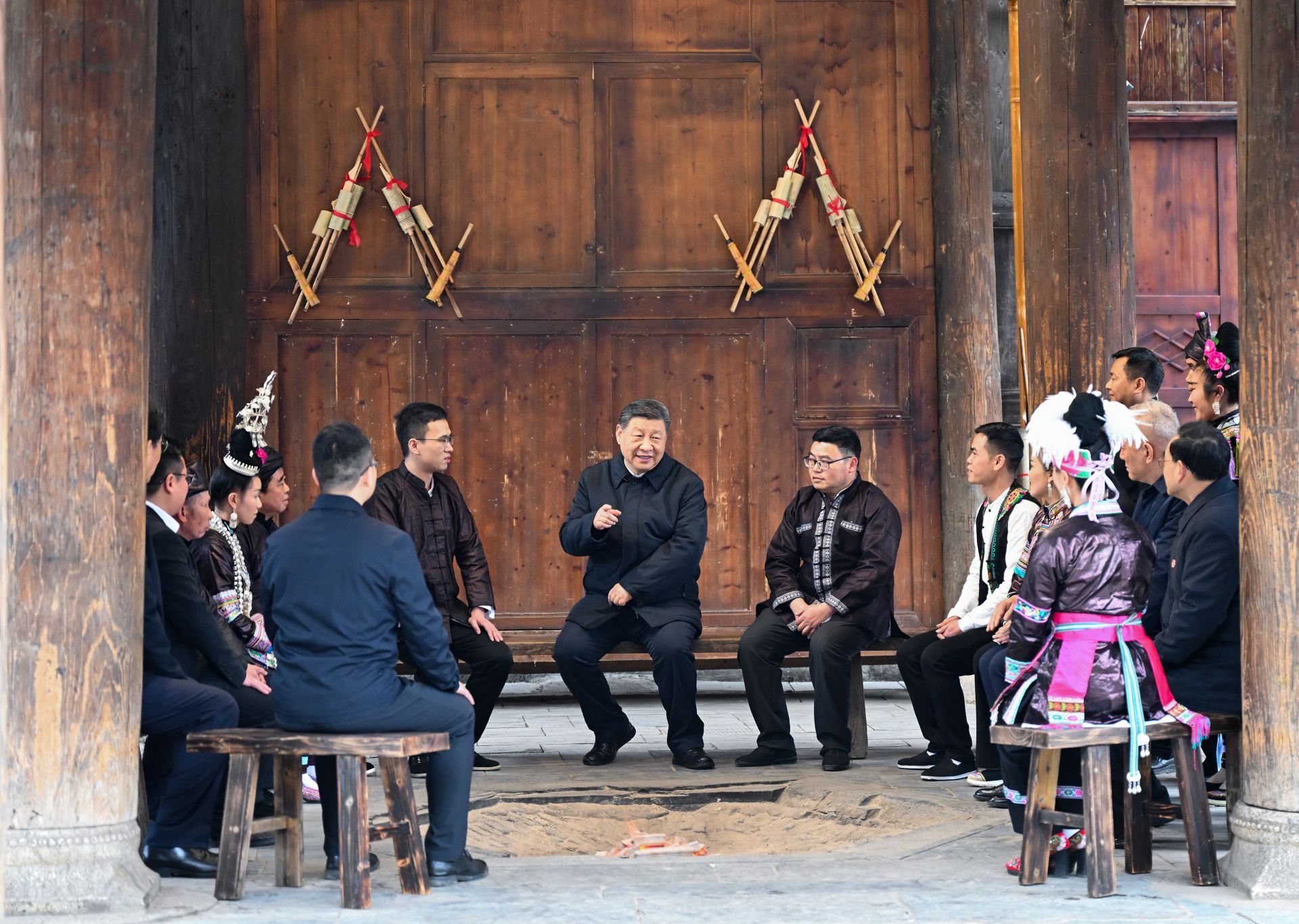
聚焦主业 忠诚担当 融入大局 勇当标杆 不断书写纪检监察工作高质量发展新篇章
Zheng Zhou Ri Bao· 2025-12-26 00:47
Core Viewpoint - The article emphasizes the importance of implementing Xi Jinping's thoughts on self-revolution and the spirit of his speeches during inspections in Henan, focusing on the "five further improvements" and the comprehensive implementation of the 20th National Congress of the Communist Party of China and relevant local meetings [1][2]. Group 1 - The municipal party committee is committed to enhancing political awareness and responsibility in the context of the "1+7+7+7" work deployment, aiming for high-quality development in discipline inspection and supervision [1][2]. - The city’s discipline inspection and supervision have achieved significant results under the leadership of the provincial and municipal committees, effectively promoting the implementation of the municipal center's work and maintaining a clean political environment [1][2]. - The discipline inspection system is urged to strengthen its awareness of the overall situation and political stance, focusing on the implementation of Xi Jinping's thoughts and the central eight regulations [2]. Group 2 - There is a call for continuous efforts to combat corruption and promote a culture of integrity, emphasizing the need for a comprehensive approach to prevent corruption and address issues of misconduct in the community [2]. - The article highlights the importance of balancing strict management with care, fostering a clean and positive atmosphere for work and entrepreneurship [2]. - The need for strengthening internal construction and building a disciplined inspection team is emphasized, aiming to serve the overall situation and contribute to the modernization of the region [2].
奋进的回响|敬畏人民、敬畏组织、敬畏法纪
Yang Shi Wang· 2025-12-26 00:44
Core Insights - The article highlights the ongoing implementation and significance of the Central Eight Regulations in China, marking its thirteenth year in 2025, emphasizing its role in party governance and anti-corruption efforts [1][5][7] Group 1: Central Eight Regulations - The Central Eight Regulations serve as a "golden card" for party governance in the new era, reflecting the Communist Party's commitment to self-reform [1][5] - The regulations emphasize improving research and engagement with the public, requiring officials to hold discussions with citizens and analyze typical cases [5][6] Group 2: Anti-Corruption Efforts - President Xi Jinping noted the ongoing complexity of the anti-corruption struggle, with existing corruption not fully eradicated and new instances still emerging [1][5] - The Central Committee has dispatched 11 guiding teams to oversee the implementation of the regulations across 30 regions and units, with over 8,500 local supervisory groups involved [6] Group 3: Party Discipline and Education - The party is focusing on deepening the education on the Central Eight Regulations, aiming to reinforce discipline and improve the conduct of party members [1][5][6] - Continuous public reporting on violations of the regulations has been maintained for 147 months, signaling a persistent commitment to accountability [6] Group 4: Future Directions - The 2026 work plan emphasizes consolidating the educational outcomes of the Central Eight Regulations and promoting long-term improvements in party conduct [7] - The party's leadership stresses that the construction of a disciplined party is an ongoing process, with no completion point [8]
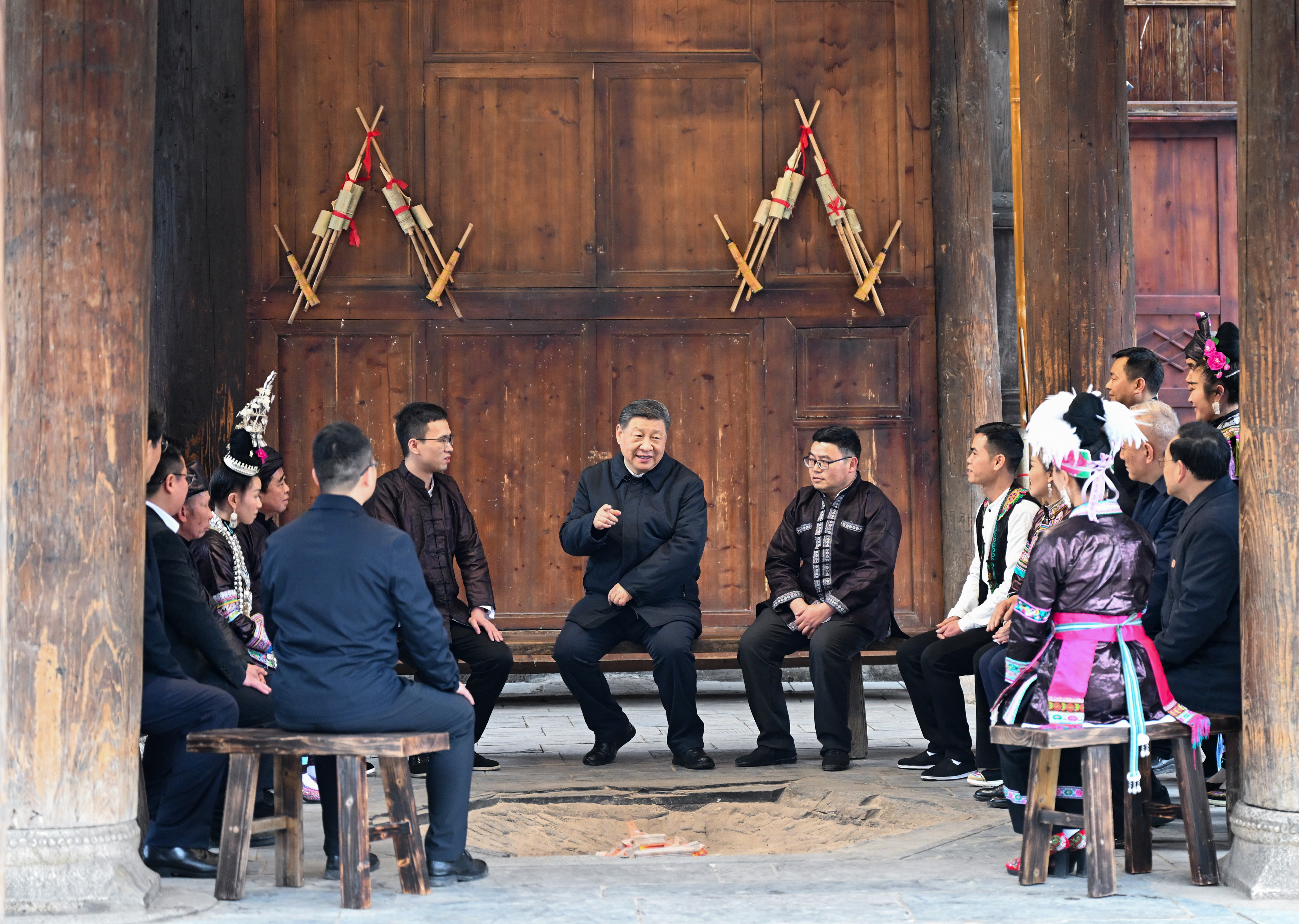
向世界讲好中国廉洁故事
Zhong Yang Ji Wei Guo Jia Jian Wei Wang Zhan· 2025-12-04 00:14
Group 1 - The core viewpoint emphasizes the importance of enhancing the international communication capabilities of mainstream media to present a credible and admirable image of China, particularly through the lens of the new era's clean culture as a significant narrative in anti-corruption efforts [1] - The new era's clean culture is highlighted as an essential part of the political culture within the Party, reflecting Chinese characteristics and wisdom, which can help establish a positive national image on the international stage [1][2] - The article stresses the need to effectively communicate the stories of clean culture, showcasing its origins and its role in shaping the spiritual world of the Chinese nation, while also emphasizing the achievements in anti-corruption since the 18th National Congress [2] Group 2 - A multi-faceted communication framework is proposed, where mainstream media should actively set topics and share experiences of clean culture in a way that resonates with international audiences [3] - Collaboration among various sectors, including enterprises, universities, and civil organizations, is essential to present the advancements in clean culture from diverse perspectives [3] - The article calls for the expansion of communication channels and platforms for international dialogue to enhance the global recognition of clean culture [3] Group 3 - Precision in communication is crucial, focusing not only on what to say but also on understanding what the audience wants to hear and how to make it comprehensible [4] - The need for differentiated communication strategies based on the social customs and values of different regions is emphasized, including the use of local historical references to make clean culture relatable [4][5] - The article discusses the importance of addressing the unique cultural characteristics while also finding common values that resonate universally, such as the pursuit of justice and the importance of family [5]