
草原生态保护

Search documents
记录草原牧民的夏季转场路 感受人、畜与草原的和谐共生
Yang Shi Wang· 2025-06-15 08:52
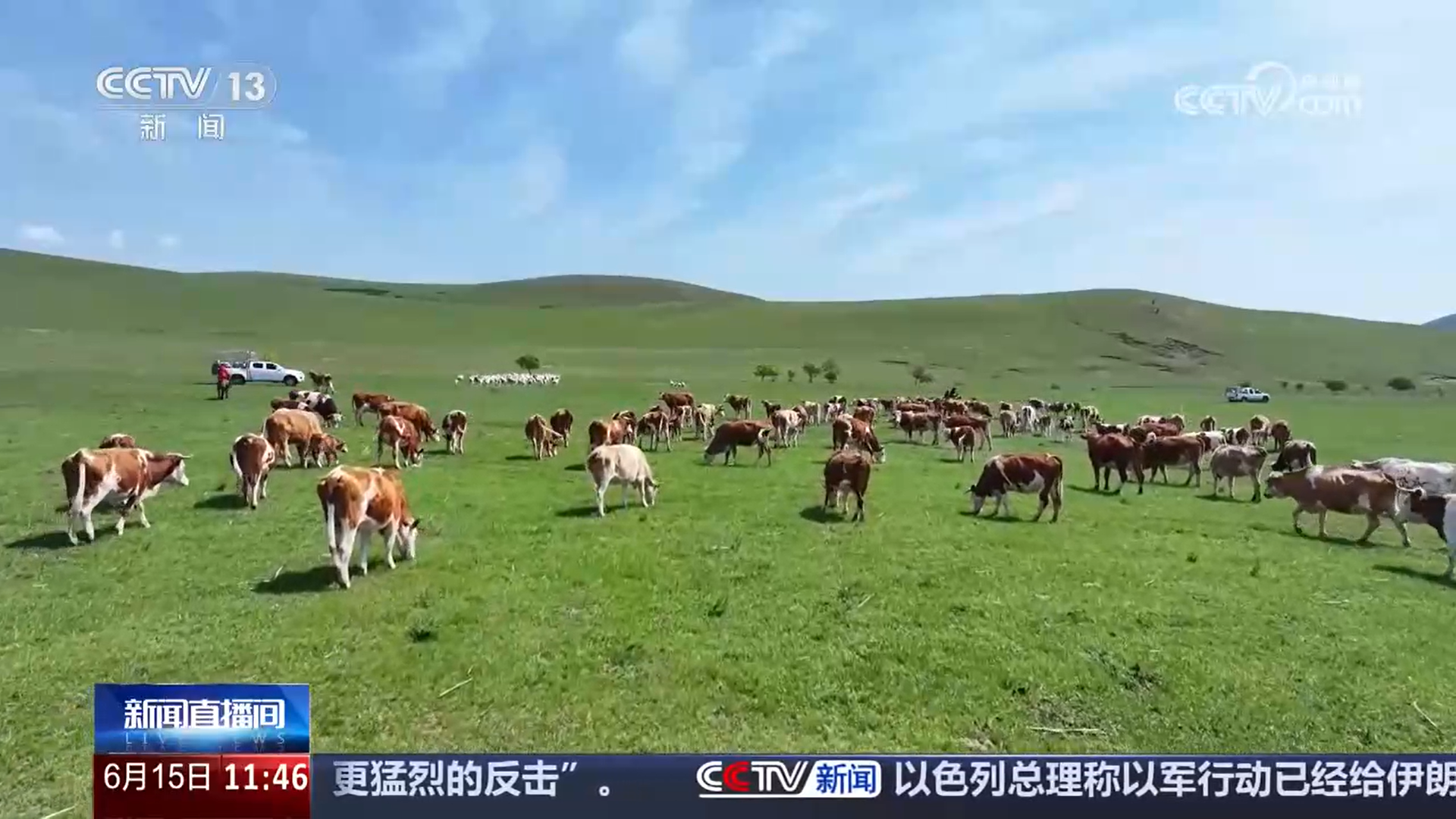
Core Points - The article discusses the summer migration of over 1,300 herding families in the Arhu Khorqin Banner of Inner Mongolia, highlighting the challenges they face due to frequent rainfall during their journey [1][9] - The migration process involves careful preparation and the use of technology, such as smart collars for livestock, to track their location [1][3] - The article emphasizes the ecological benefits of the summer migration, showcasing the improved grassland conditions after a three-month rest period for the pastures [15][16] Migration Challenges - The herders are racing against the weather, trying to complete their journey before heavy rains forecasted from June 14 to June 15 [9] - Unexpected events occur during the migration, such as a cow attempting to return home, which complicates the journey [5] - The herders employ various strategies to ensure the safety and well-being of their livestock during the migration [5][11] Summer Camp Setup - Upon arrival at the summer camp, herders reinforce their yurts with waterproof materials to protect against rain [11] - The article describes the interior of the yurts, which are equipped for comfort and convenience, including food preparations and modern amenities like delivery services [13][14] Ecological and Economic Benefits - The article highlights the ecological improvements in the grasslands due to a three-month rest period, with vegetation coverage increasing from 68.6% to 73.65% and grass yield rising from 76.4 kg/mu to 84.25 kg/mu [18] - The local government has implemented measures to prevent overgrazing, establishing guidelines for livestock density on pastures [19] - The article discusses the establishment of a cooperative for managing excess livestock, providing comprehensive services for feeding and fattening [21]

精心呵护草原生态环境
Jing Ji Ri Bao· 2025-05-29 22:20
Core Viewpoint - The article emphasizes the historical progress and significant achievements in grassland ecological protection in China, highlighting the government's commitment to ecological governance and sustainable development [1] Group 1: Ecological Protection Achievements - China has nearly 4 billion acres of grassland, which is crucial for national ecological security and regional economic development [1] - Since the "14th Five-Year Plan," central government investment in grassland protection and restoration has reached 110 billion yuan, with an average annual restoration of over 4.6 million acres and pest control over 10 million acres [1] - The comprehensive vegetation coverage of grasslands has stabilized above 50% for several years, indicating significant progress in high-level protection and quality development [1] Group 2: Regional Initiatives and Challenges - Inner Mongolia has implemented a dual-track system of "forbidden grazing and rest grazing," reducing the grassland livestock balance index from 23.9% to below 10% [2] - Qinghai Province has achieved a vegetation coverage of 58.56% in high-altitude grasslands, with fresh grass production exceeding 10 million tons [2] - Challenges in ecological protection include high artificial intervention, insufficient understanding of natural laws, and barriers to cross-regional cooperation [2] Group 3: Technological Empowerment - The article discusses the shift from experience-based to smart management in grassland protection, emphasizing the integration of traditional wisdom and modern technology [3] - A comprehensive monitoring network utilizing satellite remote sensing and drones is proposed to track dynamic changes in vegetation, animals, soil, and climate [3] - The use of IoT sensors and AI for intelligent management of grassland ecosystems is highlighted [3] Group 4: Economic Integration and Collaboration - The development of "ecological industrialization and industrial ecology" is encouraged, promoting models like "grass-solar complementary" and "forest-grass composite" [4] - Establishing a carbon trading market for grasslands is suggested to convert ecological benefits into economic gains for herders [4] - The article calls for enhanced regional cooperation and international collaboration in grassland ecological protection, sharing experiences and technologies [4]
中国草原面积近40亿亩,居世界第一
Ren Min Ri Bao Hai Wai Ban· 2025-04-22 22:11
Core Viewpoint - China has made significant progress in grassland ecological protection, with a focus on restoration and sustainable management of its vast grassland resources, which cover nearly 4 billion acres, the largest in the world [1][2]. Group 1: Grassland Restoration and Investment - The central government has invested a total of 110 billion yuan in grassland protection and restoration since the beginning of the 14th Five-Year Plan, with an average annual restoration of over 4.6 million acres [1]. - The annual area for pest control on grasslands exceeds 10 million acres, and the total fresh grass production has surpassed 550 million tons [1]. - Integrated protection and systematic governance of grasslands are being promoted, enhancing the quality and stability of grassland ecosystems [1]. Group 2: Regulatory and Utilization Improvements - The effectiveness of grassland resource supervision has been significantly enhanced, with nearly 50,000 cases of grassland destruction reported and over 1,000 cases referred to judicial authorities since 2018 [2]. - The scientific utilization of grasslands is improving, with policies encouraging ecological protection and sustainable practices in livestock farming, thereby alleviating pressure on natural grasslands [2].
内蒙古超亿亩草原进入休牧期 牧民获补贴
Zhong Guo Xin Wen Wang· 2025-04-11 03:42
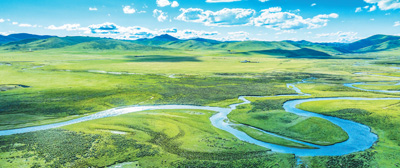
Core Insights - Inner Mongolia's Hulunbuir grassland, covering 93.3 million acres, has entered a 45-day seasonal rest period starting April 10, with government subsidies for herders [1] - The total area of Hulunbuir grassland is approximately 149 million acres, recognized as one of the world's four major grasslands [1] - In 2024, the natural grass yield in Hulunbuir is projected to reach 18.76 million tons, with a vegetation coverage of 76.38% and an average grass height of 36.78 cm [1] Grassland Management and Subsidies - During the rest period, herders receive a subsidy of 0.74 RMB per acre, with a total of 21.33 million acres eligible for subsidies in the region [1] - In Xilin Gol grassland, over 220 million acres have also entered a 45-day rest period starting April 1, with subsidies of 1.125 RMB per acre, totaling 250 million RMB for local herders [1] - The ecological protection and subsidy model aims to achieve a win-win situation for both ecological conservation and herder income [1] Vegetation Improvement - Over the past five years, Xilin Gol grassland's vegetation coverage has increased by over 7%, reaching 48.48%, while grass yield per acre has improved by 18% to 61.09 kg [2] - In Ordos City, 53.38 million acres of grassland have also begun a three-month rest period, with vegetation coverage rising from below 42% in 2011 to 49.8% currently due to ecological protection policies [2]