手把肉

Search documents
游客为内蒙古味道点赞
Xin Lang Cai Jing· 2026-02-19 21:59
Core Viewpoint - Inner Mongolia is leveraging its rich culinary heritage to attract tourists and enhance the festive atmosphere during the Spring Festival, showcasing traditional dishes and local delicacies [1][2][3] Group 1: Culinary Highlights - The region features signature dishes such as roasted whole lamb, hand-held meat, and traditional milk tea, which are central to the festive dining experience [1] - A notable dish, the local "shao mai," is highlighted for its unique preparation and flavor, emphasizing the craftsmanship involved in its making [2] - The combination of traditional foods creates a warm and inviting atmosphere for families and visitors, enhancing the overall festive experience [1][3] Group 2: Tourism and Economic Impact - Events like the "2026 New Year Goods Festival" and the "Inner Mongolia New Year Goods Expo" are designed to promote local products and stimulate consumer interest [2] - The integration of food with cultural heritage through various events aims to attract more visitors and boost local economic activity during the holiday season [2] - The distribution of food consumption vouchers is part of the strategy to encourage spending and support local businesses [2]
在舌尖上解锁内蒙古春节的地道年味
Xin Lang Cai Jing· 2026-02-19 11:41
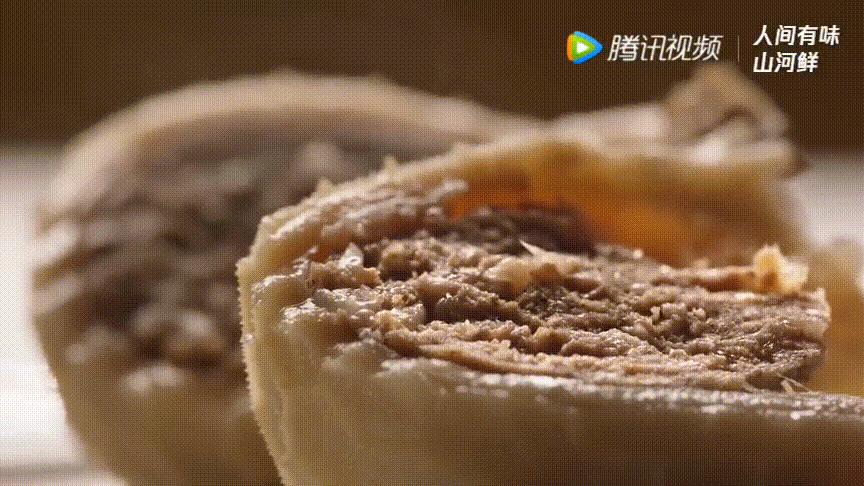
Core Viewpoint - Inner Mongolia is celebrating the Spring Festival with a rich array of local delicacies, attracting both residents and tourists to experience the authentic flavors of the region [1][11]. Group 1: Culinary Highlights - The festival features traditional dishes such as roasted whole lamb, hand-held meat, and local fish stew, alongside classic beverages like salty milk tea, showcasing the region's culinary diversity [1][3]. - A notable dish, the roasted whole lamb, is presented in a ceremonial manner, enhancing the dining experience for families and visitors [3]. - The famous "shao mai" (steamed dumplings) is highlighted for its unique preparation and flavor, becoming a must-try for visitors [4][5]. Group 2: Cultural and Economic Initiatives - Inner Mongolia is promoting its culinary culture through various events like the "2026 New Spring Festival Food Festival" and the "2026 Inner Mongolia New Year Goods Expo," featuring hundreds of quality enterprises and thousands of specialty products [7]. - The region's agricultural sector, including rice, flour, and meat production, supports the local food scene, ensuring a steady supply of high-quality ingredients [9]. - Traditional food businesses are innovating by offering new products such as Spring Festival gift boxes and semi-finished home banquet items, helping to spread local flavors nationwide [9].

新巴尔虎左旗推动传统牧户游提质增效
Xin Lang Cai Jing· 2026-01-13 19:50
Core Insights - The integration of "animal husbandry + cultural tourism" in New Barag Right Banner is transforming traditional pastoral tourism into a deep experiential model, enhancing visitor engagement and satisfaction [1][2] - The region has seen a significant increase in winter pastoral tourism reception, with a year-on-year growth of 83.7% during the 2025-2026 winter season, leading to a total tourism revenue of nearly 3.6 million yuan [2] Group 1: Tourism Development - New Barag Right Banner is focusing on a dual system of "city-level pilot + banner-level cultivation" to promote pastoral tourism, with the first batch of 10 key pastoral tourism reception households [1] - The integration of non-material cultural heritage performances, folk experiences, and specialty dining has greatly increased visitor participation, encouraging them to stay longer and engage with local culture [1] Group 2: Agricultural Practices - The region promotes a "transit community" mechanism and implements scientific rotational grazing on 120,000 acres of summer pastures, achieving an 8-month rest period for grasslands and increasing vegetation coverage to 75% [2] - A full traceability system is in place for livestock, with each sheep wearing an electronic ear tag that allows consumers to track the entire process from breeding to processing, ensuring quality and safety [2] Group 3: Economic Impact - The sales proportion of beef and lamb has surged from less than 3% to 63.9%, indicating a strong market demand for local products driven by the "Hulunbuir Grassland" regional public brand [2] - The diverse business models, including winter fishing festivals and beef festivals, are transforming the harsh winter environment into significant economic opportunities, turning "ice and snow" into "gold and silver mountains" [2]
漫长的冬天,来内蒙吃点好的,还有......
3 6 Ke· 2025-12-26 02:45
Core Viewpoint - The article highlights the unique culinary experiences and cultural richness of Inner Mongolia during winter, emphasizing the warmth and comfort provided by traditional meat dishes and local delicacies in the harsh cold environment [1][21]. Group 1: Culinary Delights - The winter season in Inner Mongolia is characterized by hearty meat dishes, such as roasted lamb, beef steaks, and various soups, which are essential for warmth and sustenance [1][6][10]. - Traditional dishes like "hand-pulled meat" and "ice-cooked lamb" showcase the region's culinary techniques, emphasizing the use of fresh, local ingredients to enhance flavor [7][9]. - Dairy products, including milk skin and yogurt pancakes, are highlighted as comforting treats that complement the meat dishes, providing a sweet and rich experience [13][15]. Group 2: Cultural Significance - The article illustrates the resilience and warmth of the local people, who find joy and community in sharing meals during the cold winter months [3][21]. - The winter landscape of Inner Mongolia, with its snow-covered plains and traditional yurts, creates a picturesque backdrop that enhances the cultural experience of dining in this region [17][18]. - The communal aspect of dining, where friends and family gather around hot pots and share stories, is emphasized as a vital part of the winter experience in Inner Mongolia [10][12].
在黑河,跟“彼得洛夫”做直播(边城见闻)
Ren Min Ri Bao· 2025-08-25 22:27
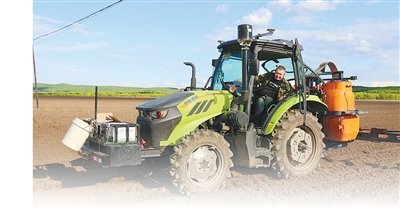
Core Viewpoint - The article highlights the cultural and economic exchanges between China and Russia, particularly through the activities in Heihe and Blagoveshchensk, showcasing the integration of local communities and the promotion of cross-border trade and tourism [9][20]. Group 1: Economic and Trade Activities - Heihe and Blagoveshchensk are referred to as "twin cities," being the closest and largest border cities between China and Russia, facilitating significant cross-border trade [11][20]. - The article mentions the convenience of transportation options, such as hovercrafts that can transport passengers in as little as 2 minutes across the river, enhancing trade and tourism [10][16]. - The presence of a national-level border economic cooperation zone and a cross-border trade area in Heihe supports the growth of trade activities, making it a vital hub for economic exchanges [20]. Group 2: Cultural Exchange and Community Integration - The article describes the vibrant cultural scene in Heihe, where local markets feature a mix of Chinese and Russian foods, reflecting the cultural integration of the communities [12][14]. - Events like the Bascak Festival and food tasting events promote cultural exchange, with local residents showcasing traditional foods and customs from both cultures [13][12]. - The establishment of the Confucius Institute in Blagoveshchensk, which has grown from 70 to 450 students, indicates a strong interest in learning Chinese language and culture among Russians [18][19]. Group 3: Local Personalities and Influencers - The character "Peterloff," a local influencer, has gained over 600,000 followers by showcasing agricultural activities and local cuisine through live streaming, bridging cultural gaps and promoting local products [12][19]. - His activities highlight the blending of cultures, as he engages with both Chinese and Russian audiences, promoting a sense of community and shared experiences [12][19]. Group 4: Infrastructure and Connectivity - The article emphasizes the modern transportation infrastructure in Heihe, including water, road, and pipeline systems, which facilitate efficient cross-border movement and trade [20]. - The hovercraft service and the international passenger ferry are highlighted as key components of the transportation network that supports tourism and trade between the two countries [10][16].
呼和浩特:暑期文旅市场“热”力全开
Zhong Guo Chan Ye Jing Ji Xin Xi Wang· 2025-08-04 23:35
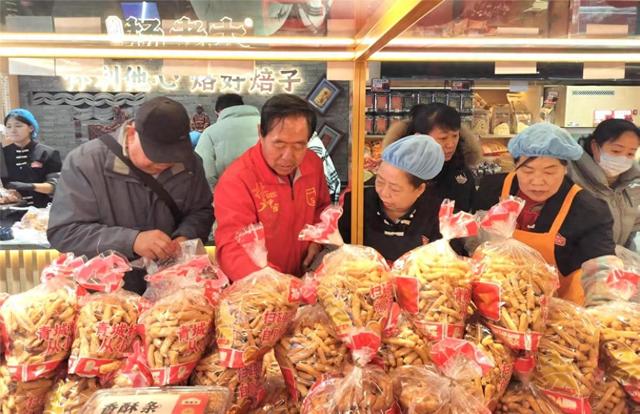
Group 1 - The tourism market in Hohhot is experiencing significant growth due to its unique natural scenery and rich cultural heritage, attracting a large number of visitors during the peak season [1][5] - Various tourism resources, such as the Chulu Ranch, are drawing crowds, with local businesses benefiting from increased foot traffic and sales [2][3] - Local food and cultural events, including concerts and food festivals, are enhancing visitor experiences and driving up food-related sales in the area [4][5] Group 2 - Local businesses, including photography studios and ethnic clothing rentals, are capitalizing on the influx of tourists, with some reporting daily customer volumes of around 10 groups for photo shoots [2][3] - The demand for local specialties, such as beef jerky and ethnic handicrafts, is high, with some stores experiencing long queues and frequent restocking [2][3] - The overall increase in tourist numbers and total tourism revenue indicates a robust recovery and growth in the tourism sector in Hohhot [5]
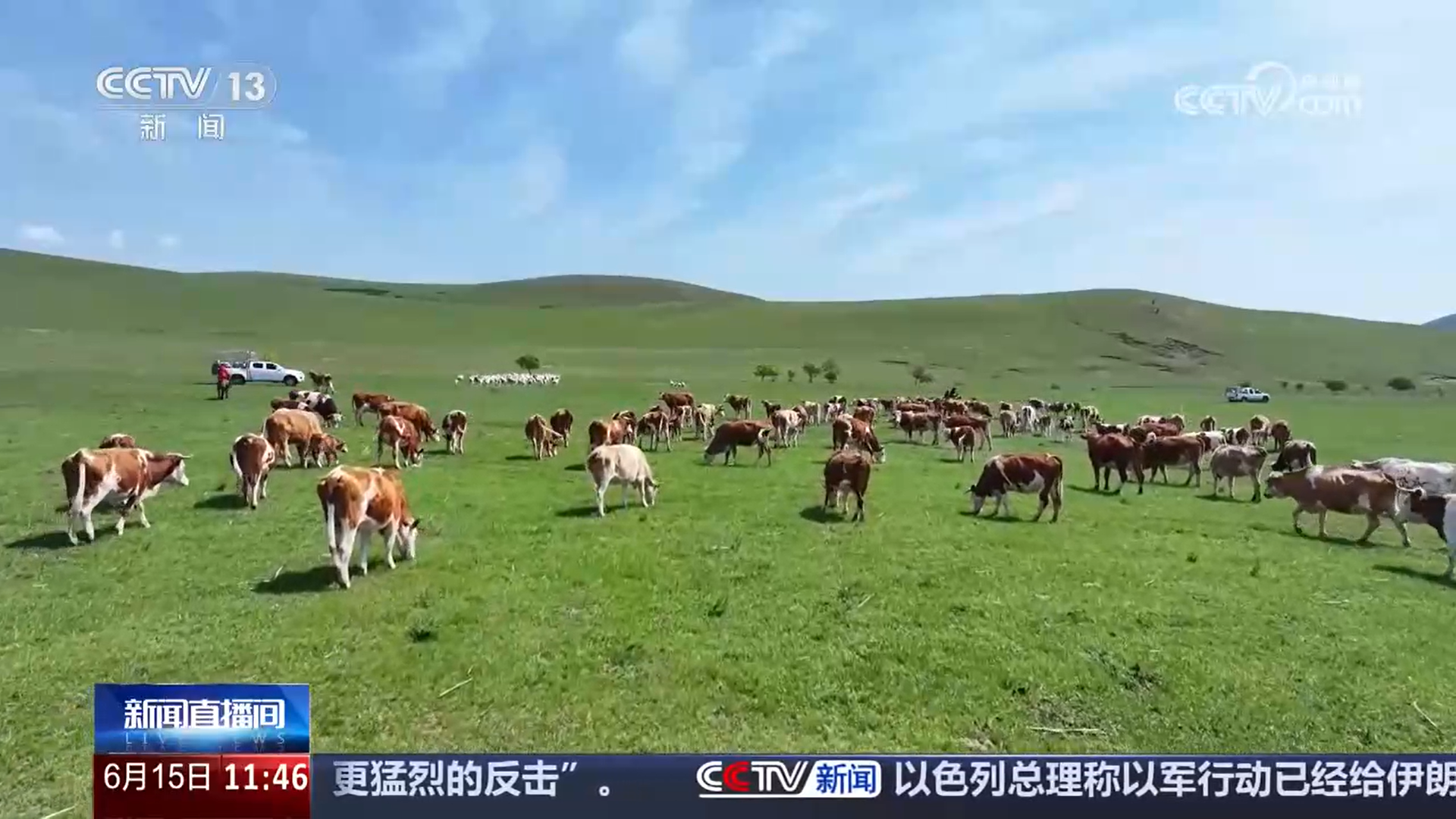
记录草原牧民的夏季转场路 感受人、畜与草原的和谐共生
Yang Shi Wang· 2025-06-15 08:52
Core Points - The article discusses the summer migration of over 1,300 herding families in the Arhu Khorqin Banner of Inner Mongolia, highlighting the challenges they face due to frequent rainfall during their journey [1][9] - The migration process involves careful preparation and the use of technology, such as smart collars for livestock, to track their location [1][3] - The article emphasizes the ecological benefits of the summer migration, showcasing the improved grassland conditions after a three-month rest period for the pastures [15][16] Migration Challenges - The herders are racing against the weather, trying to complete their journey before heavy rains forecasted from June 14 to June 15 [9] - Unexpected events occur during the migration, such as a cow attempting to return home, which complicates the journey [5] - The herders employ various strategies to ensure the safety and well-being of their livestock during the migration [5][11] Summer Camp Setup - Upon arrival at the summer camp, herders reinforce their yurts with waterproof materials to protect against rain [11] - The article describes the interior of the yurts, which are equipped for comfort and convenience, including food preparations and modern amenities like delivery services [13][14] Ecological and Economic Benefits - The article highlights the ecological improvements in the grasslands due to a three-month rest period, with vegetation coverage increasing from 68.6% to 73.65% and grass yield rising from 76.4 kg/mu to 84.25 kg/mu [18] - The local government has implemented measures to prevent overgrazing, establishing guidelines for livestock density on pastures [19] - The article discusses the establishment of a cooperative for managing excess livestock, providing comprehensive services for feeding and fattening [21]