轻资产转型

Search documents
外资品牌扎堆找合伙人?转型背后算盘曝光!背后策略引人关注
Sou Hu Cai Jing· 2025-12-16 10:22
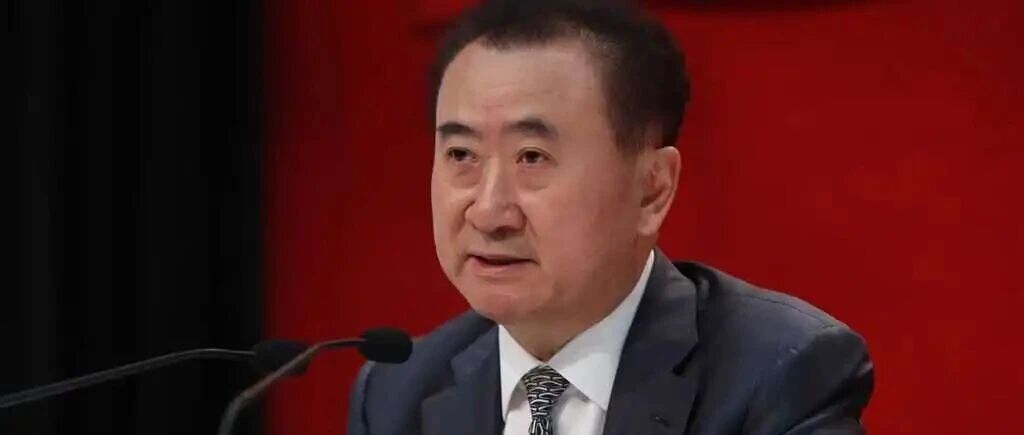
Core Insights - Foreign brands are increasingly partnering with local capital in China, as seen with Ingka Group's collaboration with Gaohe Capital to manage three shopping centers in Wuxi, Beijing, and Wuhan [1][3] - This trend reflects a strategic move by foreign brands to adapt to the evolving Chinese market and leverage local expertise [12][15] Group 1: Ingka Group and Gaohe Capital Partnership - Ingka Group's shopping centers in China have reached a stable profitability phase, with Beijing's occupancy rate consistently above 99% [3] - The partnership allows Ingka to quickly recoup funds to support new projects while retaining brand ownership and exclusive operational rights [5][7] - This collaboration is seen as a "light asset transformation," benefiting both parties through shared operational gains [7][15] Group 2: IKEA's Challenges and Adaptation - IKEA is undergoing a transformation, facing declining revenues and profits, with a 5.5% drop in global revenue and a 46.5% fall in net profit for 2024 [5][10] - The partnership with local capital is expected to alleviate financial pressures and support IKEA's adaptation to the Chinese market [10][15] - Despite the changes, IKEA's core tenant status in the shopping centers remains unaffected, indicating a strong collaboration [8][10] Group 3: Broader Trends Among Foreign Brands - Starbucks and Burger King's majority stake sales to local investors highlight the challenges foreign brands face in adapting to the Chinese market [12][14] - Local capital can enhance operational efficiency and decision-making speed, enabling faster expansion and adaptation to market demands [14][15] - The collaboration between foreign brands and local capital signifies a shift towards a more integrated approach in the Chinese market, enhancing the overall market vitality [15]

中冶、五矿启动607亿资产交易 地产平台进行大整合
2 1 Shi Ji Jing Ji Bao Dao· 2025-12-09 23:08
Core Viewpoint - China Metallurgical Group Corporation (China MCC) announced a significant transaction involving the sale of various assets to China Minmetals, aimed at optimizing resource allocation and focusing on core business areas [2][3]. Group 1: Transaction Details - China MCC plans to sell 100% equity of MCC Real Estate and related debts to Minmetals Real Estate, along with 100% equity of several subsidiaries to China Minmetals [1][2]. - The total transaction price is approximately 60.676 billion yuan, constituting an associated transaction rather than a major asset restructuring [2]. - The sale of MCC Real Estate accounts for over half of the total transaction value, approximately 31.24 billion yuan, despite a significant discount from its assessed value of 46.17 billion yuan due to market value decline [5][6]. Group 2: Strategic Implications - This transaction is part of a broader strategy to respond to the central government's call for state-owned enterprises to focus on their main responsibilities and optimize resource allocation [2][3]. - Post-transaction, China MCC will concentrate on metallurgical engineering, non-ferrous and mining engineering, high-end infrastructure, industrial construction, and emerging industries, enhancing its core competitiveness and sustainable profitability [2][3]. - The transaction is expected to lead to a new round of personnel and structural adjustments, helping both companies focus on their strengths and reduce competition [4]. Group 3: Industry Context - The merger between China MCC and China Minmetals marks another significant consolidation in the state-owned enterprise sector, following previous mergers like CSR and CNR [3]. - China Minmetals, established in 1950, has a total asset value exceeding 1.3 trillion yuan and is ranked 86th in the Fortune Global 500 [3]. - Both companies have faced challenges in recent years, with declining revenues and profits attributed to the deep adjustment in the real estate sector [7].
财说| 君亭酒店“卖身”湖北文旅:300倍PE贵了?
Xin Lang Cai Jing· 2025-12-09 23:05
Core Viewpoint - The recent announcement of a change in control at Junting Hotel (301073.SZ) has stirred both the hotel industry and capital markets, as Hubei Cultural Tourism Group plans to acquire a controlling stake for 1.8 billion yuan, marking a significant shift in ownership from a private to a state-owned entity [1][6]. Group 1: Acquisition Details - Hubei Cultural Tourism will acquire 29.99% of Junting Hotel's shares from the founding team for approximately 1.5 billion yuan at a price of 25.71 yuan per share, making it the largest single shareholder [2][4]. - Following the share transfer, the founding team will relinquish voting rights associated with their remaining 10% shares, ensuring a smooth transition of control to Hubei Cultural Tourism [3][4]. - Hubei Cultural Tourism plans to launch a partial tender offer for an additional 6.01% of shares at the same price, requiring up to 300 million yuan, further consolidating its control [3][4]. Group 2: Valuation Concerns - The transaction's valuation is notably high, with Junting Hotel's price-to-earnings (PE) ratio at 304, significantly above the industry average of 20-50, raising questions about the acquisition's pricing [4][5]. - Industry experts suggest that the acquisition's core value lies in Junting Hotel's unique position as a publicly listed private high-end hotel, despite its inflated valuation [5][6]. Group 3: Industry Context - The hotel industry is currently facing challenges, including a price war and a projected increase in hotel numbers, which may impact demand recovery [6][8]. - Hubei Cultural Tourism, with assets exceeding 100 billion yuan and a AAA credit rating, views this acquisition as a strategic move to secure a controllable A-share platform amid industry downturns [6][8]. Group 4: Operational Challenges - Junting Hotel has struggled with profitability, reporting a 45.92% decline in net profit year-on-year, indicating a "revenue without profit" situation [8][10]. - The company's high direct operation model has led to increased costs, making it difficult to maintain profitability during a downturn [10][11]. - Junting Hotel's attempts to shift towards a franchise model have been slow, with only 25 signed franchise agreements, highlighting challenges in brand appeal and market competition [10][11]. Group 5: Future Prospects - The acquisition by Hubei Cultural Tourism presents an opportunity for Junting Hotel to address its operational challenges and leverage Hubei's resources for growth [6][13]. - However, to justify its current valuation, Junting Hotel would need to achieve a compound annual growth rate of nearly 60% over the next five years, posing significant performance pressure [13].

中冶、五矿启动607亿资产交易,地产平台进行大整合
2 1 Shi Ji Jing Ji Bao Dao· 2025-12-09 12:25
Core Viewpoint - China Metallurgical Group Corporation (China MCC) announced a significant transaction involving the sale of various assets to China Minmetals, aimed at optimizing resource allocation and focusing on core business areas [2][4]. Group 1: Transaction Details - China MCC plans to sell 100% equity of MCC Real Estate and related debts to Minmetals Real Estate for approximately 312.4 billion yuan, which constitutes over half of the total transaction value of 606.76 billion yuan [3][8]. - The transaction includes the sale of 100% equity of several subsidiaries, including the Nonferrous Institute and MCC Copper Zinc, to China Minmetals [2][4]. Group 2: Strategic Implications - This transaction is part of a broader strategy to respond to the central government's call for state-owned enterprises to focus on their main responsibilities and optimize resource allocation, thereby enhancing core competitiveness and sustainable profitability [4][6]. - Post-transaction, China MCC will concentrate on metallurgical engineering, non-ferrous and mining engineering construction, high-end infrastructure, industrial construction, and emerging industries [4][6]. Group 3: Historical Context - The transaction marks a significant step in the integration process between China MCC and China Minmetals, which has been anticipated since their merger announcement ten years ago [5][6]. - Both companies have faced challenges in achieving operational performance and have been under pressure to reduce competition between their real estate segments [9][10]. Group 4: Market Conditions - The real estate sector has been under significant pressure, with both China MCC and Minmetals Real Estate experiencing declines in revenue and profits due to market adjustments [9]. - Minmetals Real Estate has reported losses for three consecutive years and is undergoing privatization to enhance operational flexibility and focus on core business areas [9][10].

债务切割+轻资产转型:国资房企的突围之路
Jing Ji Guan Cha Bao· 2025-12-08 11:13
Core Viewpoint - The real estate industry is undergoing a significant transformation as companies like China Communications Real Estate and others are transferring their real estate development assets and liabilities to their controlling shareholders to reduce debt and shift towards a light-asset model [1][2][7] Group 1: Asset Transfer and Debt Reduction - China Communications Real Estate announced the transfer of its real estate development assets and liabilities to its controlling shareholder, China Communications Real Estate Group, with a net loss of RMB -1.8191 billion during the transition period, which will be borne by the group [1] - Other companies, such as Huayuan Real Estate, have also engaged in similar asset transfers to alleviate debt burdens, with Huayuan transferring all related assets and liabilities for a total of RMB 468 million [3] - ST Nanzhi transferred 17 real estate development assets and liabilities for a nominal price of RMB 1, involving debts of approximately RMB 13.3 billion to avoid delisting risks [4] Group 2: Shift to Light-Asset Operations - Following debt reduction, companies are focusing on light-asset operations, with Huayuan Real Estate establishing four main sectors: hotels, property management, long-term rental apartments, and construction management, generating stable cash flow [5] - Tianjin Investment City Development is concentrating on property management and affordable rental housing, achieving a turnaround with a projected net profit of RMB 1.576 million for the first half of 2025 [6] - Midea Real Estate has developed four light-asset sectors, retaining revenue of RMB 3.726 billion in 2024, a 33% increase year-on-year, with a gross margin of 35.7% and a net profit of RMB 504 million, up 25% [6] Group 3: Industry Trends and Support - The shift towards debt reduction and light-asset transformation is driven by the real estate industry's downturn, with high-debt companies needing to "lighten their load" for survival [7] - State-owned enterprises have unique advantages in this transition, as they can leverage internal resources for debt isolation and risk clearance, supported by policies encouraging optimization of structures [7] - The combination of "debt cutting and light-asset transformation" has become a mainstream strategy for state-owned real estate companies, particularly those with strong parent company support, aiming for sustainable development [7]


王健林,赎回了一座万达广场
创业家· 2025-12-07 10:06
以下文章来源于首席品牌评论 ,作者首席品牌评论 首席品牌评论 . 热门品牌案例,专业深度评论。在这里,读懂品牌之道! 这里插播一条课程资讯: 报名 「吴世春·西安出行活动」, 1月22日-24日 , 吴世春将亲自带队 100家企业家 , 去陕 西西安线下游学 , 走进科技制造产业,打开万亿赛道蓝海。 你 在 创业路上遇到的问题和想法 , 都可以找吴老师聊聊 。 如果你是 优质的项目,吴老师 也会果断投 你。 下半年 , 吴老师预计要投出去的金额,应该不小于 15个亿。 扫码咨询报名 (翻到底部了解详情) 01 万达赎身 赎回不是终点,而是新周期的起点。 来源: 首席品牌评论 在中国商业地产的寒冬时刻,王健林做了一个令人意外的决定——赎回一座万达广场。 12月2日,烟台芝罘万达广场有限公司的股权结构发生重大调整,万达商管旗下全资子公司上 海万达锐驰企业管理有限公司接盘,新华保险旗下两大投资主体退出股东行列。 这是万达在连续出售超过40座万达广场后,首次启动资产赎回操作。 赎回烟台芝罘万达广场绝非偶然。 这座广场成立于2010年,注册资本7.08亿元,商业面积24万平方米,是万达商管的第103座 万达广场。 更关 ...

华润置地近21亿元再挂牌两处万象系资产
Mei Ri Jing Ji Xin Wen· 2025-12-06 03:38
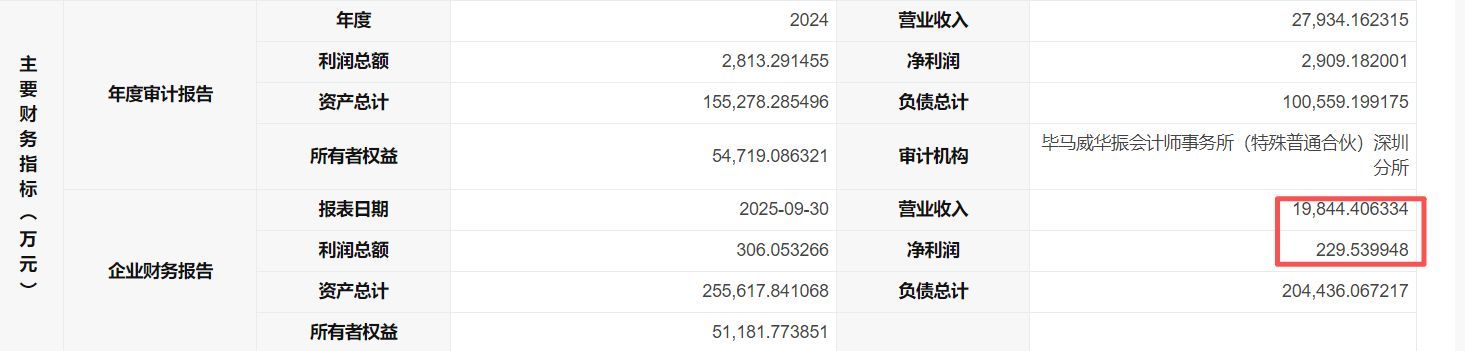
Core Viewpoint - China Resources Land is divesting its commercial assets under the "light and heavy separation" strategy, focusing on cash flow amid the real estate industry's deep adjustments [1][6]. Group 1: Asset Transfer Details - China Resources Land (Xi'an) Commercial Property Management Co. and China Resources Land (Guiyang) Co. are listed for sale with a combined base price of approximately 2.078 billion yuan, with a deadline of December 26, 2025 [1][2]. - The Xi'an company has core assets including Xi'an Xixian Mixc City and China Resources International Plaza, while the Guiyang company’s core asset is Guiyang Mixc [1][2]. - The Xi'an company reported revenue of approximately 198 million yuan and a net profit of about 2.2954 million yuan for the first three quarters of 2025, with total assets of approximately 2.556 billion yuan and liabilities of about 2.044 billion yuan [2][3]. Group 2: Financial Performance - The Guiyang company showed stronger performance in 2025, with revenue of approximately 129 million yuan and a net profit of about 117 million yuan in the first eight months, compared to a net profit of approximately 7.773 million yuan for the entire year of 2024 [4][5]. - The Guiyang company has total assets of approximately 1.176 billion yuan and liabilities of about 1.113 billion yuan as of August 2025, indicating significant financial leverage [5][6]. Group 3: Strategic Implications - The asset disposals are part of a broader strategy to transition to a "light asset" model, allowing China Resources Land to retain operational management rights while monetizing asset value for reinvestment in core city projects [6][7]. - The company aims to create a closed loop of "asset monetization - capital recovery - investment in other projects," enhancing cash flow stability and profitability [7]. - The shift towards high-end residential development is evident, with new land reserves in prime locations and significant sales from luxury projects, indicating a dual strategy of "commercial lightening and residential luxury" [9][10].

首次赎回万达广场,万达“瘦身”计划现变数?
Huan Qiu Lao Hu Cai Jing· 2025-12-04 03:12
Group 1 - The core point of the news is that Yantai Zhifu Wanda Plaza has undergone a significant change in ownership, with Wanda Group regaining control after a year of being sold to other investors [1] - The new controlling shareholder is Shanghai Wanda Ruichi Enterprise Management Co., Ltd., which is fully owned by Wanda Group, indicating a strategic shift back to core assets [1] - The management team has also changed, with the original management stepping down and Wanda executives taking over key positions, reflecting a consolidation of control [1] Group 2 - Wanda Group has been actively divesting assets to alleviate debt pressure, having sold over 80 Wanda Plazas in 2023 alone, including a significant sale of 48 plazas in major cities [1][2] - Despite the redemption of Zhifu Wanda Plaza marking a turning point in Wanda's asset reduction strategy, the company still faces substantial debt, with total executed amounts exceeding 140 billion yuan [3] - Analysts suggest that the redemption of this plaza may signal the nearing end of Wanda's asset disposal phase, with a focus on retaining high-value properties for potential future listings or REIT expansions [3]
万达,首次赎回万达广场!
证券时报· 2025-12-03 13:52
作为知名商业地产开发商,万达的一举一动备受关注。为了应对企业债务问题,万达早已开启"卖卖卖"的模 式。市场公开信息显示,就在今年10月,广州增城万达广场有限公司发生股权变更,大连万达商管退出,新进 入北京嘉君科技发展有限公司全资持股。7月,滁州万达广场投资有限公司完成工商变更,大连万达商管退出 股东行列,廊坊市泽瑞通科技有限公司接手。 据国家市场监管总局今年5月披露的信息,太盟(珠海)管理咨询合伙企业(有限合伙)、高和丰德(北京) 企业管理服务有限公司、腾讯控股有限公司、北京市潘达商业管理有限公司、阳光人寿保险股份有限公司直接 或通过其各自关联方共同设立合营企业,并通过合营企业收购大连万达商业管理集团股份有限公司直接或间接 持有的48家目标公司的100%股权。据悉,这48家目标公司分别涉及北京、广州、成都、杭州、南京、武汉等 多个一二线城市的万达广场项目。 在抛售多座万达广场之后,万达集团似乎有了 "新动作"。 天眼查工商信息显示,烟台芝罘万达广场有限公司近日发生工商变更,新华保险旗下坤华(天津)股权投资合 伙企业(有限合伙)、坤元辰兴(厦门)投资管理咨询有限公司退出股东行列,新增万达商管旗下上海万达锐 驰企 ...
万达回购了一座万达广场,王健林卖资产的步伐停下来了?
第一财经· 2025-12-03 09:09
Core Viewpoint - The article discusses the recent asset repurchase by Wanda Group, marking a shift from its previous strategy of selling off assets to improve cash flow, indicating potential changes in the company's financial situation [3][4]. Group 1: Asset Repurchase - Wanda Group has repurchased the equity of Yantai Zhifu Wanda Plaza, which was previously sold to a subsidiary of Xinhua Insurance, indicating a return of ownership to Wanda [3][4]. - The repurchase is seen as a significant move, as it is the first buyback after a series of asset sales, raising questions about the company's financial health [4]. Group 2: Asset Sales - Since 2023, Wanda has sold over 80 Wanda Plazas, including four in 2023 and 26 in 2024, with a major deal involving 48 plazas sold to a consortium of 13 companies, including Tencent and JD.com [5][6]. - The asset sales are primarily driven by the need for liquidity, with Wanda facing over 439 billion yuan in short-term debts due by September 2024, while having only 151 billion yuan in cash [6]. Group 3: Financial Situation - The article highlights that Wanda's strategy of selling assets is a response to significant financial pressures, including a high level of debt and cash flow challenges [6]. - The recent large-scale sale of 48 plazas is expected to provide substantial cash inflow to help manage debts while allowing Wanda to retain operational control over the properties [6].