长江生态保护

Search documents
深度关注丨守护“一江碧水向东流”
Zhong Yang Ji Wei Guo Jia Jian Wei Wang Zhan· 2025-12-07 02:28
Core Viewpoint - The article emphasizes the importance of ecological protection along the Yangtze River, highlighting the role of various local disciplinary inspection and supervision agencies in ensuring compliance with environmental protection policies and promoting sustainable development in the region [3][5][11]. Group 1: Supervision and Accountability - Hubei Province's Zhiqu County has prioritized the supervision of ecological protection along the Yangtze River, focusing on responsibility implementation and problem rectification [3]. - The political supervision mechanism in Chongqing's Yunyang County emphasizes a checklist management approach for water pollution prevention and major project oversight [5]. - Yichang City has developed a comprehensive supervision matrix to oversee various ecological projects, ensuring accountability and effective monitoring [5][6]. Group 2: Ecological Restoration Efforts - The Nappa Lake wetland in Yunnan has seen an increase in wintering bird populations due to improved ecological conditions, supported by local government supervision [4]. - Jiangxi's Jiujiang City has implemented a supervision plan focusing on the Yangtze River's ecological protection and pollution control [6]. - The comprehensive governance of the Honghu watershed in Hubei aims to address significant ecological degradation through systematic projects [7]. Group 3: Collaborative Supervision Mechanisms - The article discusses the establishment of cross-regional and cross-departmental collaborative supervision mechanisms to enhance the effectiveness of ecological protection efforts along the Yangtze River [11][12]. - Shanghai's disciplinary inspection team is actively monitoring the implementation of the "Ten-Year Fishing Ban" to combat illegal fishing activities [14]. - The integration of big data platforms in Yunnan aims to improve the precision and efficiency of ecological supervision [15]. Group 4: Community Engagement and Economic Transition - The transformation of local fishermen into ecological protectors in Yibin illustrates the successful integration of environmental protection with community livelihoods [17][18]. - The local government in Yibin has promoted agricultural and tourism development, leading to increased visitor numbers and economic benefits for the community [18].

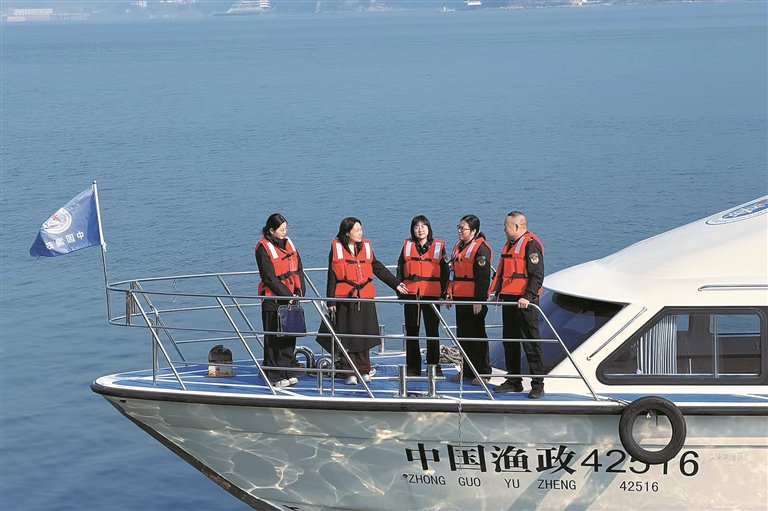
“巩固好已经取得的成果”
Ren Min Ri Bao· 2025-11-27 22:30
Core Points - The article emphasizes the importance of the Yangtze River's ten-year fishing ban, which aims to restore the river's ecological balance and biodiversity, marking a significant shift in the relationship between humans and nature [2][14][18] - The ban has led to a notable recovery of aquatic species, including an increase in the population of the Yangtze River dolphin and other native fish species, indicating positive ecological changes [3][4][11] - The article highlights the socioeconomic impact of the fishing ban on local fishermen, who have transitioned to alternative livelihoods, supported by government policies and training programs [7][9][10] Summary by Sections Ecological Recovery - The Yangtze River's biodiversity has improved significantly, with the population of the Yangtze dolphin increasing to 1,249 in 2022, up by 237 from 2017 [3] - Key species such as the Yangtze sturgeon and other native fish have shown signs of recovery, with the population of the Yangtze knife fish increasing to four times its pre-ban levels [4] - The aquatic biological integrity index has improved, with the Yangtze River and Poyang Lake moving up two levels from the "no fish" status [4] Habitat Restoration - Efforts to restore aquatic habitats have included the removal of 342 small hydropower stations on the Chishui River, enhancing water connectivity [5] - The introduction of natural restoration concepts aims to create diverse habitats for various fish species, improving their breeding conditions [5] Species Protection - The article discusses the ongoing efforts to protect endangered species through artificial breeding and release programs, with over 1 million Chinese sturgeons released in recent years [6] - The focus on full lifecycle protection of species is crucial for restoring aquatic ecosystems [6] Socioeconomic Transition - The fishing ban has affected 231,000 fishermen, prompting government initiatives to ensure their transition to new livelihoods, such as eco-tourism and aquaculture [7][9] - Training programs and financial support have been implemented to assist fishermen in adapting to new economic activities, with some achieving significant income from crab farming [9][10] Policy and Enforcement - The article highlights the need for strict enforcement against illegal fishing activities, as the ban's success faces challenges from poaching [12][13] - Future policies will focus on enhancing biodiversity monitoring and implementing targeted ecological management strategies [14][18]
推进长江生态保护工作 留住江豚的“微笑”
Yang Shi Wang· 2025-11-19 06:41
Core Viewpoint - The release of two Yangtze River dolphins, known as the "smiling angel," back into their natural habitat reflects the ongoing efforts to protect and restore the species, which is crucial for the health of the Yangtze River ecosystem [1][20]. Group 1: Wild Release Actions - The second wild release of Yangtze River dolphins took place on November 14, with two dolphins returning to the Yangtze River after over two years of training [1][5]. - The first wild release occurred on April 25, 2023, and the current release builds on the initial success, incorporating improved training methods [5][7]. - The training involved adapting the dolphins to the natural environment, including noise and water flow, to enhance their survival skills [3][11]. Group 2: Monitoring and Technology - A wearable tracking system was developed to monitor the dolphins post-release, allowing for precise tracking of their movements [3][13]. - The monitoring process has improved significantly, with a tracking accuracy of 10 meters compared to the previous 5 kilometers [13][20]. - The use of drones and AI technology has been integrated into the monitoring efforts to enhance observation capabilities [18][20]. Group 3: Conservation Efforts - The Yangtze River dolphin is a key species for ecological health, and its protection is vital to prevent a repeat of the functional extinction of the baiji dolphin [15][25]. - China has established five migration protection bases for the dolphins, housing over 150 individuals, with more than 10 births annually [17][20]. - The ongoing efforts include strict enforcement of fishing bans and ecological protection measures, which have led to improved environmental conditions in the Yangtze River [20][22]. Group 4: Future Plans - The long-term plan includes developing a stable wild release technology system by 2030 and expanding the migration protection population by 2035 [11][24]. - Research is ongoing to explore faster and non-invasive methods for assessing the dolphins' adaptation to the wild [7][24]. - The establishment of a sperm bank for the dolphins marks a significant advancement in artificial breeding techniques, aiming for further breakthroughs in species protection [24][25].
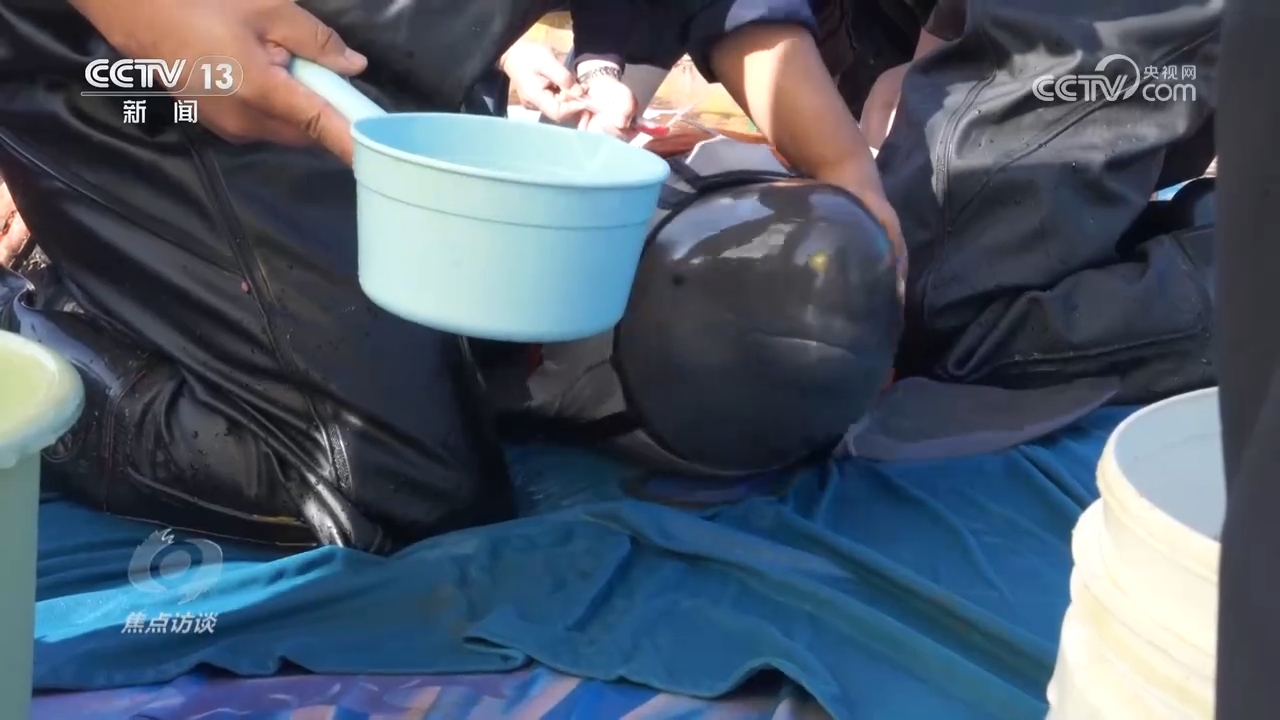
焦点访谈 | 推进长江生态保护工作 留住江豚的“微笑”
Yang Shi Wang· 2025-11-18 14:01
Core Viewpoint - The article discusses the successful second wild release of Yangtze River dolphins, highlighting the efforts made to enhance their survival skills and the importance of these actions for the ecosystem's health [1][5][7]. Group 1: Wild Release Actions - The second wild release of two Yangtze River dolphins took place on November 14, marking a significant step in conservation efforts [1]. - Prior to the release, extensive health checks and training were conducted, including identity scanning and physical examinations [3]. - The dolphins underwent over two years of training to adapt to the natural environment, focusing on survival skills such as adapting to water flow and noise [3][5]. Group 2: Training and Monitoring - The training for the dolphins included exposure to realistic environmental sounds to better prepare them for the challenges they would face in the wild [5]. - A wearable tracking system was developed to monitor the dolphins post-release, allowing for precise location tracking [13]. - The first group of released dolphins has successfully adapted to their environment, forming groups and finding food [13]. Group 3: Conservation Strategy - The wild release program is experimental, with no prior global examples to follow, necessitating a careful and gradual approach [7]. - A long-term plan has been established to develop a stable and sustainable population of Yangtze River dolphins by 2035 [11]. - The selection of dolphins for release is based on rigorous analysis, ensuring minimal impact on genetic diversity [11]. Group 4: Ecological Impact - The Yangtze River dolphin's survival is closely tied to the health of the river's ecosystem, which has improved due to ongoing conservation efforts and fishing bans [19][21]. - Continuous monitoring and enforcement against illegal fishing practices have contributed to the recovery of fish populations, which are vital for the dolphins' survival [19][21]. Group 5: Breeding and Research Advances - The Yangtze River dolphin breeding center has achieved significant milestones, including the establishment of a sperm bank and successful artificial breeding techniques [24][25]. - The research center aims to further enhance breeding technologies to ensure the long-term survival of the species [25]. - The overall conservation efforts reflect a collaborative approach among various stakeholders, showcasing the positive outcomes of sustained ecological protection initiatives [25].
我市开展长江渔业资源放流活动 为长江生态修复注入新活力,也为江豚越冬“囤粮”
Zhen Jiang Ri Bao· 2025-11-06 23:21
Core Points - The event on November 6 aimed to enhance the ecological restoration of the Yangtze River in Zhenjiang by releasing 6 million fish fry into the water [1][2] - The initiative is a response to the ecological impact caused by emergency reinforcement projects on the Yangtze River, specifically affecting the food resources for the Yangtze River dolphin [1] - The fish fry released include various species such as redfin, slenderhead, rosy barb, and copper fish, which were carefully selected to minimize mechanical damage during the release [1] Industry Insights - The release of fish fry is recognized as a direct and effective method for conserving aquatic biological resources and supplementing the food supply for the Yangtze River dolphins [2] - The management of the Zhenjiang Yangtze River dolphin provincial nature reserve emphasizes that this large-scale, multi-species fish fry release contributes to creating a better living environment for the dolphins, promoting a healthier and more sustainable ecosystem in the Yangtze River [2] - Over the past 15 years, the population of dolphins in the Zhenjiang section of the Yangtze River has increased by 30%, indicating a positive trend in the ecological quality of the waterway [1]
苏州成为江苏江豚“明星段”
Su Zhou Ri Bao· 2025-11-05 02:30
Core Insights - The recent survey conducted from October 25 to 31 recorded over 120 instances of Yangtze River dolphins in Jiangsu, indicating a stable increase in the population [1] - The Suzhou section of the Yangtze River was highlighted as the "star section" with over 30 recorded instances, showcasing the area's significance for dolphin activity [1] - The survey noted the presence of 9 juvenile dolphins, which serves as strong evidence of healthy natural reproduction within the population [1] Summary by Sections Population Monitoring - The number of dolphins recorded exceeded the levels from the same period in 2024, demonstrating a positive trend in population growth [1] - A remarkable single-day observation on October 31 in the Suzhou section recorded 35 dolphins, marking it as the highest count for the quarter [1] Ecological Significance - The Yangtze River dolphin, as the only existing cetacean in the Yangtze, is a key indicator of the ecological health of the river [2] - Continuous observations of large dolphin groups in the Suzhou section suggest ongoing improvements in the ecological environment and increasing biodiversity [2] - The area has become a stable habitat for dolphins, supporting their reproduction and overall well-being [2]
热爱与坚守!周亮用30年为长江鲟守住生命火种
Zhong Guo Fa Zhan Wang· 2025-11-03 07:47
Core Viewpoint - The article highlights the dedication of Zhou Liang, the director of the Yibin Rare Aquatic Animal Research Institute, in preserving the endangered Yangtze sturgeon, emphasizing the importance of ecological restoration in the Yangtze River over the past 30 years [1][8]. Group 1: Background and Motivation - Zhou Liang, known as a "fish enthusiast," has devoted 30 years to the conservation of the Yangtze sturgeon, a critically endangered species and a national first-class protected animal [1][2]. - Zhou's passion for the Yangtze River and its aquatic life was inspired by his father, Zhou Shiw, who founded one of China's earliest private research institutions for rare fish [2][3]. - The motivation to protect the Yangtze sturgeon arose from witnessing the detrimental effects of overfishing and habitat destruction in the late 20th century [2][4]. Group 2: Challenges and Perseverance - The research institute faced significant challenges, including financial difficulties and isolation, leading to the departure of many colleagues, leaving only Zhou and his father to continue their work [5][6]. - Zhou and his father had to find innovative solutions to provide live bait for the sturgeons, even resorting to extreme measures during droughts to ensure the fish were fed [4][5]. - Despite the hardships, including a lack of resources and support, they remained committed to their mission, believing in the potential for success [5][6]. Group 3: Breakthroughs and Achievements - In 2004, Zhou's team achieved a significant milestone by successfully breeding Yangtze sturgeon in captivity, marking a turning point in the conservation efforts for this species [5][6]. - The institute has since contributed to the artificial breeding and release of over 660,000 Yangtze sturgeon into the wild, significantly aiding in the species' recovery [7][8]. - Zhou's efforts have been recognized nationally, with successful breeding trials and releases being featured in major media outlets, showcasing the importance of their work [7][8]. Group 4: Future Outlook - Zhou is optimistic about the future of the Yangtze sturgeon, believing that with ongoing conservation efforts and the implementation of a fishing ban in the Yangtze River, the species can thrive again [8]. - The institute plans to collaborate with other research organizations to further enhance the natural breeding of the Yangtze sturgeon over the next 5 to 10 years [8].
长江江豚保护主题月启动 诗韵科技助力,让江豚“微笑”常驻
Zhen Jiang Ri Bao· 2025-10-26 23:43
Core Points - The launch of the 2025 Zhenjiang Yangtze River Dolphin Protection Theme Month marks a new phase in ecological protection efforts for the "water panda" [1] Group 1: Cultural Integration - Students from Baxiang Alley Primary School recited ancient poems about the Yangtze River dolphin, showcasing cultural engagement in conservation efforts [2] - A cooperation agreement was signed for the publication of "Yangtze River Dolphins in Zhenjiang's Ancient Poetry," aiming to systematically compile related poetry [2] - The IP image "He Xiaochang," based on the Yangtze River dolphin, was introduced, symbolizing harmonious coexistence and raising public awareness for dolphin protection [2] Group 2: Technological Advancements - The "Underwater Listening Device" system was launched, enabling real-time acoustic monitoring of dolphin populations and activities, enhancing conservation strategies [3] - The system recorded an average of 2,935 sound signals from dolphins and 44 feeding sound signals daily over the past month [3] Group 3: Collaborative Protection Efforts - The Zhenjiang Yangtze River Dolphin Provincial Nature Reserve has seen a 30% increase in dolphin population over the past decade, indicating successful conservation efforts [4] - A 12-meter observation platform was completed, providing data support for research and a space for public engagement with rare species [4] - The initiative emphasizes the importance of community involvement in dolphin protection, aiming to foster a collective commitment to ecological preservation [4]
守护长江,书写人水和谐新答卷
Ren Min Wang· 2025-10-18 06:14
Core Viewpoint - The article highlights significant progress in the ecological restoration of the Yangtze River, emphasizing the successful implementation of conservation measures and the importance of biodiversity protection for the river's ecosystem [1][2][3] Group 1: Ecological Restoration Efforts - Comprehensive fishing bans have effectively curbed ecological degradation, leading to the resurgence of species such as the Yangtze finless porpoise and the Chinese sturgeon [1] - The collaboration between the Ministry of Water Resources and the Chinese Academy of Sciences has led to breakthroughs in artificial breeding techniques for the Chinese sturgeon, achieving historical milestones in conservation efforts [1][2] Group 2: Biodiversity Protection Strategies - The shift from protecting individual species to preserving habitat systems marks a significant upgrade in biodiversity conservation philosophy [2] - The establishment of a living gene bank for rare aquatic species, with an investment of 28 million yuan, has successfully preserved 18 rare species, totaling over 6,800 individuals [2] Group 3: Long-term Ecological Management - Continuous ecological scheduling experiments by the Yangtze River Water Resources Commission over 15 years have promoted the natural reproduction of key fish species [2] - Since 2022, over 70,000 Chinese sturgeon fry have been released into the Yangtze River, demonstrating ongoing efforts in ecological restoration [2]
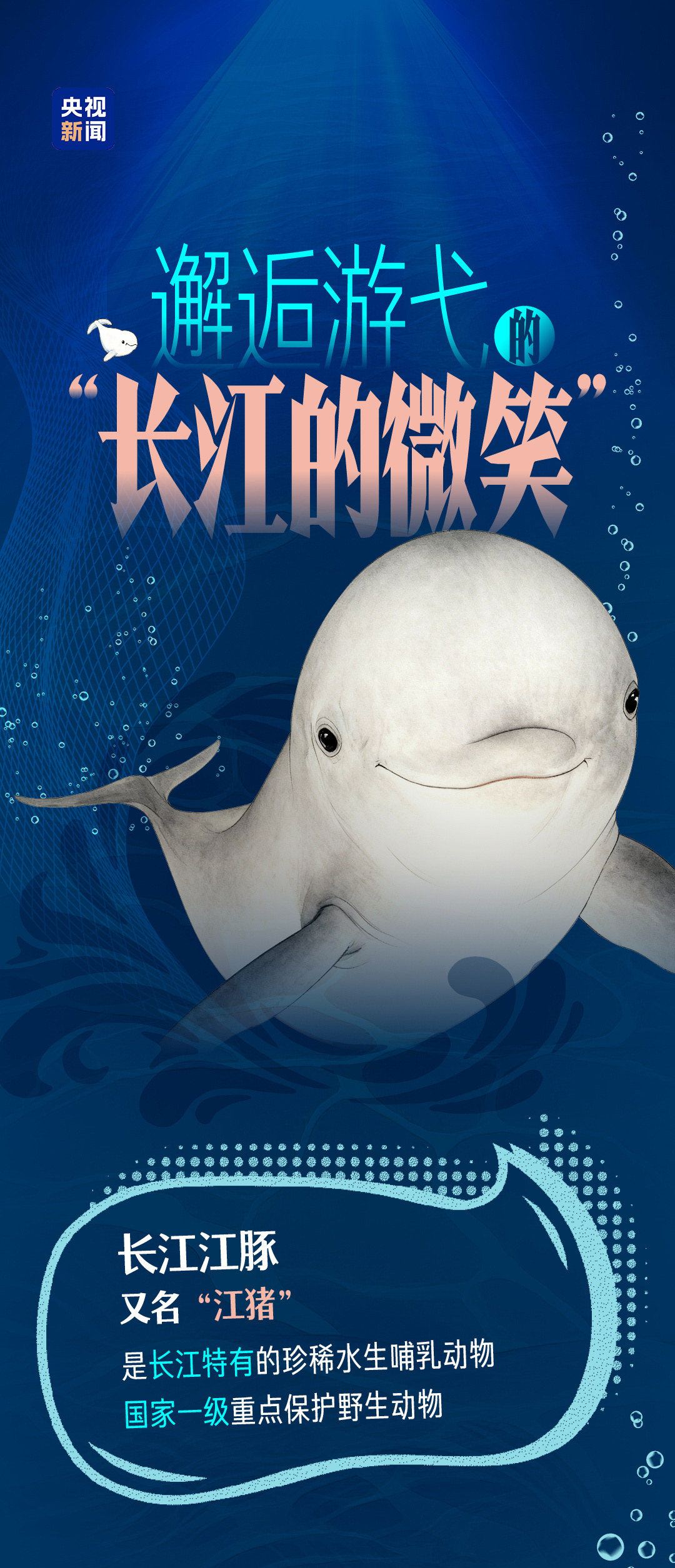
青春华章丨邂逅游弋的“长江的微笑”
Yang Shi Xin Wen Ke Hu Duan· 2025-10-12 04:45
Core Points - The Yangtze River dolphin, also known as the "smiling angel," is a rare aquatic mammal endemic to the Yangtze River and serves as an indicator of the river's ecological health [1][11] - The population of the Yangtze River dolphin has been affected by ecological changes and pollution, leading to a significant decline in numbers over the years [13] - Recent conservation efforts have shown positive results, with the population increasing from 1,000 in 2017 to 1,249 in 2022, marking a growth of over 200 individuals [16] Summary by Sections Ecological Significance - The Yangtze River dolphin is considered a "barometer" of the river's vitality due to its high environmental requirements [1][11] - Changes in the Yangtze's ecosystem directly impact the dolphin's population, reflecting broader ecological shifts [1] Conservation Efforts - In response to the declining population, the Chinese government has implemented various conservation measures, including the establishment of natural reserves and the enactment of the Yangtze Protection Law in 2020 [14][17] - As of 2024, there are eight natural reserves dedicated to the Yangtze River dolphin, with ongoing efforts in both in-situ and ex-situ conservation [18][19] Population Recovery - The latest report indicates a stable trend in the Yangtze River dolphin population, with a recorded number of 65 individuals in a specific natural reserve by 2024, up from 62 in 2022 [19] - The successful breeding of five dolphins in artificial environments, including three second-generation dolphins, highlights advancements in conservation techniques [19] Public Perception and Recognition - The visibility of the Yangtze River dolphin has increased, with sightings becoming more common, symbolizing the ecological recovery of the Yangtze River [22] - International recognition of China's conservation efforts was noted in a 2025 article by The Times, praising the country's work as a model for small whale conservation globally [23]