马文化

Search documents
(新春见闻)荆楚文物“藏”骏马 民众寻“马”探史觅楚风
Zhong Guo Xin Wen Wang· 2026-02-19 05:52
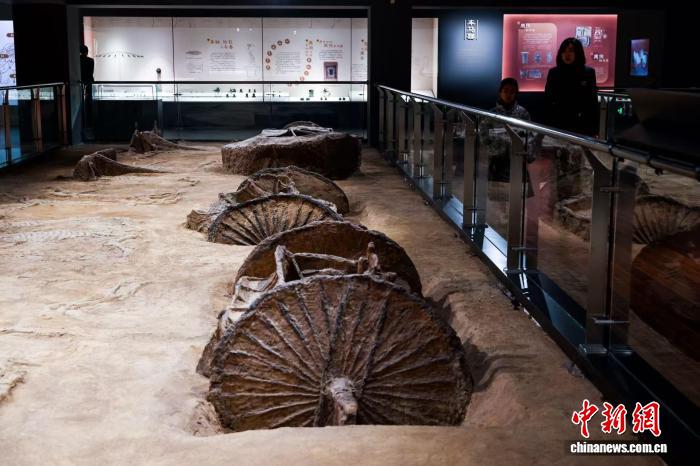
(新春见闻)荆楚文物"藏"骏马 民众寻"马"探史觅楚风 中新社武汉2月19日电 题:荆楚文物"藏"骏马 民众寻"马"探史觅楚风 中新社记者 梁婷 春节假期,湖北各大文博场馆策划推出"马跃荆楚 文博迎春——博物馆里过大年"活动。在湖北省博物 馆,近期"上新"的湖北出土先秦车马兵器展,吸引不少观众前来寻"马"探史。 2月11日,游客在湖北省博物馆参观近期"上新"的湖北出土先秦车马兵器展。张畅 摄 该展览集中展出西周早期至战国时期,曾、楚等地出土的车马器、兵器等文物430余件,展现了先秦时 期车马礼仪、车战形态与青铜工艺水平。 九连墩楚墓墓主为上大夫级贵族,附属车马坑是东周时期楚国规模最大、保存最好的车马坑之一。在九 连墩车马坑遗迹复原区,只见战车、马匹骨骼印痕清晰可辨。其中,规格最高的六马车,与四马车、二 马车构成三角形,还原了战国中期"一车前驱、左右护卫、主车居中"的车阵布局。 "商周时期,车马和兵器是国力的重要标志。"湖北省博物馆副研究馆员要二峰介绍,湖北出土了大量先 秦时期的车马器和兵器。他介绍,文献中所记载"天子驾六",意思是只有天子乘车才能驾6匹马。九连 墩六马车车阵的出土,一方面说明楚人有所僭越,另一 ...

藏在中国工艺里的马,你见过几种?
Xin Lang Cai Jing· 2026-02-19 05:38
Core Perspective - The article explores the cultural significance and artistic representation of horses in various Chinese traditional crafts, highlighting the evolution and innovation within these art forms. Group 1: Suzhou Embroidery (Su Xiu) - Su Xiu, centered in Suzhou, is renowned for its intricate silk embroidery techniques, utilizing ancient needle methods to create poetic representations of horses [2][4] - The art form has evolved from traditional techniques to contemporary expressions, with artists like Jiang Xueying innovating with new methods such as twisting threads and simplifying needlework to enhance texture and depth [4][6] - Jiang Xueying's representative work "Xiao Ma" exemplifies the blend of traditional and modern techniques, capturing the essence of horses in a dynamic and spatially rich manner [4][5] Group 2: Fur Painting - In Xinjiang, fur painting has emerged as a unique art form, using animal hides as the canvas to depict vibrant and dynamic horse imagery [7][10] - Artist Aiziguli Wufuer has transformed this craft into a pure artistic expression, overcoming technical challenges to create lifelike representations of horses that resonate with cultural narratives [7][11] - Her works, such as "Sweat Blood Horse," reflect a deep connection to the nomadic lifestyle and the spiritual significance of horses within that culture [10][11] Group 3: Other Traditional Crafts - The representation of horses spans various traditional crafts in China, each employing unique techniques and materials to convey cultural meanings [12][17] - Wood carvings, paper cuttings, clay sculptures, and New Year paintings all feature horses, symbolizing strength, vitality, and auspiciousness in Chinese culture [12][14][15][17] - These diverse forms of artistic expression collectively celebrate the horse as a symbol of life and aspiration, showcasing the craftsmanship and cultural heritage of different regions [12][17]
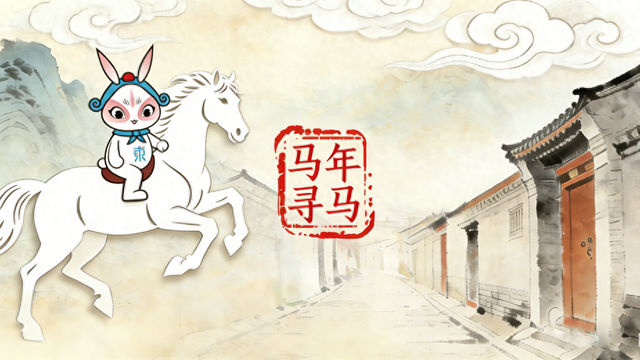
马年寻马|亮马河:从皇家“晾马河”到“幸福河湖”新地标
Xin Lang Cai Jing· 2026-02-19 04:32
Core Insights - The article highlights the cultural and historical significance of Liangma River in Beijing, emphasizing its transformation into a vibrant urban space that integrates ecological restoration and cultural heritage [2][6][10]. Group 1: Historical Significance - Liangma River, originally known as "Liangmahe," has deep roots in horse culture, dating back to the Ming Dynasty when it served as a royal horse bathing area [6]. - The river was a crucial commercial hub during the Ming and Qing dynasties, where merchants would wash and rest their horses before entering the city [6]. - The name "Liangma" is derived from the "Liangma Bridge," built during the Qing Dynasty, which further solidified the cultural foundation of the area [6]. Group 2: Ecological Renewal - Recent efforts in Chaoyang District have revitalized Liangma River, transforming it into a model of ecological governance and urban renewal, recognized as a "Happy River" by the Ministry of Water Resources [8]. - The revitalization project involved six major initiatives, resulting in the release of nearly 800,000 square meters of urban space and the creation of an 18-kilometer waterfront corridor [8]. - The project also added 16.67 hectares of urban water surface and 64.1 hectares of high-quality public space, enhancing accessibility and inclusivity [8]. Group 3: Cultural and Economic Development - Liangma River has evolved into a composite development model that combines ecology, culture, and consumption, becoming a new benchmark for nighttime cultural tourism [10]. - The area features impressive nighttime light shows and attractions, such as water-based performances and artistic installations, creating a three-dimensional visual experience [10]. - The integration of cultural and commercial elements has attracted over 400 well-known brands, fostering a positive cycle of community engagement and economic activity [10].
【2026新春走基层】在马蹄声声里,迎接马年春天
Xin Lang Cai Jing· 2026-02-19 01:27
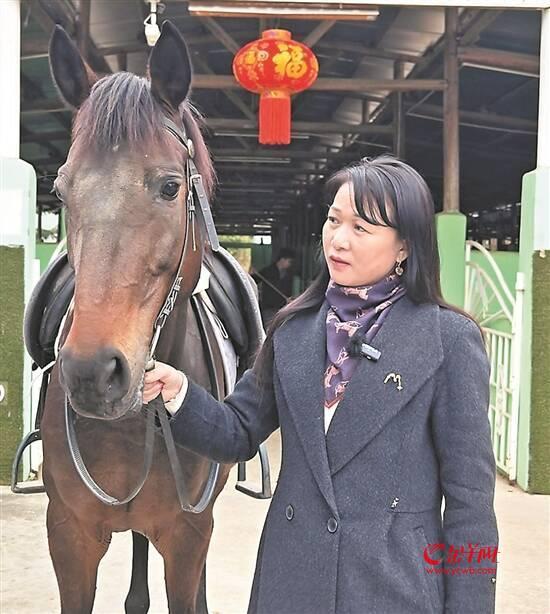
Core Insights - The article highlights the development opportunities for equestrian tourism projects in Guangdong, particularly in the context of the upcoming Year of the Horse, emphasizing the integration of equestrian sports with forest landscapes [2] Group 1: Equestrian Facility Overview - Yusheng International Equestrian Manor, located in Huadu District, Guangzhou, is the first tourism destination combining equestrian sports with forest scenery [2] - The facility can accommodate up to 64 horses, currently housing 12, and emphasizes health and safety protocols for both horses and visitors [2] - The manager, Peng Hua, provides insights into the various horse breeds and their characteristics, showcasing the facility's commitment to educating visitors [2] Group 2: Daily Operations and Care - Horse care at Yusheng involves extensive daily routines, including feeding, cleaning, and bathing, which require significant manpower and resources [3] - Training a horse for riding involves a rigorous process, taking at least three months to ensure the horse is well-adjusted to various stimuli [3] - Peng Hua emphasizes the importance of treating horses with the same care as humans, sharing a personal story of successfully rehabilitating a horse with severe eye issues [3] Group 3: Industry Challenges and Innovations - Peng Hua transitioned from a jewelry business to equestrian management, facing challenges due to a lack of local expertise in the equestrian industry [4] - The concept of "three-industry integration" is introduced as a solution to the challenges of high investment and low output in the equestrian sector, aiming to combine agriculture, culture, and tourism [4] - The arrival of the Year of the Horse presents an opportunity to promote horse culture, encouraging more people to engage with horses through various activities [4]
故城“寻马”
Xin Lang Cai Jing· 2026-02-18 21:22
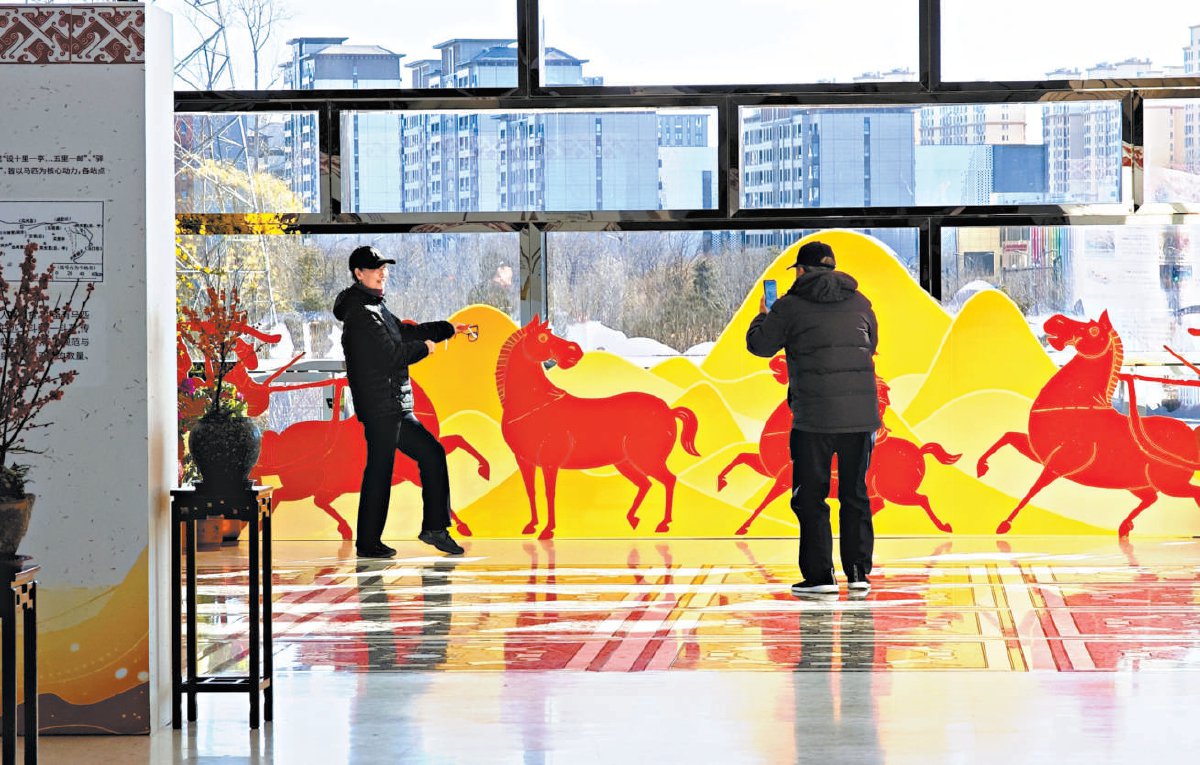
春节期间,路县故城遗址公园"汉风寻马 故城探秘"马年春节科普游园活动正式开启。市民游客在参观时可参与"寻马"打卡挑战,找到藏于馆内的五个打卡 点,完成"马文化"在线科普答题,即可解锁限量2026张的"路县故城马年特色窗花",把满含汉风古韵的年味儿带回家。 本报记者代丽丽 文 方非 摄 ...
一家三代马,岁岁皆前行
Xin Lang Cai Jing· 2026-02-18 21:22
从古至今,赞扬马,不仅仅是因为它驰骋疆场的力量,它作为战马的勇敢,还因为它的品德。孔 子称马有德,他说:"骥不称其力,称其德也。"说的是马的忠诚、仁义。人们常说"龙马精神", 代表着中华民族自古崇尚的自强不息、刚健向上的精神风貌。我们一家三代,都是在马年出生 的。我为此感到骄傲与自豪。 父亲属马。父亲18岁,从山西昔阳洪水镇潘掌村里走出来,因为抗日战争,他投身八路军,做了 通讯员、电话员,在战斗中一步一步成长。他用脚步丈量大半个中国的土地,用身体冲锋陷阵, 战友们说他是老马识途,始终跟着共产党走,没有丝毫退缩和犹豫。 □李淮 远在深圳的侄女在微信里对我说,丙午马年快到了,她要送我一份礼物,里面有马的图腾、马的 形象、马的美好……因为,马年是我的本命年。 关于"马"的正面词语,似乎有很多:一马当先、马到成功、万马奔腾、马不停蹄、龙马精神、马 踏飞燕、老马识途、厉兵秣马等,说的是精神,也说到物资,精神与物资的丰硕与创意,都可以 用"马"做载体,"马",承载着丰富的文化内涵和历史故事。关于"马"的负面词语,绞尽脑汁,也 想不出几个来,不过是马失前蹄,心猿意马,好像都不算什么负面意思。这说明"马"象征着上 进、正能量 ...
文博日历丨这片商代甲骨,刻有4个以“马”为“偏旁”的字
Xin Lang Cai Jing· 2026-02-17 22:47
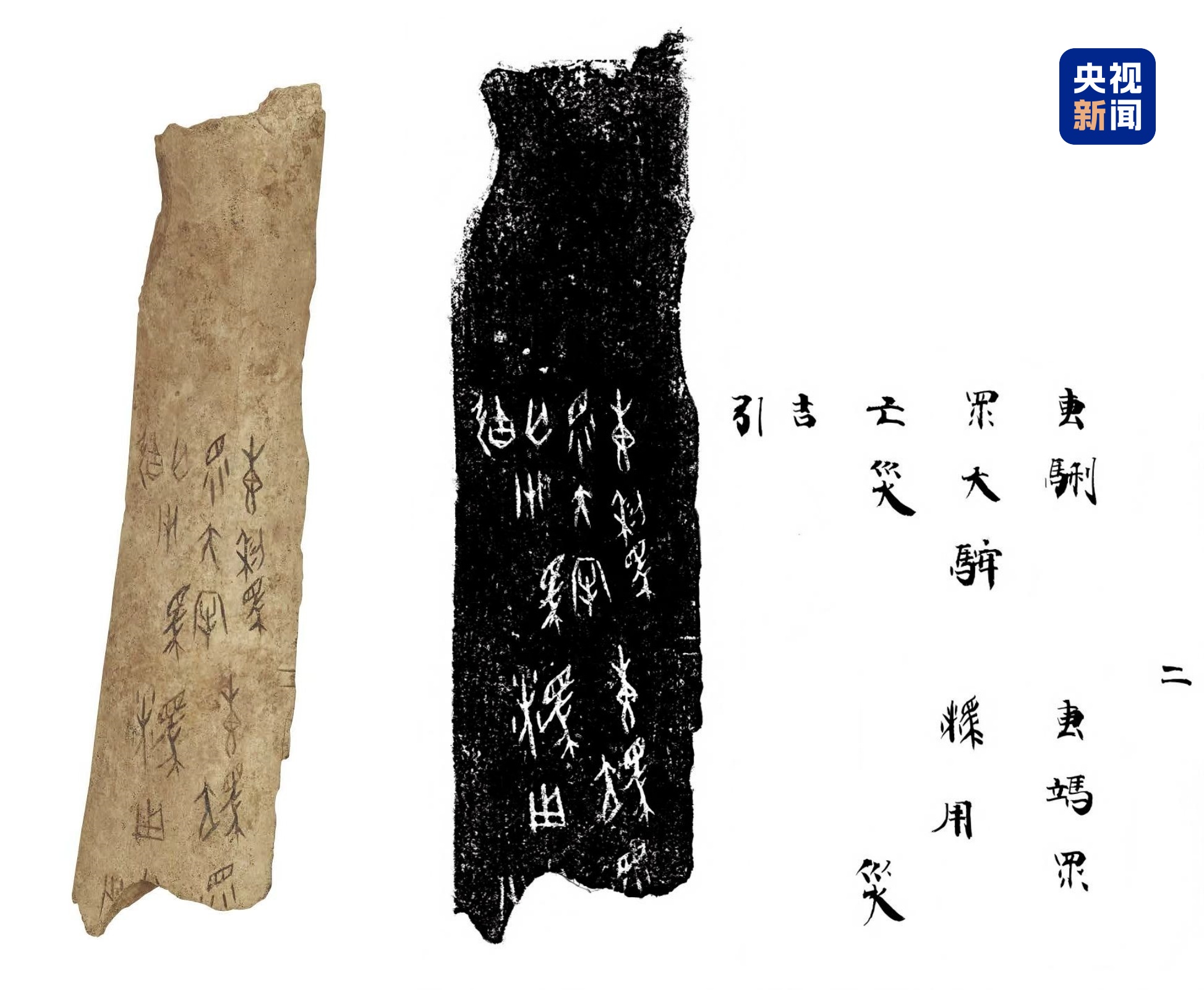
Core Insights - The article highlights the significance of horse culture in ancient Chinese civilization, particularly during the Shang Dynasty, where horses played a crucial role in daily life, rituals, and commerce [6][7]. Group 1: Historical Significance - The earliest known character for "horse" can be traced back to oracle bone script from the late Shang Dynasty, depicting a horse's silhouette with distinct features [6]. - The Shang people engaged in divination practices involving horses, indicating their importance in religious and ceremonial contexts [6]. Group 2: Cultural Impact - The influence of horse culture extends to modern language and expressions, with terms related to commerce and transportation still reflecting the historical significance of horses [7]. - Various artifacts, such as Tang Sancai horses and Xu Beihong's "Galloping Horse," illustrate the enduring legacy of horse symbolism in Chinese art and culture [8]. Group 3: Exhibition and Activities - The Tianjin Museum is hosting the "Horse Dance New Spring" exhibition, featuring nearly 200 artifacts that showcase the historical and cultural significance of horses [7][8]. - The article encourages public engagement through interactive activities related to the exhibition, including a social media contest for visitors [8].
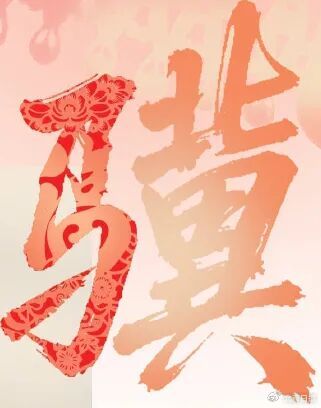
东西问·马年说马丨“汉字叔叔”解“马”:一“马”奔驰三千年
Xin Lang Cai Jing· 2026-02-17 13:16
Core Perspective - The article discusses Richard Sears, known as "Uncle Hanzi," and his exploration of the evolution of the Chinese character for "horse" (马), highlighting its historical significance and cultural implications over three millennia [3][4][5]. Group 1: Historical Evolution of the Character "马" - The earliest depiction of "马" was found in oracle bone script from the Shang Dynasty, representing a side view of a horse, indicating its domestication and importance in rituals and warfare [5]. - During the Qin Dynasty, the character transformed into a more abstract form in small seal script, reflecting the standardization of writing initiated by Emperor Qin Shi Huang, which prioritized efficiency in communication [6]. - The character evolved into the regular script (楷书), maintaining its structure while becoming more common in literature and art during the Tang and Song dynasties, symbolizing the integration of horse culture into everyday life [7]. - The modern simplified character "马" has lost its detailed features, representing a shift towards educational accessibility in the 20th century, illustrating the transition of Chinese culture from mysticism to modernity [8]. Group 2: Cultural Significance and Cross-Cultural Comparisons - Sears draws parallels between the character "马" and its representations in different cultures, such as the Trojan Horse in Greek mythology, which symbolizes deception, contrasting with the horse's role in the ancient Tea Horse Road as a symbol of trust and exchange [10]. - The character "马" encapsulates diverse narratives, from warfare to trade, showcasing its multifaceted meanings across civilizations [10]. - Sears emphasizes the importance of his work in digitizing ancient Chinese characters, making them accessible globally, and fostering cross-cultural understanding [12].
马年说马
Ren Min Ri Bao· 2026-02-17 03:05
Group 1 - The article discusses the historical significance of horses in human civilization, highlighting their evolution from prey to domesticated companions and symbols of power and culture [9][10][12] - It emphasizes the transformation of horses from being a food source to becoming essential tools for transportation, warfare, and status symbols in various ancient cultures [10][11][12] - The narrative includes archaeological findings that illustrate the domestication of horses and their integration into human society, particularly in ancient China [10][11][12] Group 2 - The article details the peak of horse culture during the Tang Dynasty, where horses were not only used for military purposes but also became symbols of luxury and social status [13] - It notes the decline of horse significance in military contexts during the Ming and Qing Dynasties, leading to a shift in their cultural representation [13] - The article concludes by reflecting on the enduring cultural symbolism of horses, particularly in the context of the Lunar New Year celebrations and traditional art forms [34][35]
马年到!嘚儿~驾!
中国能源报· 2026-02-17 02:03
奔腾如风,桀骜不驯 是它 也是它 忠诚相伴,温良通达 在中华文化里 它是踏燕凌空的灵兽 驰骋天地,蹄下生风 在历史长河中 它是负重前行的伙伴 默然奔走,无怨无悔 春风得意马蹄疾 踏着迎春的鼓点 神采奕奕的丙午马翩然而至 "马力""马达"彰显动能 "驰骋""驾驶"藏着前行之姿 快马加鞭、万马奔腾、鲜衣怒马 成语里全是追风的豪情 今天 我们一起聊聊马的故事 马的魅力 首推速度 汉语里满是它的印记 然而 这种 强悍的运动能力 并非马科动物的先天优势 而是它们在漫长的演化中 逐渐获得的 法国拉斯科洞窟壁画中的野马图像 5600万年前 始祖马 如狐狸般小巧 四趾踏过热带森林 留下灵动足迹 始祖马 复原图(图据中国科学院古脊椎所,Michael Long绘) 等到森林退去、草原扩张 草原古马 才逐渐演化出 发达的中趾结构 以稳健奔跃掌控生存空间 西藏阿里地区札达三趾马复原图(图据中国科学院古脊椎所,陈瑜绘)。 古地磁测年结果显示, 札达三 趾马 化石埋藏的地层形成于460万年前。 450万年前, 现代马 定型 凭单蹄的高效运动能力和强健体魄 它真正成为了 "为奔跑而生"的动物 甘肃临夏盆地早更新世( 250至220万年前 ...