
年画

Search documents
天涯共此时 欢庆中国年——海峡两岸同气连枝共贺新春
Xin Lang Cai Jing· 2026-02-23 21:43
Core Viewpoint - The article emphasizes the significance of the Spring Festival as a cultural bond between people across the Taiwan Strait, highlighting shared traditions and emotional connections that reinforce the idea of "one family across the strait" [1][4][12]. Group 1: Cultural Significance of the Spring Festival - The Spring Festival is deeply rooted in Chinese culture, symbolizing family reunion, harmony, and the collective memory of the Chinese people [4][5]. - It serves as a spiritual "homecoming" for people on both sides of the strait, where family gatherings and ancestral worship are central practices [4][8]. - The festival embodies the philosophy of "harmony between heaven, earth, and humanity," reflecting a deep respect for natural laws and cosmic order [5][9]. Group 2: Shared Customs and Practices - Both sides of the strait share similar customs leading up to the Spring Festival, such as the "tailing" ceremony and ancestor worship, which illustrate a common cultural heritage [8][9]. - The New Year's Eve dinner is a significant event for families, featuring traditional dishes that symbolize prosperity and reunion, such as whole fish and dumplings [8][9]. - The first day of the new year includes rituals like setting up altars, lighting firecrackers, and visiting friends and family, showcasing the importance of greetings and blessings in both cultures [9][12]. Group 3: Cultural Exchange and Modernization - Recent years have seen an increase in cultural exchanges between the two sides, with traditional cultural projects becoming highlights of the Spring Festival celebrations [12][13]. - Digital technology has revitalized traditional customs, allowing for innovative expressions of cultural identity through online platforms and virtual celebrations [13]. - Events like the "Taiwan Han Paper Spring Festival Exhibition" and collaborative cultural markets illustrate the ongoing efforts to strengthen ties and celebrate shared heritage [7][12].

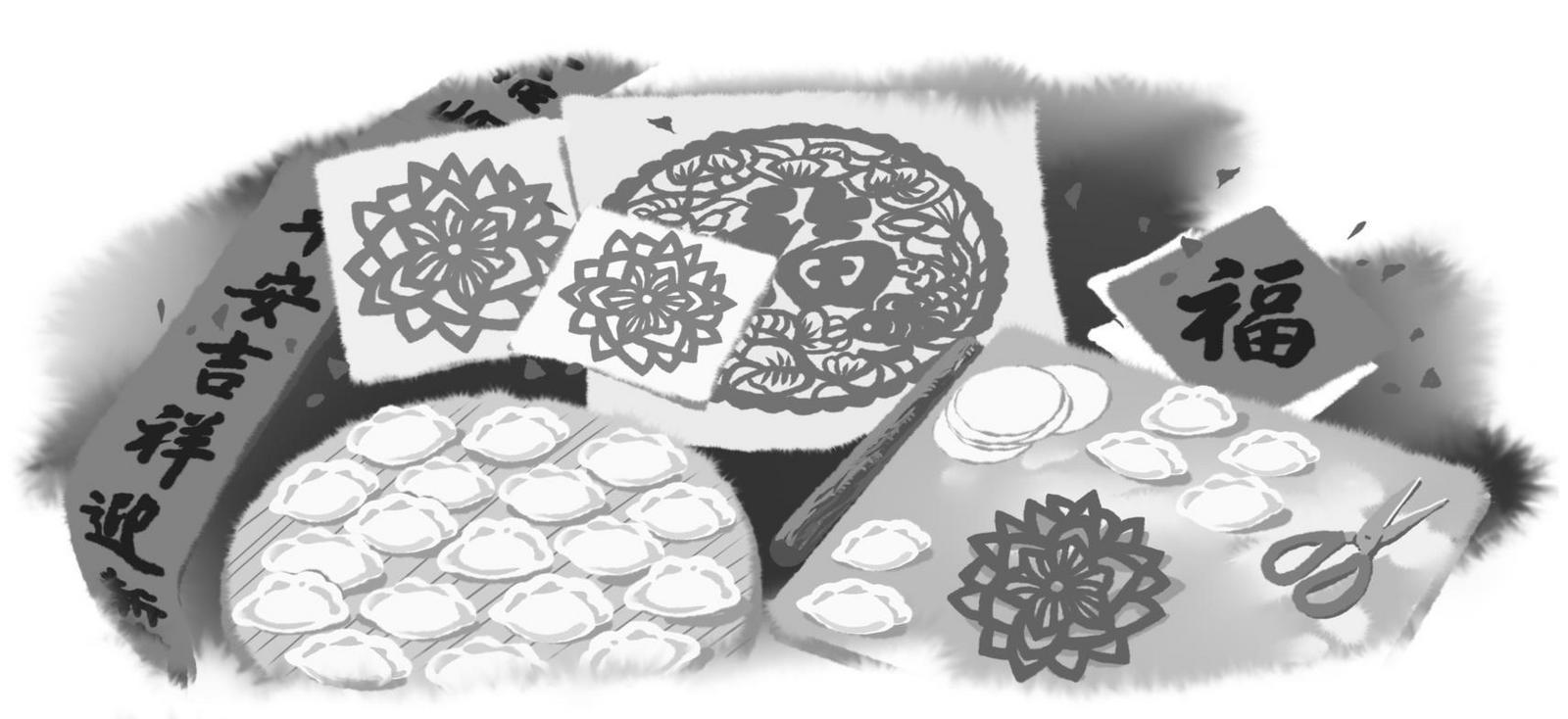
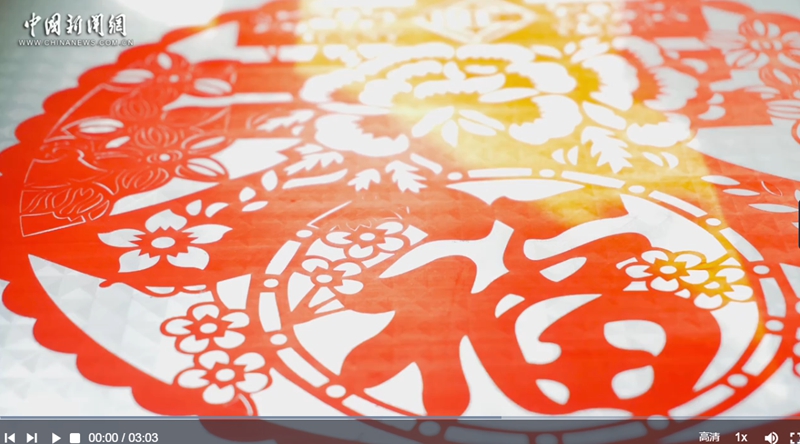
窗花饺子和年
Xin Lang Cai Jing· 2026-02-19 21:59
Group 1 - The article emphasizes the cultural significance of traditional Chinese New Year practices, particularly the importance of handmade decorations like window flowers and dumplings, which foster a sense of participation and connection to heritage [3][4][5]. - The history of dumplings in China is noted to be extensive, with archaeological evidence dating back to the Three Kingdoms period, highlighting their long-standing role in Chinese culinary traditions [3][5]. - The article discusses the evolution of window flowers, which have been a part of Chinese culture for over 1400 years, and their accessibility and simplicity contribute to their widespread popularity during the New Year celebrations [5][6]. Group 2 - The narrative illustrates the personal experiences of families engaging in traditional practices, such as making dumplings and cutting window flowers, which are seen as essential activities that enhance the festive atmosphere [4][6]. - The article reflects on the intergenerational transmission of these traditions, showcasing how younger generations, like grandchildren, are encouraged to participate in these cultural practices, thus keeping the traditions alive [6][7]. - The joy and creativity involved in making window flowers are highlighted, as they serve not only as decorations but also as a means of expressing artistic flair and familial bonding [6][7].
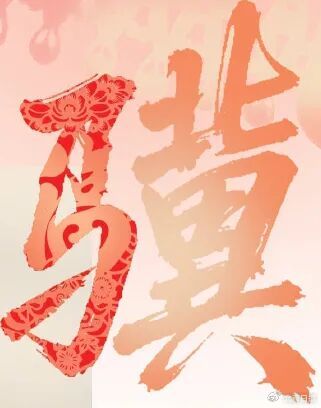
藏在中国工艺里的马,你见过几种?
Xin Lang Cai Jing· 2026-02-19 05:38
Core Perspective - The article explores the cultural significance and artistic representation of horses in various Chinese traditional crafts, highlighting the evolution and innovation within these art forms. Group 1: Suzhou Embroidery (Su Xiu) - Su Xiu, centered in Suzhou, is renowned for its intricate silk embroidery techniques, utilizing ancient needle methods to create poetic representations of horses [2][4] - The art form has evolved from traditional techniques to contemporary expressions, with artists like Jiang Xueying innovating with new methods such as twisting threads and simplifying needlework to enhance texture and depth [4][6] - Jiang Xueying's representative work "Xiao Ma" exemplifies the blend of traditional and modern techniques, capturing the essence of horses in a dynamic and spatially rich manner [4][5] Group 2: Fur Painting - In Xinjiang, fur painting has emerged as a unique art form, using animal hides as the canvas to depict vibrant and dynamic horse imagery [7][10] - Artist Aiziguli Wufuer has transformed this craft into a pure artistic expression, overcoming technical challenges to create lifelike representations of horses that resonate with cultural narratives [7][11] - Her works, such as "Sweat Blood Horse," reflect a deep connection to the nomadic lifestyle and the spiritual significance of horses within that culture [10][11] Group 3: Other Traditional Crafts - The representation of horses spans various traditional crafts in China, each employing unique techniques and materials to convey cultural meanings [12][17] - Wood carvings, paper cuttings, clay sculptures, and New Year paintings all feature horses, symbolizing strength, vitality, and auspiciousness in Chinese culture [12][14][15][17] - These diverse forms of artistic expression collectively celebrate the horse as a symbol of life and aspiration, showcasing the craftsmanship and cultural heritage of different regions [12][17]
春节工厂无休?解码义乌“零淡季”背后的全球订单密码
Sou Hu Cai Jing· 2026-02-18 02:32
Core Insights - Yiwu's logistics operations have not slowed down during the Spring Festival, with the China-Europe Railway Express operating at an increased frequency, reflecting the city's status as a "world supermarket" [1] Group 1: Redefining "Off-Season" - Traditional commercial cycles have failed in Yiwu, with the average daily departures of the China-Europe Railway Express increasing to 3-4 trains during what is typically considered a logistics off-season [2] - Local factories have adapted to global events, such as the upcoming 2024 Paris Olympics, by rapidly increasing production capacity, exemplified by a factory producing 600,000 night-glow turtle toys daily [2] Group 2: Unbounded Opportunities - Yiwu's success is attributed to its ability to capture global demand accurately, as seen when a sudden change in U.S. tariff policy led to a rush order of 300,000 pairs of socks, completed within 15 days [3] - The city's export value grew by 20.5% in the first quarter of 2024, driven by the convergence of multiple global events, including elections and sports competitions [3] Group 3: Resilient Infrastructure - Yiwu merchants exemplify the motto "no off-season, only battle season," showcasing their adaptability during the pandemic by ensuring order fulfillment through innovative methods [4] - The city's flexible supply chain allows for rapid product line changes and precise logistics scheduling, making it a microcosm of global manufacturing dynamics [4] - Yiwu's continuous operations and high activity levels challenge traditional economic analyses of "off-season" pricing, as the city remains a bustling hub of commerce [4]

东西问|周慎:科技如何助力春联、年画突破传播边界?
Xin Lang Cai Jing· 2026-02-17 14:23
Core Viewpoint - The integration of technology, particularly AIGC (Artificial Intelligence Generated Content), is enhancing the cross-cultural dissemination of traditional Chinese cultural elements such as Spring Festival couplets and New Year paintings, making them more accessible and relatable to diverse audiences [3][4][9]. Group 1: Cultural Significance and Application - Spring Festival couplets and New Year paintings serve as a cultural space for overseas Chinese, transcending mere decoration to become significant visual symbols during celebrations [3][4]. - These cultural artifacts create a strong visual impact in places like Chinatowns and shopping malls, contributing to a more open urban cultural landscape [3]. - The practice of pasting couplets is a family ritual that fosters intergenerational cultural transmission, particularly in countries like Malaysia and Singapore [3][4]. Group 2: Advantages in Cross-Cultural Communication - Spring couplets and New Year paintings possess a "high bandwidth, low context" advantage, allowing for effective communication across cultural boundaries through visual symbols [4][6]. - The visual aesthetics of couplets and paintings, characterized by vibrant colors and striking designs, attract attention and facilitate understanding before linguistic comprehension [6][9]. - The positive emotional value associated with auspicious symbols in couplets and paintings resonates universally, providing a sense of comfort and shared hope for a better life [6][9]. Group 3: Localization and Adaptation - Spring couplets and New Year paintings can be localized without losing their core themes, allowing for integration with local languages and cultural symbols [8][9]. - Initiatives in regions like Anhui promote the co-creation of cultural expressions that blend traditional Chinese art with local elements, fostering a sense of shared celebration [8][9]. Group 4: Role of AIGC in Cultural Transmission - AIGC technology addresses traditional communication challenges by enabling context adaptation and visual interpretation, enhancing the understanding of cultural nuances [9][10]. - The technology can facilitate multilingual translations and cultural analogies, making traditional symbols more relatable to international audiences [9][10]. - AIGC can animate static cultural artifacts, allowing them to engage audiences interactively, thereby enhancing the emotional connection to the cultural content [10][12]. Group 5: Future Directions in Cultural Engagement - The potential for AIGC to transform cultural output from a one-way process to a two-way interaction can deepen cultural resonance and community engagement [12][13]. - Developing tools like a "cross-cultural couplet generator" can personalize cultural experiences for local audiences, making them feel included in the celebrations [12][13]. - Interactive technologies, such as AR, can create immersive experiences that allow audiences to engage with cultural symbols in a dynamic way, reinforcing their significance [12][13].
义利天下|义乌没有淡季
Zhong Guo Xin Wen Wang· 2026-02-17 07:03
Core Insights - The Spring Festival acts as an "accelerator" for Yiwu, contrasting with many cities where it serves as a "pause button" [2] - Cross-border livestreaming connects Yiwu to Southeast Asia, making Mandarin an "international language" [2] - The Yiwu-Europe Railway operates continuously, facilitating the shipment of goods like Chinese knots, New Year paintings, and solar panels to destinations as far as Madrid, Spain [2] Industry Summary - Yiwu's logistics are characterized by a high volume of goods awaiting shipment, indicating robust trade activity [2] - The railway's punctuality and efficiency are highlighted as key factors in customer satisfaction, ensuring timely delivery of products [2] - The local business sentiment emphasizes a desire for prosperity and global connectivity, reflecting the dynamic nature of Yiwu's market [2]
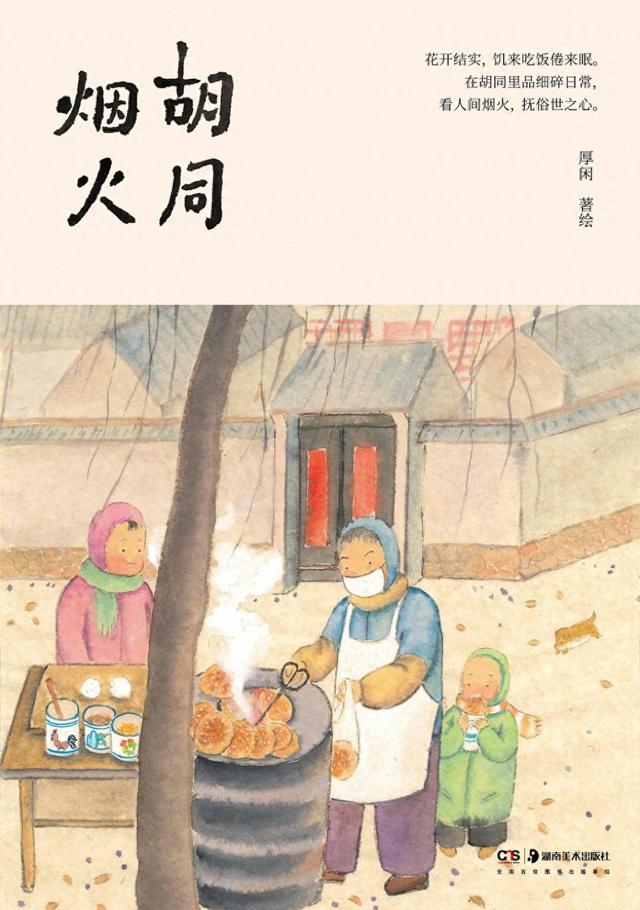
胡同里的年味:好花半开,好酒微醉
Xin Lang Cai Jing· 2026-02-16 02:31
Group 1 - The article highlights the vibrant atmosphere of the streets during the New Year celebrations, particularly on Tonghe Street, where various small shops prepare for the festivities [4][5] - Local vendors are busy cleaning and decorating their shops, creating a festive environment with colorful lights and traditional decorations [5] - The presence of traditional items for sale, such as couplets and lanterns, reflects the cultural significance of the New Year celebrations in the community [5][6] Group 2 - The narrative includes a character, an elderly greening worker, who sells handmade couplets and New Year paintings, emphasizing the personal touch and local craftsmanship in the holiday preparations [6][9] - The story describes the bustling activity around the sale of tangyuan (glutinous rice balls) during the Lantern Festival, showcasing the importance of food in cultural celebrations [10][11] - The character's experiences and interactions during the festive period illustrate the communal spirit and traditions associated with the New Year and Lantern Festival [10][13]
古集新韵乡情切
Xin Lang Cai Jing· 2026-02-15 22:17
Core Insights - The traditional market in Hemudu Town, Yuyao City, is experiencing a vibrant atmosphere as it continues its centuries-old tradition, showcasing local delicacies and crafts during the festive season [1][2] Group 1: Market Atmosphere - The market is adorned with festive decorations, including red couplets and various Chinese knots, creating a lively and celebratory environment [1] - Vendors are offering a wide range of traditional foods and goods, such as local sausages, dried mushrooms, and handmade bamboo products, reflecting the local culture and craftsmanship [1][2] Group 2: Vendor Experiences - Long-time vendors, like Rong Xin from Anhui and Kong Erqiu from Jiangsu, highlight their dedication to their craft, with many having established a loyal customer base over the years [2] - The market serves as a vital hub for local residents and visitors from surrounding areas, providing a one-stop shop for New Year goods, especially for those who may not be familiar with modern technology [2] Group 3: Community Engagement - The market attracts a diverse crowd, including elderly residents who reminisce about the past and appreciate the convenience of modern transportation to access the market [2] - The market administrator notes the significant turnout, with over 60 stalls participating in the last major market day before the New Year, indicating strong community engagement and participation [2]
让文化根脉绽放更多光彩
Ren Min Ri Bao· 2026-02-13 00:28
Core Viewpoint - The article emphasizes the role of cultural workers in preserving and promoting traditional Chinese culture, especially as the Spring Festival approaches, highlighting their efforts in safeguarding cultural heritage and making it relevant in contemporary society [1][2]. Group 1: Guardians of Culture - Cultural workers are described as "guardians" who protect historical buildings and artifacts, ensuring that the cultural heritage is preserved for future generations [1]. - They conduct thorough inspections and conservation efforts on ancient architecture, safeguarding every detail of historical significance [1]. - Curators meticulously plan exhibitions to present valuable cultural relics and historical narratives to the public, facilitating the tangible transmission of Chinese cultural heritage [1]. Group 2: Translators of Tradition - Cultural workers are also seen as "translators," making ancient wisdom accessible in the modern era through digital means [1]. - The establishment of a "digital relic database" by the Palace Museum allows audiences to explore artworks like "A Thousand Li of Rivers and Mountains" online [1]. - Traditional crafts such as New Year paintings and shadow puppetry are shared on social media platforms, generating significant engagement and appreciation from viewers [1]. Group 3: Cultivators of Cultural Identity - Cultural workers are referred to as "lamp lighters," fostering a deep-rooted cultural identity among people [2]. - The 2,500-year-old Dong folk song has gained international recognition, showcasing the global appeal of traditional Chinese music [2]. - Traditional craftsmanship, such as flower silk inlay, has become trendy among younger generations, bridging the gap between ancient techniques and modern aesthetics [2]. Group 4: Creative Transformation - The article highlights the creative transformation and innovative development of Chinese culture, driven by dedicated cultural workers [2]. - Local theater groups performing in rural areas help spread regional drama across the country, enhancing cultural appreciation [2]. - The article concludes with a call for more cultural workers to continue the journey of cultural transmission, ensuring that traditional practices resonate with contemporary audiences [2].
民俗扮靓马年新春
Xin Lang Cai Jing· 2026-02-12 23:44
Group 1 - The upcoming Lunar New Year of the Horse in 2026 is celebrated across China with various traditional customs, highlighting the cultural significance of the horse as a symbol of progress and good fortune [1] - The worship of the Horse God, known as "Shuicao Maming Wang," remains an important folk activity in some regions, symbolizing a connection between tradition and modernity, and is associated with ensuring safe travels and a smooth life [1] - The Horse God is popularly recognized through the saying "the Horse King has three eyes," which reflects his role in reporting the hardships of the people to the Jade Emperor, leading to his veneration among the public [1] Group 2 - The auspicious imagery of horses is prevalent in traditional arts and crafts, especially during the New Year, with items like paper-cuttings, embroidery, and New Year paintings featuring themes such as "success on horseback" and "peace on horseback" being highly sought after [2] - Common phrases associated with horses, such as "achieving success swiftly" and "leading the way," are frequently used as New Year blessings, conveying people's hopes and aspirations for the coming year [2] - Local cultural performances, such as the "Qilin White Horse Dance" in Guangdong, showcase the vibrant local customs and are performed during major festivals, reflecting the community's longing for a better life [2] Group 3 - The integration of horse elements in cultural expressions not only serves as a symbol of good fortune but also represents a spiritual totem in Chinese culture, maintaining its vitality and relevance in contemporary society [3] - The cultural significance of horses contributes positively to rural revitalization and the integration of culture and tourism, providing a warm force for community development [3]