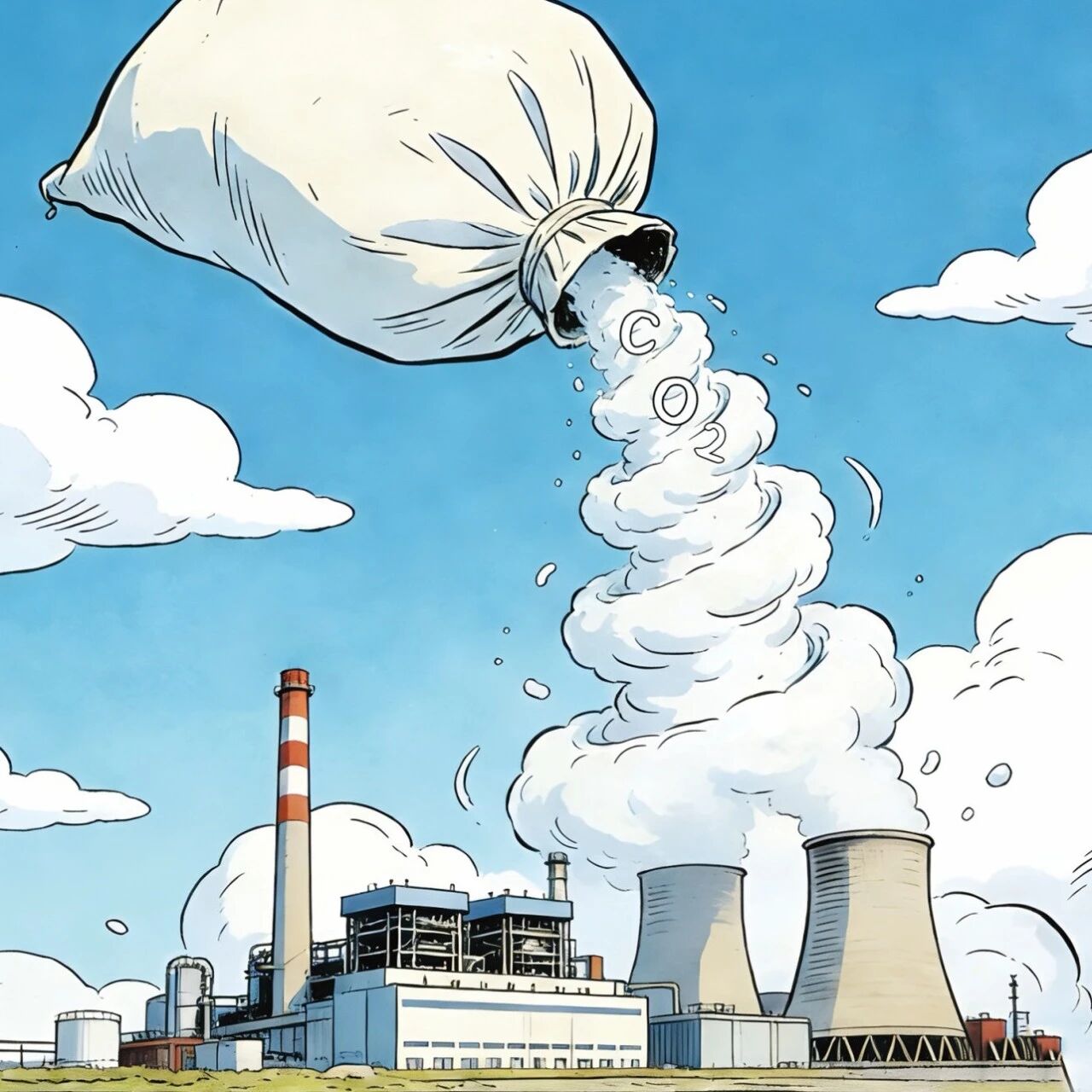
双碳目标

Search documents
我国绿色金融支持体系进入“全链条覆盖”新阶段
中国能源报· 2026-02-03 12:21
Core Viewpoint - The People's Bank of China has expanded the Carbon Emission Reduction Support Tool to include six areas, aiming to promote a comprehensive green transformation of the economy and society [3][5]. Group 1: Expansion of Support Areas - The newly added support areas include energy-saving renovation, green upgrades, and energy green low-carbon transformation, expanding the focus from specific sectors to a comprehensive green transformation across the economy [8]. - This expansion is seen as a deep response to the demand for green transformation, marking a new stage in China's green finance support system [3][8]. Group 2: Financial Impact and Mechanism - The Carbon Emission Reduction Support Tool operates quarterly, providing up to 800 billion yuan annually, with the aim of guiding financial resources towards clean energy and environmental protection [3][5]. - As of the end of 2024, the tool has facilitated over 1.3 trillion yuan in incentive loans, with a green loan balance of 36.6 trillion yuan, highlighting its role as a crucial financial pillar for achieving carbon neutrality goals [5]. Group 3: Benefits to Various Sectors - The new support areas are expected to benefit sectors such as new power systems, energy-saving renovation equipment manufacturing, and urban infrastructure focused on green building and transportation [10][12]. - High-energy industries like steel, cement, and chemicals are anticipated to be the largest beneficiaries, as their projects for energy efficiency improvements will now be included in the support scope [12]. Group 4: Policy Adjustments and Market Response - A recent reduction in the one-year interest rate for structural monetary policy tools, including the Carbon Emission Reduction Support Tool, from 1.50% to 1.25% is expected to lower financing costs for green projects, encouraging more participation from small and medium-sized enterprises [9][11]. - The adjustment signals a shift in policy goals from merely supporting carbon reduction to promoting a comprehensive green transformation of the economy and society [8].


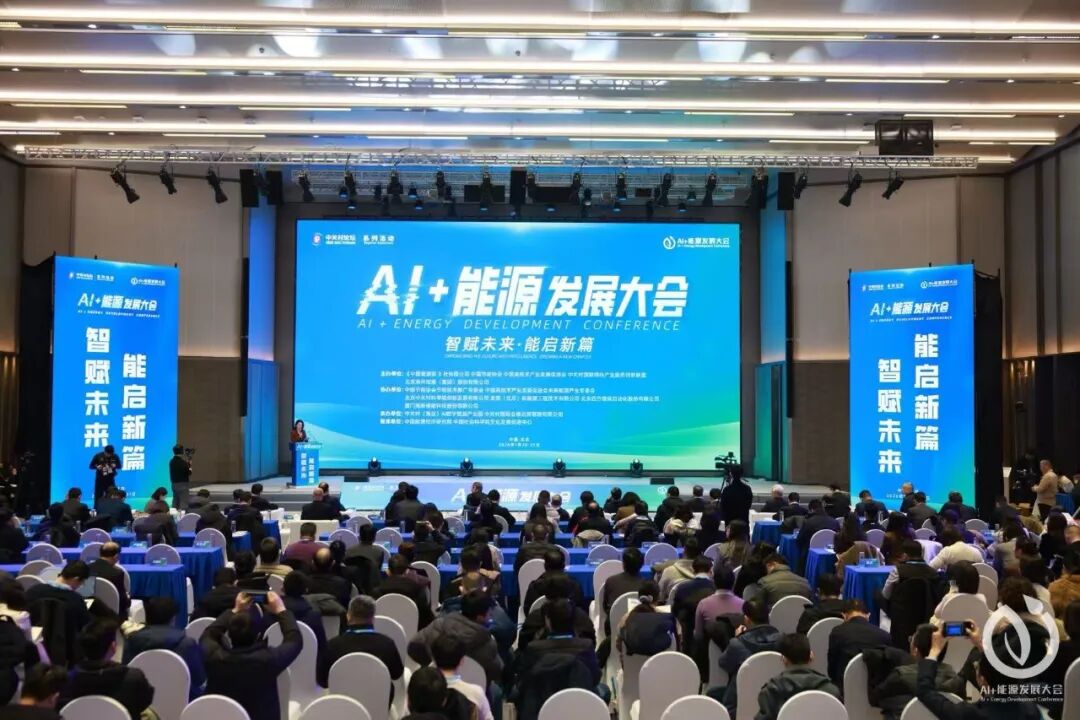
AI+能源发展大会在北京成功举办
Zhong Guo Neng Yuan Wang· 2026-02-03 09:52
Core Insights - The new round of technological revolution and industrial transformation is reshaping the global competitive landscape and economic structure, with a focus on integrating digital transformation and energy transition to promote high-quality development in the energy sector [2] Group 1: Conference Overview - The "AI + Energy Development Conference" was held in Beijing, focusing on the deep integration of AI and the energy industry, discussing topics such as energy system transformation and new power system construction [2] - Over 300 representatives from government, energy companies, and industry experts attended the conference, emphasizing collaboration for achieving energy security and carbon neutrality goals [2] Group 2: Digital Technology Empowerment - Digital technology is seen as a key driver for high-quality development in the energy sector, enhancing energy efficiency and optimizing energy structure [3] - Experts highlighted the need for strategic guidance and focus on technological breakthroughs and application scenarios to build a robust industrial ecosystem [3][4] - AI applications in oil and gas production can improve exploration accuracy, enhance efficiency, and promote the integration of fossil and renewable energy [3][4] Group 3: Practical Applications and Innovations - The conference served as a platform for sharing practical experiences and addressing development challenges in traditional energy upgrades and renewable energy advancements [4][5] - AI technologies are being utilized to optimize energy storage configurations, smart grid transformations, and energy meteorological predictions, significantly improving the efficiency of wind and solar power generation [4][6] Group 4: Collaborative Initiatives - The launch of the "AI + Energy Green Industry Tour" and the preparation for the energy industry chain alliance were key initiatives aimed at fostering collaboration and innovation in the energy sector [9] - The establishment of a national-level zero-carbon park expert advisory committee aims to provide professional support for zero-carbon park construction [9] Group 5: Industry Practices - Companies are actively implementing AI in energy storage safety and efficiency, with successful applications in various energy storage projects [10][12] - Innovations in long-duration energy storage technologies and AI-driven optimization strategies are addressing challenges in energy reliability and carbon emissions [10][12]
完善容量电价政策发布 碳减排明确成为发展主线 | 投研报告
Zhong Guo Neng Yuan Wang· 2026-02-03 09:51
Group 1: Energy Sector Overview - As of the end of 2025, the cumulative installed power generation capacity in the country reached 3.89 billion kilowatts, with a total of 434 GW of new energy capacity added throughout the year, exceeding market expectations. This includes 119 GW from wind power and 315 GW from solar power. Notably, thermal power added 95 GW [1][4]. - In December alone, solar power saw an addition of 41 GW and wind power added 38 GW, significantly higher than the monthly figures from June to November, likely due to the grid connection of large wind and solar projects at year-end [1][4]. Group 2: Storage and Pricing Mechanisms - The National Development and Reform Commission and the National Energy Administration issued a notice to improve the capacity pricing mechanism for power generation, which is expected to accelerate the introduction of independent storage capacity pricing policies at the provincial level. This is anticipated to expand the domestic independent storage market, benefiting storage integrators, upstream component manufacturers, and battery companies [2][3]. - The notice is seen as a significant step in establishing a unified framework for pricing and profitability for gas-fired power plants, which may enhance their construction enthusiasm and profitability [3]. Group 3: Investment Recommendations - Companies to watch in the storage sector include integrators such as Haibo Shichuang, Sunshine Power, and Canadian Solar, as well as battery manufacturers like CATL, EVE Energy, and others [2]. - In the power generation sector, companies with significant natural gas generation capacity such as Huadian International and Guangdong Power Development are recommended, along with those offering a combination of dividend yield and growth potential like Gui Guan Power [4][5]. Group 4: Carbon Market Developments - The "14th Five-Year Plan" emphasizes carbon reduction as a key development line, with stricter carbon emission controls expected. The carbon market is projected to expand, with additional industries being incorporated by 2027 [5][6]. - New methodologies for CCER (China Certified Emission Reduction) are being introduced, expanding the market's support to various sectors, including oil and gas recovery and green hydrogen, which may create new investment opportunities [6].
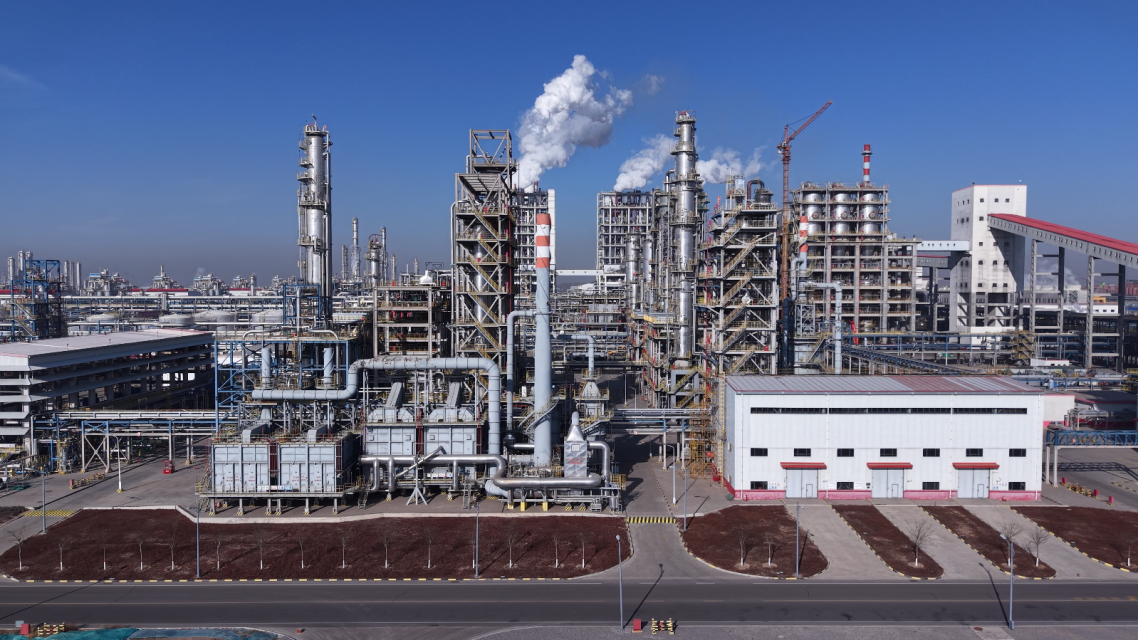
国产首套!陕鼓高压CO₂压缩机助力我国最大CCS项目成功试车
Zhong Guo Neng Yuan Wang· 2026-02-03 09:51
Core Viewpoint - The successful trial operation of the CO₂ compressor by Shaanxi Blower (Group) Co., Ltd. marks a significant technological breakthrough in China's carbon capture and storage (CCS) sector, providing a replicable low-carbon transformation path for the coal chemical industry [1][3][5] Group 1: Technological Breakthrough - The CO₂ compressor, rated at 15MPa, is the first high-pressure centrifugal CO₂ compressor applied in CCS facilities in China, overcoming challenges related to high-pressure and high-density medium compression [1][3] - The compressor's compression capability is likened to compressing the gas volume of 140 bottles into a single mineral water bottle, highlighting its advanced engineering [1] Group 2: Industry Collaboration and Development - Shaanxi Blower has established a collaborative innovation center with universities and enterprises to address major issues in carbon capture, utilization, and storage, aiming to create a one-stop platform for solutions [5] - The company has developed a product line of CO₂ compressors with flow rates between 30-100 million tons/year and exhaust pressures below 15MPa, contributing to various national demonstration projects [5] Group 3: Impact on Industry and Environment - The CCS demonstration project at Shaanxi Coal Yulin Chemical is a landmark initiative under China's dual carbon goals, promoting the high-end, diversified, and low-carbon development of the coal chemical industry [5][6] - The successful trial operation lays the foundation for the project's large-scale operation and provides a reliable pathway for the green transformation of industries such as coal chemical, electricity, and steel, effectively reducing decarbonization costs [6]

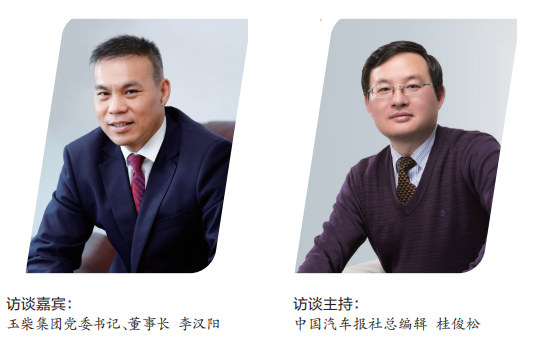
李汉阳:助力客户成功,不断扩大玉柴“朋友圈” | 高端访谈
Zhong Guo Qi Che Bao Wang· 2026-02-03 09:49
Core Insights - The article discusses the significant growth and strategic direction of Yuchai Group during the "14th Five-Year Plan" period, highlighting the importance of expanding partnerships and focusing on customer success as a core business philosophy [1][15]. Group 1: Business Performance and Strategy - Yuchai Group achieved historical highs in sales revenue, profit, and engine sales in 2025, attributed to strong leadership and support from local governments and partners [1]. - The company emphasizes the need to continuously expand its "circle of friends" to enhance collaboration with commercial vehicle manufacturers, focusing on solving customer pain points in power systems [1][2]. - Yuchai's strategy includes finding its own positioning in the market, aiming for industry co-prosperity rather than replacing existing suppliers [2]. Group 2: Product Development and Innovation - Yuchai has established a research and development center in Wuxi and a low-carbon intelligent power laboratory in Guangxi, leading to significant advancements in product quality, particularly in the National VI engine series [4]. - The company reported a more than 40% year-on-year increase in National VI engine sales, with light truck power doubling and new energy power growing by 155% [4]. Group 3: Market Trends and Future Outlook - The company predicts a stable growth rate of 5% to 10% for the commercial vehicle market over the next five years, despite declining demand from traditional sectors like real estate and infrastructure [5]. - Yuchai anticipates a continued diversification of power systems in commercial vehicles, with multiple technologies coexisting, including internal combustion engines, pure electric, hybrid, and hydrogen fuel [6][7]. Group 4: International Expansion - Yuchai has made significant strides in internationalization, with overseas business growth projected at nearly 80% in 2024 and around 50% in 2025, driven by the global expansion of Chinese automotive products [10][11]. - The company is shifting from product export to technology licensing, allowing local enterprises to quickly gain production capabilities while fostering stable partnerships [11]. Group 5: Collaborative Innovation and Corporate Culture - Yuchai emphasizes the importance of collaboration within the industry, advocating for a tightly-knit ecosystem that benefits all parties involved [12]. - The company's corporate culture is centered around the philosophy of "helping customers succeed," which is seen as essential for its survival and growth [15][16].

新型建筑材料:破解传统建材困局,开辟建筑市场新赛道
Han Ding Zhi Ku· 2026-02-03 09:17
Investment Rating - The report indicates a positive investment outlook for the new building materials industry, highlighting its transition from a supplementary choice to a mainstream demand in the market [2]. Core Insights - The new building materials market in China is projected to reach CNY 20,661.6 billion by 2024, with new wall materials accounting for the largest share at CNY 13,200.7 billion [3]. - The industry is experiencing a dual drive from policy support and rising demand, creating a favorable environment for growth [9][10]. - Key trends include the integration of green, functional, and intelligent features in new building materials, which are becoming essential for meeting modern construction needs [7][8]. Summary by Sections Industry Development Trends - The new building materials sector is expanding, with a notable increase in the number of enterprises and product categories, including wall materials, decorative materials, insulation materials, and waterproof materials [2]. - The market is characterized by a clear differentiation, where leading companies dominate the mid-to-high-end market due to their technological advantages, while smaller firms face challenges due to lack of innovation and product homogeneity [2][3]. Core Trends - Green and low-carbon development is a central focus, with a growing emphasis on lifecycle carbon emission control and the adoption of recycled materials [7]. - Functional upgrades are crucial, as the market demands materials that offer multiple functionalities, such as fire resistance, sound insulation, and self-healing properties [8]. - Intelligent building materials are increasingly integrated with digital technologies, enhancing building safety and energy efficiency through real-time monitoring and automated adjustments [8]. Market Opportunities - Policy initiatives are providing clear direction and support for the new building materials industry, including financial incentives and mandatory usage in public projects [9]. - The demand for new building materials is diversifying, driven by consumer preferences for quality, health, and sustainability, as well as emerging sectors like renewable energy and data centers [10]. - The "Belt and Road" initiative is facilitating the expansion of Chinese new building materials into international markets, particularly in Southeast Asia and the Middle East [10].
新疆若羌县科学推进高原项目冬季施工
Zhong Guo Jing Ji Wang· 2026-02-03 09:03
Core Insights - The project in Xinjiang, which includes a 100 MW solar thermal (with storage) and a 900 MW photovoltaic power generation system, is progressing rapidly despite harsh winter conditions [1][2] - The project utilizes tower-type molten salt technology and features a large-capacity thermal storage system of 1988 MWh, aiming to significantly contribute to energy structure optimization and the achievement of carbon neutrality goals [2] Group 1 - The construction site is characterized by busy and orderly operations, with automated equipment working alongside construction personnel [1] - The project is the highest tower-type molten salt solar thermal project in Xinjiang, with the heliostat system being a core component affected by extreme weather [1] - The project team emphasizes precision control throughout the construction process to overcome technical challenges posed by low temperatures and strong winds [1] Group 2 - A technical task force has been established to create a closed-loop control system covering the entire process from component storage to assembly, installation, and debugging [2] - The project has completed the assembly and installation of a batch of heliostats, with debugging of the mirror field progressing steadily [2] - Upon completion, the project is expected to generate approximately 1.96 billion kWh annually, reducing standard coal consumption by 690,000 tons each year [2]
甘肃设定零碳园区建设“硬指标”:2027年前建成5个,2035年半数以上园区完成低碳改造
Zhong Guo Fa Zhan Wang· 2026-02-03 08:22
Core Viewpoint - Gansu Province has launched a comprehensive plan for the construction of zero-carbon parks, aiming to establish around five zero-carbon parks by 2027 and ten by 2030, with a goal of achieving significant low-carbon transformation across more than half of its parks by 2035, thereby supporting the province's dual carbon goals [1][2][3] Group 1: Construction Plan and Standards - The plan specifies that the construction of zero-carbon parks will be limited to provincial-level or newly approved emerging industrial parks, with clear boundaries for the parks [1] - Differentiated core acceptance indicators are set for zero-carbon and low-carbon parks, with zero-carbon parks required to have carbon emissions not exceeding 0.3 tons per ton of standard coal, while low-carbon parks must not exceed 1 ton per ton of standard coal or achieve a carbon emission reduction of at least 30% [1] Group 2: Evaluation Framework and Funding - A competitive evaluation framework with a total score of 100 points has been established, focusing on energy structure transformation, industrial energy conservation, resource recycling, low-carbon infrastructure, energy management, and core guiding indicators [2] - The policy outlines funding support pathways, prioritizing parks for applications for central budget investments, government special bonds, and encouraging participation from green financial tools and social capital [2] Group 3: Strategic Implications and Challenges - The initiative reflects Gansu's proactive planning based on its rich wind and solar resources and the need for industrial transformation, aiming to enhance local industry value through the development of zero-carbon parks [3] - The plan aims to provide local enterprises with a "green passport" to navigate international carbon barriers and stimulate the development of the wind-solar-storage-hydrogen industry chain within the province [3] - Key challenges include balancing the transformation of existing high-energy-consuming parks with the construction of new zero-carbon parks, ensuring technological innovation and mature business models, and effectively attracting and integrating social capital [3]
生物基化学品与材料专场,免费注册参会!
synbio新材料· 2026-02-03 08:17
Core Viewpoint - The article emphasizes the importance of bio-based chemicals and materials as a key pillar of the bio-manufacturing industry, highlighting their potential to replace traditional petroleum-based products in various sectors such as packaging, textiles, and automotive, driven by their renewable raw materials and low-carbon environmental benefits [2]. Industry Development - The Chinese government prioritizes the development of bio-based new materials, categorizing them as strategic materials, and has implemented multiple supportive industrial policies [2]. - Despite the focus on growth, the industry faces challenges including cost competitiveness, stability of raw material supply chains, optimization of product performance, and market acceptance [2]. Event Details - The "5th China Synthetic Biology and Bio-Manufacturing Conference" will be held in Hangzhou from March 31 to April 1, 2026, aiming to gather insights from various sectors to address industry challenges and promote high-quality development of bio-based chemicals and materials [2][4]. Conference Topics - Proposed topics for the conference include: - Green bio-manufacturing of bio-based bulk chemicals - Molecular and material innovation based on synthetic biology technology - Large-scale production and high-value utilization of bio-based platform compounds - Development and application of furan bio-based new materials technology - Industrialization practices for high-value utilization of non-food straw biomass [9]. Participation and Collaboration - The conference will offer exhibition opportunities for companies involved in synthetic biology and modern biotechnology applications, including options for forum sponsorship, keynote speeches, and project roadshows [11]. - Registration for the conference is free but limited, requiring pre-registration and approval for successful participation [16].
我国CCUS全链条标准体系正加速形成
中国能源报· 2026-02-03 08:06
Core Viewpoint - The establishment of a comprehensive standard system for Carbon Capture, Utilization, and Storage (CCUS) in China is accelerating, supporting the development of related industries and enhancing foundational capabilities [1][3]. Group 1: Standardization Progress - The National Market Supervision Administration has officially approved 12 national standards for CCUS, which will be implemented on July 1, 2026 [3]. - The new standards cover critical technical routes such as carbon capture from thermal power, long-distance pipeline transportation, saline aquifer storage, and enhanced oil recovery, addressing quality assurance and emission reduction effects [3][5]. - The release of these standards is a systematic response to the actual needs of the CCUS industry, from technology research and development to practical application [5]. Group 2: Industry Development and Challenges - CCUS has evolved from a tool for reducing emissions in high-emission industries to a cross-industry carbon cycle hub, with over 120 planned and operational demonstration projects across various sectors, including power, oil and gas, chemicals, cement, and steel [6]. - The operational projects have a carbon capture capacity of approximately 9.4 million tons per year and an injection capacity of about 5.9 million tons per year, indicating a maturing capability for large-scale engineering and operations [6]. Group 3: Risk Management and Efficiency - The expansion of CCUS applications across industries introduces risks related to inconsistent standards for capturing, compressing, transporting, and storing CO2, necessitating strict standardization [7]. - The new standards aim to create a unified standard chain for greenhouse gas emission reductions, addressing previous ambiguities and enhancing the credibility of emission reduction claims [9]. - Standardized approval processes are expected to reduce inconsistencies and expedite project approvals, potentially decreasing review times by 30% [10]. Group 4: Technological and Market Integration - The new standards establish foundational technical principles and practical frameworks for emission reduction accounting, which are crucial for the normative development of the industry [12]. - There is a need for a cohesive approach that integrates unified methodologies, data quality monitoring, and third-party accountability to resolve industry disputes effectively [12]. - The Ministry of Ecology and Environment is actively promoting research on methodologies to incorporate CCUS projects into voluntary emission reduction trading mechanisms [12]. Group 5: Future Directions - The focus of competition in the CCUS sector is shifting from merely capturing CO2 to achieving better efficiency and stability in the capture process [13]. - For instance, a coal-fired power carbon capture project has achieved a capture energy consumption of less than 2.4 GJ/t CO2 and reduced absorbent loss to 0.21 kg/t CO2, lowering capture costs to 235 yuan/t CO2 [13]. - Emphasizing the development of shared technology platforms and demonstration projects can help lower the technical barriers and investment risks for small and medium-sized enterprises, fostering a collaborative ecosystem within the industry [13].