
民生保障

Search documents
新华鲜报丨分量最重!5年间民生领域财政投入近百万亿元
Xin Hua Wang· 2025-09-12 12:18
Core Viewpoint - The Chinese government has invested nearly 100 trillion yuan in the livelihood sector over the past five years, accounting for over 70% of the national general public budget expenditure, emphasizing the importance of social welfare in fiscal policy [1][2]. Group 1: Financial Investment in Livelihood - Total fiscal expenditure in the livelihood sector during the 14th Five-Year Plan includes 20.5 trillion yuan for education, 19.6 trillion yuan for social security and employment, 10.6 trillion yuan for health care, and 4 trillion yuan for housing security [1]. - The government has established a rapid allocation mechanism for disaster relief funds, with a total of 2.59 trillion yuan allocated during the 14th Five-Year Plan to assist citizens in disaster recovery [4]. Group 2: Social Security and Public Services - The number of participants in basic pension insurance exceeds 1.07 billion, and those in basic medical insurance reaches 1.327 billion, indicating the establishment of the world's largest and most comprehensive social security system [4]. - The standard for rural and urban subsistence allowances has increased by approximately 20% [4]. Group 3: Education and Healthcare Improvements - The government has eliminated miscellaneous fees for all urban and rural compulsory education students and provided free textbooks, benefiting around 20 million economically disadvantaged students [9]. - Over 800 billion yuan has been allocated to enhance clinical specialties and regional medical capabilities, significantly improving the service capacity of various healthcare institutions [9]. Group 4: Urban and Rural Development - The scale of equalization transfer payments has increased from 1.9 trillion yuan in 2021 to 2.7 trillion yuan in 2025, with an average annual growth of 9.6% [5]. - Approximately 780,000 affordable housing units have been supported, and 160,000 old communities have been renovated to assist urban vulnerable groups [6]. Group 5: Future Outlook - The government aims to align fiscal investments with the public's expectations for a better life and address urgent needs, indicating a commitment to continuous improvement in social welfare [13].

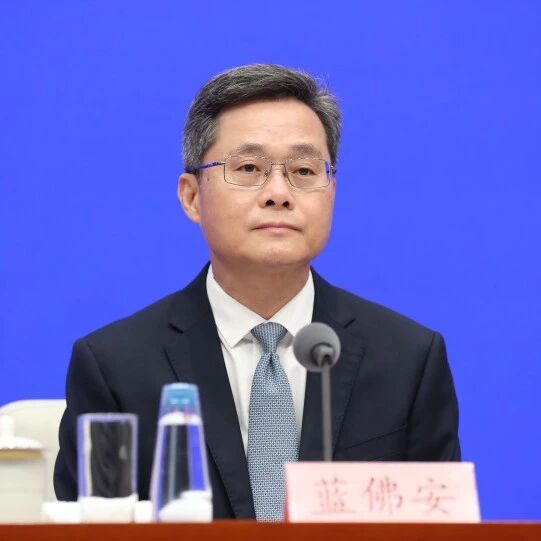
蓝佛安回应政府负债问题
中国基金报· 2025-09-12 09:14
Core Viewpoint - The article emphasizes the importance of fiscal policies in improving people's livelihoods and highlights the achievements of China's fiscal reforms during the "14th Five-Year Plan" period, focusing on equitable distribution and accessibility of public services [2][3]. Fiscal Debt Overview - As of the end of 2024, China's total government debt is projected to reach 92.6 trillion yuan, comprising 34.6 trillion yuan in national bonds, 47.5 trillion yuan in local government legal debt, and 10.5 trillion yuan in local government hidden debt, resulting in a government debt ratio of 68.7% [1]. Focus on Livelihood Improvement - The fiscal policy prioritizes funding towards areas that directly impact the well-being of the populace, with over 70% of the general public budget allocated to social welfare [3]. Key Areas of Focus Fairness in Social Security - The government has expanded social security coverage, with over 1.07 billion people enrolled in basic pension insurance and 1.327 billion in basic medical insurance. The financial subsidy for residents' medical insurance has increased from 580 yuan to 700 yuan per person annually, and the minimum living standards for rural and urban residents have risen by approximately 20% [4]. Balance in Public Services - The scale of equalization transfer payments is set to grow from 1.9 trillion yuan in 2021 to 2.7 trillion yuan by 2025, averaging a 9.6% annual increase. All administrative villages now have access to paved roads, and public services in rural areas are being rapidly improved [5]. Inclusivity in Education and Healthcare - All students in compulsory education are exempt from miscellaneous fees and receive free textbooks. Approximately 20 million economically disadvantaged students receive living subsidies, and funding exceeding 800 billion yuan has been allocated to enhance healthcare services [8]. Accessibility of Services - The government has implemented direct settlement for cross-province medical services, benefiting 560 million people and reducing out-of-pocket expenses by 590 billion yuan. Initiatives for elderly care and community services have also been introduced [9].
财政部:“十四五”以来民生领域财政投入占全国一般公共预算支出70%以上
Zhong Guo Xin Wen Wang· 2025-09-12 09:00
广告等商务合作,请点击这里 财政部:"十四五"以来民生领域财政投入占全国一般公共预算支出70%以上 中新网9月12日电 国新办12日举行"高质量完成'十四五'规划"系列主题新闻发布会,介绍"十四五"时期 财政改革发展成效。财政部部长蓝佛安在会上介绍,"十四五"以来,国家财政坚持在高质量发展中保障 和改善民生,民生领域财政投入占全国一般公共预算支出70%以上,资金更多、更直接地用到了老百姓 身上。这些年,财政部力求做到四个"突出"。 一是突出更加公平,织密"保障网",不断拓展保障范围、提高保障水平。截至目前,全国参加基本养老 保险的人数超过10.7亿人,参加基本医疗保险的人数达到13.27亿人,领取基本生活救助的群众有4500多 万人。我国已建成世界上规模最大、功能完备的社会保障体系。不仅保障范围越来越大,保障水平也在 不断提高。"十四五"时期,居民医保财政补助标准从每人每年580元增加到700元;全国农村、城市低保 标准均提高20%左右。同时,还创新建立救灾资金快速核拨机制,"十四五"时期共安排资金2.59万亿 元,全力帮助人民群众抗灾救险、恢复生产和生活。 二是突出更加均衡,调准"天平码",推动城乡、区域之 ...
财政部:“十四五”时期国家财政实力大大增强 未来财政政策发力空间依然充足
智通财经网· 2025-09-12 08:44
Group 1 - The core viewpoint of the article emphasizes the significant achievements in fiscal reform and development during the "14th Five-Year Plan" period, highlighting the proactive fiscal policies that support economic stability and growth [1][2][6] - The national general public budget revenue is expected to reach 106 trillion yuan, an increase of 17 trillion yuan or approximately 19% compared to the "13th Five-Year Plan" period [1][6] - The national general public budget expenditure is projected to exceed 136 trillion yuan, an increase of 26 trillion yuan or 24% compared to the "13th Five-Year Plan" period, with more funds directed towards major development and livelihood projects [1][6] Group 2 - Fiscal macro-control has become more proactive and effective, enhancing the adaptability of fiscal policies to economic conditions, thus supporting stable and healthy economic development [2][7] - The average economic growth rate over the past four years has been 5.5%, contributing approximately 30% to global economic growth [2][7] - The central government has arranged nearly 50 trillion yuan in transfer payments to local governments over five years, ensuring local fiscal stability [2][3] Group 3 - The fiscal policy has been adjusted to enhance counter-cyclical regulation and support long-term development momentum, with a focus on expanding domestic demand and promoting economic circulation [2][7] - The deficit ratio has increased from 2.7% to 3.8%, with further increases planned, and new local government special bond quotas of 19.4 trillion yuan have been arranged [2][15] - More than 10 trillion yuan has been allocated for tax reductions and refunds [2][15] Group 4 - The fiscal system reform aims to clarify responsibilities and enhance coordination between central and local finances, promoting regional balance [3][24] - The transfer payment system has been optimized to support high-quality development and ecological protection [3][24] - The central government has provided nearly 50 trillion yuan in transfer payments to local governments since the beginning of the "14th Five-Year Plan" [3][24] Group 5 - The fiscal policy has a clear focus on improving people's livelihoods, with significant allocations for education, social security, and healthcare [8][36] - The total fiscal expenditure for education is expected to exceed 25 trillion yuan during the "14th Five-Year Plan" period, representing a growth of approximately 38% compared to the "13th Five-Year Plan" [36] - The government has implemented various measures to enhance educational equity and quality, including increased funding for rural education and teacher training [36][38]
一文速览!蓝佛安最新发声:财政政策始终留有后手
Sou Hu Cai Jing· 2025-09-12 08:41
Core Insights - The financial strength of the country has significantly increased during the "14th Five-Year Plan" period, with general public budget revenue expected to reach 106 trillion yuan, an increase of 17 trillion yuan or approximately 19% compared to the "13th Five-Year Plan" period [3] - The government has maintained a reasonable debt ratio, with total government debt projected to be 92.6 trillion yuan and a debt ratio of 68.7%, indicating that risks are manageable [5] - The government is committed to enhancing fiscal policies to support high-quality economic development while ensuring risk management [4] Fiscal Policy and Management - The fiscal policy will continue to balance risk prevention and development promotion, with a focus on maintaining continuity and stability while enhancing flexibility and foresight [4] - The government plans to implement a debt management mechanism that aligns with high-quality development, including measures to reduce existing hidden debts and manage new local government debt limits [6][7] Investment in Public Welfare - The government has allocated 1 trillion yuan for childcare subsidies and 200 billion yuan for gradually implementing free preschool education, addressing public concerns [9] - During the "14th Five-Year Plan" period, nearly 100 trillion yuan has been invested in public welfare, with significant allocations for education, social security, healthcare, and housing [10] Social Security and Support - China has established the world's largest and most comprehensive social security system, with over 1.07 billion people participating in basic pension insurance and 1.33 billion in basic medical insurance [11] - The central government has arranged nearly 50 trillion yuan in transfer payments to local governments during the "14th Five-Year Plan" period to ensure stable local fiscal operations [12] Infrastructure and Economic Growth - The government has issued 1.5 trillion yuan in special long-term bonds to promote infrastructure construction, supporting 150,000 projects [13] - A special bond issuance of 500 billion yuan is expected to leverage approximately 6 trillion yuan in credit [14] Innovation and Development - The government aims to innovate fiscal and tax policy tools to stimulate consumption and expand effective investment, thereby enhancing economic vitality [15] - The implementation of zero-based budgeting reform is intended to ensure accountability for spending and improve the efficiency of fund usage [16] Support for SMEs - Government financing guarantees have supported over 300,000 small and medium-sized technology enterprises in obtaining approximately 800 billion yuan in loans, with guarantee fees reduced to below 1% [17] Income Growth in Rural Areas - In poverty alleviation areas, the per capita disposable income of rural residents has increased by nearly 40% during the "14th Five-Year Plan" period, reaching 17,522 yuan in 2024 [18]
财政部:国家财政已拿出4200亿激发消费活力
2 1 Shi Ji Jing Ji Bao Dao· 2025-09-12 08:39
一是我国经济长期向好的趋势没有变,这决定了财政运行的基本盘,始终是坚实稳固的。 二是这些年我们积累了越来越多的宏观调控的经验,政策工具不断丰富,逆周期跨周期调节能力大大增 强。 三是随着重点领域风险防范制度机制进一步健全,以及存量风险逐步消化,财政应对未来挑战更有底 气、更加从容,这些都是我们做好财政工作的信心所在、优势所在。 今天(9月12日)下午,国务院新闻办公室举行"高质量完成'十四五'规划"系列主题新闻发布会。 财政部部长蓝佛安表示,"真金白银"激发消费活力。截至今年8月底,国家财政一共拿出约4200亿元, 带动各类商品销售额超2.9万亿元。安排专项资金,支持开展县域商业建设行动,引导释放乡村消费潜 能,"十四五"以来,乡村消费品零售额增长了24%。我们推出了育儿补贴、养老服务补贴等直接补贴, 对重点领域个人消费贷款和相关行业经营主体贷款给予贴息,让资源精准投向消费领域。完善免税店政 策体系,鼓励更多国货"潮品"走出去。优化离境退税政策,进一步降低起退点,提高现金退税金额,推 动扩大入境消费。 发布会上,中央广播电视总台央视记者提问:"十四五"期间我国财政宏观调控实现了很多新的突破,能 否详细介绍一下 ...
财政部:国家财政已拿出4200亿激发消费活力
21世纪经济报道· 2025-09-12 08:36
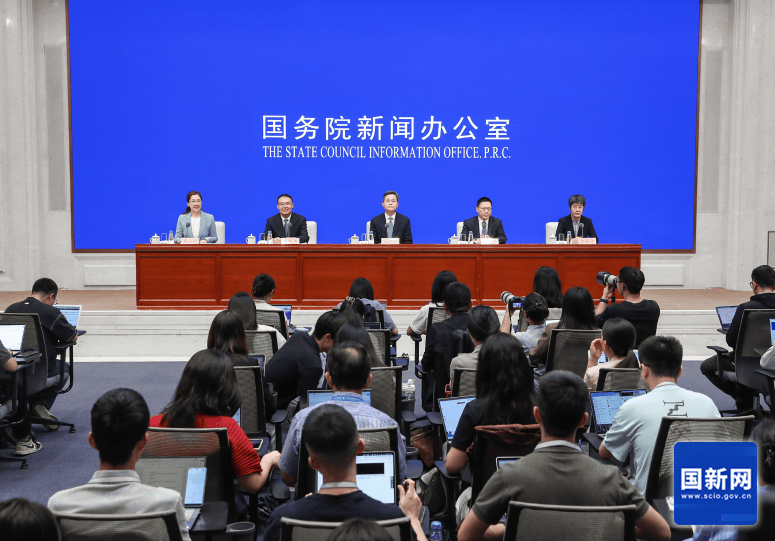
今天(9月12日)下午,国务院新闻办公室举行"高质量完成'十四五'规划"系列主题新闻发布 会。 财政部部长蓝佛安表示,"真金白银"激发消费活力。 截至今年8月底,国家财政一共拿出约 4200亿元,带动各类商品销售额超2.9万亿元。 安排专项资金,支持开展县域商业建设行动, 引导释放乡村消费潜能,"十四五"以来,乡村消费品零售额增长了24%。我们推出了育儿补 贴、养老服务补贴等直接补贴,对重点领域个人消费贷款和相关行业经营主体贷款给予贴息, 让资源精准投向消费领域。完善免税店政策体系,鼓励更多国货"潮品"走出去。优化离境退税 政策,进一步降低起退点,提高现金退税金额,推动扩大入境消费。 发布会上,中央广播电视总台央视记者提问:"十四五"期间我国财政宏观调控实现了很多新的 突破,能否详细介绍一下这几年财政宏观调控有哪些新的特点?下一步还有什么考虑? 蓝佛安介绍, 财政政策统筹考虑防风险和促发展,始终留有后手,未来财政政策发力空间依 然充足。 一是我国经济长期向好的趋势没有变,这决定了财政运行的基本盘,始终是坚实稳固的。 二是这些年我们积累了越来越多的宏观调控的经验,政策工具不断丰富,逆周期跨周期调节能 力大大增强 ...

蓝佛安发声,财政政策始终留有后手
Zhong Jin Zai Xian· 2025-09-12 08:35
Core Insights - The financial strength of the country has significantly increased during the "14th Five-Year Plan" period, with general public budget revenue expected to reach 106 trillion yuan, an increase of 17 trillion yuan or approximately 19% compared to the "13th Five-Year Plan" period [2] - The government has made substantial investments in people's livelihoods, with nearly 100 trillion yuan allocated for social welfare during the "14th Five-Year Plan" period [6] - The fiscal policy remains flexible and proactive, with ample room for future policy adjustments to support economic development [3][4] Financial Performance - General public budget expenditure is projected to exceed 136 trillion yuan, an increase of 26 trillion yuan or 24% compared to the previous five-year period [2] - The fiscal deficit rate has been raised from 2.7% to 4% during the "14th Five-Year Plan" period, reflecting a more aggressive fiscal policy stance [11] Debt Management - The government plans to implement a robust debt management mechanism, including early issuance of new local government debt limits for 2026 and measures to reduce hidden debt [5] - As of the end of June 2025, over 60% of financing platforms are expected to have exited, indicating progress in reducing hidden debt [17][18] Social Investment - The central government has allocated approximately 3,186 billion yuan for employment support, a 29% increase from the "13th Five-Year Plan" period, contributing to over 50 million new urban jobs [16] - By the end of this year, over 10.7 billion people are participating in basic pension insurance, and 13.27 billion in basic medical insurance, showcasing the extensive social security system [22] Economic Contribution - The country has contributed around 30% to global economic growth over the past four years, with an average economic growth rate of 5.5% [7][8] - The central government has arranged nearly 50 trillion yuan in transfer payments to local governments during the "14th Five-Year Plan" period, ensuring stable local fiscal operations [9] Future Outlook - The Ministry of Finance aims to enhance macroeconomic regulation efficiency and deepen fiscal and tax reforms in the upcoming "15th Five-Year Plan" period [10] - The government plans to innovate fiscal and tax policy tools to stimulate domestic demand and enhance economic vitality [14]
财政部:今年安排1000亿元发放育儿补贴
2 1 Shi Ji Jing Ji Bao Dao· 2025-09-12 08:31
9月12日,国务院新闻办公室今天下午举行"高质量完成'十四五'规划"系列主题新闻发布会。发布会 上,财政部部长蓝佛安介绍,今年,国家财政安排1000亿元发放育儿补贴、200亿元逐步推行免费学前 教育,积极回应人民群众关切。可以说,不论是繁华都市还是偏远乡村,从咿呀学语的孩童到耄耋之年 的老人,都能享受到越来越多、越来越好的民生保障。 (原标题:财政部:今年安排1000亿元发放育儿补贴) ...
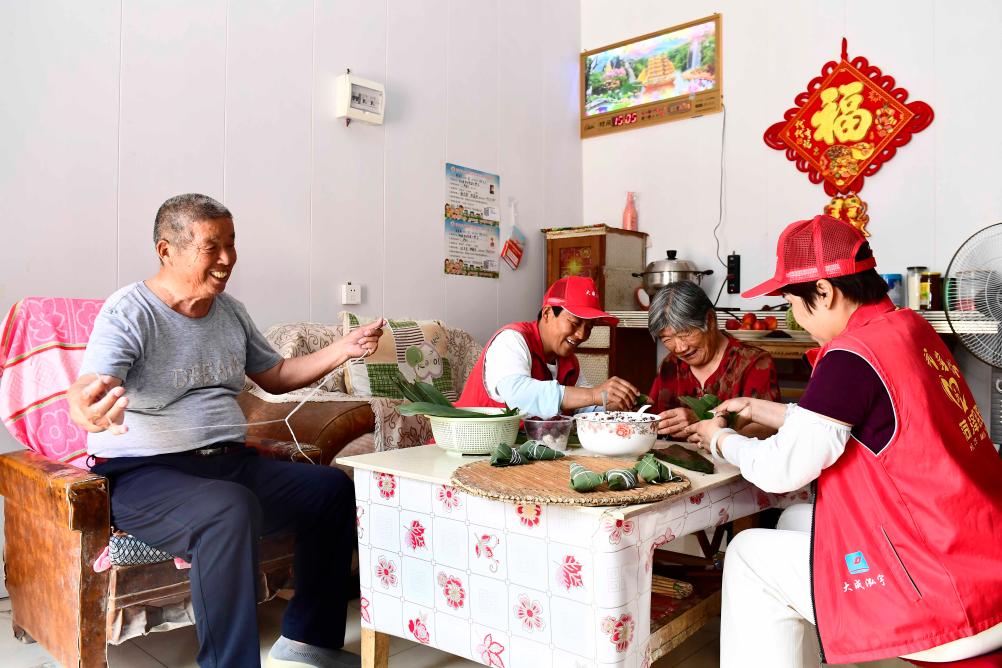
财政部蓝佛安:国家财政账本里,分量最重、成色最足的始终是民生
2 1 Shi Ji Jing Ji Bao Dao· 2025-09-12 08:17
(原标题:财政部蓝佛安:国家财政账本里,分量最重、成色最足的始终是民生) 9月12日,国务院新闻办公室今天下午举行"高质量完成'十四五'规划"系列主题新闻发布会。发布会 上,财政部部长蓝佛安介绍,国家财政账本里,分量最重、成色最足的始终是民生。今年,国家财政安 排1000亿元发放育儿补贴、200亿元逐步推行免费学前教育,积极回应人民群众关切。可以说,不论是 繁华都市还是偏远乡村,从咿呀学语的孩童到耄耋之年的老人,都能享受到越来越多、越来越好的民生 保障。 ...