
人工智能医疗

Search documents
创新医疗涨停!国家医保局新增脑机接口收费项目,公司持首个植入式临床试验
Sou Hu Cai Jing· 2025-08-05 06:34
创新医疗主要涉及脑机接口、医疗服务、医疗器械、人工智能医疗等概念板块。 注:本内容由算法自动生成,不构成投资建议。 根据异动分析,可能的影响因素如下: 国家医保局制定新上市药品首发价格机制,新增"脑机接口置入费""脑机接口适配费"等价格项目,脑机 接口技术成熟获批进入临床后可快速进入临床应用并收费;创新医疗为国内首个植入式脑机接口多中心 临床试验(2024年6月获批,针对高位截瘫)持有者,拥有Ⅲ类医疗器械注册证(癫痫干预系统),落 地场景包括天坛医院临床治疗、泰康养老社区监护。 截至14时0分,创新医疗涨幅为10.03%,最新价16.23元,总市值71.62亿元,封板资金11.88亿元,成交 额13.86亿元,换手率21.52%,所属行业为医疗服务。 ...

3.9亿融资!创新AI医疗技术公司完成C轮
思宇MedTech· 2025-08-04 09:18
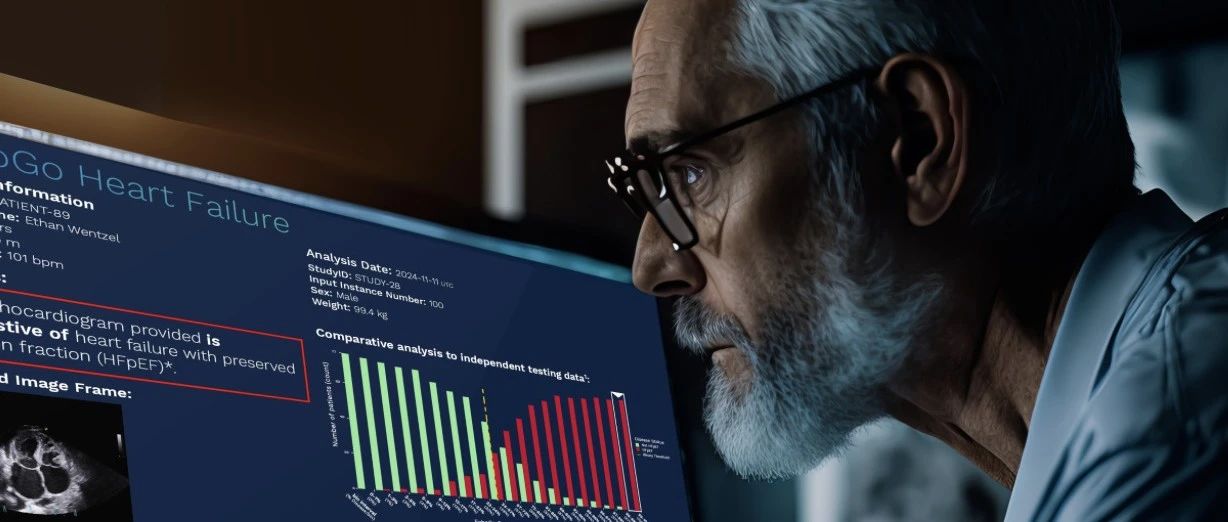
Core Viewpoint - Ultromics has successfully completed a $55 million Series C funding round, marking a significant milestone in the global expansion of its AI heart failure diagnostic platform, EchoGo® [1][8][13] Group 1: Company Overview - Ultromics, founded in 2017 and based in Oxford, UK, is a leading AI medical technology company focused on cardiac imaging [5][7] - The company aims to address the diagnostic challenges in heart diseases, particularly in the areas of HFpEF and cardiac amyloidosis [5][10] Group 2: Product and Technology - EchoGo® utilizes non-invasive imaging techniques and deep neural networks to automatically identify disease features in echocardiograms [7] - The platform has received FDA approval and is included in the Medicare reimbursement system, covering difficult-to-diagnose heart failure types [7][9] - EchoGo® has analyzed over 430,000 samples and has shown a 73% improvement in accuracy for HFpEF diagnosis compared to traditional clinical scoring [7][11] Group 3: Market Strategy - The recent funding will accelerate Ultromics' deployment in the U.S. market, focusing on regions with high heart failure burdens [8] - The company has established partnerships with top medical institutions to create a regional heart failure screening network [8][12] Group 4: Payment Mechanism and Compliance - Ultromics is one of the first AI cardiac diagnostic platforms to achieve FDA approval and Medicare payment pathways, enhancing hospital adoption willingness [9] - The reimbursement structure provides a dual benefit of cost and efficiency for healthcare payers [9][11] Group 5: Future Expansion Plans - Ultromics plans to expand the EchoGo® platform to cover more structural heart diseases and collaborate with pharmaceutical companies for algorithm development [10][12] - The company is exploring interfaces with remote cardiac ultrasound platforms and wearable device manufacturers to enhance its technology's application potential [12] Group 6: Industry Impact - The $55 million funding signals a transition of AI medical technology from pilot phases to large-scale deployment, potentially transforming cardiovascular medicine [13]

华为加码AI医疗 “军团化打法”如何推动产业化?
2 1 Shi Ji Jing Ji Bao Dao· 2025-07-31 11:26
Core Insights - The 2025 World Artificial Intelligence Conference (WAIC) highlighted AI's transformative role in healthcare, focusing on four dimensions: auxiliary diagnosis, clinical practice, model innovation, and drug discovery [1] - Huawei has established a healthcare division to integrate AI technology deeply into the medical sector, exemplified by the RuiPath pathology model, which covers 90% of annual cancer cases in China [1][2] Group 1: AI in Healthcare - The RuiPath pathology model, developed in collaboration with Shanghai Ruijin Hospital, is China's first clinical-grade multimodal pathology model, achieving state-of-the-art results in 7 out of 14 diagnostic tasks [1] - The model is based on over 1.03 million digital pathology slices accumulated since 2021, providing a robust foundation for training [3] - Huawei's ModelEngine toolchain has reduced the application launch cycle for single cancer diagnoses from 10 days to 2 days, emphasizing efficiency in data engineering [3] Group 2: Market Potential and Strategy - The market for AI intelligent diagnostic products in China is projected to reach nearly 20 billion yuan in the B2B and B2G sectors from 2025 to 2029, with the C2B market potentially exceeding 70 billion yuan annually [4] - Huawei's "legion-style" strategy involves deep collaboration with 62 leading hospitals to innovate AI solutions tailored to specific medical specialties [4][5] - The ChatZOC ophthalmology model and the Dingbei Health model are examples of Huawei's initiatives to enhance healthcare accessibility and proactive health management [5]
实探北京昌平国际医疗器械城:千亿产业高地如何打造
Zheng Quan Shi Bao Wang· 2025-07-21 09:36
在北京昌平区,一片占地120余万平方米的产业新城正悄然崛起,成为全球高端医疗器械创新版图上的 重要坐标。 日前,证券时报记者实地探访了由昌发展集团运营管理的国际医疗器械城,以揭开这座产业高地高速发 展的密码。 2024年,北京市昌平区医疗器械产业年产值突破144.5亿元,占北京医疗器械规上企业总产值的40%。 按照计划,借助国家药监局器审中心创新服务站、医疗器械CMO平台等专业服务平台,昌平区创新医 疗(002173)器械平均上市周期缩短,正在实现从"实验室成果"到"临床应用"的加速进阶。 百亿产值的产业引擎 昌平,"京师之枕",如今又在崛起一座"医械硅谷"。 步入国际医疗器械城园区,现代化厂房与研发中心鳞次栉比。爱美客(300896)、佰仁医疗、爱博医 疗、图湃医疗、威高等数十家高精尖企业,已经在此形成集聚效应。这些企业深度布局脑机接口、植介 入器械、人工智能医疗、体外诊断、生物医用材料等前沿核心领域。 这里不仅是产业载体,更是制度创新的试验田。由于医疗器械研发周期长、成果转化难是行业痼疾,如 何通过制度创新破题,成为关键突破口。 昌发展相关负责人表示,园区通过国家药监局器审中心创新服务站、北京市药品医疗器 ...
还有免费票!参会须知:第二届全球医疗科技大会
思宇MedTech· 2025-07-15 09:19
Conference Overview - The conference is scheduled for July 17, 2025, starting at 9:00 AM with registration beginning at 8:00 AM [2][6] - The venue is located at the Beijing Zhongguancun National Independent Innovation Demonstration Zone Exhibition Center [3] - Attendees are advised not to drive due to limited parking availability [4] Agenda Highlights - The conference will feature a series of keynote speeches and discussions from various experts in the medical technology field [7][12] - Notable speakers include: - Wang Hao, Director of the Technology Department at Beijing Tiantan Hospital [9] - Zhao Yangguang, Deputy Director of the Biotechnology Department at the China Academy of Information and Communications Technology [9] - Wang Zaicun, Chief Analyst in the Medical Device and Service Sector at CITIC Securities [9] - The agenda includes topics such as: - "Building an Innovative Ecosystem in Hospitals" by Wang Hao [15] - "AI Technology in Cardiac Intervention Ultrasound" by Zhang Jihong, CEO of Ice Crystal Intelligent [16] Registration Information - Attendees can register for free using a discount code "SYMedTech" [23] - The registration link is provided for easy access to sign up [23]
在家门口看病,AI医疗让梦想照进现实
虎嗅APP· 2025-07-14 10:01
Core Viewpoint - The article highlights the transformative impact of AI in healthcare, particularly through the Tianjin AI Health Community model, which enhances patient management, reduces medical costs, and improves healthcare service efficiency [1][9][10]. Group 1: AI Health Community Model - The Tianjin AI Health Community has over 1 million health members, significantly improving the health status of chronic disease patients while enhancing the service capabilities of grassroots medical institutions [1][6]. - The model operates on a "per capita total payment" health responsibility system, incentivizing hospitals and doctors to manage residents' health effectively, thereby controlling the growth of medical expenses [9][10]. - The AI hospital serves as the engine of the health community, providing comprehensive AI-driven services across various healthcare processes, leading to improved health outcomes and reduced costs [10][8]. Group 2: Strategic Collaborations - Recently, the company signed a comprehensive cooperation agreement with Shanghai Jiao Tong University and its medical school to establish a medical AI research institute and an AI hospital, aiming to integrate their strengths in AI research and medical services [2][19]. - This collaboration is expected to create a "nuclear fusion" effect, enhancing the efficiency and precision of medical solutions and accelerating the transformation of AI in healthcare [20][18]. Group 3: Historical Context and Future Prospects - The company has a history of addressing healthcare pain points, such as the difficulty of accessing medical services, and has been a pioneer in establishing internet hospitals in China [12][13]. - The Tianjin model is seen as a potential template for nationwide replication, addressing common challenges in healthcare, such as the rising prevalence of chronic diseases and the increasing burden on medical insurance funds [14][21]. - The ongoing evolution of AI in healthcare is anticipated to lead to a significant shift in the industry, with a focus on preventive care and comprehensive health management [16][18].

AI儿童全科医生来了,如何补足儿科基层医疗短板
Di Yi Cai Jing· 2025-06-28 15:23
Core Insights - The article discusses the launch of an AI pediatric general practitioner by Xinhua Hospital in collaboration with SenseTime, aimed at empowering grassroots pediatricians in China [1][2] - It highlights the existing challenges in children's health services, including uneven resource distribution and the need for improved diagnostic capabilities among primary care physicians [1] Group 1: AI Pediatric General Practitioner - The AI pediatric general practitioner is designed to provide comprehensive services, from daily parenting guidance to disease diagnosis suggestions [1] - It serves two main purposes: acting as a virtual family pediatrician for parents and assisting grassroots pediatricians to enhance their diagnostic skills [1] Group 2: Limitations of General Models - General models like DeepSeek have limitations in the medical field, including insufficient professional knowledge and significant "hallucination" issues [2] - The newly released specialized medical model has undergone compliance cleaning and population validation, demonstrating clinical-level reasoning capabilities [2] Group 3: Training and Data Utilization - The AI pediatric general practitioner model incorporates extensive data training and specialized medical task training to enhance the precision of complex clinical reasoning [2] - It features an age-adaptive interaction module that provides management across seven age groups, tailored to developmental characteristics [2]
新一轮融资!国产眼底设备公司完成C轮
思宇MedTech· 2025-06-25 09:06
Core Insights - The article highlights the advancements of Nanjing Bosh Medical Technology Co., Ltd. in the field of ophthalmic devices, particularly through its innovative adaptive optics technology, which has been successfully commercialized after years of research and development [1][3][8] Company Overview - Nanjing Bosh Medical was established in 2017 and focuses on integrating optical engineering, adaptive optics, eye tracking, and AI algorithms into ophthalmic device development [1][3] - The company recently completed a Series C financing round to support product iteration, market expansion, and global layout in the ophthalmic diagnostic equipment sector [1][3] Technological Advancements - The adaptive optics technology, originally from astronomy, has been refined by Bosh Medical to achieve a device size reduction to 1/50 of traditional systems and a manufacturing cost reduction to 1/20, enabling commercial viability [3][4] - The "Star Mirror®" system developed by Bosh Medical offers a resolution of 0.7μm, which is nearly ten times better than conventional devices, allowing for detailed observation of retinal structures [3][4] Clinical Applications - The "Star Mirror®" system has been utilized in clinical settings to detect early cell loss in hereditary retinal diseases, providing timely intervention opportunities that traditional devices often miss [4][6] - The system also enables dynamic observation of retinal blood flow, offering critical insights for early diagnosis of vascular diseases like diabetic retinopathy [4][6] Product Matrix Development - Bosh Medical is building a comprehensive product matrix that includes diagnostic, treatment, and preventive solutions, such as the "Zhi Guang®" intelligent navigation laser device, which integrates real-time imaging and AI-assisted treatment planning [7][8] - The company aims to create a closed-loop system for eye health that addresses various age-related needs, reflecting a strategic shift from a single-technology focus to a comprehensive solution provider [7][8] Market Positioning - The ophthalmic medical device market is undergoing structural changes, with a significant unmet clinical demand due to a high prevalence of eye diseases and a lack of domestic alternatives to imported high-end equipment [8] - Bosh Medical's strategy emphasizes technological originality and a dual-track deployment model, focusing on top-tier research institutions and hospitals to validate its technology and establish academic credibility [8]
首个AI儿科医生落地北京基层医院
Yang Guang Wang· 2025-06-11 08:18
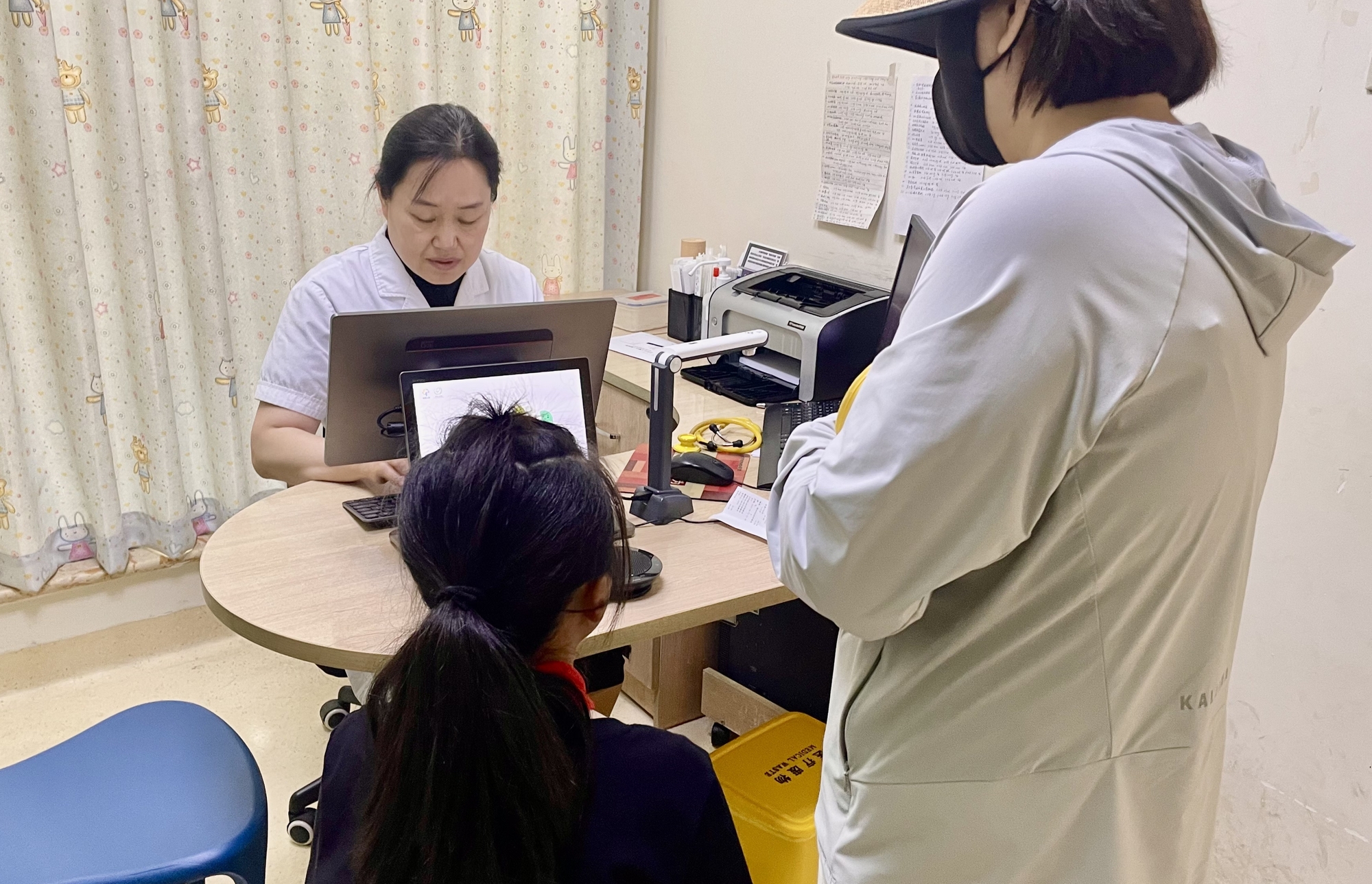
Core Insights - The introduction of the first AI pediatric doctor in Beijing marks a significant advancement in the application of artificial intelligence in healthcare, particularly in primary care settings [1][2] - The AI pediatric doctor operates in a dual collaboration model with human doctors, providing preliminary diagnoses and treatment recommendations based on patient symptoms [1][4] Group 1: AI Pediatric Doctor Features - The AI pediatric doctor has four main functions: proactive questioning, recommending tests, suggesting diagnoses, and proposing treatment plans [1][2] - It utilizes natural language processing technology to simulate evidence-based thinking of professional pediatricians, allowing for personalized medical advice through multiple rounds of inquiries [4] Group 2: Development and Support - Developed by the National Children's Medical Center and Beijing Children's Hospital, the AI pediatric doctor integrates clinical expertise from over 300 renowned specialists and high-quality medical records [2] - Beijing Children's Hospital will provide ongoing technical support to ensure the AI pediatric doctor meets the needs of primary care facilities, with plans to expand to 12 additional pediatric care units in Beijing [4][5] Group 3: Impact on Healthcare - The introduction of the AI pediatric doctor is expected to enhance pediatric specialty development in Fangshan District, addressing the shortage of pediatricians and uneven diagnostic capabilities in primary care [4] - The dual model of "real doctor + AI doctor" aims to improve pediatric diagnostic capabilities across various healthcare settings, including regional medical centers and community hospitals [5]
质子大模型领航!美中嘉和(02453.HK)开启肿瘤诊疗智能新纪元
Zhong Jin Zai Xian· 2025-05-28 02:03
Core Insights - The article highlights the significant breakthrough of Meizhong Jiahe (02453.HK) in the field of tumor precision diagnosis and treatment, particularly with the launch of its self-developed proton therapy vertical large language model [1][4] - The deployment of this model at Guangzhou Taihe Tumor Hospital marks a milestone in the intelligentization of tumor medical services, showcasing the company's strong technical capabilities and immense commercial potential [1][4] Company Developments - Meizhong Jiahe's subsidiary, Beijing Hexin Kang Technology Co., Ltd., established in 2015, focuses on improving medical services through artificial intelligence technology [1] - The proton large model is a pioneering achievement in the proton therapy vertical field, establishing industry technical standards and filling a gap in the market [1][3] Application and Impact - The proton large model has been successfully implemented at Guangzhou Taihe Tumor Hospital, which is the first clinical center in South China equipped with the Varian ProBeam proton radiation therapy system [2] - The model's training data is sourced from the hospital's clinical processes, ensuring accuracy and relevance, which enhances the efficiency of "human-machine collaboration" in treatment [2] Future Plans - The development plan for the proton large model extends beyond proton therapy, aiming to create an AI diagnostic matrix covering the entire lifecycle of tumor screening, diagnosis, treatment, and rehabilitation [3] - This approach allows Meizhong Jiahe to improve the efficiency and quality of its medical services while also enabling diverse collaborations with other medical institutions through technology licensing and remote diagnostic support [3] Market Position - As the first company in Hong Kong to engage in proton therapy, Meizhong Jiahe has established a strong competitive barrier in the tumor diagnosis and treatment sector [4] - The launch of the proton large model elevates the company's advantages, redefining industry standards and accelerating the intelligent transformation of the tumor medical industry [4]