医工融合

Search documents
广东医科大学校长肖炜:以科技创新赋能广东高质量发展
Nan Fang Du Shi Bao· 2026-02-25 01:01
Group 1 - The Guangdong Provincial High-Quality Development Conference emphasizes the collaborative development of manufacturing and service industries to promote high-quality growth and set a strong foundation for the 14th Five-Year Plan [1] - Guangdong Medical University aims to support the upgrade of the biomedicine industry and health initiatives by focusing on "intelligent medicine and medical artificial intelligence" and "marine medicine and tropical medicine" [1] - The university plans to cultivate high-quality talent needed in the industry by integrating education, technology, and talent development, with a focus on "AI+" as a core direction for reform and innovation [1] Group 2 - The university is building a high-level innovation platform that aligns with national marine strategies and major health needs, enhancing collaboration with leading enterprises and research institutions in the Greater Bay Area [2] - A comprehensive innovation ecosystem is being developed, integrating basic research, technology breakthroughs, result transformation, and talent support to enhance regional technological competitiveness [2] - The university is committed to providing high-quality healthcare services by leveraging its strategic location and comprehensive medical capabilities, establishing a regional health security system that integrates medical and preventive care [2] Group 3 - Guangdong Medical University positions itself to actively contribute to the province's high-quality development and aims to play a leading role in the modernization of China [3]
齐聚厦门,世界顶尖心脏专家为何盛赞“中国方案”?
Xin Lang Cai Jing· 2026-02-01 23:26
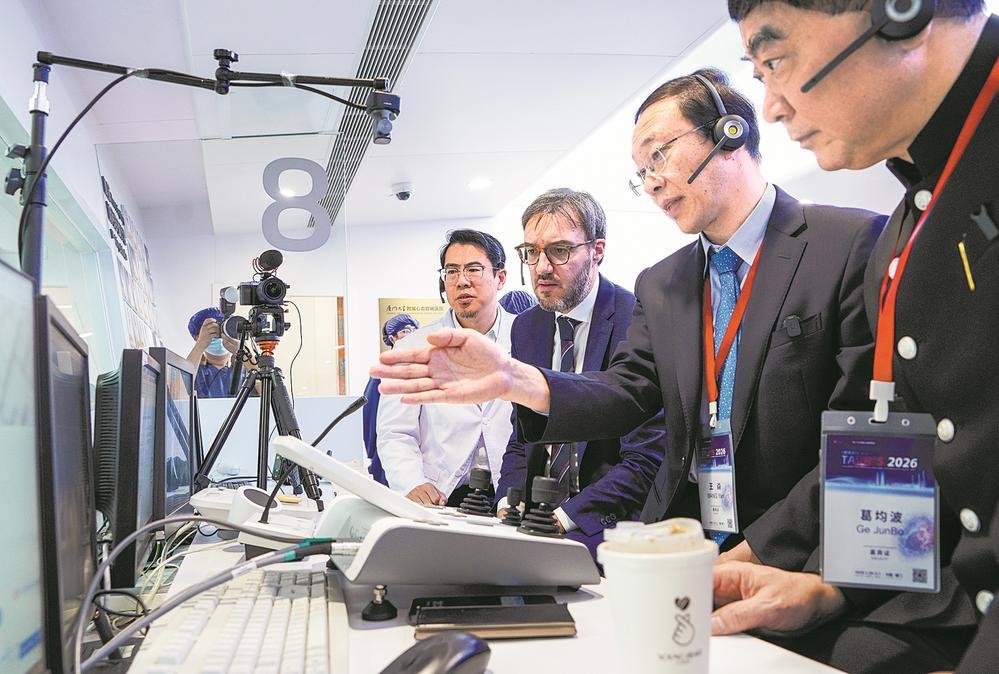
Core Insights - The TAVR^2S 2026 International Summit showcased a groundbreaking surgery using a domestically developed robotic system for minimally invasive mitral valve repair, highlighting China's advancements in structural heart disease treatment [1][2] - The event marked a significant transition for China from being a "follower" to a "leader" in the field of valve intervention, with notable achievements in aortic and tricuspid valve technologies [2][3] Technological Breakthroughs - China has moved from a "follower" to a "leader" in valve intervention, with significant advancements in domestic devices, particularly in tricuspid valve development [2] - The robotic-assisted transcatheter mitral valve repair surgery demonstrated at the summit represents a key milestone, utilizing high-precision robotic arms and 5G technology for real-time operations [2][3] - Since the first clinical application in 2023, over 20 related surgeries have been performed, indicating a critical leap in the field of cardiovascular intervention robotics [3] Medical-Engineering Integration - The acceleration of innovation in China is attributed to a robust medical-engineering integration ecosystem, where clinical challenges are directly translated into technical solutions [4][6] - The practice at Xiamen Heart Hospital exemplifies this integration by transforming the operating room into a "first laboratory," fostering collaboration between clinical experts and engineering teams [4] Global Outreach - The summit highlighted China's leading position in structural heart disease intervention, facilitating equal exchanges with international peers [6][7] - The establishment of the "BRICS Innovation Medical Device Training and Application Demonstration Center" aims to promote Chinese solutions globally, providing academic support and clinical training to emerging markets [6][7] - Xiamen Heart Hospital is actively working to introduce its robotic technology to the U.S. market, despite regulatory challenges, emphasizing the importance of standardization and experience sharing [7]

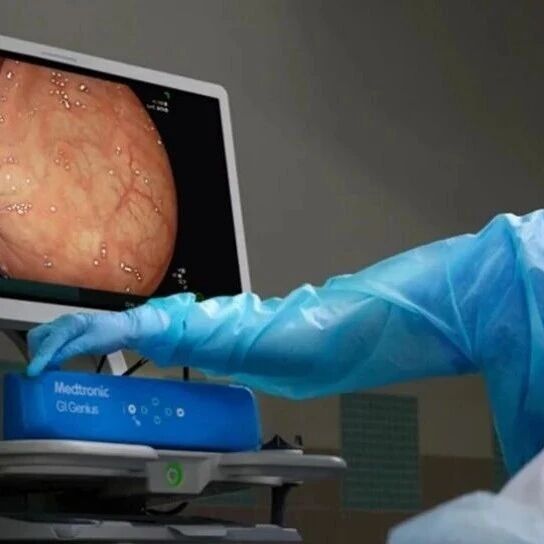
诚邀合作!第二届全球眼科大会
思宇MedTech· 2026-01-31 01:10
Core Viewpoint - The Second Global Ophthalmology Conference 2026 will be held on June 11, 2026, in Beijing, focusing on the integration of medicine and engineering, technological innovation, and clinical value in the ophthalmology industry [1]. Event Overview - The conference will cover various fields including ophthalmic imaging, refractive and myopia treatment, innovative therapies, surgical techniques, and preclinical validation [1]. - The event will also open applications for the "2026 Global Ophthalmology Annual Awards" and invite teams to co-author the "Global Ophthalmology Innovation White Paper" [2]. Conference Highlights - The conference will feature the release of the "2026 Global Ophthalmology Innovation White Paper" and the awarding of the "Ophthalmology Innovation Series Awards" to establish industry benchmarks [7]. - There will be premium exhibition spaces for sponsors to engage with high-quality decision-makers, product demonstrations, and collaboration opportunities [7]. - An "Innovation Demo Hour" will allow selected innovative teams to present their projects in 5-10 minute high-density pitches, addressing investment and collaboration needs [14]. Thematic Focus Areas - **Next-Generation Ophthalmic Imaging and AI**: This section will explore the integration of imaging and algorithms, focusing on academic advancements and practical applications [11]. - **Refractive and Myopia**: This segment will address the largest commercial segment in China's ophthalmology industry, discussing refined surgical developments and comprehensive strategies for myopia prevention [13]. - **Surgical Innovations**: This part will showcase the next-generation technologies in ophthalmic surgery, including robotics and real-time imaging [13]. - **Device Development and Preclinical Validation**: This section will present the system of "industrial service chains" to assist R&D and innovation companies in resource matching [13]. Participant Demographics - The conference will attract a diverse audience, including academic teams with recent research outcomes, engineering teams with prototype products, and early-stage innovative companies [16].
上海“90后”创业者见证康复医疗行业蝶变:技术回归临床
Sou Hu Cai Jing· 2026-01-28 11:03
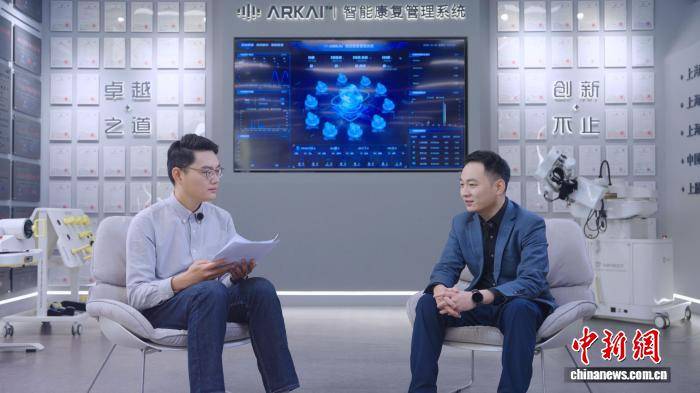
Core Viewpoint - The rehabilitation medical industry in China is undergoing significant transformation driven by technological innovation and a focus on clinical needs, as evidenced by the experiences of young entrepreneurs like Wang Daoyu [1][10]. Group 1: Industry Challenges - The rehabilitation medical industry faced initial challenges such as weak supply and heavy reliance on imports, particularly for high-end rehabilitation robots, which were scarce and expensive [2]. - The core contradiction in the industry was the imbalance between patient rehabilitation needs and the insufficient supply of quality rehabilitation resources, especially products tailored to local clinical scenarios [2]. - The industry is characterized by long development cycles and high investment requirements, with product development taking over four years from research to market launch [4][5]. Group 2: Technological Innovation - The focus of technological innovation has shifted from complex structures to addressing clinical needs, emphasizing the importance of practical solutions for patients [6]. - Innovations include the application of eye-tracking technology for rehabilitation training and AI integration for dynamic adjustment of rehabilitation plans based on patient data [6]. - Full-stack self-research is identified as a key direction for technological innovation, aiming to reduce costs and enhance adaptability through proprietary technology [6]. Group 3: Industry Standards and Collaboration - The establishment of industry standards is crucial for the healthy development of the rehabilitation medical field, as early practitioners played a significant role in drafting relevant standards [7]. - Collaboration among industry, academia, and research institutions is essential for aligning technology development with clinical needs and accelerating the translation of technological achievements [7]. Group 4: Future Trends - The rehabilitation medical industry is expected to extend from institutional settings to home care, with a growing demand for practical home rehabilitation products [8]. - Achieving equal access to rehabilitation services across different regions is a key challenge, with the potential for "robot + IoT" models to provide remote rehabilitation services [9]. - The internationalization of Chinese rehabilitation medical technology is seen as viable, with industry alliances suggested as a means to enhance global competitiveness and market access [9]. Group 5: Entrepreneurial Insights - Patience and adherence to core values are emphasized as essential qualities for those entering the rehabilitation medical field, highlighting the importance of a supportive innovation ecosystem [10]. - The rich innovation resources and supportive policies in regions like Shanghai provide a solid foundation for the development of the rehabilitation medical industry [10].

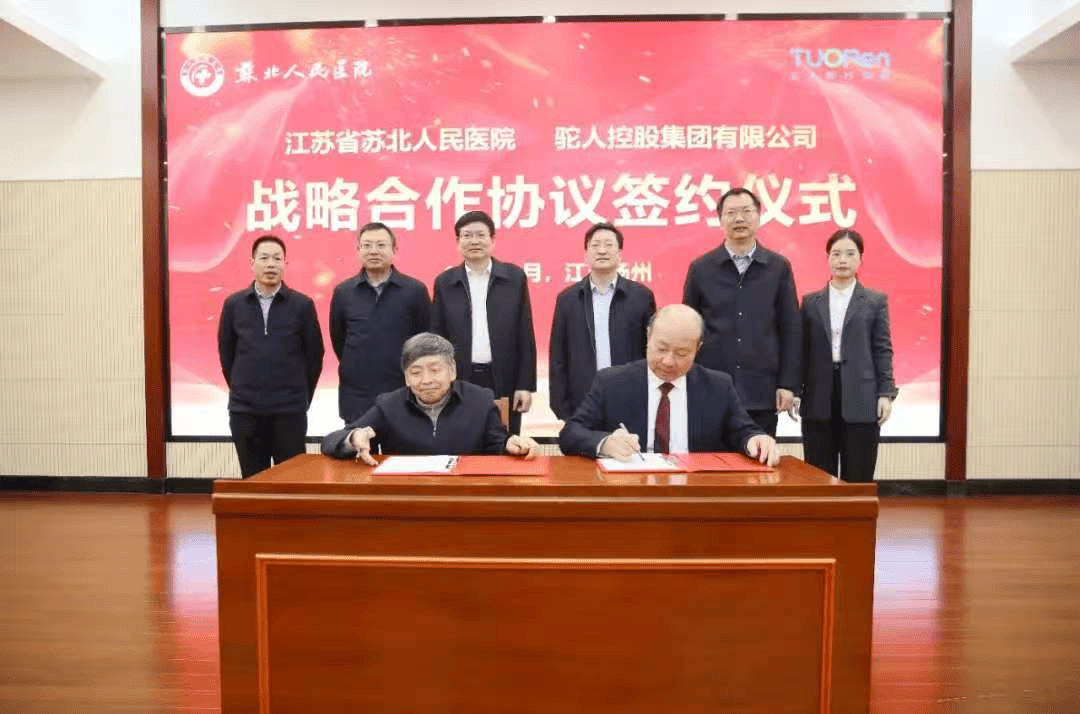
扬州:院企“联姻”医工融合 激活科创发展强引擎
Sou Hu Cai Jing· 2026-01-06 10:27
Core Viewpoint - The strategic cooperation between Su Bei People's Hospital and Tuo Ren Holding Group marks a significant step towards enhancing healthcare innovation and integration in the Yangzhou region, contributing to the "Healthy Yangzhou" initiative [1][4]. Group 1: Strategic Cooperation - The partnership is described as a "marriage" between the two entities, emphasizing the importance of technological reform and medical-industrial integration in the local healthcare system [1]. - This collaboration aims to address the bottlenecks in the transformation of scientific achievements by integrating social resources and focusing on joint technological breakthroughs and talent cultivation [4]. Group 2: Goals and Objectives - The cooperation seeks to establish a "triangular" model of collaborative development that connects clinical needs, research innovation, and industrial transformation, aligning with national strategies for technological self-reliance [4]. - The initiative is expected to significantly enhance the hospital's research innovation efficiency and clinical service capabilities, propelling it towards becoming a high-level research hospital [4]. Group 3: Impact on Local Healthcare - The partnership is seen as a model for deep integration of production, education, research, and medicine, driven by actual clinical needs, which is highly supported by local health and technology authorities [5]. - It aims to accelerate the development of innovative medical products with high clinical value, improving healthcare services in Yangzhou and surrounding areas [5]. - The collaboration is anticipated to attract and cultivate high-end talent in the biomedicine sector, enhancing the overall competitiveness and cluster effect of Yangzhou in this industry [5].
AI遇上医疗健康守护如何注入新活力?
Zheng Zhou Ri Bao· 2026-01-05 17:32
Group 1 - The integration of AI in medicine and engineering is accelerating drug development, enhancing clinical precision, and driving innovation in the healthcare industry, providing stronger technological support for public health [1] - The newly launched AI drug development platform "AI Kongming" has shown significant improvements in candidate molecule hit rates and optimization efficiency, achieving several times to tens of times better results compared to traditional processes [2] - AI technologies are increasingly applied across various medical fields, including drug development, medical imaging, disease diagnosis, and health monitoring, demonstrating a broad impact on healthcare [3] Group 2 - Pharmaceutical companies like Shijiazhuang Pharmaceutical Group and Heng Rui Medicine are establishing AI research departments to expedite drug target discovery and clinical trial processes [4] - Platforms for innovation in medical-engineering integration are being developed, such as the Suzhou Industrial Park's platform for transforming innovative results and Haier's health technology innovation platform, aimed at breaking down barriers between data, disciplines, and institutions [5] - National policies are being introduced to promote the deep integration of new information technologies with the pharmaceutical industry, including guidelines that recognize AI-assisted diagnosis as an extension of pathological diagnosis [5]
科学与健康|AI遇上医疗 健康守护如何注入新活力?
Xin Hua She· 2026-01-05 11:28
Group 1 - The integration of AI in healthcare is accelerating drug development, enhancing clinical precision, and driving innovation in the medical industry, providing stronger technological support for public health [1][2] - The AI platform "AI Kongming" has been launched, offering free access to databases related to global health challenges, significantly improving candidate molecule hit rates and optimization efficiency by several times compared to traditional processes [1][2] - AI technologies are increasingly applied across various medical fields, including drug development, medical imaging, disease diagnosis, and health monitoring, showcasing their versatility and potential impact [2][3] Group 2 - Major pharmaceutical companies like Shijiazhuang Pharmaceutical Group and Hengrui Medicine are establishing AI research departments to accelerate drug target discovery and clinical trial processes [3][4] - The establishment of innovation platforms, such as the one in Suzhou Industrial Park, aims to facilitate the transformation of medical and engineering innovations, breaking down barriers between data, disciplines, and institutions [4][5] - National policies are being introduced to promote the integration of new information technologies with the pharmaceutical industry, enhancing the application of AI in clinical settings [4][5]
山东省举办“春雨行动”—医疗器械临床研究成果转化推进活动
Qi Lu Wan Bao· 2026-01-05 09:52
Core Insights - The "Spring Rain Action - Medical Device Clinical Research Results Transformation Promotion Conference" was held in Jinan, focusing on high-quality development paths for the medical device industry [1] - The establishment of the Shandong Medical Device Review and Inspection Center marks a significant advancement in the province's medical device review and inspection system, providing robust support for industry innovation [1] - The conference introduced a series of forward-looking policy measures aimed at promoting the high-quality development of the pharmaceutical and medical device industry in Shandong [1] Group 1 - The conference featured the unveiling of ten innovative results selected by the "Spring Rain Action," with five medical institutions and five quality enterprises signing strategic cooperation agreements for clinical research results transformation [2] - Experts from the National Medical Products Administration elaborated on the policy implications and implementation paths of the "Spring Rain Action," presenting a comprehensive policy support system covering the entire lifecycle from research and development to production [2] - The event fostered in-depth exchanges among participants, creating a strong consensus within the industry and laying the groundwork for future collaborations [2] Group 2 - The conference established a collaborative innovation system integrating government, medical institutions, industry, academia, and research, providing systematic support for the high-quality development of the medical device industry [3] - The ongoing deepening of the "Spring Rain Action" and the effectiveness of the Shandong Medical Device Review and Inspection Center are accelerating the formation of a closed-loop integration of medical and industrial collaboration [3] - This initiative aims to contribute significantly to the construction of a health-oriented China and enhance the overall health level of the population [3]
会议通知(第二轮)| 医工融合分会2025年学术年会暨医工融合大湾区创新发展大会
机器人大讲堂· 2025-12-24 10:42
Core Viewpoint - The integration of medical and engineering fields is becoming a key driver for breakthroughs in high-end medical equipment and biopharmaceutical innovation, particularly in Zhuhai, which is positioned as a strategic hub in the Guangdong-Hong Kong-Macao Greater Bay Area [2]. Event Details - The "Medical-Engineering Integration Annual Conference 2025" will be held from December 26 to 28, 2025, in Zhuhai, Guangdong, aiming to promote high-quality development in the medical-engineering integration sector [2]. - The conference theme is "Jointly Inviting the Bay Area: Medical-Engineering Integration to Inspire the Future," focusing on creating a resource platform for collaboration among government, associations, hospitals, universities, research institutions, investment entities, and enterprises [2]. Organizing Institutions - The conference is guided by the China Medical and Health Culture Association and organized by Beijing Institute of Technology (Zhuhai), Zhuhai Health Bureau, and the Medical-Engineering Integration Branch of the China Medical and Health Culture Association [3]. Conference Highlights - The event will feature top scholars and industry leaders sharing insights on cutting-edge research and industry trends, fostering a collaborative ecosystem for project signing and talent introduction [60]. - A dedicated Zhuhai Medical-Engineering Integration Liaison Office will be established to provide ongoing support and services, including policy consultation and funding connections [60]. Main Content - The agenda includes leadership speeches, high-quality thematic forums, academic dialogues, and an award ceremony for outstanding orthopedic innovation projects [61]. - Resource matching sessions will be organized, including project roadshows and expert evaluations, along with site visits to local leading enterprises [61]. - Policy and service promotion will cover key industry policies in biomedicine, high-end medical equipment, and artificial intelligence [61].

一款AI内镜设备的转化路径长什么样?从临床需求到规模应用
思宇MedTech· 2025-12-20 01:11
Core Viewpoint - The article discusses the significant advancement in gastrointestinal endoscopy technology with the introduction of a domestic high-definition endoscope system combined with AI-assisted diagnostic capabilities in Xinjiang, China. This innovation aims to enhance the accuracy and efficiency of gastrointestinal disease screening and treatment in county-level medical settings, reducing the need for patients to travel to larger hospitals for care [1]. Part 1: Clinical Demand Discovery - The emergence of the AI-assisted gastrointestinal endoscopy system is driven by unmet clinical needs, particularly the challenge of early detection of small lesions in gastrointestinal cancer patients, which often leads to late-stage diagnoses [3][4]. - The system enhances lesion recognition, operational standardization, and diagnostic reliability through a collaborative approach involving doctors, equipment, and AI [5]. Part 2: Technical Solution Selection - Various technical paths were considered for the AI-assisted gastrointestinal endoscopy system, including software enhancements to existing equipment, hardware upgrades for improved imaging, and a combination of both [6][7]. - Path A focuses on adding AI capabilities to existing endoscope systems, exemplified by the GI Genius system, which has shown a 14.4% increase in adenoma detection rates [8]. - Path B involves upgrading hardware for better imaging quality, while Path C emphasizes a gradual approach starting with quality control before expanding to lesion detection [10][11]. Part 3: Cross-Disciplinary Team Collaboration - The development phase involves a collaborative ecosystem where algorithm engineers, hardware engineers, and clinical doctors work together to refine the AI system based on real-world clinical practices [14]. - Iterative prototyping and preclinical validation are crucial, with multiple stages of testing to ensure safety and effectiveness before clinical trials [15][16]. Part 4: Clinical Trials and Regulatory Approval - Clinical trials are essential for validating the safety and effectiveness of the AI-assisted endoscopy system, with early studies indicating significant improvements in adenoma detection rates [20][21]. - Regulatory bodies like the FDA and NMPA play a critical role in the approval process, focusing on the system's effectiveness, safety, and compatibility with existing medical devices [23][24]. Part 5: Productization and Clinical Application - After regulatory approval, the AI endoscopy product enters the commercialization phase, requiring adaptation to various hospital systems and ensuring compliance with medical device standards [30]. - Key players in this phase include manufacturing, marketing, and clinical support teams, with a focus on demonstrating clinical efficacy to encourage adoption [31]. Challenges and Key Factors - The commercialization process faces challenges such as high initial costs, skepticism from experienced doctors, and the need for standardized protocols to ensure consistent performance across different products [34][35]. - Long-term success in the market will depend on continuous innovation, collaboration within the industry, and the ability to demonstrate tangible clinical benefits to both doctors and patients [36].