大气污染防治

Search documents
2025年南京空气质量六项指标全部达标
Xin Lang Cai Jing· 2026-01-15 22:31
Core Viewpoint - Nanjing has made significant progress in air pollution prevention since the start of the 14th Five-Year Plan, with all six major air quality indicators expected to meet national secondary standards by 2025, including a notable reduction in PM2.5 levels from 78 µg/m³ in 2013 to 27.1 µg/m³ by 2025 [1][2][3] Group 1: Air Quality Improvement - Nanjing's air quality has shown a continuous improvement trend across all indicators and regions, with PM2.5 levels dropping below 35 µg/m³ since 2020 and maintaining national secondary standards for six consecutive years [2] - By 2025, PM2.5 annual average concentration is projected to further decrease to 27.1 µg/m³, ranking third in the province, while the proportion of days with good air quality is expected to rise to 87.4%, the highest in the province [2] - The number of days with ozone exceedances is expected to decrease by six days in 2025, with no moderate or severe pollution days, marking the first time ozone concentration indicators have met standards since the 14th Five-Year Plan [2] Group 2: Pollution Control Measures - Nanjing has implemented a series of scientific and precise pollution control measures, focusing on major polluters and promoting ultra-low emissions transformations in key industries, resulting in over a 50% reduction in total pollutant emissions [3] - The steel industry has seen nearly 20 billion yuan invested in ultra-low emissions transformations, recognized as a national positive case in the 2024 Central Ecological and Environmental Protection Inspection [3] - Innovative regulatory models for volatile organic compounds (VOCs) have been introduced, including "code exchange" for activated carbon and "code washing" for restaurant oil smoke, creating a comprehensive regulatory network [3] - To address the growing number of vehicles, Nanjing has employed a combination of measures such as subsidies for retiring old vehicles, increasing clean transport ratios, and enhancing oil and gas recovery governance [3] - In 2025, Nanjing successfully applied for over 100 million yuan in central air pollution prevention funds to support the replacement of old non-operational heavy-duty trucks and non-road mobile machinery [3] - Dust and surface pollution control has been normalized through advanced management techniques, including remote monitoring via "smart construction sites" and drone inspections [3]
北京去年空气重污染日仅1天 太白山景区因游客滞留致歉
Xin Lang Cai Jing· 2026-01-13 19:50
Group 1 - Beijing's air quality has significantly improved, with PM2.5 levels dropping from 89.5 µg/m³ in 2013 to 27.0 µg/m³ in 2025, a reduction of 69.8% [1] - In 2025, Beijing is expected to have 311 days of good air quality, an increase of 21 days year-on-year, achieving a good air quality rate of 85.2% for the first time [1] - The number of heavy pollution days in Beijing was only 1 in the previous year, marking the lowest since monitoring began [1] Group 2 - In Jiangxi Province, several township service centers are transitioning from extended service hours to appointment-based services starting January 1, 2026 [2] - This change aims to address the issue of service availability during traditional working hours, allowing for better management of service demand [2] - The initiative to provide extended service hours began in January 2019, but is now being revised to improve efficiency [2] Group 3 - In Changchun, a ride-hailing driver was penalized for verbally abusing and threatening a passenger, resulting in the revocation of his operating license [4] - The incident was reported on January 2, and the driver was found to have a poor service attitude, leading to administrative penalties [4] - The ride-hailing platform involved has also suspended the driver's account following the incident [5] Group 4 - A mining accident in Chongqing resulted in one death, with the mine previously involved in another incident that caused three fatalities [5] - Investigations revealed that the mine had concealed details of both accidents and falsified information [5] - Authorities are taking action against individuals and entities involved in the mishandling of these incidents [5] Group 5 - A former official in Shenyang was found to have embezzled over 20 million yuan through corrupt practices while working in the urban construction bureau [6] - The official exploited the transition to online processing of administrative approvals to solicit bribes from businesses [6] - This case is part of a broader crackdown on corruption within the local government, with multiple officials facing similar investigations [6] Group 6 - An official in Jinan was investigated for serious violations of discipline, including soliciting fees from private enterprises and engaging in corrupt practices [6] - The official's actions included interfering with project bidding and accepting gifts that could influence his official duties [6] - This case highlights ongoing efforts to address corruption and improve governance in local administrations [6] Group 7 - A fire occurred at the Hubei Provincial Art Museum, but no damage to collections or injuries were reported [6] - The fire was extinguished within an hour, and the cause is currently under investigation [6] - Emergency services responded promptly to the incident, ensuring the safety of personnel and visitors [6]

精研专业护蓝天 履职建言结硕果
Xin Lang Cai Jing· 2026-01-06 20:32
Core Viewpoint - The article highlights the dedication and achievements of a key figure in environmental protection, emphasizing their contributions to air quality improvement and policy advocacy in the region [1] Group 1: Contributions and Achievements - The individual has actively participated in various political advisory activities, submitting three proposals and over ten pieces of public opinion information [1] - One of the proposals was adopted by the Central Committee of the Democratic National Construction Association, while another was published in a special report by the municipal political advisory body and received commendation from the deputy mayor [1] - The individual has been recognized for their research efforts, winning the second prize for technological progress in the 2025 National Environmental Protection Technology Award [1] Group 2: Focus Areas and Impact - The individual has focused on air pollution prevention and control, leveraging their technical expertise to provide targeted recommendations for air quality management [1] - Their research and proposals have contributed to the continuous improvement of air quality in the city, demonstrating a commitment to ecological and public welfare [1]
临高连续4年超额完成空气质量考核目标
Yang Guang Wang· 2026-01-06 01:45
Core Insights - Hainan's Lingao County has made significant progress in air pollution control and ecological environment protection, achieving remarkable results in air quality improvement by 2025 [1][2] - The county has exceeded provincial air quality assessment targets for four consecutive years since 2022, demonstrating a commitment to ecological priority and green development [1] Group 1: Air Quality Improvement - By 2025, the annual average concentration of PM2.5 in Lingao County is expected to drop to 13.8 micrograms per cubic meter, surpassing provincial assessment goals [1] - Ozone concentration is maintained at 112 micrograms per cubic meter, significantly below provincial standards [1] - The proportion of days with good air quality reached 100% (excluding dust weather), exceeding provincial target requirements [1] Group 2: Governance and Action Measures - The achievements are attributed to the collective efforts and systematic, precise, and regular governance measures implemented by the county [2] - Lingao County has prioritized air pollution control, establishing a comprehensive air quality monitoring network for precise early warning and rapid problem resolution [2] - Focused actions have been taken in key areas such as restaurant emissions, dust pollution, vehicle exhaust, and industrial pollution sources, with strict enforcement of regulations [2] Group 3: Future Commitments - Lingao County plans to continue consolidating air pollution control achievements and maintain ongoing efforts to protect the ecological environment [2] - The county aims to enhance its "Lingao Blue" ecological brand and contribute to the overall improvement of environmental quality in the province [2] - The vision includes creating a harmonious coexistence between humans and nature, painting a beautiful ecological picture [2]
北京空气质量多项指标创监测以来最优
Xin Hua She· 2026-01-05 03:04
Core Insights - Beijing has achieved a significant improvement in air quality, with the annual average concentration of PM2.5 dropping to 27.0 micrograms per cubic meter in 2025, marking the first time it has fallen below 30 micrograms since monitoring began [1] - The city has implemented a comprehensive "Blue Sky Defense War" to combat air pollution, focusing on various pollution sources and achieving substantial reductions in heavy pollution days [1] Group 1 - The annual average PM2.5 concentration in Beijing reached 27.0 micrograms per cubic meter in 2025, a record low [1] - The number of good air quality days increased to 348 in 2025, up by 144 days compared to 2013, while heavy pollution days decreased from 58 in 2013 to just 1 in 2025, a reduction of over 98% [1] - All six major pollutants, including inhalable particles, nitrogen dioxide, and ozone, met national standards, indicating comprehensive compliance with air quality requirements [1] Group 2 - Despite improvements, experts warn that the air quality gains are not yet stable, with regional pollutant emissions still high and exceeding environmental capacity [2] - The Beijing Ecological Environment Bureau plans to continue its efforts over the next five years, integrating air pollution control into broader economic and social development, focusing on green transformation and collaborative reduction of emissions and carbon [2] - The "0.1 microgram" action plan will be a key initiative in the ongoing battle for better air quality in Beijing [2]
PM2.5年均浓度首次“破30” 北京空气质量多项指标创监测以来最优
Zhong Guo Xin Wen Wang· 2026-01-04 08:13
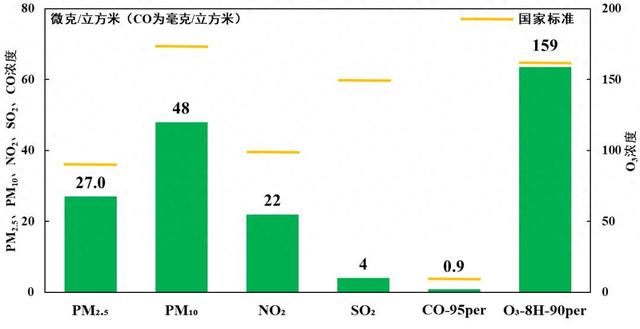
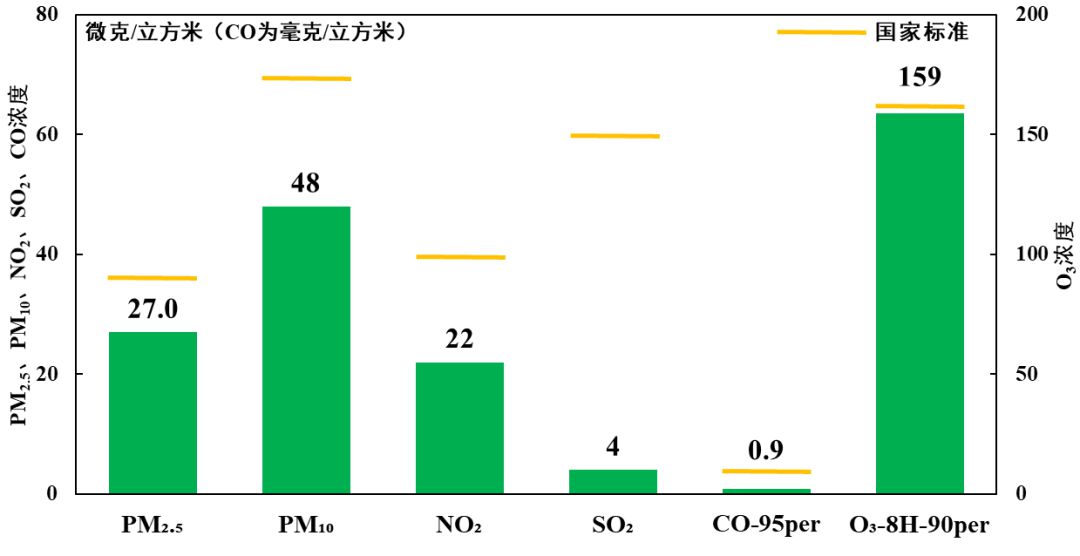
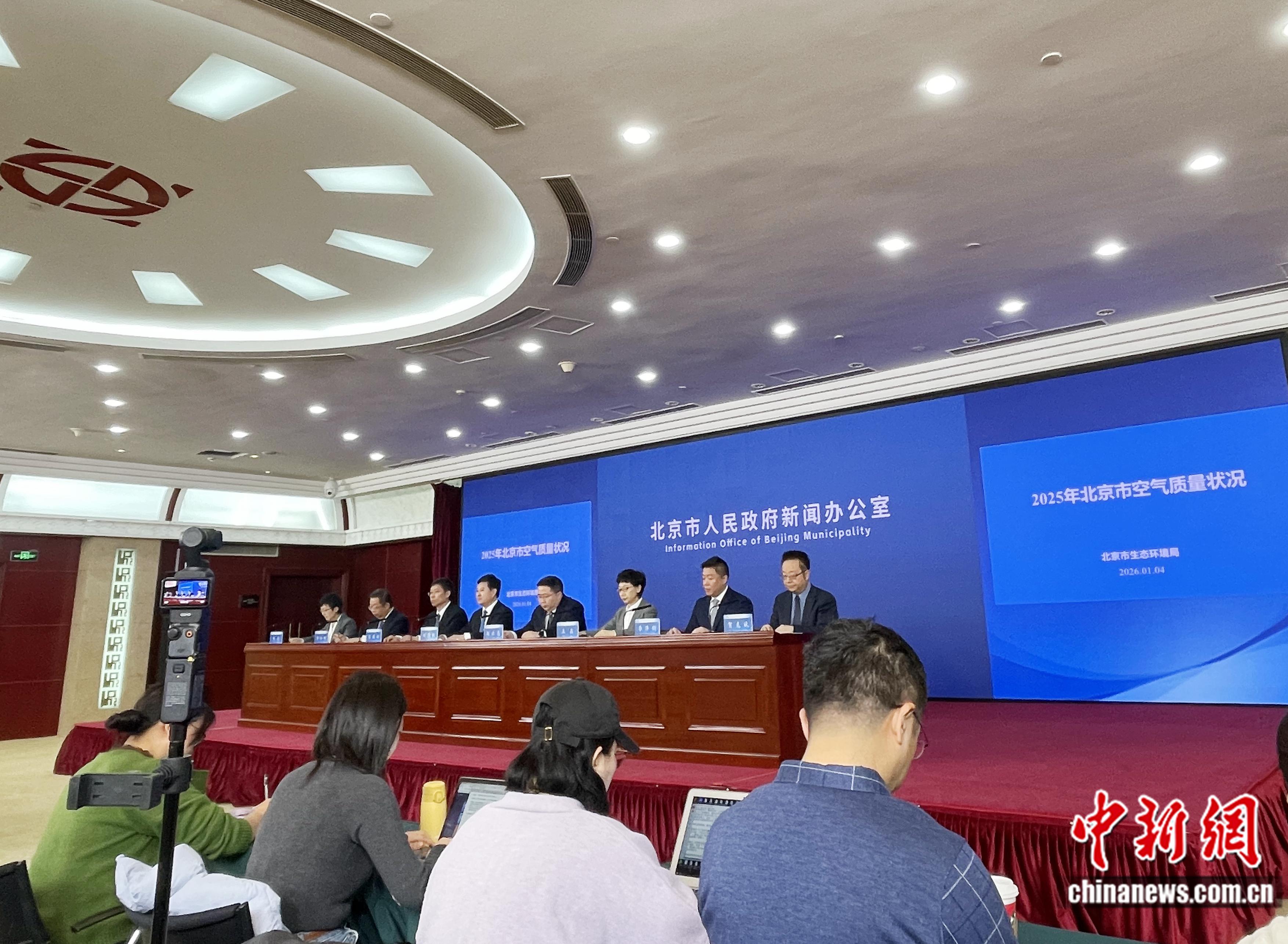
Core Viewpoint - In 2025, Beijing achieved significant improvements in air quality, with PM2.5 annual average concentration dropping to 27.0 micrograms per cubic meter, marking a historic low and a milestone in air pollution control efforts [2][6][12] Group 1: Air Quality Improvements - The annual average concentration of PM2.5 in Beijing for 2025 is 27.0 micrograms per cubic meter, a year-on-year decrease of 11.5%, and the first time it has fallen below 30 micrograms [2][4] - Other major pollutants also saw improvements, with PM10, NO2, and O3 concentrations at 48, 22, and 159 micrograms per cubic meter respectively, showing year-on-year declines of 11.1%, 8.3%, and 7.0% [2] - The air quality was classified as good for 311 days in 2025, an increase of 21 days from the previous year, resulting in a good air quality rate of 85.2% [4][10] Group 2: Long-term Trends - Since 2013, PM2.5 levels have shown a long-term improvement trend, decreasing from 89.5 micrograms per cubic meter to 27.0 micrograms per cubic meter, a reduction of 69.8% [6][8] - Heavy pollution days dropped dramatically from 58 days in 2013 to just 1 day in 2025, a decrease of 98.3% [8][10] Group 3: Policy and Implementation - The achievement of improved air quality is attributed to comprehensive efforts in pollution control, including the promotion of new energy vehicles, with over 60% of new cars being electric by 2025 [12][14] - The city has implemented strict management measures, including enhanced dust control and green construction practices, leading to a significant reduction in road dust levels [12][14] - Collaborative efforts with neighboring regions have also played a crucial role in improving air quality through coordinated pollution control measures [14]
2025年北京机动车结构达到全国最优
Zhong Guo Xin Wen Wang· 2026-01-04 06:57
Core Viewpoint - By 2025, Beijing's air quality is expected to reach optimal levels, with PM2.5 annual average concentration dropping to 27.0 micrograms per cubic meter, marking a significant milestone in air pollution control efforts [1][4]. Air Quality Improvement - The annual average concentration of PM2.5 in Beijing is projected to be 27.0 micrograms per cubic meter in 2025, a year-on-year decrease of 11.5%, and the first time it falls below 30 micrograms [4]. - The number of days with good air quality is expected to reach 348 in 2025, an increase of 144 days compared to 2013, with the good air quality rate rising from 55.9% in 2013 to 95.3% in 2025 [4][6]. - From 2013 to 2025, PM2.5 levels have decreased by 69.8%, from 89.5 micrograms per cubic meter to 27.0 micrograms per cubic meter [4][6]. Pollution Reduction Metrics - In 2025, Beijing is expected to have only one heavy pollution day, a reduction of one day from the previous year, marking the lowest number of heavy pollution days recorded [6]. - Other major pollutants, including PM10, NO2, and O3, are also expected to show improvements, with annual average concentrations of 48, 22, and 159 micrograms per cubic meter, respectively, reflecting year-on-year decreases of 11.1%, 8.3%, and 7.0% [6]. - The annual average concentrations of PM2.5, PM10, NO2, and SO2 are projected to decrease by 69.8%, 55.6%, 60.7%, and 84.9%, respectively, compared to 2013 levels [6]. Vehicle Structure Optimization - By 2025, over 60% of new vehicles in Beijing are expected to be new energy vehicles, with the total number of new energy vehicles exceeding 1.28 million, three times the number at the end of the 13th Five-Year Plan [7]. - The proportion of new energy and National V and above vehicles is anticipated to exceed 80%, achieving the best vehicle structure in the country [7]. - The average road dust load in Beijing is projected to be 0.35 grams per square meter, a 40.7% reduction from 2020 levels [7]. Technological Advancements in Monitoring - Beijing is enhancing its air quality monitoring through digital and intelligent regulatory measures, creating a new generation of air quality monitoring network with high precision in problem identification [7]. - The monitoring system is designed to provide real-time data with a recognition accuracy of 90%, significantly improving the city's ability to manage air quality [7].
2025年北京空气质量优良天超八成 为有监测以来最多
Zhong Guo Xin Wen Wang· 2026-01-04 06:51
Core Insights - In 2025, Beijing achieved 311 days of good air quality, an increase of 21 days year-on-year, with a good air quality rate of 85.2%, the highest since monitoring began [1] - The number of heavy pollution days in 2025 was reduced to 1, a decrease of 1 day from the previous year, marking the lowest since monitoring began [1] - The annual average concentration of PM2.5 in Beijing was 27.0 micrograms per cubic meter, a decrease of 11.5%, marking the first time it fell below 30 micrograms per cubic meter [1] Air Quality Improvement - Since the implementation of air pollution prevention measures, PM2.5 levels have shown a long-term improvement, dropping from 89.5 micrograms per cubic meter in 2013 to 27.0 micrograms per cubic meter in 2025, a reduction of 69.8% [2] - Heavy pollution days decreased from 58 days in 2013 to just 1 day in 2025, a decline of 98.3%, effectively eliminating heavy pollution days [2] Future Plans - Over the next five years, Beijing plans to integrate air pollution prevention into the overall economic and social development strategy, accelerating a comprehensive green transformation [2] - The focus will be on PM2.5 governance, with efforts to synergize pollution reduction and carbon reduction, implementing the "0.1 microgram" action plan to maintain and enhance air quality [2]
北京重污染日基本消除
Jing Ji Guan Cha Bao· 2026-01-04 03:39
Core Viewpoint - Beijing aims to achieve significant improvements in air quality by 2025, with PM2.5 annual average concentration reaching 27.0 micrograms per cubic meter, marking a breakthrough below 30 [1] Group 1: Air Quality Improvement Goals - By 2025, the proportion of days with good air quality in Beijing is expected to exceed 80% for the first time [1] - Heavy pollution days are projected to be virtually eliminated [1] Group 2: Historical PM2.5 Trends - Since the initiation of air pollution control measures, Beijing has seen a long-term improvement in PM2.5 levels, decreasing from 89.5 micrograms per cubic meter in 2013 to 27.0 micrograms per cubic meter by 2025, a reduction of 69.8% [1] - During the 14th Five-Year Plan period, Beijing's PM2.5 annual average concentration has consistently met national standards and set new lows, achieving compliance for five consecutive years [1] - After first meeting national standards in 2021, the PM2.5 level is expected to decrease by an additional 30% by 2025 compared to 2020 levels [1]
北京空气质量多项指标创监测以来最优 蓝天成为常态
Xin Lang Cai Jing· 2026-01-04 03:30
Core Viewpoint - In 2025, Beijing achieved significant improvements in air quality, with PM2.5 annual average concentration dropping to 27.0 micrograms per cubic meter, marking a historic low and a milestone in air pollution control efforts [2][4]. Group 1: Air Quality Improvements - The annual average concentration of PM2.5 in Beijing reached 27.0 micrograms per cubic meter in 2025, a year-on-year decrease of 11.5%, marking the first time it fell below 30 micrograms [2][4]. - Other major pollutants also saw improvements, with PM10, NO2, and O3 concentrations at 48, 22, and 159 micrograms per cubic meter respectively, showing year-on-year declines of 11.1%, 8.3%, and 7.0% [2][4]. - The number of days with good air quality reached 311 in 2025, an increase of 21 days from the previous year, resulting in a good air quality rate of 85.2%, the highest since monitoring began [4][10]. Group 2: Long-term Trends - Since 2013, PM2.5 levels in Beijing have shown a consistent downward trend, decreasing from 89.5 micrograms per cubic meter to 27.0 micrograms per cubic meter, a reduction of 69.8% [6][8]. - Heavy pollution days dropped dramatically from 58 days in 2013 to just 1 day in 2025, a reduction of 98.3% [8][10]. Group 3: Policy and Management Initiatives - Beijing's air quality improvements are attributed to comprehensive pollution control measures, including the promotion of new energy vehicles, with over 60% of new cars being electric by 2025 [12][13]. - The city implemented a range of green initiatives, including the creation of 1,803 "green" enterprises, representing 39.7% of the total, and the establishment of a robust regulatory framework for pollution control [12][14]. - Collaborative efforts with neighboring regions, such as Tianjin and Hebei, have enhanced air quality through joint pollution control strategies [15].