数字人

Search documents
京东数字人直播免费 百位数字人总裁将空降京东直播间
Zhong Guo Xin Wen Wang· 2025-12-02 13:51
Core Insights - JD.com has officially announced the free opening of its digital human live streaming service to all merchants, allowing them to easily set up their own AI hosts [3][4]. Group 1: Digital Human Live Streaming Features - The digital human live streaming service enables merchants to create 24/7 live streaming rooms, enhancing transaction efficiency [1][6]. - Merchants can choose from nearly 300 character models and over 200 voice styles, providing flexibility in presentation [4][6]. - AI-generated scripts simplify content creation, reducing the pressure on merchants to produce live content [4][6]. - Digital humans can interact with users in real-time, addressing inquiries and preventing engagement drop-offs [1][4]. - AI-driven content distribution maximizes reach, allowing for effective user engagement and content virality [1][4]. Group 2: Business Impact and Performance - The digital human initiative has already driven hundreds of billions in GMV, showcasing significant business impact [6][7]. - The average conversion rate for sales through digital humans has increased by 30%, indicating improved sales performance [6]. - During the 11.11 shopping festival, the number of merchants using digital human live streaming grew nearly sixfold compared to the previous year [7]. Group 3: Technological Advancements - The JoyAI model has evolved to support a wide range of applications, including the generation of long-form videos and high-quality character animations [7]. - Advanced technologies such as DPO reinforcement learning have addressed common challenges in AI-generated content, enhancing precision and speed [7]. - The latest digital human technology allows for the rapid creation of personalized digital hosts, making it accessible for small and medium-sized businesses [7].


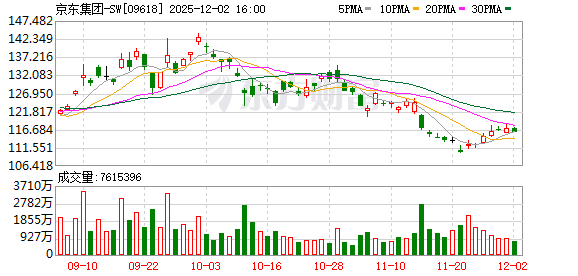
8万数字人,跑步上市!
Sou Hu Cai Jing· 2025-12-02 02:27
Core Insights - The company "Silicon Intelligence," founded by Si Mahuapeng in Nanjing, aims to provide 100 million "silicon-based labor forces" (digital humans) globally by 2025, indicating a significant ambition in the digital human sector [1][3]. Group 1: Company Overview - Silicon Intelligence has submitted its prospectus to the Hong Kong Stock Exchange, aiming to become the first digital human stock in Hong Kong [3]. - The company, established in 2017, has become the leading provider of digital human technology in China, with over 80,000 digital labor forces deployed across various industries, including telecommunications and finance [3][4]. - After three years of losses, Silicon Intelligence reported a revenue of 326 million yuan in the first half of this year, marking a turnaround to profitability [3]. Group 2: Financial and Investment Highlights - The company has maintained a steady financing rhythm, attracting investments from notable institutions such as Tencent and Sequoia Capital [5]. - In its latest D-round financing, Silicon Intelligence achieved a valuation of 3.15 billion yuan [6]. - Tencent, which began investing from the B-round, is now the second-largest shareholder with a 16.59% stake, while the founder and associated entities hold approximately 36.82% [8][9]. Group 3: Market Trends and Challenges - The digital human market is experiencing rapid growth, with significant interest in applications across gaming, film, and live events, although challenges remain in research and development costs and profitability [12]. - The industry faces hurdles such as the "uncanny valley" effect, where digital humans that closely resemble real people may evoke discomfort if they fail to fully replicate human capabilities [15].

背靠腾讯、招银国际,硅基智能带 8 万数字人冲刺“数字人第一股”
Sou Hu Cai Jing· 2025-12-01 16:16
Core Viewpoint - The digital human market is rapidly growing, with significant investments and developments, particularly from companies like Silicon Intelligence, which aims to provide 100 million digital workers by 2025, despite current challenges in profitability and market competition [2][4][6]. Market Overview - The concept of digital humans gained attention during the 2021 metaverse trend, with significant growth following events like the Winter Olympics and the release of popular films [3]. - The Chinese digital human market surpassed 10 billion RMB in 2023 and is projected to reach 30 billion RMB by 2025, with a compound annual growth rate exceeding 50% [4]. Company Performance - Silicon Intelligence's revenue for 2023 was 530.8 million RMB, with projections of 655.4 million RMB for 2024 and 325.8 million RMB for the first half of 2025, reflecting year-on-year growth rates of 137.8%, 18.9%, and 12.6% respectively [4][18]. - The company holds a 32.2% market share in China's digital human sector, ranking second globally among digital human suppliers [4]. Business Strategy - Silicon Intelligence has shifted its focus from small to large clients, reducing its customer base from 573 to 289, which has led to a dependency on major clients for revenue [6][9]. - The company has developed multiple platforms for various industries, including education, media, healthcare, finance, and public services, providing over 80,000 digital workers [5]. Financial Challenges - Despite the market potential, Silicon Intelligence has faced financial losses, with adjusted net losses of 46.22 million RMB in 2022, 29.41 million RMB in 2023, and 35.24 million RMB in 2024 [6]. - The gross margin has declined from 38.5% in 2022 to 31.6% in the first half of 2025 due to competitive pricing strategies aimed at securing large clients [6]. Customer Dynamics - The revenue share from the largest client has increased significantly, from 16.6% in 2022 to 64.4% in the first half of 2025, indicating a growing reliance on a single customer [7][9]. - The average customer acquisition cost has risen from 74,000 RMB in 2022 to 184,000 RMB in 2024, reflecting increased marketing expenses [18]. Investment and Funding - Silicon Intelligence has received substantial investments from various firms, including Tencent, which is now the largest external shareholder with a 16.59% stake [12]. - The company plans to use funds from its IPO to enhance R&D capabilities, marketing, global acquisitions, and operational funding [13]. Industry Challenges - The digital human sector faces significant competition from major tech companies and ongoing issues related to user experience and technology limitations [15][17]. - Legal and ethical concerns are emerging, as incidents of unauthorized use of personal likenesses by AI technologies have raised compliance issues within the industry [19].

硅基智能港股IPO:靠裁员节流实现扭亏是否“饮鸩止渴”? 靠低价维系大客户 技术实力与高估值是否倒挂?
Xin Lang Zheng Quan· 2025-11-27 02:18
Core Viewpoint - Nanjing Silicon Intelligence Technology Group Co., Ltd. (Silicon Intelligence) has submitted an IPO application to the Hong Kong Stock Exchange, aiming to become the first digital human stock in Hong Kong, amidst rapid revenue growth and significant cost-cutting measures that have led to a turnaround in profitability [1][3]. Financial Performance - Silicon Intelligence's revenue has shown rapid growth, with figures of RMB 222.81 million in 2022, RMB 531 million in 2023, and RMB 655.43 million in 2024, reflecting a compound annual growth rate of 71.5% [13]. - In the first half of 2025, the company achieved revenue of RMB 326 million, marking an 11.15% year-on-year increase, although the growth rate has significantly slowed [13]. - The adjusted net profit for the reporting period was negative, with losses of RMB 462.21 million, RMB 294.12 million, and RMB 352.42 million, totaling over RMB 1 billion in cumulative losses [13][14]. Cost Management - The company has significantly reduced operational costs, particularly in R&D expenses, with a decrease in the R&D expense ratio from 33.85% in 2022 to 20.42% in the first half of 2025 [15]. - Employee costs, including salaries and benefits, have also been cut, with reductions of 14%, 27%, and 41% expected in 2023, 2024, and the first half of 2025, respectively [8][11]. Market Position and Competition - Silicon Intelligence claims to hold a 32.2% market share in the Chinese digital human industry, ranking first among local providers and second globally [13]. - However, the competitive landscape is intensifying, with major players like ByteDance, Tencent, and Alibaba entering the digital human space, posing challenges to Silicon Intelligence's market leadership [1][17]. Dependency on Major Clients - The company has a high dependency on a single major client, China Mobile, which accounted for 64.4% of sales in recent periods, raising concerns about the sustainability of its revenue model [17]. - This reliance on a major client may indicate a lack of competitive advantage in technology, as the company primarily competes on pricing [16][17]. Technology and Innovation - Despite claims of proprietary technology, including the "Yan Emperor Model," the company has not adequately disclosed its core algorithm patents or technological barriers, raising questions about its ability to withstand low-price competition [18]. - The lack of a clear valuation anchor and reliance on a single large client may lead to discrepancies between market expectations and actual performance, particularly in the context of a rapidly evolving technological landscape [18].

2025世界智能制造大会即将召开之际,探访我市相关企业和生态街区——
Nan Jing Ri Bao· 2025-11-26 02:29
Group 1: AI as a Core Driver of Intelligent Manufacturing - The 2025 World Intelligent Manufacturing Conference is set to open, highlighting AI as the core driving force behind intelligent manufacturing, which serves as a significant application scenario for AI technology [1] - Nanjing is experiencing a surge in its AI industry, with various applications enhancing efficiency and optimizing experiences across multiple sectors [1] Group 2: Digital Humans and AI in Daily Life - Digital humans are becoming increasingly realistic and are being integrated into various job roles, enhancing user experiences in daily life [2] - The National Development and Reform Commission has proposed measures to explore the use of AI models and digital humans in expanding e-commerce live streaming scenarios [2] - Silicon-based Intelligent Technology has been recognized as a key enterprise in Jiangsu's digital consumption innovation scene, showcasing its digital human live streaming platform [2] Group 3: AI in Content Creation - AI is reshaping the content creation ecosystem, serving as an efficient "content accelerator" for various media formats, including micro-dramas and live broadcasts [3] - The use of AI in micro-dramas allows for rapid production and high-quality outputs, indicating a new era of content creation where anyone can participate [3] Group 4: AI in Traditional Medicine - AI technology is being utilized in traditional Chinese medicine, exemplified by the AI smart Chinese medicine diagnostic device that provides health assessments in under a minute [5] - The collaboration between Haowei Health Technology and Nanjing University of Chinese Medicine aims to integrate traditional medicine knowledge with AI for enhanced clinical applications [5] Group 5: Intelligent Vehicles and Connectivity - Intelligent vehicles in Nanjing are being developed to better understand user needs, with advancements in AI enhancing the driving experience [6] - The company has empowered over 50 million vehicles and 60 million IoT devices, focusing on creating a seamless interaction between drivers and vehicles [6] Group 6: Satellite Connectivity for IoT - Satellite networks are being developed to ensure continuous connectivity for heavy machinery in remote areas, showcasing the potential of satellite technology in various fields [7] - The company aims to reduce communication costs significantly, making satellite communication comparable to ground network levels within 3 to 5 years [8] Group 7: Nanjing's Innovation Ecosystem - Nanjing's AI industry is supported by a robust innovation ecosystem, with a focus on collaboration between large enterprises, universities, and research institutions [9] - The AI industry cluster in Nanjing is designed to provide comprehensive support for AI technology development and application, facilitating a systematic approach to innovation [9]
核心客户撑起六成营收,数字人谋赚钱
3 6 Ke· 2025-11-21 03:45
Core Viewpoint - Silicon-based Intelligence, the largest digital human AI provider in China, is making significant strides in the Hong Kong stock market, holding a 32.2% market share in China and ranking second globally in the digital human AI market [1][5]. Group 1: Company Overview - Founded in 2017, Silicon-based Intelligence launched its voice platform and has since expanded its offerings to include various digital human solutions across multiple industries such as telecommunications, finance, healthcare, and education [4]. - The company has undergone eight rounds of investment, achieving a valuation of approximately 3.15 billion RMB after its D-round investment in May 2023, representing a more than 20-fold increase since its Pre-A round [2]. Group 2: Financial Performance - Revenue has surged from 222.81 million RMB in 2022 to an estimated 655.44 million RMB in 2024, reflecting a compound annual growth rate (CAGR) of 71.3% [7][8]. - Despite revenue growth, the company has faced losses, with net losses of 111 million RMB in 2022, 95.91 million RMB in 2023, and an estimated 112 million RMB in 2024 [8]. - In the first half of 2025, the company reported a revenue of 326 million RMB, showing an 11.15% year-on-year growth [7]. Group 3: Market Dynamics - The digital human AI market in China is projected to grow from 500 million RMB in 2021 to 2 billion RMB in 2024, with a CAGR of 55.8% [5][6]. - The market is expected to reach 15.5 billion RMB by 2030, with a CAGR of 40.3% from 2024 to 2030 [6]. Group 4: Competitive Landscape - The rapid evolution of large model technology has lowered the technical barriers in the digital human sector, intensifying competition from major domestic internet companies [10]. - The company's gross margin has decreased from 45.8% in 2023 to an estimated 31.6% in the first half of 2025 due to competitive pricing pressures [11]. Group 5: Client Dependency and Risks - Silicon-based Intelligence has a high dependency on major clients, with the largest client contributing 64.4% of revenue in the first half of 2025, up from 16.6% in 2022 [15]. - Accounts receivable have increased significantly from 57 million RMB in 2022 to an estimated 233 million RMB in 2024, indicating potential cash flow challenges [15]. Group 6: Future Outlook - The company is transitioning its business model from providing basic product services to delivering quantifiable commercial results, aiming to combine AI solutions with intellectual property value [13]. - Despite the promising market, user feedback on digital human experiences has been mixed, with limitations in emotional engagement compared to human hosts [16].
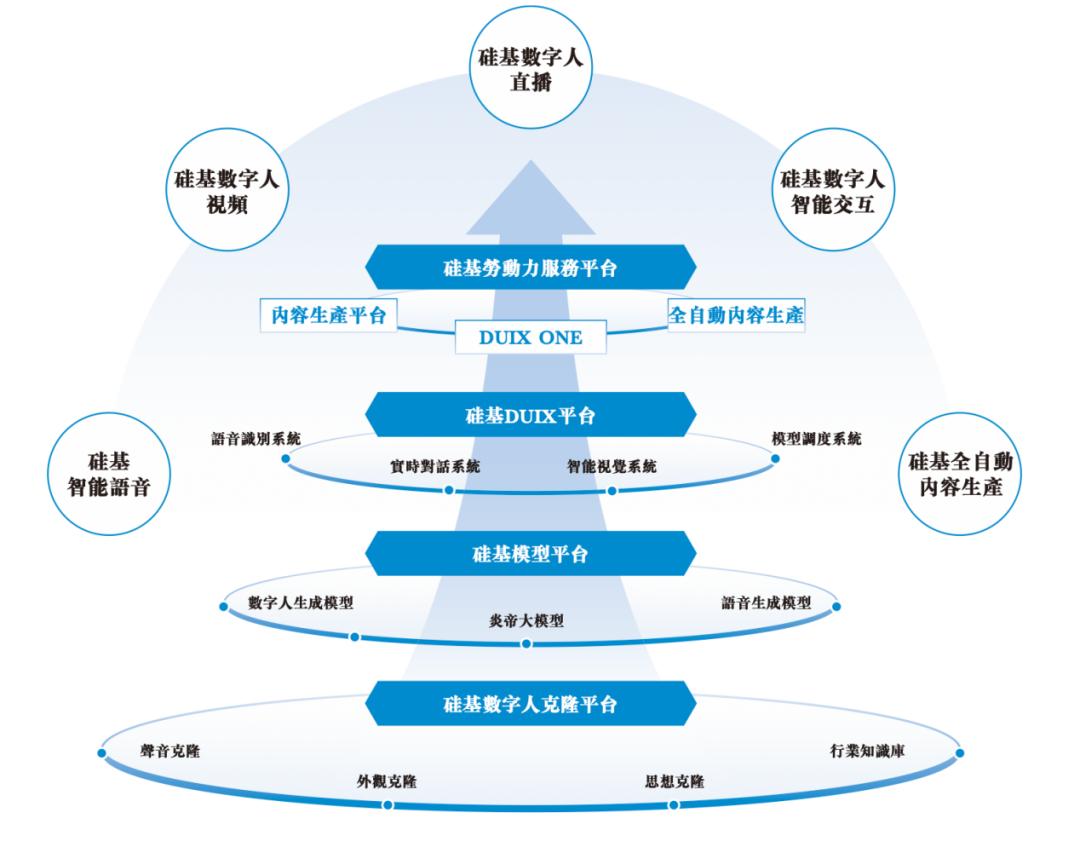
八年磨一剑,硅基智能冲击 “数字人第一股”:B 端红利难掩盈利薄弱与竞争压力
3 6 Ke· 2025-11-20 01:58
Core Viewpoint - The company, Silicon-based Intelligence, is set to become the first digital human operator to go public in Hong Kong by submitting its prospectus to the Hong Kong Stock Exchange, aiming for profitability through AI-driven digital human solutions [1]. Group 1: Company Overview - Silicon-based Intelligence was founded in August 2017 by entrepreneur Si Ma Huapeng, capitalizing on the AI boom initiated by AlphaGo, with a focus on voice technology for customer service in finance and telecommunications [2]. - The company has evolved through three technological leaps, introducing its first AIGC digital human in 2019, which integrated voice and image technologies [3]. - By 2024, the company launched a multimodal large model, DUIXONE, transitioning its business model from selling tools to providing comprehensive API platforms for various applications [3]. Group 2: Financial Performance - The company reported revenues of RMB 2.23 billion, RMB 5.31 billion, RMB 6.55 billion, and RMB 3.26 billion for the years 2022, 2023, 2024, and the first half of 2025, respectively, with growth rates of 138.12%, 23.40%, and 11.26% [6]. - In 2025, Silicon-based Intelligence achieved an adjusted net profit of approximately RMB 529 million, marking a turnaround from previous losses [1][11]. - The average customer value increased significantly from RMB 380,000 in 2022 to RMB 1,130,000 in the first half of 2025, reflecting a strategic focus on large clients [11]. Group 3: Market Position and Competition - Silicon-based Intelligence holds a leading position in China's digital human market with a 32.2% market share as of 2024, amidst increasing competition from major players like Baidu, Tencent, and Huawei [5][15]. - The company has completed eight rounds of financing since its inception, raising over RMB 1 billion, with significant investments from Tencent and other notable funds [5]. - The digital human market is projected to grow to RMB 155 billion by 2030, but current demand remains below the "100 billion level," posing challenges for the company [11][17]. Group 4: Strategic Focus and Challenges - The company employs a "small but beautiful" strategy, focusing on B-end markets and offering standardized products to meet the needs of small and medium-sized enterprises [8]. - Despite achieving profitability, the company faces challenges such as reliance on a few large clients, with the top five clients contributing over 64.4% of revenue in 2023 [10]. - The competitive landscape is intensifying, leading to price reductions that have pressured profit margins, with gross margins declining from 45.8% in 2023 to 31.6% in the first half of 2025 [14][15].
青田第七届侨博会开幕 探寻进出口贸易新机遇
Zhong Guo Xin Wen Wang· 2025-11-17 01:09
Group 1 - The seventh Overseas Chinese Import Commodity Fair and Qingtian Import Wine Trade Fair opened in Qingtian, Zhejiang, attracting exhibitors and buyers from around the world to explore new opportunities in import and export trade [1][2] - The theme of this year's fair is "Overseas Chinese See the World, Expo for a Better Life," featuring six themed exhibition areas, including overseas wineries and international coffee, with over 1,100 participating companies and more than 30,000 high-quality imported products on display [1][2] - The event highlights the growing interest of Chinese consumers in wine, as noted by Italian wine merchant Daniele Girolami, who expressed optimism about future exchanges and cooperation after experiencing significant interest from buyers [1] Group 2 - The fair has become a platform for Zhejiang to leverage the spillover effects of the China International Import Expo, with a cumulative total of 3,401 brand agencies and 1,050 overseas wineries signing contracts to settle in Qingtian [2] - Increasingly, "Made in China" products are also showcased at the fair, as Chinese companies aim to expand their overseas markets through participation and engagement with international friends and overseas Chinese merchants [2]

共赴AI之约!相芯科技成果亮相2025世界互联网大会乌镇峰会
Sou Hu Cai Jing· 2025-11-14 23:29
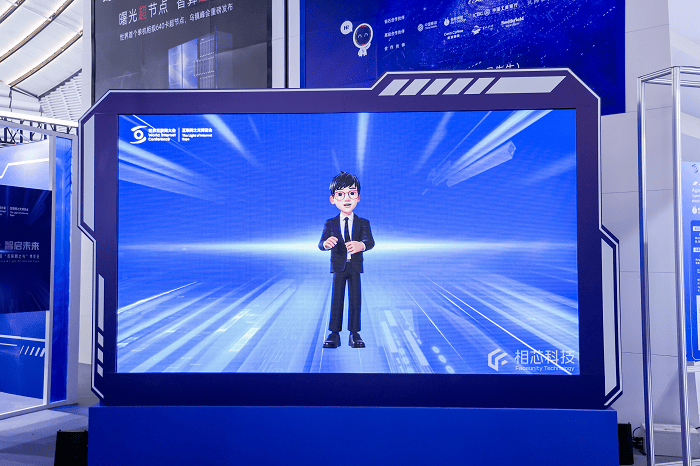
上周,2025世界互联网大会乌镇峰会隆重启幕,来自全球的顶尖科技力量齐聚一堂。 今年大会继续聚焦人工智能,"互联网之光"博览会以"AI共生 智启未来"为主题,集中呈现人工智能在 赋能生产生活等方面的丰硕成果;同期举办的"人工智能的浙江探索与实践主题展"则汇聚多项前沿"黑 科技",全面展示浙江在人工智能领域的战略布局与产业动能。 在这场全球瞩目的科技盛会上,相芯科技作为深耕计算机图形学与人工智能领域的领先企业重磅亮相, 并带来AI数字人领域的代表性前沿成果,彰显了浙江本土科技企业的创新实力。 值得一提的是,无论是今年的卡通风数字人,还是此前的真人级讲解员,核心技术均源自相芯自主研发 的全球首个全链条数字人平台AvatarX。该平台深度融合人工智能与建模、驱动、交互等核心技术,实 现了数字人从生产到应用的全流程效率革新。 建模效率突破:针对传统数字人批量建模精准度低、周期长、成本高的痛点。AvatarX基于单张照片,3 秒即可生成高精度数字形象,大幅降低建模门槛,有效助推高质量数字人的标准化批量生产; 驱动稳定性提升:针对数字人驱动易受环境干扰的问题。AvatarX聚焦提升驱动鲁棒性与实时动画计算 效率,使数字人 ...
腾讯红杉押注,“港股数字人第一股”来了
AI研究所· 2025-11-14 11:04
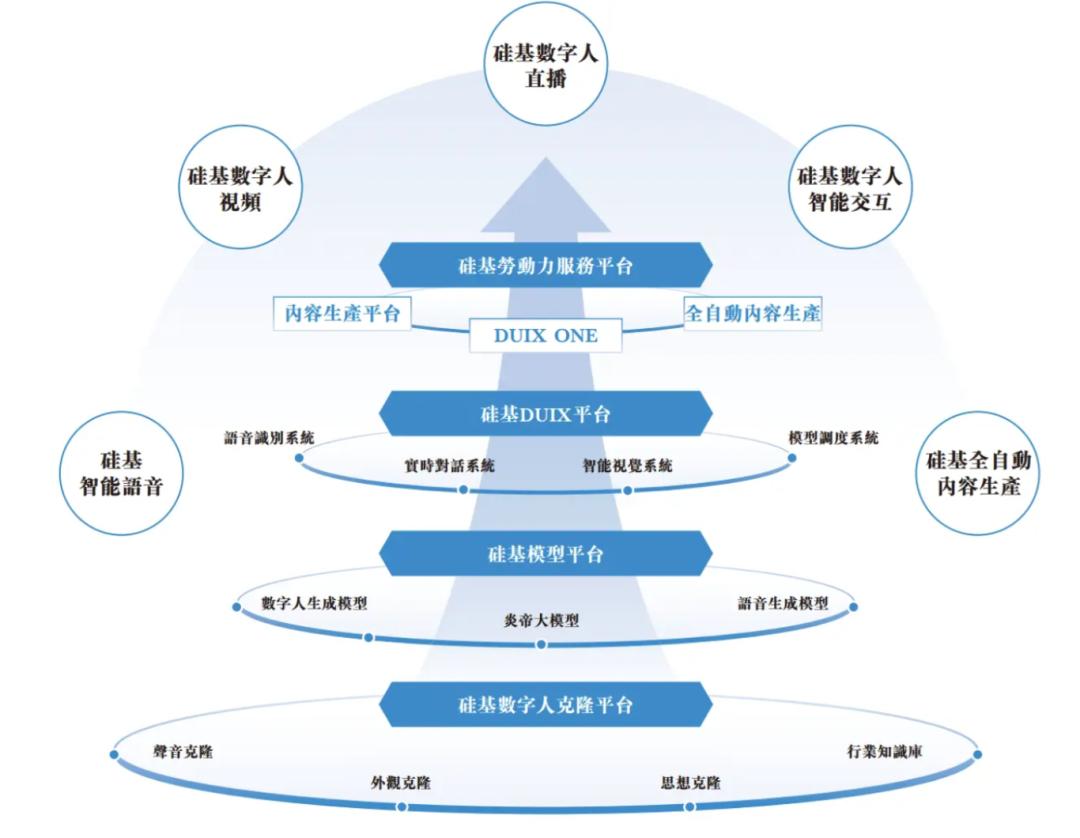
Core Viewpoint - The IPO application of Nanjing Silicon-based Intelligent Technology Co., Ltd. marks a significant milestone for the digital human industry, positioning it under the spotlight of capital markets and indicating the potential for commercialization in this sector [1][6]. Group 1: Company Overview - Founded in 2017, Silicon-based Intelligent focuses on providing digital human solutions across various industries, including telecommunications, finance, and healthcare, with over 80,000 "digital employees" delivered by October 2025 [6]. - The company achieved a revenue growth from 223 million RMB in 2022 to 655 million RMB in 2024, raising questions about the profitability of digital human services [6][14]. Group 2: Capital and Financing - Since its inception, Silicon-based Intelligent has completed eight rounds of financing, raising over 1 billion RMB, with notable investments from Tencent and Sequoia Capital [8][9]. - Tencent is the largest external shareholder, holding 16.59% of the company prior to the IPO, having invested approximately 1.15 billion RMB in the B round and 3.37 billion RMB in the C round [9][13]. Group 3: Revenue and Profitability - The company's revenue from 2022 to 2024 grew nearly threefold, with 2025's first half showing an 11% year-on-year increase, reaching 326 million RMB [14]. - Silicon-based Intelligent transitioned from continuous losses to profitability, reporting a net profit of 5.29 million RMB in the first half of 2025, attributed to a strategic focus on large clients [15]. Group 4: Client Concentration and Margin Trends - The company faces challenges with client concentration, as the top five clients contributed 87.5% of revenue in the first half of 2025, with the largest client accounting for 64.4% [16]. - The gross margin has been declining, from 45.8% in 2023 to 31.6% in the first half of 2025, primarily due to competitive pricing strategies to retain major clients [16][22]. Group 5: Business Model and Future Opportunities - Silicon-based Intelligent's core business includes four segments: voice solutions, video production, live streaming, and automated content production, with a direct sales model dominating revenue [18][19]. - The company is exploring a revenue-sharing model, particularly in finance and e-commerce, which could enhance profitability by transforming from a cost center to a profit center [20][29]. Group 6: Industry Challenges and Prospects - The digital human industry faces challenges such as rapid technological changes requiring continuous R&D investment, with R&D expenses rising from 75.43 million RMB in 2022 to 150 million RMB in 2024 [23]. - Regulatory and ethical risks are increasing, with new guidelines potentially limiting the commercialization of digital human applications [24]. Group 7: Market Growth Potential - Despite challenges, the digital human market is projected to grow significantly, with a compound annual growth rate of 55.8%, reaching 2 billion RMB by 2024 and 15.5 billion RMB by 2030 [25]. - The shift from digital humans to intelligent agents capable of autonomous decision-making represents a significant opportunity for expanding profitability [26][29]. Group 8: Conclusion - The IPO of Silicon-based Intelligent is seen as a pivotal moment for the digital human industry, transitioning from speculative concepts to validated business models, with the potential for further industry maturation through additional listings [31][32].