
无人配送

Search documents
外卖大战,美团度过行业竞争的「极限测试」
3 6 Ke· 2025-12-02 07:50
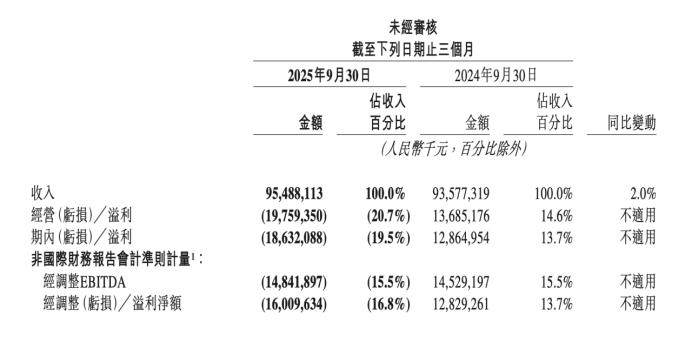
Core Viewpoint - Meituan's Q3 2025 financial report reflects the intense competition in the food delivery industry, with significant sales expenses impacting profitability, yet the company demonstrates resilience and maintains market leadership despite losses [1][2][5]. Financial Performance - In Q3 2025, Meituan achieved revenue of 955 billion RMB, a year-on-year increase of 2%, but reported an adjusted net loss of 160 billion RMB, primarily due to a core local business loss of 141 billion RMB [2][3]. - The overall adjusted net loss of 160 billion RMB indicates substantial investment in maintaining market share, with a focus on operational efficiency despite high competition [5][6]. Market Dynamics - The food delivery industry is characterized by "high frequency, low margin" operations, with Meituan's average profit per order around 1 RMB, resulting in a net profit margin of only 3%-4% [4][5]. - Meituan's market share remains strong, with a GTV ratio of approximately 6:4 compared to major competitors, and it holds over two-thirds of the market share in high-value orders [5][6]. Strategic Initiatives - Meituan is advancing its "Flash Purchase" strategy, which has evolved into a significant supply chain model, enhancing efficiency and addressing consumer needs for rapid delivery [8][10]. - The company has successfully launched its international delivery brand, Keeta, in Hong Kong, achieving profitability within 29 months, and is expanding operations in several countries [11]. Ecosystem and Social Responsibility - Meituan emphasizes an "ecosystem win-win" approach, providing benefits to riders, merchants, and consumers, including insurance coverage and support for merchants' growth [12][13]. - The company is investing in R&D, with a 31% increase in spending, focusing on AI and drone delivery technologies to enhance operational efficiency [13][14]. Future Outlook - The competitive landscape is expected to stabilize, with reduced subsidy intensity, indicating a potential improvement in Meituan's financial performance moving forward [7][17]. - The focus for investors is shifting from short-term profit fluctuations to the long-term competitive advantages and profitability potential of Meituan [17].


“无人物流车”第一股即将诞生,但依然难过上路关
3 6 Ke· 2025-11-28 08:03
Core Insights - The article discusses the rapid growth and challenges in the unmanned logistics vehicle sector, highlighting significant investments exceeding 8 billion yuan and the industry's response to public sentiment amid controversies surrounding technology and safety [2][6][18]. Investment and Market Growth - The unmanned logistics vehicle sector has seen unprecedented funding, with over 8 billion yuan disclosed in investments as of now [2][6]. - Major funding rounds include 1 billion USD for Jiusi Intelligent and over 600 million USD for New Stone Technology, marking significant transactions in China's private equity landscape [2][6]. - The market is projected to reach 263.4 billion yuan by 2030, a 5.4-fold increase from 2025 [8][11]. Technological Advancements and Cost Reduction - The cost of unmanned logistics vehicles has drastically decreased from over 1 million yuan in 2018 to as low as 20,000 yuan in 2023, driven by domestic production of key components [10][11]. - The industry is transitioning from a "sell vehicles" model to a "software subscription" model, enhancing revenue potential through ongoing service fees [12][13]. Industry Dynamics and Competition - A price war has emerged among companies, with aggressive pricing strategies being employed to capture market share [12][13]. - Companies like Jiusi Intelligent and New Stone Technology are competing on price and financing options, with Jiusi offering vehicles at 1.98 million yuan and New Stone providing zero down payment plans [12][13]. Regulatory and Safety Concerns - Despite the rapid growth, there are significant concerns regarding the safety and reliability of unmanned logistics vehicles, highlighted by several accidents and public skepticism [14][15][18]. - The lack of uniform road rights across cities poses a challenge for widespread deployment, with companies like New Stone Technology actively working to secure necessary permits [16][18]. Future Outlook - The industry is expected to evolve, with projections indicating that unmanned logistics vehicles could replace traditional delivery vehicles, achieving a penetration rate of nearly 15% by 2030 [17][18]. - The ongoing competition and regulatory hurdles will shape the future landscape of the unmanned logistics vehicle market, as companies strive to balance innovation with public trust [18][20].

企业竞争图谱:2025年智能物流车,头豹词条报告系列
Tou Bao Yan Jiu Yuan· 2025-11-25 12:44
Investment Rating - The report rates the smart logistics vehicle industry with a compound annual growth rate (CAGR) of 74.76% from 2025 to 2030, with the market size expected to grow from 0.511 billion to 8.337 billion [30]. Core Insights - The smart logistics vehicle industry has evolved from a technology incubation phase (2015-2019) to a large-scale development phase (2020-2022), and is currently in a scenario pilot phase since 2023, with significant cost reductions and regulatory improvements facilitating commercialization [4][13]. - The industry faces three main bottlenecks: technological limitations, insufficient infrastructure, and a lack of regulatory frameworks [12]. - The logistics cost pressure is driving the adoption of smart logistics vehicles, as last-mile delivery costs have risen significantly, prompting companies to seek automation solutions [11]. Summary by Sections Industry Definition - The definition of unmanned delivery vehicles varies, with the industry leaning towards classifying them as N1 (total mass less than 3,500 kg) and A class (equipped with autonomous driving systems) vehicles [5]. Industry Classification - Unmanned logistics vehicles are categorized into low-speed, medium-speed, and other unmanned delivery vehicles based on their maximum design speed [6][7][8]. Development History - The industry has undergone a complete development cycle since 2015, with key milestones including the introduction of various unmanned delivery vehicles and significant policy support in China [13][14][16][17]. Industry Chain Analysis - The industry chain consists of upstream core component suppliers, midstream solution providers, and downstream application segments focused on reducing last-mile delivery costs [18]. Cost and Technology Drivers - The significant reduction in core component prices has led to a drastic decrease in vehicle costs, facilitating commercialization [19][23]. - The industry is transitioning towards a lightweight perception approach, utilizing visual systems supplemented by minimal laser radar [27]. Market Size and Growth - The smart logistics vehicle market is projected to grow from 0.511 billion to 8.337 billion from 2025 to 2030, driven by the need for cost reduction and efficiency improvements in logistics [30][31]. Policy Overview - Various policies have been introduced to support the application of unmanned delivery vehicles, emphasizing their role in enhancing logistics efficiency and reducing costs [36][37]. Competitive Landscape - The competitive landscape is characterized by a tiered structure, with leading companies like Jiusi and New Stone Technology at the forefront, while others are positioned in the second and third tiers based on their market strategies and capital investments [38][39][40].
德赛西威:公司在坚定稳固核心主业根基的同时,积极把握市场机遇
Zheng Quan Ri Bao Wang· 2025-11-25 12:10
Core Viewpoint - The company is committed to strengthening its core business while actively seizing market opportunities and strategically positioning itself in new product and business areas [1] Group 1: Business Strategy - The company is leveraging its existing mature automotive-grade supply chain resources and technological foundation to efficiently integrate current technologies, production capabilities, and partner networks [1] - This approach enables the company to enter new businesses at lower costs and faster speeds, quickly establishing competitiveness in emerging fields [1] Group 2: New Business Exploration - The company is actively exploring emerging fields such as smart transportation, unmanned delivery, and robotics to create a new growth curve for sustainable future development [1]

无人车在农村哐哐干活
3 6 Ke· 2025-11-24 10:40
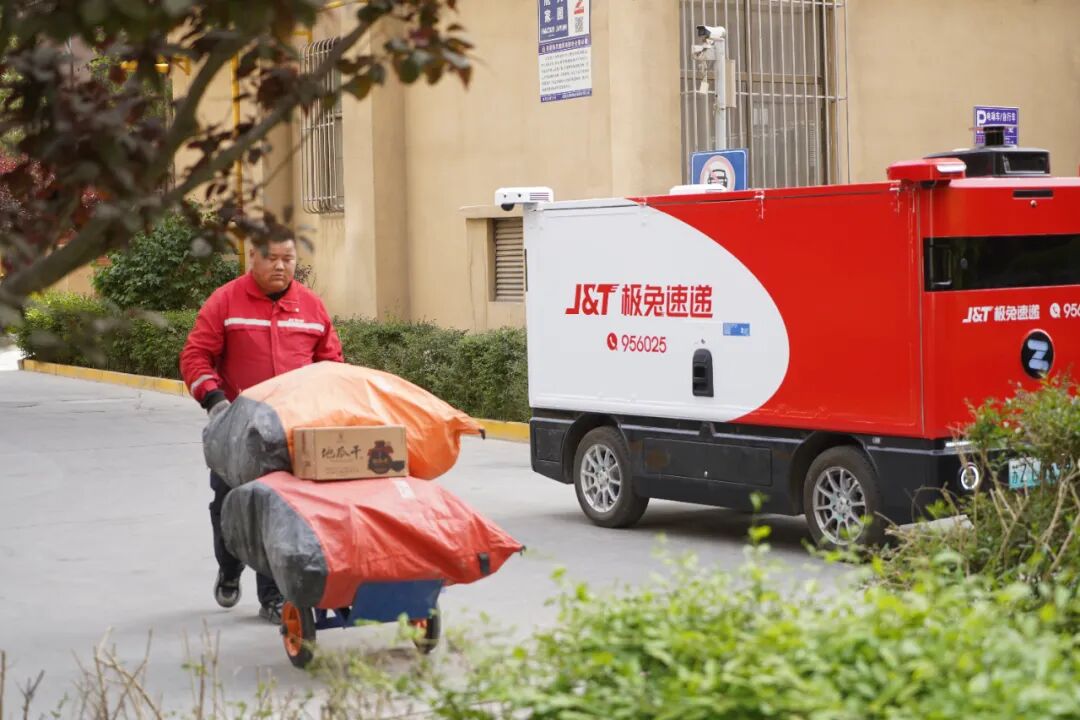
Core Insights - The adoption of unmanned delivery vehicles is rapidly increasing in the logistics industry, particularly in remote areas where traditional delivery methods are inefficient [2][3][12] - Companies like Zhongtong, Jitu, and SF Express are significantly investing in unmanned vehicles, with Zhongtong deploying nearly 3,000 units and plans for further expansion [2][3][12] - The cost of unmanned vehicles has decreased dramatically, making them more accessible for logistics companies, with prices dropping from over 1 million yuan in 2018 to around 40,000-70,000 yuan by 2025 [16][17] Industry Trends - Unmanned vehicles are being utilized in various provinces, including Xinjiang and Gansu, to enhance delivery efficiency and reduce operational costs [3][5][6] - The technology behind unmanned vehicles is continuously evolving, with companies like Jiushi Intelligent and New Stone Technology making significant advancements in hardware and software [9][16] - The logistics sector is increasingly recognizing the potential of unmanned vehicles to address labor shortages and improve delivery times, especially in rural and hard-to-reach areas [6][12][19] Financial Implications - The operational cost savings from using unmanned vehicles are substantial, with estimates suggesting savings of up to 2.5 million yuan annually in fuel and labor costs for companies [6][19] - The shift to unmanned delivery is supported by government initiatives, with some local governments offering financial incentives for companies investing in unmanned technology [12][19] Challenges and Considerations - Despite the growing acceptance of unmanned vehicles, concerns about safety and liability in the event of accidents remain a significant issue for the industry [18][19] - The uneven distribution of regulatory approvals for unmanned vehicles across different regions poses challenges for widespread adoption [12][20] - Companies are actively working to address operational challenges, such as battery life and vehicle durability, to enhance the reliability of unmanned delivery systems [19][20]
无人车,在农村哐哐干活
创业邦· 2025-11-24 10:13
Core Viewpoint - The rapid adoption of unmanned delivery vehicles in the logistics industry is transforming operations, particularly in remote areas where traditional delivery methods are inefficient [3][4][5]. Group 1: Unmanned Vehicle Adoption - Unmanned delivery vehicles are increasingly being utilized across various provinces, with over 6,000 units expected to be in operation by the end of 2024, surpassing the number of unmanned taxis [4][6]. - Major logistics companies like Zhongtong, Jitu, and SF Express are investing heavily in unmanned vehicles, with Zhongtong deploying nearly 3,000 units and plans for further expansion [4][6]. - The cost of unmanned vehicles has significantly decreased, with prices dropping from over 1 million yuan in 2018 to a range of 40,000 to 70,000 yuan by 2025, making them more accessible for logistics companies [22][23]. Group 2: Operational Efficiency and Cost Savings - Unmanned vehicles can operate efficiently in sparsely populated areas, reducing costs associated with fuel and labor, with some operators reporting savings of up to 25,000 yuan annually [8][9]. - The ability to deliver packages without the need for a driver allows logistics companies to serve remote locations more effectively, with unmanned vehicles capable of making multiple trips per day [8][9]. - In cities like Qingdao, unmanned vehicles are being integrated into urban logistics networks, addressing challenges such as driver shortages during peak times [9][10]. Group 3: Technological Advancements - Continuous improvements in unmanned vehicle technology, including hardware and software updates, are enhancing their operational capabilities in various weather conditions [12][23]. - Companies like Jiushi Intelligent are iterating their vehicle models annually to adapt to different climates and road conditions, ensuring stable performance [12][23]. - The integration of automated production processes is reducing manufacturing costs and improving the efficiency of unmanned vehicle production [23][24]. Group 4: Regulatory Environment and Challenges - The successful deployment of unmanned vehicles is contingent upon local government regulations and the establishment of road rights, with over 100 cities having opened up for unmanned delivery operations [16][28]. - Companies are actively engaging with local authorities to ensure compliance and safety, often requiring special permits and ongoing monitoring of unmanned vehicle operations [15][16]. - Despite the growing acceptance of unmanned vehicles, concerns about liability and accident management remain, necessitating clear legal frameworks [26][28].

无人车在农村哐哐干活
经济观察报· 2025-11-22 10:37
Core Viewpoint - The rapid adoption of unmanned delivery vehicles in the logistics industry is driven by their cost-effectiveness and operational efficiency, particularly in remote areas where traditional delivery methods are less viable [1][3][5]. Group 1: Cost Efficiency and Operational Benefits - Unmanned vehicles can operate with lower costs compared to traditional delivery methods, saving significant amounts on fuel, labor, and maintenance [6][7]. - For instance, using unmanned vehicles can save approximately 25,000 yuan in fuel, 20,000 yuan in insurance and maintenance, and another 20,000 yuan in labor costs annually [7]. - The ability to deliver smaller quantities of packages efficiently makes unmanned vehicles particularly advantageous in sparsely populated areas [2][6]. Group 2: Market Growth and Adoption - The number of unmanned delivery vehicles is expected to exceed 6,000 by the end of 2024, significantly outpacing other autonomous vehicle applications like unmanned taxis [3]. - Major logistics companies such as Zhongtong, Jitu, and Shunfeng are investing heavily in unmanned vehicles, with Zhongtong alone deploying nearly 3,000 units [3][8]. - The cost of unmanned vehicles has decreased significantly, with prices dropping from over 1 million yuan in 2018 to around 40,000 to 70,000 yuan by 2025 [22][23]. Group 3: Technological Advancements - Continuous improvements in technology, including hardware and software, are enhancing the reliability and efficiency of unmanned vehicles [11][23]. - Companies are innovating their business models, such as offering lower hardware prices combined with software subscription services, making it more accessible for logistics providers [23] - The deployment of unmanned vehicles is not limited to rural areas; urban centers like Shenzhen and Qingdao are also integrating them into their logistics networks [8][12]. Group 4: Regulatory Environment and Challenges - The successful operation of unmanned vehicles is contingent upon local government regulations and the establishment of road rights [15][16]. - While some cities have embraced unmanned delivery vehicles, the distribution of these approvals is uneven across the country [15]. - The logistics industry is actively engaging with local governments to ensure compliance and safety measures are in place for unmanned vehicle operations [14][17]. Group 5: Future Outlook - Despite existing concerns regarding safety and operational challenges, the long-term outlook for unmanned vehicles in the logistics sector remains positive [25][26]. - The industry is witnessing a shift towards more automated and efficient delivery systems, with ongoing support from government initiatives aimed at promoting the use of unmanned vehicles [26][27].

无人配送产业爆发,但还抢不了快递员饭碗
首席商业评论· 2025-11-19 03:34
Core Insights - The article highlights the rapid growth and commercialization of unmanned logistics delivery, predicting 2025 as a pivotal year with significant deliveries expected [2][4][11] - The industry is experiencing unprecedented activity, with major logistics companies accelerating the deployment of unmanned delivery services and securing substantial financing despite a challenging capital environment [4][12][19] Group 1: Industry Overview - Unmanned delivery is defined as an intelligent logistics system that automates the transportation of goods from warehouses to consumers [5] - As of September 2025, over 1,900 out of 3,600 districts in China support unmanned vehicles, indicating a 53% coverage rate [7] - Major cities like Beijing, Shanghai, and Shenzhen are leading the adoption of unmanned vehicles due to supportive policies and financial incentives [8][10] Group 2: Market Dynamics - The market for urban unmanned delivery is projected to reach 12.8 billion yuan by 2025 and surge to 97.7 billion yuan by 2030 [4] - The collective entry of logistics giants into the unmanned delivery space is a significant factor driving industry growth, with companies like Zhongtong and Shentong planning to deploy thousands of unmanned vehicles [12][14] - The industry is characterized by a competitive landscape, with startups like New Stone and Nine Senses capturing approximately 80% of the market share [20] Group 3: Technological and Policy Factors - Government policies have played a crucial role in facilitating the growth of unmanned delivery, with over 200 cities opening road rights for unmanned vehicles [11] - Technological advancements and declining hardware costs have made unmanned delivery vehicles more accessible, with prices dropping from 200,000-300,000 yuan to around 50,000 yuan [11][12] - The integration of unmanned delivery vehicles into existing logistics frameworks is seen as a solution to address core pain points in the logistics industry, such as high personnel costs and low vehicle utilization rates [15][17] Group 4: Challenges and Future Outlook - Despite the rapid growth, the industry faces challenges in finding a sustainable profit model, with many companies still struggling to achieve profitability [29] - The competition is shifting from hardware capabilities to operational efficiency, emphasizing the importance of managing large fleets effectively [36][38] - The article suggests that the future of unmanned delivery will likely see a consolidation of power among a few dominant players, potentially leading to a monopolized infrastructure [25][27]

江岸区政府携手顺丰同城签署无人配送项目合作协议 推动武汉智慧城市应用加速落地
Zheng Quan Shi Bao Wang· 2025-11-17 07:04
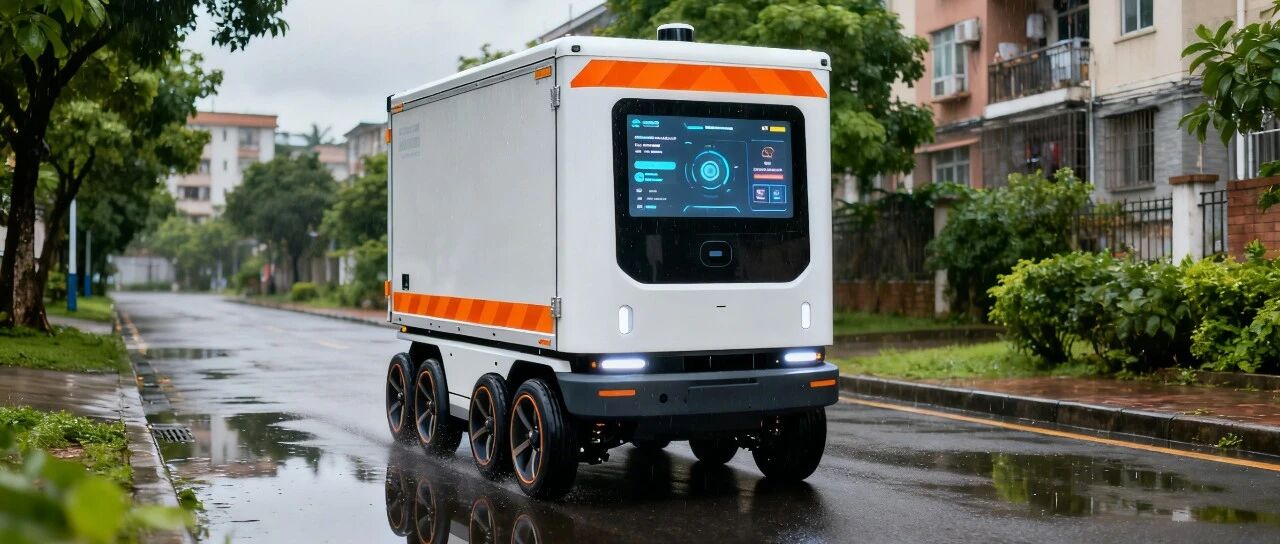
Core Insights - The 11th China Graduate Smart City Technology and Creative Design Competition aims to promote the transformation of innovative achievements in low-altitude economy and robotics in Wuhan [1] - A collaboration agreement was signed between Jiang'an District Government and Yum China (Wuhan) and SF Express for an unmanned delivery project, utilizing drones, unmanned vehicles, building robots, and smart food cabinets [1] - The unmanned delivery system is designed to operate in all weather conditions and will enhance the convenience and safety of food delivery for residents in Jiang'an District [1] Group 1 - The project aims to create a comprehensive unmanned logistics system that integrates aerial and ground delivery methods, improving delivery efficiency by over 50% and achieving zero carbon emissions through electric power [1][2] - The collaboration will leverage SF Express's full-chain unmanned delivery infrastructure to meet new consumer demands for reliable food delivery in challenging conditions [2] - The system includes automated processes such as drone delivery to smart lockers and the use of building robots for last-mile delivery, ensuring a contactless experience for users [2] Group 2 - SF Express has been expanding the commercial application of unmanned delivery technology across various sectors, including medical emergency logistics and campus food delivery [3] - The new unmanned delivery solution extends food delivery services from ground to low-altitude, establishing a coordinated aerial and ground delivery system [3] - The operational model of "human-machine collaboration and multi-dimensional complementarity" is expected to expand into more urban service areas, supporting the development of smart cities [3]
武汉市江岸区与顺丰同城签署无人配送项目合作协议
Zhong Zheng Wang· 2025-11-13 07:20
Core Viewpoint - The collaboration between Wuhan's Jiang'an District government, Yum China (Wuhan), and SF Express aims to establish a "smart Jiang'an" through an innovative unmanned delivery project that leverages drones, unmanned vehicles, building robots, and smart food pickup cabinets to enhance delivery efficiency and safety for residents [1] Group 1: Project Overview - The unmanned delivery project is designed to overcome environmental limitations such as weather and traffic, providing residents with a convenient and safe unmanned dining experience [1] - The project integrates various technologies, including drones and ground vehicles, to create a comprehensive "air and ground" unmanned delivery solution that operates 24/7 [1] Group 2: Operational Efficiency - The unmanned delivery solution is expected to improve delivery efficiency by over 50% and achieve zero carbon emissions through the use of fully electric vehicles [1] - The contactless delivery method enhances food safety, ensuring that meals are delivered securely to customers [1] Group 3: Future Prospects - The partnership aims to extend the unmanned delivery model to other urban service areas, contributing to the development of smart cities [1] - The "human-machine collaboration and multi-dimensional complementarity" operational model has the potential for broader applications in various urban services [1]