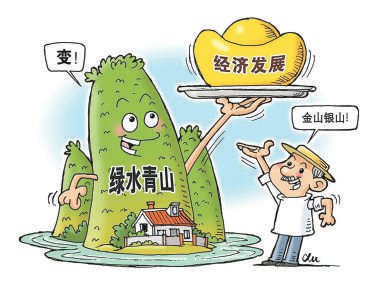
绿色发展理念

Search documents
推动大运河文化带江苏段高质量发展
Xin Hua Ri Bao· 2025-11-24 21:58
Core Viewpoint - The article emphasizes the importance of the Grand Canal Cultural Belt in Jiangsu Province as a strategic asset for achieving high-quality development during the "14th Five-Year Plan" and towards the 2035 vision, guided by the new development philosophy of "innovation, coordination, green, openness, and sharing" [1] Group 1: Innovation - The focus is on creatively transforming and innovatively developing the cultural heritage of the Grand Canal, particularly in Jiangsu, by establishing relevant academic disciplines and creating educational materials [2] - A digital sharing platform for the Grand Canal National Cultural Park will be established to integrate cultural resources, making them available for nationwide sharing [2] - The article encourages the creation of cultural industry brands themed around the Grand Canal, attracting light asset enterprises to enhance cultural and manufacturing synergies [2] Group 2: Coordination - To elevate the overall development level of the Grand Canal Cultural Belt, a long-term strategic plan must be developed, recognizing its strategic importance in Jiangsu's socio-economic development [3] - A communication and collaboration mechanism among provincial leadership and local governments will be established to promote coordinated legislative efforts and policy discussions [3] - Major projects will serve as growth poles to achieve regional collaboration and balanced development through the "polarization-diffusion" effect from leading areas like Yangzhou and Suzhou [3] Group 3: Green Development - The article advocates for a strong commitment to the concept that "lucid waters and lush mountains are invaluable assets," emphasizing the ecological value of the Grand Canal [4] - A green transformation is necessary, focusing on optimizing industrial layouts and encouraging the relocation or upgrading of high-pollution and high-energy-consuming enterprises [4] - The creation of an "Ecological Park Chain" along the Grand Canal will enhance ecological connectivity and support high-quality development in Jiangsu [4] Group 4: Openness - The article stresses the need to enhance the openness of the Grand Canal Cultural Belt during the "14th Five-Year Plan" by promoting the transformation of ports along the river and coast [5] - Policies will be introduced to attract foreign investment and improve the quality of foreign capital utilization [5] - The establishment of a "World Canal Cities Alliance" will facilitate international cooperation and resource sharing among canal cities [5] Group 5: Sharing - The focus is on ensuring that the benefits of the Grand Canal's development are shared among the people, with employment promotion schemes targeting vulnerable groups [6] - A "Cultural Achievements for All" initiative will be implemented to integrate resources along the Grand Canal, allowing for shared access to cultural sites [6] - Infrastructure improvements, such as pedestrian and bicycle paths along the river, will be developed to create a more inclusive environment for all age groups [6]
山西晋中榆次“十四五”生态环境实现历史性跨越
Zhong Guo Xin Wen Wang· 2025-11-20 07:28
Core Insights - The ecological environment in Yuci District, Jinzhong, has achieved significant improvements during the "14th Five-Year Plan" period, with a focus on green development and substantial investments [1][2]. Group 1: Air Quality Improvement - Yuci District has implemented a comprehensive strategy for air quality management, targeting ozone and seasonal pollution, leading to a historic improvement in air quality rankings [2]. - The district has eliminated over 2,000 old diesel vehicles, contributing to a greener transportation structure and reducing pollution at the source [2]. - Air quality indicators, including PM2.5 levels, have shown continuous improvement, with the air quality ranking surpassing the 100 mark for the first time [2]. Group 2: Water Quality Management - The district aims to ensure "clear water flows into the Yellow River," achieving both environmental and economic benefits through systematic governance [2]. - Water quality at national and provincial monitoring points has stabilized at compliant levels, with a 100% excellent rate for urban drinking water sources [2]. - The construction and renovation of 17 sewage treatment plants have increased rural sewage treatment rates to 52.3% [2]. Group 3: Investment and Future Plans - Over 1.3 billion yuan has been invested in ecological initiatives, leading to unprecedented efforts and results in environmental quality improvement [1][2]. - The district plans to maintain strategic focus, aiming to elevate ecological quality from "improvement and efficiency" to "leading quality" in the future [2].
西湖聚力打造青年宣讲潮品牌
Hang Zhou Ri Bao· 2025-11-18 03:01
Core Points - The event "West Lake Stories Open Mic" focuses on accelerating economic and social development through green transformation and cultural innovation [1][2] - Over 70 original works were submitted, with 10 groups selected to present their stories through various creative formats [1] - The event aims to showcase the integration of green development concepts and cultural confidence among the youth of West Lake District [1][2] Group 1 - The event was held at the Dongchao Rice Mill Contemporary Art Center and emphasized the importance of ecological civilization and cultural heritage [1] - The performances included humorous stories from local police, a situational drama about ecological changes, and various other creative expressions [2] - The judging panel praised the innovative formats and solid content of the works, reflecting the youth's deep understanding of ecological and cultural values [2] Group 2 - Awards were given for first, second, and third places, and the selected speakers received certificates as members of the "West Lake New Voice" team [2] - The initiative aims to bring these vibrant stories to grassroots, schools, businesses, and communities, ensuring the "West Lake Stories" brand continues to thrive [2]
景德镇机场成功救助野生白天鹅
Zhong Guo Min Hang Wang· 2025-11-05 10:55
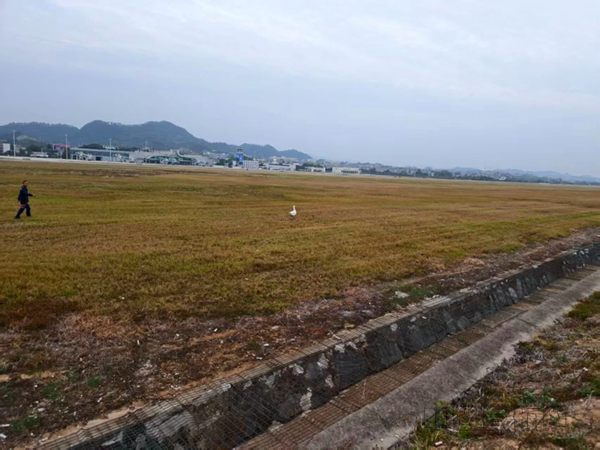
Core Points - On November 3, a white swan, a national second-class protected animal, was successfully rescued at Jingdezhen Airport during routine inspections [1][2] - The swan was found on the ground with a drooping wing and showed signs of exhaustion, likely having fallen behind during migration [2] - After being checked and found to be in good condition, the swan was released back into the wild, demonstrating the airport's commitment to ecological protection alongside aviation safety [2] Group 1 - The airport staff noticed a white swan during a routine inspection, which was in a vulnerable state [2] - The rescue operation involved careful handling to avoid startling the bird, highlighting the staff's training and preparedness [2] - The swan was found to have a minor injury but was overall in good health after rest and observation [2] Group 2 - The incident underscores the peak migration periods for birds in spring and autumn, which pose potential risks for aviation [2] - Jingdezhen Airport is actively implementing measures to prevent bird strikes while promoting ecological conservation [2] - The airport aims to balance aviation safety with environmental protection, reflecting a commitment to sustainable development [2]

把绿色发展理念进一步贯穿于经济社会发展全过程各方面
Jing Ji Ri Bao· 2025-11-02 06:30
Group 1 - The core viewpoint emphasizes that high-quality development is the primary task for building a modern socialist country, with green development as a fundamental aspect [1][2][3] - The new development concept includes innovation, coordination, green, openness, and sharing, guiding the solid advancement of high-quality development [1][2] - Green development focuses on achieving harmony between humans and nature, which is essential for meeting the growing needs of the people for a better life [1][3] Group 2 - High-quality development aims to satisfy the people's increasing demand for a beautiful living environment, highlighting the importance of ecological protection and pollution prevention [2][3] - The public's expectations have shifted from mere availability of resources to the quality of the environment, indicating a growing urgency for ecological improvements [3][4] - The need for structural and fundamental changes in ecological protection remains, with ongoing pressures in resource-based regions and the necessity for improved mechanisms for ecological compensation and carbon trading [3][4] Group 3 - Implementing the green development concept is crucial for enhancing public welfare and achieving high-quality development, necessitating a shift away from environmentally damaging growth models [4][5] - A green, low-carbon, and circular production system must be established to fundamentally address environmental pollution and improve ecological quality [4][5] - The integration of ecological protection into economic development is essential, promoting a balance between material and ecological civilization [4][5] Group 4 - The report from the 20th National Congress emphasizes that promoting green and low-carbon economic development is a key aspect of achieving high-quality growth [5][6] - The green development concept encourages the optimization and upgrading of industrial structures, moving away from traditional growth models focused solely on GDP [5][6] - The cultivation of new productive forces aligned with green development is necessary for achieving low resource consumption and minimal environmental pollution [6][7] Group 5 - The green development concept should be integrated across all sectors, including production, distribution, circulation, and consumption, to ensure efficient resource use and strict ecological protection [7][8] - There is a need for comprehensive assessments of industrial energy consumption and ecological impacts while promoting the development of green low-carbon industries [7][8] - Strengthening institutional frameworks and policies that support green transformation is essential for fostering a conducive environment for sustainable development [7][8]
简小文:推动发展方式绿色转型的行动指南
Jing Ji Ri Bao· 2025-10-29 00:09
Core Viewpoint - The article emphasizes that high-quality development is the primary task for building a modern socialist country, with green development being a fundamental aspect of this process [1][3]. Group 1: Green Development Concept - The green development concept focuses on achieving harmony between economic growth and ecological protection, ensuring that economic development does not come at the expense of the environment [2][4]. - The concept is rooted in lessons learned from both domestic and international experiences, highlighting the need for a balanced approach to development [2][4]. Group 2: Historical Context and Current Challenges - Since the reform and opening up, China has achieved rapid economic growth but has also faced significant environmental challenges due to a traditional growth model characterized by high input, high consumption, and pollution [3]. - The transition from high-speed growth to high-quality development necessitates a more urgent focus on green development to address unsustainable practices and improve living standards [3][9]. Group 3: People's Needs and Ecological Environment - The ultimate goal of high-quality development is to meet the people's growing demand for a better living environment, which includes clean air, water, and a livable habitat [5][6]. - There is an increasing urgency for ecological protection, as the public's expectations for a beautiful environment have shifted from mere availability to quality [6][7]. Group 4: Implementation of Green Development - Implementing green development is crucial for enhancing public welfare and achieving high-quality development, requiring a shift away from environmentally damaging growth models [7][10]. - The integration of green development principles into all aspects of economic and social development is essential for sustainable progress [10]. Group 5: Future Directions - The article suggests that promoting green and low-carbon development is key to achieving high-quality development, necessitating a transformation in production and consumption patterns [8][9]. - It calls for a comprehensive approach to evaluate the energy consumption and ecological impact of industrial layouts while fostering the growth of green industries and technologies [10].
推动发展方式绿色转型的行动指南
Jing Ji Ri Bao· 2025-10-28 22:29
Core Viewpoint - The article emphasizes that high-quality development is the primary task for building a modern socialist country, with green development as a fundamental aspect to achieve harmony between humanity and nature [1][3]. Group 1: Green Development Concept - The green development concept is rooted in the lessons learned from domestic and international experiences, highlighting the need to balance economic growth with ecological protection [2][4]. - The transition to green development is seen as essential to avoid the historical pitfalls of Western industrialization, which often prioritized economic gains at the expense of environmental health [4][9]. Group 2: Economic and Environmental Balance - The article discusses the shift from a high-speed growth phase to a high-quality development phase, stressing the urgency of addressing environmental issues while pursuing economic growth [3][9]. - It highlights the necessity of transforming traditional industries and fostering new industries to enhance economic resilience and sustainability [3][9]. Group 3: People's Needs and Ecological Environment - The article states that meeting the people's demand for a beautiful ecological environment is crucial for high-quality development, linking ecological protection with economic benefits [5][6]. - It emphasizes that the public's expectations for a better living environment are increasing, necessitating a focus on ecological restoration and sustainable practices [6][7]. Group 4: Implementation of Green Development - The article outlines the need for a comprehensive approach to integrate green development principles across all sectors, including production, distribution, and consumption [10]. - It calls for the establishment of a robust policy framework to support green transformation, including financial, tax, and regulatory measures [10].
理论荐读|“绿水青山就是金山银山”
Bei Jing Ri Bao Ke Hu Duan· 2025-10-20 01:37
Group 1 - The core concept of "Green mountains and clear waters are as valuable as mountains of gold and silver" is emphasized as a major principle for advancing socialist modernization, highlighting the need to balance development with ecological protection [2][3] - Xi Jinping's ecological civilization thought provides direction and fundamental guidance for promoting the construction of a beautiful China and achieving harmonious coexistence between humans and nature [3][11] - The "Thousand Villages Demonstration, Ten Thousand Villages Renovation" project initiated in 2003 has achieved significant results, recognized internationally, and serves as a successful practice of the "Green mountains and clear waters" concept in rural areas [10][11] Group 2 - The concept of "Green mountains and clear waters" is not only an environmental principle but also a reflection of economic and social wealth, indicating that protecting the environment is essential for sustainable development [3][7] - The establishment of 572 national ecological civilization construction demonstration cities and counties, along with 240 "Green mountains and clear waters" practice innovation bases, showcases the widespread implementation of Xi Jinping's ecological civilization thought across the country [11] - The emphasis on green development is seen as a necessary transformation in development philosophy, aiming to create a sustainable and harmonious relationship between economic growth and environmental protection [7][8]
走近大国工程丨“蛟龙”穿江探访在建的世界最长公路水下盾构隧道
Zhong Yang Ji Wei Guo Jia Jian Wei Wang Zhan· 2025-10-20 00:38
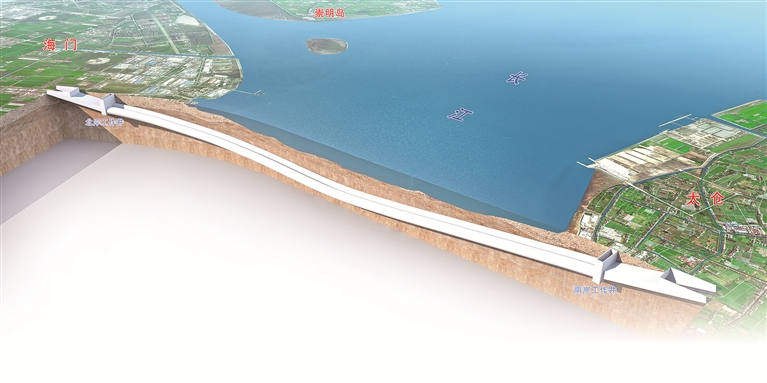
Core Viewpoint - The article highlights the significant advancements in China's transportation infrastructure, particularly focusing on the construction of the Hai-Tai Yangtze River Tunnel, which utilizes domestically developed ultra-large diameter shield machines to enhance connectivity and efficiency in the region [4][6][17]. Group 1: Project Overview - The Hai-Tai Yangtze River Tunnel is a key project under the "14th Five-Year Plan," aiming to connect the cities of Nantong and Suzhou, significantly reducing travel time across the Yangtze River from over an hour to just 10 minutes [6][7]. - The tunnel will be the world's longest underwater shield tunnel, with a total length of 11.185 kilometers and a shield section of 9.315 kilometers [8]. Group 2: Technological Innovations - The project employs two ultra-large diameter shield machines, "Jiang Hai" and "Cang Yuan," each with a diameter exceeding 16.6 meters, specifically designed to meet the project's unique challenges [7][8]. - The "Jiang Hai" shield machine features a main bearing with a diameter of 8.6 meters, the largest of its kind in the world, ensuring efficient and safe tunneling operations [9]. Group 3: Safety and Efficiency Measures - The "Jiang Hai" machine incorporates advanced technologies such as a constant pressure tool replacement system, allowing for safe and efficient maintenance during long-distance tunneling [10]. - Real-time data monitoring and analysis are facilitated through a digital platform, enhancing operational safety and efficiency by allowing for immediate adjustments based on geological conditions [11][12]. Group 4: Environmental Considerations - The project adopts a clean energy supply system integrating wind, solar, and storage, expected to generate approximately 24 million kilowatt-hours annually, significantly reducing carbon emissions compared to traditional power sources [14][15]. - The construction process emphasizes recycling and waste management, with measures in place to treat and reuse wastewater and repurpose excavated materials [15][16]. Group 5: Strategic Importance - The Hai-Tai Yangtze River Tunnel is positioned as a critical infrastructure project that aligns with China's broader transportation strategy, enhancing regional connectivity and supporting economic development [4][17]. - The project exemplifies China's commitment to sustainable development, aiming to create a "zero-carbon tunnel" throughout its lifecycle [14][16].
“绿水青山就是金山银山”
Bei Jing Ri Bao Ke Hu Duan· 2025-10-19 21:17
Core Concept - The article emphasizes the importance of the concept "Lucid waters and lush mountains are invaluable assets," which integrates economic development with ecological protection, advocating for a harmonious coexistence between humans and nature [2][5][11]. Group 1: Principles of Ecological Civilization - The principle of "Lucid waters and lush mountains are invaluable assets" is a major guideline for socialist modernization, highlighting the need to balance development with ecological protection [3][5]. - Xi Jinping's ecological civilization thought provides direction and fundamental adherence for promoting beautiful China and achieving modernity in harmony with nature [4][11]. Group 2: Historical Context and Development - Since the 18th National Congress, Xi Jinping has repeatedly stressed the significance of ecological protection, stating that ecological prosperity leads to civilizational prosperity [3][5]. - The "Thousand Villages Demonstration, Ten Thousand Villages Renovation" project initiated in 2003 has achieved significant results, recognized internationally for its sustainable development approach [10][11]. Group 3: Implementation and Practice - The implementation of the "Lucid waters and lush mountains" principle has led to the establishment of numerous ecological civilization demonstration cities and innovation bases across the country, providing valuable experiences for other regions [11]. - Xi Jinping's emphasis on afforestation and ecological restoration reflects a commitment to enhancing the ecological environment as a foundation for sustainable development [6][7].