
虚拟货币监管

Search documents
月薪可观!反洗钱师为何成企业抢手资源?
Sou Hu Cai Jing· 2025-12-10 04:18
Core Insights - The recent meeting involving thirteen core departments has classified virtual currency-related activities, including stablecoins, as illegal financial activities due to their inability to meet customer identification and anti-money laundering requirements [1][2] - The regulatory shift marks a new phase in virtual currency oversight, particularly emphasizing the risks associated with stablecoins, which have a circulation scale exceeding $184 billion [2][4] Regulatory Changes - The meeting highlighted the core flaws of stablecoins, particularly their failure to comply with basic regulatory requirements such as customer identification and anti-money laundering [2] - The regulatory tightening is a continuation of China's stance on virtual currencies since 2013, when Bitcoin was defined as a "specific virtual commodity" [2] Risk Identification - The regulatory upgrade targets three main risks: the extreme volatility of the virtual currency market, the rapid expansion of the stablecoin market with questionable issuance mechanisms and reserve transparency, and the use of stablecoins in illegal activities [4] - From January to October 2025, 47 cases of fraud related to stablecoins were reported, involving a total of 5.6 billion yuan [4] Impact on Business Activities - The new regulations will strictly prohibit any business activities related to stablecoins within the country, exposing individuals and institutions to legal risks if they engage in issuance, trading, or related services [4] Compliance Obligations - Financial institutions face increased compliance pressure, as they are prohibited from providing any services related to virtual currency activities and must enhance customer due diligence [5] - The development of the digital yuan, a state-issued legal digital currency, contrasts sharply with the anonymity and regulatory challenges posed by stablecoins [5] Professional Opportunities - The demand for professionals in the anti-money laundering field is expected to rise significantly, especially with the implementation of the new Anti-Money Laundering Law on January 1, 2025 [6][9] - The introduction of the Anti-Money Laundering Specialist certification exam will cater to various levels of professionals, with the exam scheduled for March 21, 2026 [6] Certification and Recognition - The Anti-Money Laundering Specialist certificate will be issued by the China Enterprise Financial Management Association, ensuring its authority and industry recognition [7] - Professionals holding this certification can expect a significant salary increase compared to non-certified individuals, making it a valuable asset in the increasingly stringent compliance landscape [9]

比特币12月开门就迎“过山车”:虚拟资产狂潮渐退,监管重拳筑牢风险防线
Sou Hu Cai Jing· 2025-12-03 12:44
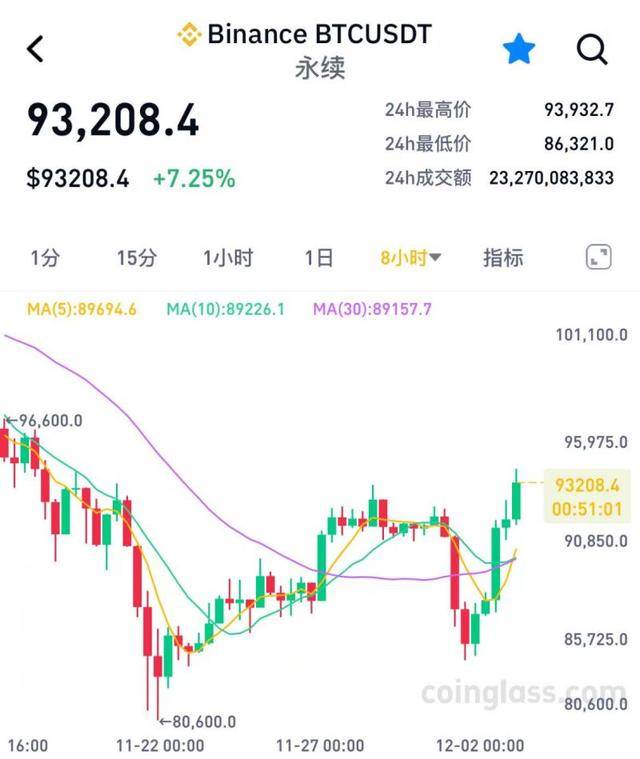
Market Overview - Bitcoin experienced significant volatility in early December, dropping below $85,000 on December 1 with a maximum daily decline exceeding 7%, before rebounding above $90,000 on December 2, closing at $93,208.4, a 7.25% increase within 24 hours [2][3] - Over 120,000 traders faced liquidation in the last 24 hours, with total liquidations amounting to approximately $500 million [2] Price Volatility Factors - The price of Bitcoin is heavily influenced by market sentiment, lacking backing from national credit or actual cash flow, leading to extreme price fluctuations due to policy changes, technical vulnerabilities, or market emotions [2] - The high leverage trading structure within the Bitcoin ecosystem can trigger a "death spiral" of price drops and liquidations from minor price changes [2] - Bitcoin's price has seen over 50 instances of declines exceeding 10% since 2010, with an average drop of 30% during these corrections [3] Market Dynamics - The cryptocurrency market is characterized by insufficient depth and weak liquidity, making it susceptible to significant price swings from large trades or sudden shifts in sentiment [4] - Factors contributing to the recent downturn include persistent outflows from Bitcoin ETFs, uncertainty surrounding Federal Reserve interest rate cuts, selling by large investors, and tightening domestic policies [4] - Data indicates that BlackRock's Bitcoin spot ETF saw a net outflow of $2.34 billion in November, with trading volumes on centralized exchanges dropping to $1.59 trillion, a 26.7% decline from October [4] Regulatory Environment - The Chinese government continues to enforce strict regulations against cryptocurrency trading, emphasizing that virtual currencies do not hold the same legal status as fiat currencies and are considered illegal financial activities [6] - Legal experts warn that engaging in cryptocurrency investments poses legal risks, as activities related to virtual currencies may be deemed invalid under civil law [6] Future Outlook - Experts express skepticism about Bitcoin's future, suggesting it cannot replace fiat currencies and lacks intrinsic value as an investment asset [5] - The ongoing tightening of regulations by major economies may signal the end of the "currency experiment" that Bitcoin represents, with the potential for significant market adjustments [5][9] - The future of stablecoins is contingent on the speed and rigor of regulatory compliance, with products relying heavily on high leverage facing increased scrutiny [9]
加密货币市场急挫引发连锁反应 A股港股概念股集体承压
Di Yi Cai Jing· 2025-12-02 12:53
Core Viewpoint - The cryptocurrency market is experiencing significant downward pressure due to multiple factors, including macroeconomic policy expectations, institutional selling, and increased regulatory scrutiny, leading to a decline in both cryptocurrency prices and related stocks in A-shares and Hong Kong markets [1][2][5][6]. Market Performance - As of December 2, A-shares and Hong Kong stocks related to cryptocurrency continued to decline, with notable drops in companies like Jingbeifang, Hailian Jinhui, and Cuiwei Co., each down approximately 1% [1]. - The cryptocurrency market has seen Bitcoin drop to a low of $84,000, a nearly 30% decrease from its peak of $126,251 in early October, while Ethereum experienced a drop exceeding 10% on December 1 [1][2]. Institutional Behavior - Institutional investors have been a core factor in the recent market adjustment, with over $20 billion in cryptocurrency assets sold since September [3]. - The end of the year has prompted many institutions to lock in profits, leading to increased selling pressure and a slowdown in ETF fund inflows, which are critical indicators of institutional risk appetite [3][5]. Leverage and Market Dynamics - The December 1 drop was characterized by a significant leverage liquidation effect, with over 270,000 contracts forcibly liquidated, amounting to nearly $985 million, predominantly affecting long positions [2]. - The market structure has shown that once macro expectations are re-evaluated, the speed of liquidation can accelerate, leading to broader market declines [2][4]. Regulatory Impact - Recent regulatory developments in China have intensified scrutiny on virtual currencies, particularly stablecoins, which are now included in regulatory frameworks due to concerns over their use in illicit activities [6]. - Experts believe that the regulatory stance reflects ongoing concerns about potential risks in the cryptocurrency sector, rather than a tightening of existing policies [6][7]. Macroeconomic Factors - The upcoming Federal Reserve meeting has created uncertainty, with officials emphasizing persistent inflation and the need for restrictive monetary policy, dampening expectations for interest rate cuts [5]. - The tightening of dollar liquidity and the weakening of risk asset sentiment have further pressured the cryptocurrency market, which is sensitive to interest rate expectations [5].
中美经济大战升级!中国13部门联合围剿,禁止美国靠虚拟货币平债
Sou Hu Cai Jing· 2025-12-02 10:45
Core Viewpoint - The cryptocurrency landscape is shifting as some Western countries are easing restrictions on virtual currencies to gain an advantage in the digital finance sector [1][19]. Regulatory Actions - A meeting led by the central bank on November 28 involved 13 key departments, signaling a strong commitment to combat illegal financial activities related to virtual currencies [1][3]. - The meeting emphasized the need for a multi-departmental approach to address the cross-regional and cross-sector risks associated with cryptocurrency trading [7][9]. Focus on Stablecoins - Stablecoins have been identified as a primary target for regulatory scrutiny due to their perceived safety and potential use in illegal activities [8][13]. - The lack of stringent identity verification processes in stablecoin transactions increases the risk of money laundering and fraud [11][13]. International Context - The global financial community is increasingly cautious about stablecoins, with concerns about their compliance with anti-money laundering standards [15][17]. - China's strict regulation of stablecoins aligns with international regulatory consensus and aims to protect national financial security [17][19]. Innovation vs. Regulation - China is pursuing a dual-track approach, maintaining strict regulations on virtual currencies while promoting the pilot and application of the digital yuan [21][23]. - The regulatory framework in Hong Kong allows for compliant stablecoin operations, showcasing a balance between risk management and innovation [21][23]. Investor Implications - The joint statement from the 13 departments serves as a clear warning to investors that participation in virtual currency activities may lead to financial losses and legal consequences [25]. Future Outlook - China is committed to integrating technological innovation within the framework of national sovereignty, indicating a strategic approach to the evolving global financial landscape [26].

稳定币纳入虚拟币监管范畴
Xin Lang Cai Jing· 2025-12-02 06:59
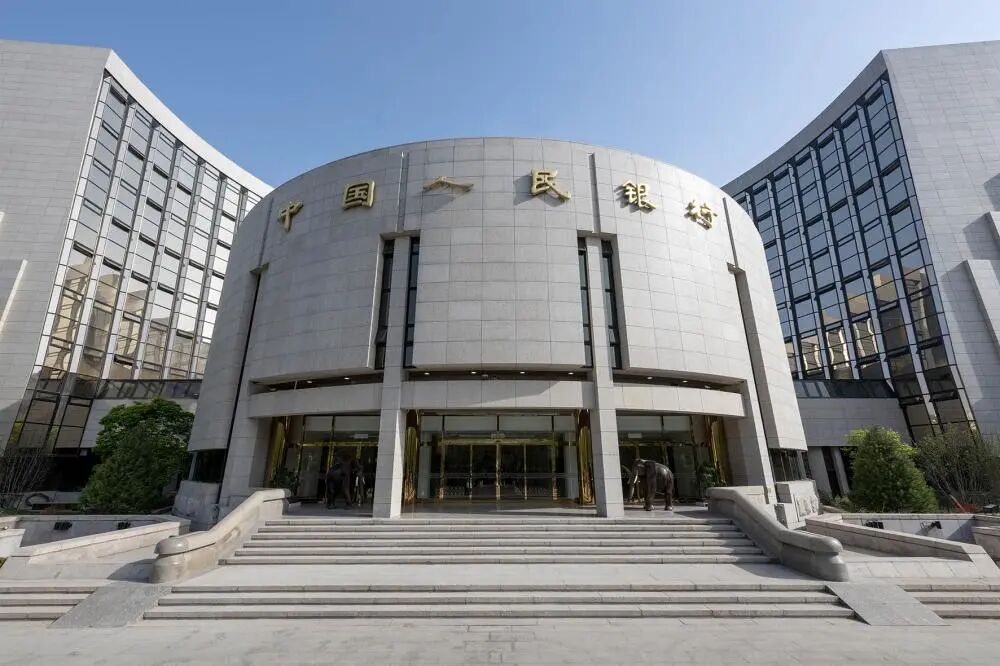
Core Viewpoint - The People's Bank of China (PBOC) has reinforced its regulatory stance on stablecoins, categorizing them as a form of virtual currency that does not hold the same legal status as fiat currency and is subject to strict regulations against illegal financial activities [1][15][23]. Regulatory Evolution - China's regulatory approach to virtual currencies and stablecoins has been gradually deepening and improving, forming a dynamic governance system that adapts to market developments [3][17]. - The regulatory history dates back to 2013, with various government bodies consistently asserting that virtual currencies do not have the same legal status as fiat currency [3][17]. - Key regulatory milestones include the 2021 notice that elevated the regulatory framework, leading to the closure of domestic virtual currency trading platforms [3][17]. Recent Developments - The recent meeting emphasized the risks associated with stablecoins, including their potential use in money laundering and fraud, and the inability to meet customer identification and anti-money laundering requirements [1][15][22]. - The introduction of Hong Kong's Stablecoin Regulation on August 1, 2025, has drawn attention to the need for a clear regulatory framework for stablecoin issuers [4][19]. Risk Considerations - Stablecoins are seen as high-risk due to their potential for misuse in illegal financial activities, with experts highlighting their anonymity and lack of transparency as significant concerns [22][26]. - The PBOC's classification of stablecoins as virtual currencies aims to prevent them from challenging the status of the digital yuan and to maintain the stability of the financial system [20][23]. Future Implications - The regulatory tightening is expected to shrink the operational space for stablecoins within China, with activities related to issuance, promotion, and trading being classified as illegal financial activities [11][24]. - The anticipated shift in stablecoin technology and liquidity towards offshore and regional financial centers is likely, as domestic regulations become more stringent [24]. - Future regulatory measures may focus on enhancing cooperation among various regulatory bodies and improving technological capabilities to combat illegal activities effectively [26].
21社论丨强化虚拟货币监管,维护经济金融秩序稳定
21世纪经济报道· 2025-12-02 02:37
Core Viewpoint - The central theme of the articles is the Chinese government's continued strict stance against virtual currencies, including stablecoins, emphasizing the need to combat illegal financial activities associated with them and protect citizens' financial security [1][3]. Group 1: Regulatory Actions and Implications - The People's Bank of China has reiterated its commitment to prohibiting virtual currencies and will continue to crack down on illegal financial activities related to them [1]. - Stablecoins are classified as a form of virtual currency and are currently unable to meet requirements for customer identity verification and anti-money laundering, posing risks of being used for illegal activities such as money laundering and fraud [1][2]. - The international financial community is increasingly recognizing the systemic risks posed by stablecoins, particularly in the context of the U.S. using them to reinforce the dollar's global dominance [2]. Group 2: Market Dynamics and Risks - The market for stablecoins is expanding rapidly, with projections indicating that by the end of 2028, the issuance of dollar stablecoins could reach $2 trillion, creating an additional $1.6 trillion demand for U.S. short-term government bonds [2]. - The significant growth in stablecoin supply may lead to outflows from retail bank deposits, putting pressure on banks and potentially resulting in a $6.6 trillion deposit diversion in the U.S. banking sector [2]. - The largest dollar stablecoins hold substantial amounts of U.S. short-term government bonds, and a potential run on these stablecoins could trigger a sell-off of these assets, leading to broader financial market risks [2]. Group 3: Market Sentiment and Speculation - The instability of stablecoins is increasing, as evidenced by the recent significant de-pegging of USDe, which is not backed by fiat or hard assets but rather by users collateralizing their crypto assets [3]. - Speculative activities in the cryptocurrency market are being fueled by optimism in the U.S. stock market driven by AI advancements, creating a dual risk where concerns over an AI bubble could lead to a sell-off in crypto assets [3]. - The interconnectedness of AI infrastructure financing and cryptocurrency speculation presents substantial financial risks, particularly in a volatile market environment [3].

稳定币=虚拟币!币圈幻想瞬间刺破
Shang Hai Zheng Quan Bao· 2025-12-01 19:23
Core Viewpoint - The People's Bank of China has officially classified stablecoins as a form of virtual currency, reinforcing its ban on virtual currency trading and highlighting the risks associated with stablecoins being used for illegal activities [1][2][3] Group 1: Regulatory Actions - The recent meeting led by the People's Bank of China aims to combat virtual currency trading and has defined stablecoins as virtual currencies, dispelling the notion of an exception for stablecoins in the crypto market [1] - The central bank emphasizes the need to maintain a prohibitive policy on virtual currencies and to continue cracking down on illegal financial activities related to them [1][3] Group 2: Market Reactions - Following the regulatory announcements, the cryptocurrency market experienced a significant downturn, with Bitcoin dropping below $86,000 and related stocks in Hong Kong seeing declines of over 15% [1] - The market's sensitivity to regulatory signals indicates the substantial impact of the People's Bank of China's stance on stablecoins [1] Group 3: Risks Associated with Stablecoins - Stablecoins, originally intended to mitigate cryptocurrency price volatility, have increasingly been used as tools for money laundering, illegal fundraising, and capital flight [2] - Reports indicate that stablecoins dominate the over-the-counter trading market in China, acting as a "shadow dollar" to circumvent foreign exchange controls [2] Group 4: Recommendations for Monitoring and Compliance - Financial institutions are advised to enhance customer identity verification and anti-money laundering systems, particularly for transactions involving stablecoins [4] - Payment institutions should avoid facilitating illegal virtual currency transactions and improve data-sharing mechanisms [4] - Law enforcement agencies are encouraged to enhance cross-border collaboration and include stablecoin transactions in the scope of illegal foreign exchange trading [4]
13部门联手严打炒币
第一财经· 2025-12-01 15:28
Core Viewpoint - The article discusses the recent regulatory developments regarding stablecoins in China, emphasizing their classification as virtual currencies and the associated risks, including money laundering and illegal cross-border fund transfers [3][5][10]. Regulatory Developments - The People's Bank of China (PBOC) led a meeting with 13 national regulatory bodies to officially include stablecoins in the virtual currency regulatory framework, marking a significant upgrade in regulatory measures [3][5]. - The meeting highlighted the need for enhanced compliance with customer identity verification and anti-money laundering (AML) requirements, as stablecoins currently do not meet these standards [3][5][10]. Risks Associated with Stablecoins - Stablecoins are increasingly being used for illegal activities, including money laundering and fraudulent fundraising, posing challenges to financial order [5][6]. - The article cites a case where individuals used stablecoins to facilitate illegal foreign exchange transactions, amounting to 6.5 billion yuan over three years [6]. International Context - The risks posed by stablecoins have become a focal point in global financial discussions, particularly at the recent IMF and World Bank meetings, where concerns about their inability to meet basic regulatory requirements were raised [9][10]. - The volatility of cryptocurrencies, particularly Bitcoin, has led to increased speculation and illegal activities, necessitating ongoing regulatory vigilance [10][11]. Ongoing Regulatory Efforts - Since 2013, China has established a multi-layered regulatory framework to address the illegal nature of virtual currencies, with various policies still in effect [10][11]. - The PBOC plans to continue its crackdown on domestic virtual currency operations and closely monitor the development of overseas stablecoins [11][12].

13部门联手严打炒币 稳定币纳入虚拟币监管范畴
Di Yi Cai Jing· 2025-12-01 13:48
Core Viewpoint - The People's Bank of China has officially included stablecoins in the regulatory framework for virtual currencies, signaling a significant upgrade in the regulatory approach to combat illegal financial activities associated with virtual currencies [1][2]. Regulatory Developments - A meeting led by the People's Bank of China involved 13 national regulatory bodies, marking a comprehensive upgrade in the regulatory framework for virtual currencies, particularly focusing on stablecoins [1][2]. - The meeting emphasized the need for enhanced collaboration among regulatory units to improve monitoring capabilities and combat illegal activities related to stablecoins [2][3]. - The inclusion of stablecoins in the illegal financial activities framework indicates a more stringent regulatory environment aimed at curbing money laundering and other illicit activities [1][2]. Market Implications - The volatility in the cryptocurrency market, particularly the significant fluctuations in Bitcoin prices, has raised concerns about the stability and regulatory compliance of stablecoins [1][6]. - Rating agency S&P Global has downgraded Tether (USDT) from "4" (restricted) to "5" (vulnerable), reflecting growing concerns about the risks associated with stablecoins [1]. Legal Actions - There has been an increase in regulatory actions against cryptocurrency businesses, with many being prosecuted for illegal operations, money laundering, and other financial crimes [3][4]. - A notable case involved a group that facilitated illegal foreign exchange transactions using stablecoins, highlighting the risks of cross-border financial flows facilitated by these digital assets [3]. Global Context - The risks associated with stablecoins have become a focal point in global financial discussions, particularly at the recent IMF and World Bank meetings, where concerns about their compliance with anti-money laundering regulations were raised [5][6]. - The ongoing challenges in regulating stablecoins reflect broader issues in the global financial system, including vulnerabilities in financial sovereignty for developing economies [5]. Ongoing Monitoring - The regulatory landscape for virtual currencies, including stablecoins, is expected to remain stringent, with continuous efforts to monitor and evaluate developments in both domestic and international markets [7]. - The People's Bank of China plans to maintain its prohibitive stance on virtual currencies while closely tracking the evolution of stablecoins globally [7].
13部门联手严打炒币,稳定币纳入虚拟币监管范畴
Di Yi Cai Jing· 2025-12-01 13:38
Core Viewpoint - The People's Bank of China has officially included stablecoins in the regulatory framework for virtual currencies, highlighting the risks associated with their use in illegal activities such as money laundering and cross-border fund transfers [1][2][5]. Regulatory Developments - A recent meeting led by the People's Bank of China involved 13 national regulatory bodies, marking a significant upgrade in the regulatory approach to virtual currencies, particularly stablecoins [1][2]. - The meeting emphasized the need for enhanced collaboration among regulatory units to improve monitoring capabilities and combat illegal financial activities [2][3]. Market Implications - The rating agency S&P Global has downgraded Tether (USDT) from "4" (restricted) to "5" (vulnerable), reflecting growing concerns over the stability and compliance of major stablecoins [1]. - The volatility in the cryptocurrency market, particularly the dramatic fluctuations in Bitcoin prices, has intensified scrutiny on stablecoins and their potential to disrupt financial order [5][6]. Legal Actions - Chinese judicial authorities have increased their regulatory efforts against cryptocurrency businesses, with many being prosecuted for illegal operations related to stablecoins [3][4]. - A notable case involved a group that facilitated illegal foreign exchange transactions using stablecoins, amounting to 6.5 billion yuan over three years [3]. Global Context - The risks associated with stablecoins have become a focal point in international discussions, particularly at the recent IMF and World Bank meetings, where concerns about their role in money laundering and regulatory evasion were raised [5][7]. - The ongoing regulatory measures in China are part of a broader global trend towards stricter oversight of virtual currencies, with an emphasis on maintaining financial stability [7].