新型工业化

Search documents
全链条创新突围、破解科技成果转化梗阻的湖南—— 从实验室走向生产线 为新型工业化发展注入源源动力
Zheng Quan Shi Bao· 2025-11-21 22:59
Group 1: Core Insights - Hunan Province is leveraging a full-chain innovation approach to overcome the bottleneck of technology transfer, facilitating the transition from "laboratory" to "production line" and injecting momentum into new industrialization [1][2] - The province's modern industrial system is supported by significant growth in sectors such as new energy, electronic information, and quantum technology, contributing valuable experiences for national industrial development [1][2] - The "4×4" modern industrial system strategy aims to rejuvenate traditional industries, strengthen advantageous sectors, and cultivate emerging and future industries through systematic layout [2][3] Group 2: Technological Innovation and Infrastructure - Changsha has achieved a social R&D investment intensity of 3.3%, with over 400 key core technologies developed in the past five years [3] - Zhuzhou is focusing on the "manufacturing plant + research institute" model to deepen the integration of technological and industrial innovation, resulting in breakthroughs in key technologies [3][5] - The establishment of high-level pilot testing platforms is crucial for technology transfer, with the government emphasizing the need for a comprehensive innovation platform system [4][5] Group 3: Role of Enterprises - Enterprises are recognized as the core entities in technology transfer, with Hunan promoting a collaborative model between large and small enterprises to foster innovation [6] - Xiangtan has implemented legislative measures to enhance the technology transfer system, facilitating projects like magnesium-based materials and sodium-ion battery materials [6] - The province has nurtured a tiered innovation enterprise structure, with 4 trillion-level enterprises and 53 billion-level enterprises leading the way in industrial innovation [6][7] Group 4: Case Studies and Achievements - Lean Transmission has developed a comprehensive transmission system design software, filling a gap in domestic capabilities and achieving self-sufficiency in gear transmission system design [7] - The province's approach to innovation is exemplified by various successful case studies, demonstrating the effective transformation of research outcomes into productive forces [7]
全链条创新突围、破解科技成果转化梗阻的湖南——从实验室走向生产线为新型工业化发展注入源源动力
Zheng Quan Shi Bao· 2025-11-21 16:35
Core Viewpoint - Hunan Province is leveraging a full-chain innovation approach to overcome the bottleneck of technology transfer, facilitating the transition of scientific achievements from laboratories to production lines, thereby injecting new momentum into the development of new industrialization [1][2]. Group 1: New Industrialization in Hunan - Hunan is recognized as an important manufacturing base in central China, with significant growth in industries such as new energy, electronic information, and quantum technology, contributing valuable experiences for modern industrial system construction [1][2]. - The "14th Five-Year Plan" emphasizes major progress in new industrialization as a key economic and social goal [2]. Group 2: Technological Innovation and Transformation - The key to effective technology transfer lies in systematic layout, with Hunan's "4×4" modern industrial system strategy aimed at revitalizing traditional industries and fostering emerging and future industries [2]. - Hunan is advancing future industries like artificial intelligence and quantum technology through a project-based approach, creating a distinctive industrial matrix [2]. Group 3: Role of Cities in Innovation - Changsha has implemented various policies to enhance the integration of technology research, application, and achievement transformation, achieving a social R&D investment intensity of 3.3% and breaking through over 400 key technologies in the past five years [3]. - Zhuzhou focuses on the "manufacturing plant + research institute" model to deepen the integration of technological and industrial innovation, achieving significant breakthroughs in key technologies [3]. Group 4: Mid-Stage Testing Platforms - Mid-stage testing platforms serve as incubators and accelerators for technology transfer, with the Ministry of Industry and Information Technology emphasizing the need for a systematic layout of high-level testing platforms by the end of 2027 [4]. - Hunan has established a comprehensive innovation platform system, including national key laboratories and manufacturing innovation centers, to facilitate the transition from laboratory to production line [4][5]. Group 5: Enterprise Innovation - Enterprises are the core entities in technology transfer, with Hunan promoting a model where large enterprises lead and small and medium-sized enterprises collaborate, resulting in a multi-tiered innovation enterprise structure [6]. - Xiangtan has pioneered legislation to enhance the technology transfer system, promoting projects like magnesium-based materials and sodium-ion battery materials [6]. - Hunan has four enterprises with over 100 billion in revenue and 53 with over 10 billion, fostering a total of 72 national manufacturing champions and 593 specialized "little giant" enterprises [6]. Group 6: Case Studies of Innovation - Lean Transmission has developed key core technologies in transmission system design software, filling a domestic gap and achieving self-control in gear transmission system design [7]. - Hunan's full-chain innovation approach is effectively addressing institutional bottlenecks and platform constraints, accelerating the transformation of innovative achievements into productive forces [7].
长株潭城市群,找到了新型工业化的进阶密码
21世纪经济报道· 2025-11-21 12:45
Core Viewpoint - The article highlights the unique industrial development path of Hunan Province, particularly in the Changsha-Zhuzhou-Xiangtan urban agglomeration, focusing on "intelligentization" and "industrial clusters" as key themes in the new industrialization exploration [1][2]. Intelligentization - Hunan aims to establish 360 new benchmark enterprises in intelligent manufacturing by 2025, with intelligentization deeply integrated into various industrial sectors [1]. - Changsha has cultivated 396 intelligent manufacturing enterprises and has been recognized as one of the first pilot cities for new manufacturing technology transformation in China [4]. - Companies like Hunan Zhongnan Intelligent Equipment Co., Ltd. provide intelligent solutions across multiple industries, utilizing diverse algorithms to meet varying customer needs [5]. Industrial Clusters - The Hunan government emphasizes the importance of industrial clusters, aiming to enhance industrial capabilities and develop 13 key industrial chains [1][2]. - Zhuzhou has established the first intelligent manufacturing workshop for bogies globally and has launched the largest data center in Central South China [11]. - Xiangtan has initiated the "Intelligent Empowerment for Thousands of Enterprises" campaign, resulting in the establishment of 355 intelligent manufacturing enterprises and 764 intelligent production lines [11]. Economic Performance - In the first three quarters, Changsha's exports of "newly added value" products saw significant growth, with industrial robots and agricultural machinery exports increasing by 170.1% and 174.7%, respectively [15]. - Zhuzhou's industrial added value increased by 9.8%, with manufacturing value growing by 10.4%, leading the province [15]. - Xiangtan's industrial landscape has transformed from traditional sectors to advanced steel, electric vehicles, and advanced batteries, with significant contributions from key enterprises [15]. New Industries Development - The North Star industry in Zhuzhou has grown from scratch, achieving a scale of 11.3 billion yuan and establishing the first commercial satellite factory in the province [20]. - The medical device industry in Xiangtan has also developed from the ground up, with the establishment of a specialized industrial park that has attracted over 290 enterprises and generated significant tax revenue [22]. Conclusion - The exploration of new industrialization in Changsha, Zhuzhou, and Xiangtan is characterized by a combination of leveraging existing industrial foundations and fostering new industries through supportive policies and ecosystem development [22].

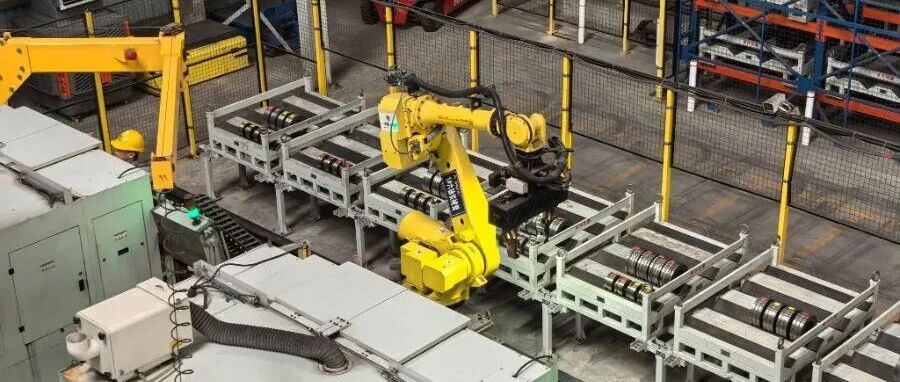
长株潭走访记:工业老城如何焕新?
2 1 Shi Ji Jing Ji Bao Dao· 2025-11-21 12:25
Core Insights - The article discusses the transformation of the industrial cities of Changsha, Zhuzhou, and Xiangtan, highlighting their historical significance in China's industrial landscape and their current efforts to develop emerging industries [1] Spatial Dimension - Zhuzhou and Changsha leverage industrial clustering to create spatial advantages for nurturing new industries, with Zhuzhou designated as a key area for the development of the Beidou industry despite lacking a foundational base [2] - The local advanced manufacturing clusters, such as rail transit equipment and small aircraft engines, attract enterprises to Zhuzhou, facilitating the integration of satellite manufacturing with existing industrial capabilities [3] - Changsha focuses on upstream and downstream industrial support, exemplified by Minghe Group, which benefits from the proximity of major engineering machinery companies in the region [3] Temporal Dimension - Xiangtan's experience in establishing a medical device industrial park serves as a model, emphasizing service-oriented strategies to compensate for the lack of an existing industrial base [5] - The medical device industrial park has a dedicated team that can provide standardized proposals within three days, significantly accelerating the product launch process for companies [6] - The park's project approval process has been streamlined, reducing approval time by 72% and attracting over 290 enterprises, leading to a substantial increase in output value from several million to 3.046 billion yuan from 2021 to 2024 [6] Future Outlook - The article suggests that the industrial renewal in Changsha, Zhuzhou, and Xiangtan is not about starting from scratch but rather building on historical strengths to foster new growth [7] - As the modern industrial system continues to develop, these cities are expected to attract more emerging and future industries, indicating a promising trajectory for Hunan's industrial development [7]

长株潭走访记:工业老城如何焕新?丨记者观察
2 1 Shi Ji Jing Ji Bao Dao· 2025-11-21 12:05
Core Viewpoint - The article discusses the transformation of the industrial cities of Changsha, Zhuzhou, and Xiangtan, emphasizing their efforts to develop emerging industries while leveraging their historical industrial foundations [1][7]. Spatial Dimension - Zhuzhou and Changsha are utilizing industrial clustering to create spatial advantages for nurturing new industries, with Zhuzhou being designated as a key area for the development of the Beidou industry despite lacking a foundational base in this sector [2][3]. - The local advanced manufacturing clusters, such as rail transit equipment and small aircraft engines, are attracting new enterprises to Zhuzhou, capitalizing on the region's existing industrial strengths [2][3]. Time Dimension - Xiangtan's experience in establishing a medical device industrial park serves as a model, focusing on service efficiency to attract businesses despite lacking a foundational industry in medical devices [5][6]. - The medical device industrial park has implemented a streamlined process that reduces project approval time by 40% and accelerates the overall timeline by 72%, significantly enhancing its appeal to medical device companies [6]. Integration of Industry and Smart Manufacturing - The integration of smart manufacturing with traditional industries is exemplified by the comprehensive smart manufacturing platform, Zhongnan Intelligent, which combines software solutions with locally sourced hardware, enhancing efficiency and competitiveness [4]. Future Outlook - The ongoing modernization of the industrial system in Changsha, Zhuzhou, and Xiangtan is expected to attract more emerging and future industries, indicating a promising future for the industrial development in Hunan province [7].
从产业集群到智能车间:新型工业化“进阶密码”
2 1 Shi Ji Jing Ji Bao Dao· 2025-11-21 09:17
Core Insights - Hunan Province is actively exploring new industrialization paths, with Changsha, Zhuzhou, and Xiangtan as the core growth areas for industrial development [2][4][5] - The focus on "intelligentization" and "industrial clusters" is emphasized in Hunan's industrial strategy, aiming to enhance efficiency and innovation [4][19] Industrial Development - Hunan's government aims to establish 360 new benchmark enterprises in intelligent manufacturing by 2025, highlighting the importance of smart manufacturing in the region [4] - The "4×4" modern industrial system is being promoted, with 13 key industrial chains targeted for enhancement [4][19] - Zhuzhou has developed a robust industrial software ecosystem, attracting 27 software companies to its industrial software park [20][21] Intelligent Manufacturing - Hunan has cultivated 396 intelligent manufacturing enterprises, with significant advancements in production efficiency, such as producing an aluminum alloy wheel hub every 10 seconds [7][18] - Companies like Hunan Zhongnan Intelligent Equipment Co. are providing smart solutions across various sectors, including automotive and textiles [8][11] - The industrial internet platform developed by Zoomlion connects over 800,000 devices globally, enhancing operational management for clients [12] Economic Performance - In the first three quarters, Zhuzhou's industrial output value increased by 9.8%, with manufacturing value growing by 10.4% [18] - Xiangtan's industrial landscape has shifted from traditional sectors to advanced steel, electric vehicles, and advanced batteries, with significant growth contributions from key enterprises [18] Policy and Ecosystem - The Hunan government is fostering an environment conducive to industrial cluster development, focusing on existing industrial foundations and future trends [19][20] - The establishment of specialized parks, such as the medical device industrial park in Xiangtan, has led to rapid growth in the sector, with over 290 companies attracted [24] New Industry Development - The Beidou industry in Zhuzhou has grown from non-existence to a cluster worth 11.3 billion yuan, showcasing successful government support and investment [22][23] - The medical device industry in Xiangtan has seen substantial growth, with the core area’s output value increasing from tens of millions to 3.046 billion yuan from 2021 to 2024 [24]
智库报告:沙钢“智改数转”加快推进钢铁行业新型工业化
Xin Hua Cai Jing· 2025-11-21 07:49
新华财经北京11月21日电 中经社经济分析报告编辑部21日发布智库报告《沙钢:"智改数转"加快推进钢铁行业新型工业化》(以下简称"报告")指出, 在"双碳"目标和市场需求变革的驱动下,钢铁行业正经历从"规模扩张"到"质量效益"的深刻调整。面对长期存在的"三高三低"困境,人工智能等数智技术的 突破,正为钢铁行业重塑生产与管理模式提供历史性机遇。 报告认为,新型工业化以其高科技创新、高效率资源配置与高绿色成色,定义了未来工业的新范式。在此进程中,数智化转型以其对降本、增效、提质、降 碳的全面赋能,成为迈向新型工业化的关键支撑。 报告指出,钢铁是"工业粮食",其转型升级关乎制造强国根基。作为我国头部民营钢企,沙钢集团以前瞻规划保持长期定力,体系化推动数智技术与全链条 深度融合。通过驱动业务流程重构、供应链升级与价值链延伸,成功在降本增效、提质增绿等方面构筑起新竞争优势,实现了业绩的稳健增长与形象的数智 化重塑,为钢铁行业提供了以"智改数转"加速新型工业化的"沙钢"样本。 报告认为,在钢铁行业效益普遍承压的背景下,"智改数转"已非"选择题",而是关乎企业核心竞争力的"生存战"。数智化转型投入大、周期长、见效慢,极 易 ...

港迪技术跌4.01%,成交额5187.22万元,今日主力净流入-856.96万
Xin Lang Cai Jing· 2025-11-21 07:49
Core Viewpoint - The stock of Wuhan Gangdi Technology Co., Ltd. experienced a decline of 4.01% on November 21, with a trading volume of 51.87 million yuan and a total market capitalization of 3.663 billion yuan [1]. Company Overview - Wuhan Gangdi Technology Co., Ltd. specializes in the research, production, and sales of products in the industrial automation field, focusing on automation drive products and intelligent control systems [2][3]. - The company was established on September 28, 2015, and is located in the East Lake Development Zone of Wuhan, Hubei Province [7]. - The main revenue composition includes intelligent control systems (63.66%), automation drive products (35.26%), management system software (0.57%), and other (0.51%) [8]. Product Development - The company has developed the SD400 series servo system, which is designed for robotic applications, enhancing production yield and operational efficiency for downstream customers [2]. - The intelligent control system is categorized as an "integrated hardware and software" product, with hardware primarily sourced externally and software developed in-house [3]. Industry Position - The company is recognized as a "specialized, refined, distinctive, and innovative" small giant enterprise, which is a prestigious title for small and medium-sized enterprises in China, indicating strong innovation capabilities and market share [2]. - The company's core business falls under the category of strategic emerging industries, aligning with national technology innovation development strategies [3]. Financial Performance - For the period from January to September 2025, the company reported a revenue of 361 million yuan, a year-on-year decrease of 3.30%, and a net profit attributable to shareholders of 43.39 million yuan, down 25.24% year-on-year [8].
中控技术涨2.01%,成交额4.91亿元,主力资金净流出4404.72万元
Xin Lang Zheng Quan· 2025-11-21 06:34
Core Viewpoint - Zhongkong Technology's stock has shown a slight increase of 2.50% year-to-date, but has experienced a decline of 10.78% in revenue and 39.78% in net profit year-on-year for the first nine months of 2025 [1][2]. Group 1: Stock Performance - As of November 21, Zhongkong Technology's stock price is 50.19 CNY per share, with a market capitalization of 39.71 billion CNY [1]. - The stock has seen a trading volume of 4.91 billion CNY, with a turnover rate of 1.27% [1]. - The stock has fluctuated with a 0.10% increase over the last five trading days, a 5.48% decrease over the last 20 days, and a 0.38% decrease over the last 60 days [1]. Group 2: Financial Performance - For the period from January to September 2025, Zhongkong Technology reported a revenue of 5.65 billion CNY, a decrease of 10.78% year-on-year [2]. - The net profit attributable to shareholders for the same period was 432 million CNY, reflecting a significant decline of 39.78% year-on-year [2]. Group 3: Business Overview - Zhongkong Technology, established on December 7, 1999, specializes in providing automation control systems and solutions for industrial enterprises, focusing on enhancing automation, digitalization, and intelligent management [1]. - The company's revenue composition includes 58.43% from industrial automation and intelligent manufacturing solutions, 17.66% from instruments and meters, 10.80% from S2B business, 7.62% from industrial software, 4.43% from operation and maintenance services, and 1.06% from other sources [1]. Group 4: Shareholder Information - As of September 30, 2025, Zhongkong Technology had 43,800 shareholders, an increase of 9.67% from the previous period [2]. - The average number of circulating shares per shareholder is 17,893, which has decreased by 8.75% from the previous period [2]. - Major shareholders include various ETFs, with notable reductions in holdings by some funds [3].

规上工业年均增速9.9%,奉贤如何打造“南上海重要增长极”?
Xin Lang Cai Jing· 2025-11-21 03:57
Core Viewpoint - The Shanghai government is promoting the development of the Fengxian District as a significant growth engine in southern Shanghai, focusing on economic, social, and environmental advancements during the 14th Five-Year Plan period [1]. Economic Development - The industrial output value in Fengxian is projected to exceed 277.5 billion yuan by 2024, with an average annual growth rate of 9.9% [3]. - Industrial fixed asset investment is expected to rise from 11.4 billion yuan in 2020 to 17.96 billion yuan in 2024, with an average annual growth rate of 12% [3]. - The service sector's revenue is anticipated to reach 48.49 billion yuan in 2024, nearly doubling from the end of the 13th Five-Year Plan [3]. Innovation and Technology - Fengxian has nurtured 56 national-level specialized and innovative small giant enterprises and 1,860 national high-tech enterprises [5]. - The establishment of the "Returnee Town" aims to attract global talent and enhance regional innovation capabilities [5]. Infrastructure and Transportation - Significant improvements in public services include the opening of major hospitals and cultural landmarks, enhancing urban functionality [6]. - A comprehensive transportation network is being developed, including the extension of metro lines and new highways, facilitating better connectivity [8]. Environmental Sustainability - The district has added 4,880 hectares of green space and built 223 parks, achieving an average of 17.3 square meters of park space per person [9]. - The promotion of non-fossil energy sources has led to the installation of 305,000 kilowatts of solar power capacity, exceeding the targets set for the 14th Five-Year Plan [9]. Rural Development - The introduction of 50 high-tech agricultural projects has improved rural industries, with a focus on modern green agriculture [10]. - The average disposable income for rural residents is projected to exceed 47,000 yuan in 2024, reflecting steady income growth [10]. Social Welfare - The district has achieved national recognition for its education and health initiatives, including the establishment of a national-level health promotion zone [11]. - A robust social security network has been developed, with 27 community employment service stations established to address housing needs [11]. Future Outlook - The district aims to become an open innovation demonstration hub and a comprehensive modern city, enhancing its urban functions and quality [12]. - Fengxian plans to advance its industrial clusters towards a scale of 100 billion yuan and foster a collaborative innovation ecosystem among local universities [12].