
数字金融

Search documents
如何将“五篇大文章”写入保险业“新基因图谱”?
阿尔法工场研究院· 2025-12-15 00:06
导语:近年来,银行系险企以科技金融为核心牵引,探索出一条从企业风险保障、人才稳定机制,到 产业投资支持,再到数字化服务体系的完整价值链条。 在行业转型的关键时期,银行系险企以其多维整合能力,为探索高质量发展路径提供了一个具有 现实意义的锚点。 在人身险行业受 " 报行合一 " 政策重塑、预定利率下调倒逼转型、市场竞争从 " 产品定价 " 转 向 " 服务能力 " 的关键阶段时期,传统依赖规模扩张与渠道驱动的发展模式已难以为继。在此 背景下,兼具 " 场景化服务创新 "" 民生需求响应 "" 国家战略落地 " 资源整合能力与创新活力 的市场主体,更易凸显竞争优势。 中央金融工作会议以来,金融行业的功能边界持续拓展,围绕科技金融、绿色金融、普惠金融、 养老金融、数字金融构成的"五篇大文章",业已成为保险业理解自身定位、重塑经营逻辑的战略 框架。 在新周期中,风险保障、长期资金供给与公共服务三项基本职能被同步强化,而保险机构在经济 结构调整中的前置作用也被进一步凸显。 从资金规模、久期结构到风险承受能力,保险资金的独特属性使其能够深入产业链关键环节,为 科技创新、绿色转型、城乡协调、人口老龄化应对和数字化发展提供全 ...


创新实践构筑标杆区域——北京市丰台区全方位护航数字金融发展
Jing Ji Ri Bao· 2025-12-14 21:57
"作为新兴金融产业集聚区和首都金融改革试验区,丽泽紧抓'金融+科技'融合机遇,不断壮大数字金融 产业规模,积极培育数字金融新技术、新业态、新模式,日益成为数字金融研发与创新的策源地。"丰 台区委副书记、区长张艳林说。 在丰台,平均每8分钟就有1家科技型企业诞生,"金融+科技"发展态势迅猛有力。丽泽金融商务区作为 丰台区的重点功能区更是个中翘楚,截至目前已入驻企业总数突破1460家,其中金融及科技型企业占比 超60%。丽泽正加速构建"智能引领、合规筑基、生态协同"的数字金融产业生态,加速成长为引领数字 金融高质量发展的标杆区域。 规划产业高地 近年来,北京在数字金融方面积极探索,推动80万个场景落地,交易金额近3000亿元。在今年的金融街 论坛年会上,数字人民币运营管理中心宣布在北京落地,进一步强化北京在数字金融领域的枢纽地位。 乘此东风,丰台区铆足干劲打造新兴金融集聚地,集中发布一系列关键规划与合作成果,形成打造数字 金融产业高地的"施工图"与"任务书"。 入驻企业总量较"十四五"初期增长1.5倍,37座、219万平方米高品质楼宇建成投用,整体出租率达 86%,13栋楼宇税收超亿元……数字金融浪潮奔涌向前,怀 ...
新华信用会客厅|陶雅楠:以数字金融拓展服务生态 助力城商行高质量发展
Zhong Guo Jin Rong Xin Xi Wang· 2025-12-12 15:31
近日,2025企业家博鳌论坛·品牌信用建设论坛在海南博鳌举办,青岛银行股份有限公司数字金融部总 经理陶雅楠接受了新华信用专访,围绕城商行信用品牌建设、生态化经营与新质生产力发展、社会责任 履行等议题,介绍了青岛银行的实践经验与突出成效。她表示,青岛银行于2025年4月成立数字金融 部,着力构建"线上青银"服务体系,通过拓宽服务的时空维度,提升服务精准性与覆盖面,为高效服务 客户提供支撑。(刘旭阳 丁雅雯) ...
今日重磅消息 国泰君安稳定币公测兑换正式启幕
Sou Hu Cai Jing· 2025-12-12 15:18
遵照国家金融政策统一部署,国泰君安证券今日正式启动稳定币公测兑换工作。这一行动既是金融机构落实国家战略的体现,也标志着国家万亿专项发放任 务进入实质落地阶段。此次公测兑换全程聚焦个人用户,不涉及企业及机构,面向个人的专项资金从今日起开放申领。稳定币作为发放载体,将以数字化优 势破解传统资金发放的效率与精准度难题,提升政策红利传递效果。 公测首日,兑换系统运行稳健,为后续工作筑牢根基。国泰君安技术监测显示,截至当日傍晚6时,系统峰值处理量突破每小时1.2万次,服务器响应时延稳 定在0.5秒内,全程无卡顿、数据丢失等问题。个人用户操作全流程顺畅,身份核验、信息确认到资金到账各环节按预设推进,无流程阻滞,印证了系统架 构与流程设计的可靠。 万亿专项资金将以"每日定额、逐步扩容"的分阶段模式发放,而非一次性投放。这种策略可平衡安全与效率:既通过有序发放降低系统压力,避免服务拥 堵;又能依托前期数据优化方案,保障资金投放精准。国泰君安明确,发放工作今日起每日持续,随系统运行成熟,每日发放规模将逐步扩大,直至万亿资 金全部到位。 稳定币成为核心载体,源于其适配民生发放的特性。相较传统模式环节繁、到账慢、追溯难的问题,稳定 ...

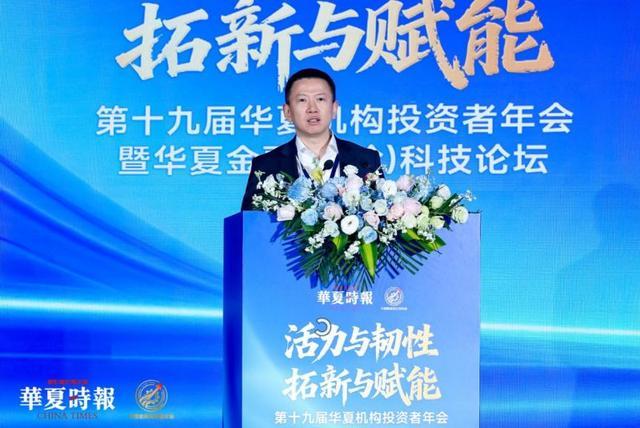
中化资本有限公司总裁助理赵照:打破规模依赖,央企产融结合坚守实体本源|2025华夏机构投资者年会
Hua Xia Shi Bao· 2025-12-12 09:36
Core Viewpoint - The forum focused on the theme of "Vitality and Resilience, Innovation and Empowerment," aiming to respond to contemporary challenges and explore future pathways for development [2]. Group 1: Central Enterprises and Financial Integration - Zhao Zhao, Assistant President of Sinochem Capital, emphasized the importance of central enterprises (SOEs) in integrating industry and finance to empower the real economy, highlighting the need for innovative financial methods [2][3]. - The core of SOEs' financial integration lies in adhering to the service of the real economy, actively responding to national calls, and focusing on five key areas: technology finance, green finance, inclusive finance, pension finance, and digital finance [2][3]. Group 2: Characteristics of Financial Licenses - SOEs are prioritizing the cultivation of financial licenses that can empower their main businesses, particularly in areas like industrial funds and financing leasing [2][3]. - The analysis pointed out that SOEs are also considering licenses with fewer restrictions on related transactions and lower capital consumption as important factors in their strategic layout [2][3]. Group 3: Core Competitiveness and Future Directions - Providing differentiated financial services along the industrial chain has become a key strategy for SOEs to build core competitiveness in their financial sectors [3]. - Zhao emphasized the need to prioritize compliance and risk prevention over mere scale, fostering a new pattern of high-quality development [3]. - The future focus for SOEs in financial integration will be on leveraging existing license capabilities and enhancing financial support for major strategies and key areas [3][4]. Group 4: Practical Exploration by Sinochem Capital - Sinochem Capital has engaged in various financial and service sectors, including trust, factoring, industrial funds, business services, and insurance brokerage, through controlling and participating in different entities [3][4]. - The company has established distinctive brands and advantages in areas such as securities services, inclusive finance, supply chain finance, and risk services, supporting the development of core industries like life sciences and petrochemicals [4]. Group 5: Commitment to Quality Development - The path of financial integration for SOEs is fundamentally about maintaining a commitment to political and social responsibilities while serving their primary business roles [4]. - Sinochem Capital and similar SOE platforms will continue to deepen financial collaboration, providing high-quality and empathetic financial services to support the high-quality development of the real economy and improve the lives of households [4].
金融活水润民生 消费引擎焕活力
Qi Lu Wan Bao· 2025-12-12 06:47
Core Viewpoint - Consumption is a lasting driver of economic growth and a key vehicle for meeting people's aspirations for a better life. The Minsheng Bank Jinan Branch aims to integrate financial services deeply into the entire consumption chain to inject vitality into the high-quality development of the Shandong consumption market [1] Group 1: Inclusive Finance - The Minsheng Bank Jinan Branch focuses on inclusive finance to support small and micro enterprises, which are crucial for stabilizing employment and promoting consumption. The bank has established a comprehensive financial support system for small and micro enterprises, increasing the number of inclusive loan clients from 11,503 to 17,124, a growth of 49% from 2022 to November 2025 [2] - Inclusive micro-enterprise loans increased from 17.8 billion to 25.7 billion, a rise of 7.9 billion or 44% during the same period [2] Group 2: Innovative Financial Products - The bank's "Minsheng Hui" credit loan product allows for quick access to credit, with approvals in 3 minutes and amounts up to 10 million, addressing the urgent funding needs of small and micro enterprises [3] - The bank has issued 8.4 billion in no-repayment loans to small and micro enterprises since the third quarter, alleviating financial burdens and enabling more investment in operations and consumption supply [3] Group 3: Scene Empowerment - The bank integrates financial services into various life scenarios, such as elderly care and supply chains, to activate consumption potential. It has developed a comprehensive financial service system for the elderly, enhancing their consumption experience [4] - The bank's "Honeypot Plan" and "Minsheng Quick Loan" products utilize big data to streamline loan processes, significantly reducing the time required for financing [5] Group 4: Digital Transformation - The digital transformation at Minsheng Bank Jinan Branch enhances service efficiency through online, standardized, and intelligent processes. The "Minsheng Hui" credit loan can be fully processed online, allowing small and micro enterprises to access funds without leaving their premises [7] - The bank's digital tools have improved response times and enabled precise targeting of different consumer groups, supporting sustained growth in the consumption market [7] Group 5: Future Outlook - The Minsheng Bank Jinan Branch is committed to deepening the integration of finance and consumption, aiming to contribute to the high-quality development of the Shandong consumption market with better products, more efficient services, and a warmer commitment [8]

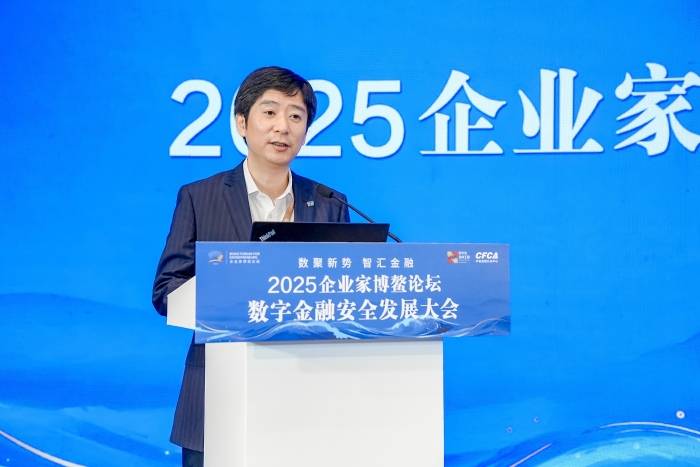
郭大勇:以安全固根基 共建数字金融新生态
Sou Hu Cai Jing· 2025-12-12 06:34
Group 1 - The event "2025 Entrepreneur Boao Forum" took place from December 2 to 5, 2025, in Boao, Hainan, focusing on new opportunities in the "14th Five-Year Plan" [1][4] - Guo Dayong, Vice Chairman and President of China UnionPay, emphasized the profound transformation in financial services due to digitalization, moving from efficiency enhancement to model reconstruction [3] - China UnionPay has signed cross-border payment cooperation memorandums with 11 global institutions, expanding its reach to approximately 50 countries and regions, and establishing over 200 UnionPay standard wallets abroad [3] Group 2 - China UnionPay is investing heavily in technology fields such as artificial intelligence, cloud computing, and big data, leading the construction of a national AI application pilot base [3] - The company aims to open its technological capabilities and experiences to the industry, promoting the intelligent upgrade of payment systems to better serve various sectors [3]
数字金融:以业务赋能为中心、以数智化为手段、以安全为基石,开启理财新篇章
Shang Hai Zheng Quan Bao· 2025-12-12 06:29
"十五五"规划建议指出要大力发展科技金融、绿色金融、普惠金融、养老金融、数字金融。 数字金融是打通金融服务"最后一公里"、提升服务质效的重要底座。兴银理财自成立以来,始终以服 务"国之大者"的担当深耕数字金融领域,将数字化转型作为战略发展的"生命线"。在研判行业数字化转 型趋势、深入调研同业实践的基础上,公司绘制了数字化转型蓝图,确立"以业务赋能为中心、以数智 化为手段、以安全为基石"的实施方案,全力推动数字技术与理财业务深度融合。 数字金融以赋能业务为中心 坚持"科技向善",数字金融的价值体现为对业务的赋能,最终还是要落脚到员工生产力的解放和广大居 民体验的优化改善上,是推动科技金融、绿色金融、养老金融和普惠金融等落地的"加速器"。兴银理财 立足自身禀赋,聚焦市场服务、投研风控、运营管理三大核心领域,以数字化手段补短板、强优势、固 根基,让数字金融真正服务于业务发展、惠及广大客户。 首先是补齐市场服务的短板。银行理财从母行资管部转型而来,过去普遍存在"隔着母行渠道推产品、 做服务"的问题,不够接地气,因此系统设计在多渠道服务支撑、客户精准服务方面存在短板,这也是 一直以来兴银理财数字化转型要重点突破的方向。 ...
邮储银行数字金融大会发布“AI2ALL”数字生态及手机银行11.0
Zhong Guo Jing Ji Wang· 2025-12-12 05:41
Core Insights - Postal Savings Bank of China (PSBC) is advancing its digital finance strategy with the launch of the "AI2ALL" digital ecosystem, showcasing its commitment to integrating technology into financial services [1][2] Group 1: Digital Finance Strategy - PSBC has been implementing its "Digital Postal Savings" strategy, hosting annual digital finance conferences to present its latest achievements [2] - The theme of the 2025 conference is "Opening the Digital Postal Savings i∞ Era," reflecting the bank's continuous evolution in digital finance [2] - The bank emphasizes its mission of serving the real economy while optimizing financial supply and enhancing service experiences [1][2] Group 2: AI Integration - The "AI2ALL" initiative aims to elevate AI capabilities from mere technical support to a core engine for business innovation [2] - PSBC has identified nearly 260 application scenarios for large models based on the "AI2ALL" digital ecosystem [2] - The bank's AI capabilities are designed to enhance efficiency internally and improve customer outreach externally [2][3] Group 3: Operational Efficiency - PSBC is applying intelligent tools across all operational processes, enhancing management precision and organizational effectiveness [3] - The bank utilizes smart profiling for targeted marketing, intelligent models for risk control, and smart analytics for employee skill enhancement [3] - PSBC's mobile banking app version 11.0 ranked second in overall evaluation in the latest digital banking survey, with user experience leading the industry for three consecutive years [3]

邮储银行正式发布“AI2ALL”数字生态,开启全域智能、生态共生的数字金融新纪元
Cai Jing Wang· 2025-12-12 03:17
Core Insights - The release of the "AI2ALL" digital ecosystem marks a new era in the digital transformation of Postal Savings Bank of China, emphasizing its strategic layout and innovative practices in artificial intelligence [1][8] Group 1: Strategic Layout and AI Integration - Postal Savings Bank has been advancing its "Digital Postal Savings" strategy and deepening its "AI+" initiatives, achieving significant breakthroughs in financial technology, evidenced by winning the People's Bank of China Financial Technology Development Award for three consecutive years [2] - The "AI2ALL" digital ecosystem focuses on four value dimensions: broad customer base, deep customer experience, multi-model scenarios, and micro-detail innovation, planning nearly 260 AI application scenarios to integrate AI capabilities throughout banking operations and customer service [2] Group 2: Internal Efficiency and Employee Empowerment - The bank actively involves employees in the implementation of intelligent applications, collecting innovative ideas and process optimization suggestions to enhance core areas such as precise marketing and risk compliance [3] - In front-office services, the bank has developed intelligent marketing tools that utilize AI technology to achieve personalized outreach, covering over 54 million clients in wealth management marketing, with a conversion rate of 36.2% for personal loan marketing [3] Group 3: Risk Management and Operational Efficiency - In the middle-office risk control area, the bank has created intelligent loan review tools that standardize the review process, achieving an accuracy rate of 98% in image classification and 92% in key information extraction [4] - The intelligent analysis tools in the back office enhance employee capabilities, allowing for data extraction and analysis in just three minutes, with a result adoption rate of 95% [4] Group 4: Customer Experience Enhancement - The bank has redefined customer service touchpoints by integrating AI into various channels, including mobile banking and offline branches, to continuously optimize products and services based on user feedback and data insights [5] - The "process is response" model in offline services has improved operational efficiency by 40%, significantly enhancing customer service experiences [5] Group 5: Remote and Online Service Innovations - The bank's remote service innovations include intelligent outbound calling that enhances customer interaction and emotional connection, responding to customer needs in 1.8 seconds with highly human-like voice responses [6] - The upgraded mobile banking version 11.0 redefines digital financial services, offering personalized features and a dual protection mechanism for high-risk transactions, achieving a top user experience ranking for three consecutive years [7] Group 6: Future Outlook - The launch of the "AI2ALL" digital ecosystem signifies a systematic deployment and large-scale application of the "Digital Postal Savings" strategy, indicating a shift towards a fully intelligent and symbiotic ecosystem in financial services [8]
