
利益输送

Search documents
神秘股东低价入股或涉嫌利益输送 碧兴物联IPO存疑
Xin Hua Wang· 2025-08-12 05:49
Core Viewpoint - The IPO of Bixing Wulian (688671.SH) has raised concerns regarding the involvement of industry association officials and the background of its shareholders, particularly in relation to the company's significant contracts with government environmental agencies [1][3][4]. Group 1: Company Background and IPO - Bixing Wulian was listed on the Sci-Tech Innovation Board on August 9, with its IPO journey tracing back to capital operations initiated in 2018 [2]. - The company was formed from the acquisition of 60% of Zhongxing Instruments by Bixing Wulian and an investment fund, following financial difficulties faced by Zhongxing Instruments [2][4]. - Bixing Wulian has shown remarkable growth, contrasting with other companies in the environmental monitoring sector that have struggled with performance [2]. Group 2: Shareholder Involvement - Lu Xiaoming, a key shareholder and vice president of the Guangdong Environmental Monitoring Association, invested in Bixing Wulian at a significantly lower price before the company's valuation increased [3][5]. - The company has a history of winning contracts primarily from government environmental agencies, raising questions about the influence of Lu Xiaoming in these dealings [4][5]. - The IPO documents provided limited information regarding Lu Xiaoming's investment background and the compliance of his shareholding [5]. Group 3: Relationships Among Key Stakeholders - Chen Yunhai, an indirect shareholder, has close ties with He Yuanping, the former secretary of Bixing Wulian, and has a history of involvement in various investment platforms [7][9]. - Chen Yunhai's past roles and connections with Bixing Wulian's key stakeholders have drawn scrutiny from regulatory bodies during the IPO review process [9]. - The relationships among the core shareholders, including those linked to Bixing Wulian's predecessor, raise concerns about potential conflicts of interest [7][9].


湘电股份2亿收购背后:近十年24亿关联交易控股股东湘电集团深陷债务重压
Xin Lang Cai Jing· 2025-08-11 10:35
Core Viewpoint - Xiangdian Co., Ltd. plans to acquire 12.5% equity of Tongda Electromagnetic Co., Ltd. from its controlling shareholder, Xiangdian Group, for 208 million yuan, amidst concerns over long-term related party transactions and the financial health of Xiangdian Group [1][2]. Group 1: Acquisition Details - The acquisition is valued at 208 million yuan, with a total equity value of Tongda Electromagnetic assessed at 1.664 billion yuan, reflecting a 60.09% appreciation [4]. - The price-to-earnings ratio for the acquisition is notably high at 46 times, based on Tongda Electromagnetic's projected net profit of 36.18 million yuan for 2024 [4]. Group 2: Related Party Transactions - Over the past decade, Xiangdian Co. has engaged in related party transactions exceeding 2.4 billion yuan, including over 1.5 billion yuan in acquisitions and more than 900 million yuan in asset sales to related parties [4]. - Historical transactions have raised concerns about potential harm to minority shareholders, with instances of Xiangdian Group acquiring shares at undervalued prices [4][6]. Group 3: Financial Health of Xiangdian Group - Xiangdian Group has faced significant financial challenges, with a debt ratio reaching 98.87% and a current ratio of 0.68, indicating high debt pressure [6]. - As of December 31, 2021, Xiangdian Group reported total assets of 15.379 billion yuan and a net asset value of 1.808 billion yuan, with a debt ratio of 88.24% [6]. Group 4: Company Performance and Financing - Since its IPO in 2002, Xiangdian Co. has accumulated a net loss of 1.266 billion yuan while raising 10.924 billion yuan through direct financing, with total dividends amounting to only 474 million yuan [8]. - The company has announced a new round of financing plans to raise 2 billion yuan for various projects, although the effectiveness of this financing in improving operational and financial conditions remains uncertain [9][10].

大明电子实控人之弟“破净价”入股,是否涉嫌利益输送?
第一财经· 2025-08-11 05:03
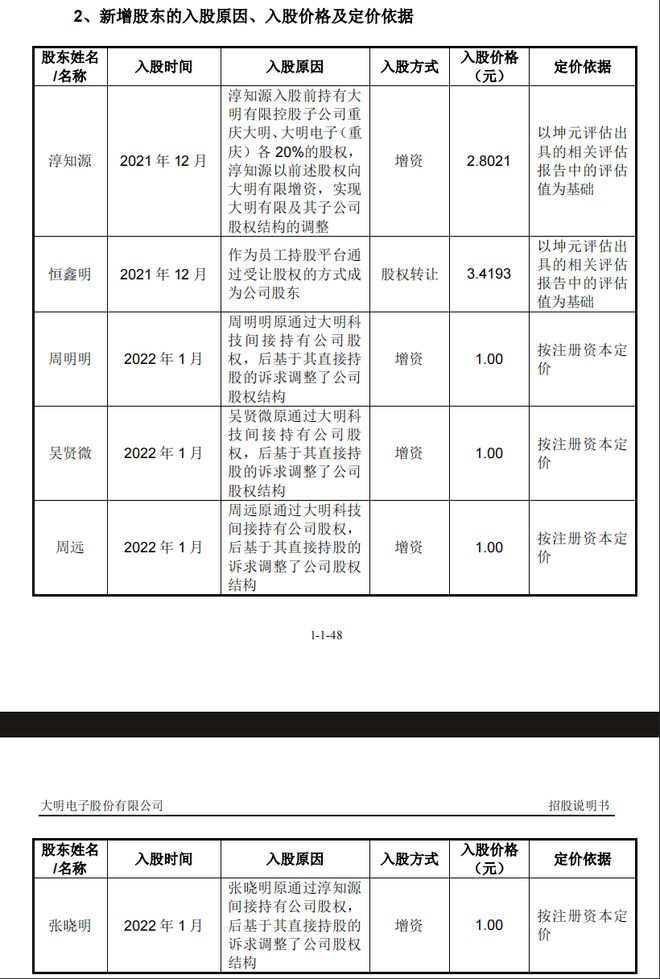
Core Viewpoint - Daming Electronics Co., Ltd. is preparing for an IPO on the Shanghai Stock Exchange, with concerns raised about the pricing of shares acquired by a family member of the actual controller, which may imply potential conflicts of interest and tax issues [3][4][10]. Group 1: Company Overview - Daming Electronics is based in Leqing, Zhejiang Province, and specializes in the research, production, and sales of automotive body electronic control systems, with over 30 years of experience in this niche [4]. - The IPO aims to expand capital scale, enhance financing channels, and improve production capacity, thereby increasing market competitiveness and brand recognition [4][10]. Group 2: Shareholding and Investment Issues - The actual controller's brother, Zhou Zhaohui, invested in Daming Electronics at a price of 1 yuan per share in both 2019 and 2021, which is below the net asset value, raising concerns about potential benefit transfer [4][5][6]. - Zhou Zhaohui's investments maintained a fixed 5% shareholding ratio, with two rounds of proportional capital increases and two rounds of non-proportional increases, leading to scrutiny over the appropriateness of these transactions [6][7][10]. Group 3: Regulatory and Tax Considerations - The company has stated that the low-priced investments are part of a family internal equity arrangement and not typical equity incentives, which differ significantly from employee stock options [8][9]. - Zhou Zhaohui has paid personal income tax on the portion of the investment that was below net asset value, and the company has committed to addressing any potential tax penalties arising from these transactions [10][11].
大明电子实控人之弟“破净价”入股,是否涉嫌利益输送?
Di Yi Cai Jing Zi Xun· 2025-08-10 08:37
Core Viewpoint - Daming Electronics Co., Ltd. is preparing for an IPO on the Shanghai Stock Exchange, with concerns raised regarding the low share prices at which the actual controller's brother, Zhou Zhaohui, invested in the company, potentially indicating issues of interest transfer and tax disputes [1][2][6]. Group 1: Investment Details - Zhou Zhaohui invested in Daming Electronics at a price of 1 yuan per share in both 2019 and 2021, which is below the company's net asset value, raising questions about the appropriateness of this pricing [2][3]. - The company has emphasized that these investments are part of a family internal equity arrangement and not typical equity incentives [4][6]. - The company’s prospectus states that Zhou Zhaohui's shareholding has consistently remained at 5%, which is significantly higher than the equity incentives granted to other employees [3][4]. Group 2: Regulatory and Tax Considerations - The company has communicated with tax authorities regarding the investments made by Zhou Zhaohui and has paid the relevant personal income tax for the portion of the investment that was below net asset value [6][7]. - The prospectus indicates that similar cases exist in other listed companies where family members of actual controllers have invested at different prices without being classified as equity incentives [6][7]. - The company has committed to bearing any potential tax penalties resulting from these investments, as stated in a joint commitment by Zhou Mingming and Zhou Zhaohui [7][8]. Group 3: Market Position and Future Prospects - Daming Electronics, based in Leqing, Zhejiang Province, specializes in automotive electronic products and has over 30 years of experience in the field [2][3]. - The IPO aims to expand the company's capital base, enhance financing channels, and improve production capacity, thereby increasing market competitiveness and brand recognition [2][3]. - The company anticipates that becoming a publicly listed entity will attract top talent and improve governance and management practices [2][3].
曾言“没想退”,留置风波结束5天后,居然智家董事长汪林朋身故
凤凰网财经· 2025-07-28 13:38
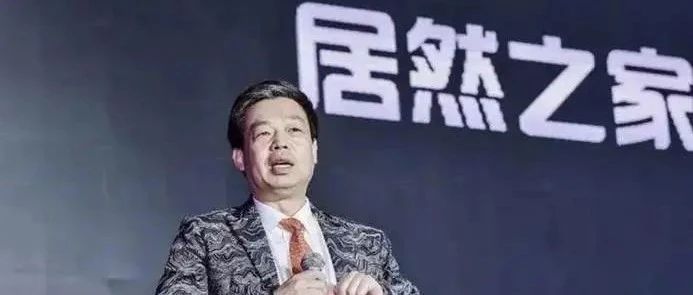
Core Viewpoint - The sudden death of Wang Linpeng, the chairman and CEO of Juran Smart Home, raises questions about the company's future and the circumstances surrounding his recent legal troubles [2][3][4]. Group 1: Legal Issues and Company Impact - Wang Linpeng was placed under a detention notice by the Wuhan Municipal Jianghan District Supervisory Committee on April 17, leading to significant market turmoil for Juran Smart Home [6][7]. - Following the detention, Wang's 100% ownership of Juran Smart Home shares (5.97% of total shares) was judicially frozen, causing the company's stock to plummet [8][10]. - After a brief return to his position, Wang's unexpected death occurred just five days later, further complicating the company's situation [11]. Group 2: Controversies and Financial Performance - Wang Linpeng's leadership has been marked by both significant achievements and controversies, including allegations of state asset loss and profit transfer during the company's reverse merger in 2019 [12][13]. - The reverse merger with Wuhan Zhongshang was valued at 35.65 billion, but it faced criticism for the rapid dilution of state-owned shares [12][13]. - Despite revenue growth from approximately 9 billion to 13 billion, the company's net profit has been declining since 2022, raising concerns among investors [16][17]. Group 3: Shareholder Actions and Market Reactions - In June 2023, Wang and his associates began large-scale share reductions, leading to suspicions about his intentions [16][17]. - Juran Holdings, controlled by Wang, sold shares worth approximately 4.7 billion through multiple transactions, further intensifying investor scrutiny [17]. - The company's stock experienced a significant drop following Wang's death, reflecting investor uncertainty about its leadership and future direction [4][11].
金浦钛业重组透视:实控人家族"先卖后买"的资产腾挪游戏
Xin Lang Zheng Quan· 2025-07-16 08:26
Core Viewpoint - The restructuring plan of Jinpu Titanium Industry, which involves a significant acquisition aimed at transforming the company from the chemical sector to the rubber and plastic technology field, has raised concerns regarding the motivations behind the asset transactions and the financial health of the controlling shareholder's family [1][2][3]. Group 1: Restructuring Details - Jinpu Titanium Industry's restructuring is characterized as a "reverse operation," where the company sold a 31.81% stake in Nanjing Jinpu Dongyu Investment Co., Ltd. to a company controlled by the actual controller, Guo Jindong, and received a 100% stake in Shanghai Dongyi Hotel Management Co., Ltd. as compensation [2]. - The company later announced plans to acquire 100% of Nanjing Lide Oriental Plastic Technology Co., Ltd. from Jinpu Dongyu, which is now controlled by Guo Jindong's daughter, effectively repurchasing assets that were sold a year prior [2][3]. Group 2: Financial Performance and Challenges - Jinpu Titanium Industry has faced continuous losses since 2019, with cumulative losses exceeding 900 million yuan over six and a half years, including projected losses of 160 to 186 million yuan for the first half of 2025 [3][4]. - The company's main business in titanium dioxide has been adversely affected by industry challenges such as overcapacity, high costs, weak demand, and intense low-price competition, leading to a significant decline in profitability [4]. Group 3: Strategic Shift and Future Prospects - The acquisition of Lide Oriental is seen as a last resort for Jinpu Titanium Industry to exit the titanium dioxide sector and pivot to producing rubber hoses and sealing products for the rail and automotive industries, with the expectation that Lide Oriental's profits could offset the company's annual losses [4]. - However, the transition poses risks due to the lack of synergy between the rubber and plastic products and the company's previous operations, raising questions about the effectiveness of asset integration and the sustainability of Lide Oriental's recent profit growth [5][6].

独家!惊曝内幕
Zhong Guo Ji Jin Bao· 2025-07-15 11:44
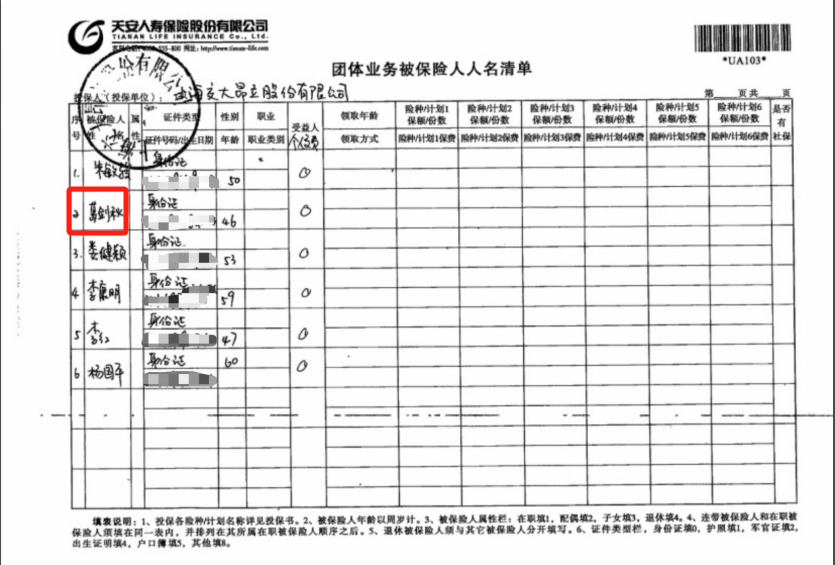
Core Viewpoint - The chairman of Jiaoda Onlly revealed potential illegal activities involving former executives, which may lead to issues of information disclosure and internal control within the company [1]. Group 1: Allegations of Misconduct - Five former executives, including Yang Guoping, are suspected of illegal activities related to the "purchase and refund of insurance," which has drawn the attention of government agencies [1][2]. - The "purchase and refund" behavior began to be investigated after a tax department request in November 2022, revealing inconsistencies between the number of insured and beneficiaries [2]. - In October 2016, Jiaoda Onlly invested 3.8 million yuan in group insurance, with the insured being former executives, and later refunded 3.79 million yuan to their personal accounts [3][5]. Group 2: Internal Control and Disclosure Issues - Jiaoda Onlly has not disclosed the "purchase and refund" activities in its announcements, raising concerns about internal control and information transparency [9]. - The Shanghai Securities Regulatory Commission issued a warning to Jiaoda Onlly for violations, including inaccurate disclosures of executive compensation in annual reports [9]. - The chairman stated that there are no records of board or shareholder approval for the relevant proposals, and the original documents for the compensation committee's review are missing [11]. Group 3: Financial Implications and Related Companies - From 2018 to 2019, Jiaoda Onlly executed similar "purchase and refund" actions involving over 16 million yuan [7]. - There are indications that Dazhong Transportation, where Yang Guoping also serves as chairman, may have engaged in similar activities, raising questions about overlapping personnel [8]. - The financial impact of these actions is significant, with Jiaoda Onlly reporting losses of nearly 700 million yuan in 2018 and 2019, while still rewarding the involved executives with substantial refunds [27].

独家!惊曝内幕!
中国基金报· 2025-07-15 11:14
Core Viewpoint - The chairman of Jiaoda Anlian, Ji Min, revealed that former executives, including Yang Guoping, may be involved in illegal activities, leading to potential issues with information disclosure and internal controls within the company [2][11][19]. Group 1: "Purchase and Refund" Behavior - Jiaoda Anlian's "purchase and refund" behavior began in November 2022 when tax authorities requested a review of related matters, revealing inconsistencies between the number of insured and beneficiaries [3][9]. - In October 2016, Jiaoda Anlian invested 3.8 million yuan to purchase group insurance, with the insured being former executives, including Yang Guoping and Zhu Minjun [3][9]. - In April 2017, Yang Guoping signed for the refund as the legal representative of the insured unit, resulting in a total refund of 3.7924 million yuan to the personal accounts of five individuals, excluding beneficiary Ge Jianqiu [6][9]. Group 2: Internal Control and Disclosure Issues - Ji Min emphasized that Jiaoda Anlian has not disclosed the "purchase and refund" matters in any announcements, raising concerns about internal controls and information disclosure [11][12]. - The Shanghai Securities Regulatory Commission issued a warning to Jiaoda Anlian for violations, including inaccurate disclosures of executive compensation in annual reports for 2016 and 2018 [13][19]. - There is no record of the original documents related to the board and shareholder meetings approving the relevant proposals, raising questions about their legitimacy [16][18]. Group 3: Potential Conflicts of Interest - Ji Min indicated that the actions of former executives, particularly Ge Jianqiu, could reveal multiple capital operations that may involve conflicts of interest and insider trading [26][31]. - Jiaoda Anlian acquired a 22.97% stake in Tai Ling Pharmaceutical, with Ge Jianqiu serving as a non-executive director there, which raises suspicions of benefit transfer and insider trading [31][36]. - From October 2016 to January 2020, Jiaoda Anlian's investment in Tai Ling Pharmaceutical resulted in significant losses, with the stock price dropping over 80% during that period [36][38].

上能电气16.5亿元定增:前次募投项目不及预期 高管刚减持套现5000万元
Xin Lang Zheng Quan· 2025-07-10 10:38
Core Viewpoint - The company plans to raise up to 1.649 billion yuan through a private placement to fund two major industrial projects and supplement working capital [1] Group 1: Fundraising and Shareholding Structure - The company intends to issue shares to no more than 35 specific investors, including controlling shareholder Wu Qiang, who will subscribe for 50 million yuan worth of shares [1] - After the issuance, Wu Qiang and Wu Chao will control a combined 22.69% of the company's shares, maintaining Wu Qiang as the controlling shareholder [1] - The company has a history of frequent fundraising activities, including an IPO in March 2020 that raised nearly 400 million yuan and a convertible bond issuance in 2021 that raised 420 million yuan [2] Group 2: Concerns and Market Reactions - The participation of the controlling shareholder in the private placement may raise concerns about potential conflicts of interest and profit transfer, as similar cases in the market have led to significant gains for controlling shareholders at the expense of other investors [1] - Company executives, including Li Jianfei, sold 1.7 million shares from January to April this year, cashing out over 51 million yuan [2] - The progress of previously planned projects, such as the 5GW energy storage converter project, has been slow, with only 10% completion reported as of mid-2023 [2]
73%价差引爆信任危机 冠昊生物定增计划突遭“腰斩”
Xin Lang Zheng Quan· 2025-07-02 01:43
Core Viewpoint - The company has abruptly terminated a financing plan involving nearly 500 million yuan, citing changes in market conditions, but the underlying issue is the significant discount in the stock issuance price compared to the market price, raising concerns about potential regulatory scrutiny and shareholder backlash [1][2]. Group 1: Financing and Market Conditions - The company withdrew its application for a private placement of shares, which was intended to raise funds from related parties of the actual controller [1]. - The pricing for the private placement was set at 8.96 yuan per share, which is 73% lower than the market closing price of 15.52 yuan, leading to concerns about the high discount and potential regulatory issues [2]. Group 2: Operational Risks - The company's sales expense ratio has been significantly higher than the industry average, recorded at 37.88%, 41.45%, and 41.20% from 2021 to 2023, raising concerns about its operational health [3]. - The core pharmaceutical business is underperforming, with a projected revenue of only 37 million yuan for the main product in 2024, a decrease of 25.15% year-on-year, and a significant drop in sales volume [3]. Group 3: Disclosure Issues - The company has a troubling history of delayed disclosures, including a lawsuit involving over 100 million yuan, which was not disclosed until July 2023, despite the case being initiated in August 2022 [4]. - A key product from a subsidiary lost its agency rights in May 2022, but the news was not disclosed until August 2022, raising further concerns about transparency [4]. Group 4: Future Challenges - The company has faced substantial asset impairment charges totaling 339 million yuan over the past three years, indicating weaknesses in internal risk management [5]. - Despite the termination of the financing plan, the company claims it will not affect normal operations, but it faces significant challenges in regaining market confidence amid high sales expenses and a trust crisis in disclosures [5].
