女性主义

Search documents
年度「第一大尺度」电影,被骂惨了
3 6 Ke· 2025-06-27 02:52
Group 1 - The film "酱园弄" (Jiangyuan Nong) is adapted from the novel "翻案" (Fan An) and tells the story of a woman, 詹周氏 (Zhan Zhoushi), who kills her abusive husband in 1945, leading to a sensational trial in Shanghai [2] - The film has been split into two parts, with the first part focusing on the awakening of female consciousness through the character of 詹周氏 [4] - Despite the film's high-profile cast, including 26 stars, the execution of the narrative has been criticized for being unfocused and failing to develop character motivations adequately [12][16][39] Group 2 - The director, 陈可辛 (Peter Chan), is noted for his previous successful films that resonated with societal emotions, but "酱园弄" is seen as a failed attempt at capitalizing on the themes of feminism [30][43] - The film's narrative structure is described as fragmented, with a lack of emotional connection to the protagonist, making it difficult for the audience to empathize with her struggles [22][41] - The film's marketing strategy relied heavily on star power and the themes of women's issues, but the execution has led to a significant drop in box office predictions from 5 billion to 4 billion [47]


《酱园弄》:对女性主义的一次精明嘲弄
Hu Xiu· 2025-06-23 01:26
Core Viewpoint - The film "酱园弄" is perceived as a political drama disguised as a feminist narrative, with the director Chen Kexin using female characters as mere symbols rather than fully developed subjects [1][2][3] Summary by Sections Female Representation - The film claims to focus on female empowerment but ultimately reduces its female characters to mere props, lacking depth and agency [3][4] - The interactions among the three main female characters are superficial, failing to elevate their roles beyond symbolic representations [4][5] Character Analysis - The character 西林, played by Zhao Liying, is portrayed as a hollow figure lacking emotional depth, serving primarily as a tool for delivering feminist slogans [5][6] - 杨幂's character 王许梅 is depicted as a tragic figure whose fate reflects a negative stereotype of women, reinforcing a mocking view of female agency [5][6] - 章子怡's character 詹周氏, while central to the narrative, is still subjected to male gaze and objectification, questioning the film's feminist claims [6][7] Political and Social Commentary - The film intertwines political elements with its narrative, suggesting that the portrayal of women is overshadowed by broader societal issues, such as the historical context of women's rights in China [8][9] - The original work "翻案" hints at the complexities of women's roles in society, yet the film fails to deliver a coherent feminist message, instead presenting a cynical view of women's struggles [8][9] Conclusion - Despite its shortcomings in genuinely addressing female empowerment, the film is recognized for its engaging storytelling and character dynamics, particularly the rivalry between 薛至武 and 詹周氏 [9]
做好你正在做的事:助理教授第一年
Hu Xiu· 2025-06-19 13:58
Core Insights - The article reflects on the experiences of a new assistant professor navigating the challenges and expectations of academia, particularly as a minority in a predominantly white institution [1][2][3][4][5][6][8]. Group 1: Academic Environment - The assistant professor's first full-time position is at a private liberal arts college, which is perceived as a significant achievement, yet it comes with self-doubt about qualifications and belonging [1][2]. - The initial teaching schedule is favorable, allowing for a balanced work-life dynamic, which is appreciated by the professor [3][4]. - The professor's teaching approach emphasizes interaction and student engagement, although feedback indicates a need for a stronger authoritative presence [4][6]. Group 2: Personal Experience and Identity - The professor often faces misidentification as a student due to youthful appearance and casual attire, which complicates perceptions of authority [5][6]. - The professor's efforts to connect with students through shared interests, such as sports and popular culture, highlight the challenges of establishing authority while being relatable [6][8]. - The professor's identity as a minority in the academic setting leads to reflections on the differences in expectations and treatment compared to more traditional faculty profiles [6][8]. Group 3: External Challenges - The academic environment is impacted by external factors such as administrative changes, budget cuts, and the rise of AI technology, which pose significant challenges to traditional teaching methods [8][9]. - The professor navigates these challenges while maintaining focus on teaching and student engagement, despite the surrounding uncertainties [8][9].
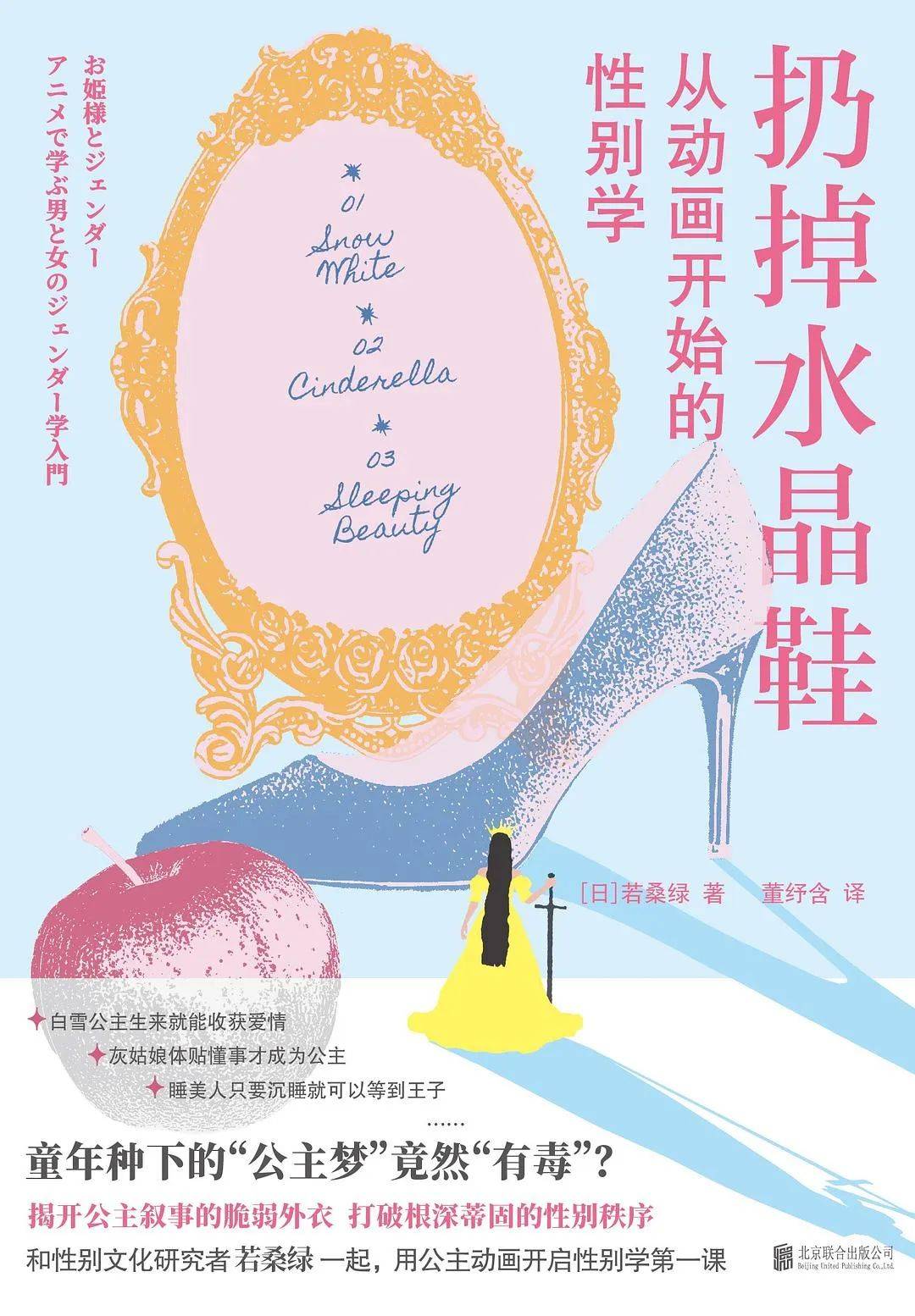
有毒的“公主梦”
Hu Xiu· 2025-06-11 00:24
Core Viewpoint - The live-action adaptation of "Snow White" by Disney has faced significant backlash, resulting in poor box office performance and widespread criticism regarding casting choices and character development [1][2][3] Group 1: Cultural Reflection - The modern adaptation attempts to align with contemporary feminist ideals by portraying a more independent Snow White, but ultimately fails due to the outdated foundation of the original fairy tale and a lack of depth in the storyline [2][3] - The fairy tale narratives have historically shaped societal expectations of gender roles, with girls aspiring to be princesses and boys seeking to rescue them, reflecting a cultural deception regarding the realization of these dreams [4][7] Group 2: Gender Expectations - The portrayal of princesses in fairy tales often emphasizes beauty and passivity, while male characters are depicted as active agents who achieve their happiness through personal effort [10][11] - The narrative of "Snow White" continues to reinforce traditional gender roles, as the character's supposed empowerment is superficial and ultimately relies on the prince for resolution [10][12] Group 3: Historical Context - The original tales, particularly those by male authors like the Brothers Grimm and Charles Perrault, have perpetuated a patriarchal view of female characters, often reducing them to passive roles awaiting rescue [11][12] - There exists a historical narrative of female authors who challenged these norms, creating more complex and empowered female characters, which have been largely overlooked in mainstream adaptations [20][21] Group 4: Alternative Narratives - The discussion highlights the need for a re-examination of the "princess" narrative, advocating for stories that empower women to take control of their destinies rather than relying on male figures for validation [22][23] - The emergence of alternative fairy tales that feature strong, independent female protagonists serves as a counter-narrative to traditional depictions, suggesting a shift towards more equitable storytelling [19][22]

第一波「全女商业」倒闭潮
投资界· 2025-06-09 06:57
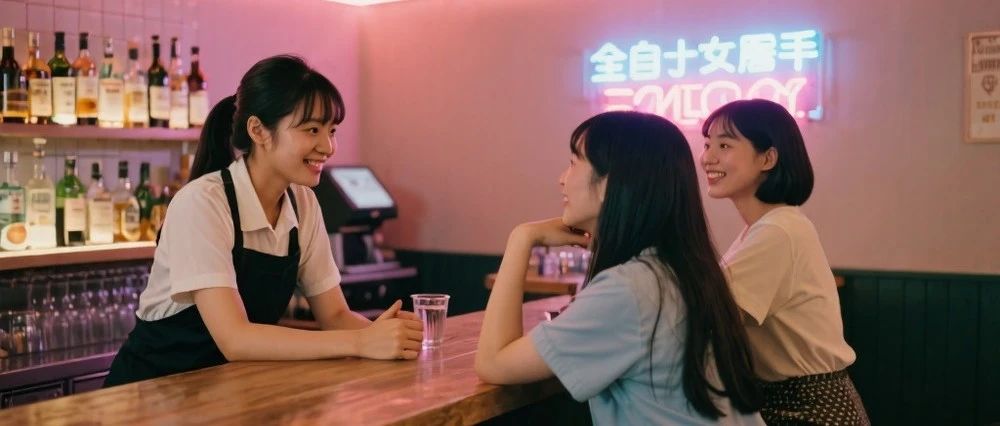
Group 1 - The core concept of "All-Female Economy" refers to business models where both employees and customers are exclusively female, such as all-female bookstores, bars, and renovation teams [5][10] - The rise of the "All-Female Economy" has been fueled by increasing discussions around feminism, leading to a surge in popularity and consumer interest in female-centric services [5][7] - The "All-Female Economy" can be categorized into two main types: creating exclusive spaces for women and providing female-specific services [10][13] Group 2 - The "All-Female Economy" has gained significant traction, particularly in major cities, with social media engagement reflecting a browsing volume of over 16.91 million and discussion exceeding 150,000 [16][17] - Many businesses leveraging the "All-Female" label have faced criticism for failing to deliver genuine female-friendly services, leading to skepticism among consumers [17][21] - The operational challenges of "All-Female" establishments often result in higher prices and limited accessibility, which can deter potential customers [33][37] Group 3 - The closure of a female-focused bookstore after only 198 days highlights the inherent challenges within the "All-Female Economy," where strict targeting may limit customer flow and profitability [31][33] - The business model of "All-Female" venues often conflicts with basic commercial principles, as excluding a significant portion of the population can lead to reduced demand and increased costs [33][35] - The debate surrounding the "All-Female" model raises questions about whether it represents progress or retreat for women, emphasizing the need for inclusive solutions rather than segregation [35][38]

第一批“全女”经济,迎来倒闭潮
虎嗅APP· 2025-05-30 13:23
Core Viewpoint - The article discusses the rise and challenges of the "all-female economy" in China, highlighting its initial popularity driven by feminist discussions and the subsequent wave of business closures that reveal underlying issues in this business model [3][4]. Group 1: Rise of the "All-Female Economy" - The "all-female economy" gained rapid popularity, particularly in major cities, as it aligns with the growing feminist discourse [6][8]. - Popular services in the "all-female" sector include traditional businesses, event spaces, and entertainment, accounting for 40%, 18%, and 16.4% respectively [7]. - The "all-female economy" can be categorized into two main types: creating exclusive spaces for women and providing female-centric services [8][19]. Group 2: Business Models and Consumer Experience - "All-female" gyms offer a private environment, addressing women's concerns about being judged or harassed in mixed-gender gyms [9][12]. - "All-female" bars aim to create a safe space for women, focusing on female-centric activities and community building [13][15]. - The emergence of "all-female" accommodations and bookstores caters to the increasing number of solo female travelers, providing safety and a supportive atmosphere [16][19]. Group 3: Commercial Viability and Criticism - As of May 2025, the "all-female" term has garnered over 16.91 million views on social media, indicating a significant flow of interest in feminist topics [26]. - Despite the initial success, many businesses labeled as "all-female" face criticism for failing to deliver genuine female-friendly services, leading to a perception of "hanging a sheep's head while selling dog meat" [29][30]. - Issues such as inadequate facilities, male staff presence, and high prices have led to dissatisfaction among female customers, questioning the authenticity of the "all-female" experience [31][32][35]. Group 4: Sustainability and Future Outlook - The closure of a female-focused bookstore after only 198 days highlights the challenges of sustaining the "all-female economy" amid high operational costs and limited customer base [37][40]. - The article suggests that the "all-female model" may not be a viable long-term solution for women's empowerment, as it often excludes a significant portion of the population and fails to meet consumer expectations [41][44]. - The ongoing debate about whether the "all-female model" represents progress or retreat for women continues, with calls for more inclusive approaches to address women's needs in society [44].
第一批「全女」经济,迎来倒闭潮
36氪· 2025-05-28 13:07
Core Viewpoint - The "female economy" in China, characterized by businesses exclusively catering to women, is facing challenges and potential decline despite its initial popularity driven by feminist discussions and consumer interest [2][5][6]. Group 1: Definition and Rise of "Female Economy" - The "female economy" refers to business models where both employees and customers are exclusively female, including establishments like all-female bookstores, bars, and fitness centers [4]. - This concept gained traction alongside the rise of feminist discussions, becoming a significant consumer trend and a source of revenue for various platforms [5][8]. Group 2: Types of "Female Economy" - The "female economy" can be categorized into two main types: those creating exclusive spaces for women and those providing specialized services tailored to female needs [11][24]. - Examples include all-female gyms that address safety concerns and provide a comfortable environment for women, as well as all-female bars that aim to create a safe social space [12][18]. Group 3: Market Performance and Consumer Sentiment - As of May 2025, the term "female" on social media platforms has garnered over 16.91 million views, indicating a significant interest in feminist topics [35]. - However, many consumers have expressed dissatisfaction with the actual services provided by businesses claiming to be "female-friendly," leading to accusations of false advertising and unmet expectations [39][40]. Group 4: Challenges and Criticism - The "female economy" is experiencing a wave of business closures, with some establishments failing to deliver on their promises of safety and comfort for women [6][56]. - Criticism has emerged regarding the high prices of services in "female" establishments, which often exceed those of mixed-gender venues, raising questions about their sustainability and true value to consumers [62][63]. Group 5: Future Outlook - The ongoing debate about whether the "female economy" represents progress or retreat for women suggests that the current model may need reevaluation to align better with consumer expectations and market realities [66].
女性连第二性都不是吗?|一周新书推荐
Xin Lang Cai Jing· 2025-05-27 03:11
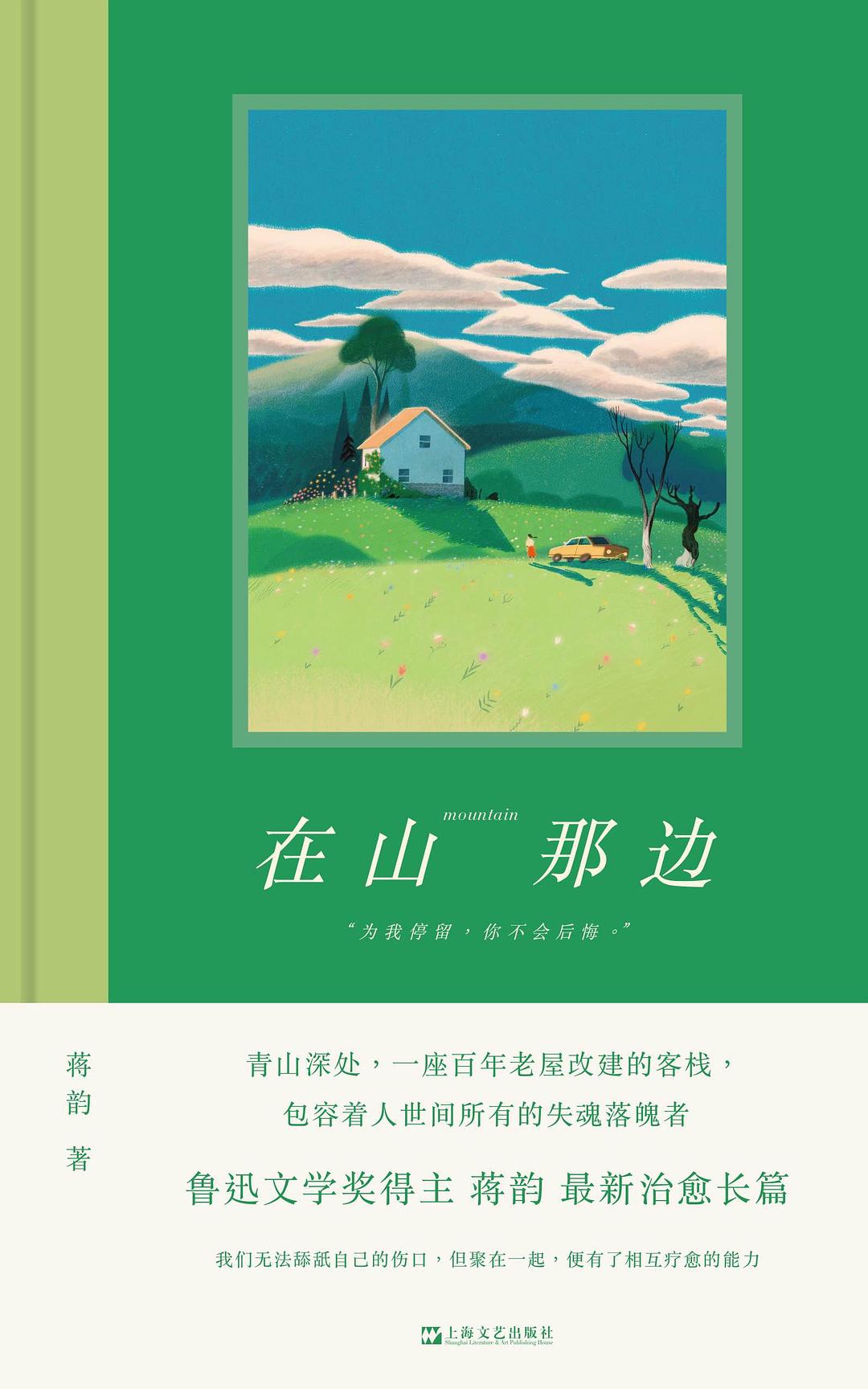
Group 1 - The novel "Beyond the Mountain" revolves around the story of a guesthouse owner who creates a retreat after losing his wife, connecting various travelers' stories, including a sick and heartbroken customer, a young woman returning home, a scientist conducting field research, an elderly couple burdened by history, and college students on a breakup trip [4] - The author, Jiang Yun, has received multiple literary awards, including the Lu Xun Literary Prize and the Lao She Literary Prize, and has published several novels that have been translated into multiple languages [4] Group 2 - The book "My Emily Dickinson" aims to provide a deeper understanding of Emily Dickinson's life and work, challenging the misconceptions surrounding her as a "fairy" or "madwoman" and highlighting her insights into the external world and her revolutionary approach to language [6] - Susan Howe, the author, is a prominent figure in American language poetry and offers a rich interpretation of Dickinson's poetry and letters, while translator Wang Baihua is a professor at Fudan University with extensive research on Dickinson's poetry [6] Group 3 - "This Gender is Not One" critiques the male-centric discourse that defines women as lacking subjectivity, analyzing the historical marginalization of women's sexual experiences and the contradictions in their societal roles [8] - The author, Luce Irigaray, challenges traditional views of women as passive victims, emphasizing their agency and the need for a shift in societal perceptions regarding women's bodies and identities [8] Group 4 - The book "Artificial Wombs" discusses the advancements in technology that allow for the simulation of an external uterine environment, raising ethical and social questions about the implications of such technology on reproductive rights and parental identity [11] - Author Claire Horn emphasizes the existing inequalities and biases in society that must be addressed before the widespread adoption of artificial womb technology [11] Group 5 - "The Crossroads of Hesitation" focuses on the small scholars of the late Ming dynasty, exploring their struggles and choices amidst various intellectual movements, and how their grassroots efforts influenced cultural and ideological landscapes [13] - The author, Zhang Yixi, is a professor with a focus on Ming-Qing thought history and local history, highlighting the significance of these lesser-known figures in shaping historical narratives [13] Group 6 - "The Abandoned Husband's Escape" examines the legal cases involving women in Beijing during the wartime period, revealing how economic instability forced women into desperate situations, leading to actions often viewed as criminal [17] - Historian Ma Zhao challenges the notion of women as mere victims, showcasing their resilience and strategies for survival in a male-dominated society [17] Group 7 - "On Idols, Thinking While Entangled" explores the complexities of idol culture from a feminist perspective, addressing issues such as the commodification of personalities and the societal implications of idolization [20] - The book features contributions from various authors who analyze the contradictions within idol culture, including the empowerment of female idols and the restrictive norms they face [20]
我,网文作者,因为不「爱女」被开盒
36氪· 2025-05-26 00:01
Core Viewpoint - The article discusses the increasing prevalence of online violence and harassment faced by female web novel authors, primarily due to readers perceiving them as "misogynistic" or "pro-male" [5][13][19]. Group 1: Experiences of Female Authors - Author Zheng Lansheng experienced severe online harassment after a reader expressed outrage over a character in her novel, leading to threats and personal attacks [6][8]. - Author Zhou Qian faced similar harassment, including a false report to her workplace, which caused her significant distress and fear for her safety [9][10]. - Many authors have adopted protective measures, such as not disclosing their real names or social media accounts, to shield themselves from potential backlash [10][11]. Group 2: Reader Expectations and Criticism - There is a growing demand among readers for "pro-female" narratives, which has led to a backlash against works perceived as "misogynistic" [15][19]. - The emergence of "love female" literature reflects a shift in reader expectations, with a focus on strong female characters and a rejection of traditional gender roles [17][19]. - Some readers have become overly sensitive to language and character portrayals, leading to extreme reactions against authors [21][22]. Group 3: Impact of Commercialization - The commercialization of web literature has shifted the focus of authors from self-expression to meeting reader demands, resulting in a decline in narrative quality [35][36]. - The competitive landscape has intensified, with a significant increase in the number of new web novels published, leading to a saturation of the market [36][37]. - Authors are increasingly influenced by reader feedback and data analytics, which can constrain their creative freedom [40][41]. Group 4: Consequences of Online Harassment - The article highlights the severe psychological impact of online harassment on authors, with some experiencing anxiety and fear for their safety [9][10][42]. - The case of author Luo Shiyi, who attempted suicide after facing backlash, underscores the potential dangers of online violence and the need for better support systems for authors [42][43]. - The article calls for a reevaluation of the relationship between authors and readers, emphasizing the importance of constructive dialogue rather than hostility [49].
短视频世界的性别调换,女孩们发起了一场“主体革命”
Tai Mei Ti A P P· 2025-05-05 14:36
Group 1 - The article discusses a rising trend of "gender reversal" in online content, where women are exploring the experiences of men, highlighting the historical privileges men have enjoyed for centuries [1][2] - Female creators are engaging in a movement to replace female characters in male-centric novels with male counterparts, challenging traditional gender roles and perspectives [3][4] - The creators express their motivations rooted in personal experiences and societal observations, aiming to critique and reflect on the male gaze prevalent in literature and media [4][8] Group 2 - The trend is characterized by a collaborative nature, where audiences actively engage with and expand upon the creators' works, indicating a strong community involvement [12] - The creators acknowledge that while their works may seem extreme, they aim to confront and validate the experiences of women, fostering a sense of empowerment and self-confidence [16][20] - Despite the popularity of gender-reversal content, it remains a niche interest, primarily appealing to female audiences, with limited impact on broader societal views [17][19] Group 3 - The creators are aware of the potential for their works to exacerbate gender tensions, yet they strive for a more balanced representation of both genders in future narratives [20][21] - The article concludes that regardless of the longevity of this trend, it represents a significant attempt by women to engage in societal narratives and assert their perspectives [21]