定制化

Search documents
北方股份:一季报订单超预期,期待中国矿用车龙头海外打开空间-20250515
ZHESHANG SECURITIES· 2025-05-15 07:45
Investment Rating - The investment rating for the company is "Buy" [5] Core Views - The company has shown impressive performance in its Q1 2025 results, with a significant increase in contract liabilities by 385.5% year-on-year [2] - The company is a leading player in the domestic mining vehicle market, holding over 80% market share, and is expected to benefit from trends towards smart, electric, and customized products [2][3] - The company is expanding its international presence, with overseas business accounting for 39.5% of revenue in 2023, indicating substantial growth potential in the global mining vehicle market [3] Financial Performance Summary - For 2024, the company reported revenue of 2.92 billion yuan, a year-on-year increase of 21.4%, and a net profit of 180 million yuan, up 26.3% [1] - In Q1 2025, the company achieved revenue of 880 million yuan, a 6.4% increase year-on-year, with a net profit of 60 million yuan, reflecting a 22.2% growth [1] - The company expects net profits to grow to 220 million yuan, 270 million yuan, and 320 million yuan in 2025, 2026, and 2027 respectively, with corresponding P/E ratios of 16, 13, and 11 [4] Market Position and Outlook - The domestic mining vehicle market is projected to be worth 1.5 billion yuan, with the company positioned as the market leader [2] - The global mining vehicle market is valued at approximately 3.5 billion USD, presenting significant opportunities for the company to increase its market share [3] - The company is well-positioned to capitalize on the ongoing trends in the mining vehicle sector, including the shift towards larger, more efficient vehicles and enhanced service offerings [3]

北方股份(600262):一季报订单超预期,期待中国矿用车龙头海外打开空间
ZHESHANG SECURITIES· 2025-05-15 07:10
Investment Rating - The investment rating for the company is "Buy" [5] Core Views - The company has shown impressive performance in its 2024 annual report and Q1 2025, with significant growth in contract liabilities and revenue [1][2] - The company is a leading player in the domestic mining vehicle market, with over 80% market share, and is expected to benefit from trends towards smart, electric, and customized products [2][3] - The company is expanding its international presence, with overseas business accounting for 39.5% of revenue in 2023, indicating potential for market share growth in the global mining vehicle market [3] Summary by Sections Financial Performance - In 2024, the company reported revenue of 2.92 billion yuan, a year-on-year increase of 21.4%, and a net profit of 180 million yuan, up 26.3%. The gross margin was 19.1%, down 3.8 percentage points [1] - For Q1 2025, revenue reached 880 million yuan, a 6.4% increase year-on-year, with a net profit of 60 million yuan, up 22.2%. The gross margin was 16.7%, down 2.8 percentage points [1] Orders and Liabilities - As of the end of Q1 2025, contract liabilities reached 1.13 billion yuan, a significant increase of 385.5% year-on-year, with accounts receivable at 860 million yuan, up 54.8% [2] Market Position - The company is recognized as the domestic leader in mining vehicles, with a market size of 1.5 billion yuan and a leading market share [2] - The global mining vehicle market is valued at approximately 3.5 billion USD, presenting substantial growth opportunities for the company in international markets [3] Future Projections - The company is projected to achieve net profits of 220 million yuan, 270 million yuan, and 320 million yuan for 2025, 2026, and 2027, respectively, with growth rates of 22%, 23%, and 21% [4]
全球吊钩下起重装置市场前10强生产商排名及市场占有率
QYResearch· 2025-05-12 09:16
Core Viewpoint - The global market for hook-mounted lifting devices is projected to reach $2.09 billion by 2031, with a compound annual growth rate (CAGR) of 4.7% in the coming years [2]. Market Size, Classification, and Application - The industrial sector is the primary demand source for hook-mounted lifting devices, accounting for approximately 18.6% of the market share [10]. - The main product type is the lifting beam, which holds about 27.3% of the market share [12]. Key Market Drivers - **Industrial Growth and Automation**: The increasing adoption of automation technologies across various industries is driving demand for efficient material handling solutions [15]. - **Workplace Safety**: Strict safety regulations are prompting industries to invest in lifting equipment that minimizes accident risks [16]. - **Technological Advancements**: Innovations such as IoT, smart sensors, and real-time monitoring systems are enhancing the functionality of hook-mounted lifting devices [17][18]. Major Market Challenges - **High Initial Costs**: The purchase and installation of advanced lifting equipment can be prohibitively expensive for small and medium-sized enterprises [22]. - **Complex Maintenance**: Regular maintenance of lifting equipment is necessary to ensure safety and efficiency, which can be complicated and time-consuming [23]. - **Regulatory Compliance**: Adhering to strict safety regulations can be a complex and costly process for manufacturers [24]. Competitive Landscape - Major manufacturers in the global hook-mounted lifting device market include Columbus McKinnon, Harrington (Kito Crosby), Mazzella Companies, Caldwell, and Xtek, with the top five companies holding approximately 21.9% of the market share in 2023 [7].


运动装备市场将破6000亿元!“体育+”新蓝海的泼天流量来了
2 1 Shi Ji Jing Ji Bao Dao· 2025-05-09 12:27
Core Insights - The sports consumption market in China is experiencing significant growth, with an expected consumer spending of 53.97 billion yuan during the May Day holiday and a projected market size of 602.1 billion yuan by 2025, reflecting a year-on-year growth of 14.2% [1][5] Group 1: Market Trends - The sports equipment market is seeing a shift towards professional, customized, and smart products, driven by changing consumer preferences and the need for personalized solutions [2][3] - The rise in cycling enthusiasm among young people has led to a substantial increase in sales of cycling gear, while camping trends have boosted the market for outdoor camping equipment [1][5] Group 2: Technological Integration - Smart devices are becoming integral to the sports experience, with products like smart sports watches enhancing user engagement by tracking performance metrics and minimizing distractions [3][4] - The integration of advanced technologies such as 5G, AI, and VR is transforming sports events into immersive experiences, enhancing both the viewing and participation aspects [4][5] Group 3: Policy and Economic Impact - Government initiatives are promoting health consumption and sports participation, with policies aimed at expanding the sports event landscape and stimulating economic growth through sports [5][6] - The collaboration between sports and other sectors, such as tourism and healthcare, is creating new market opportunities and driving the evolution of the sports industry into a hub connecting various aspects of life and economy [6]
辽宁水果走出国门热销东南亚
Xin Hua Wang· 2025-04-23 02:03
Core Insights - The brand influence of Liaoning fruits in Southeast Asian countries is increasing due to the ongoing benefits from the Regional Comprehensive Economic Partnership (RCEP) [1] - In the first quarter, the Bayuquan Customs supervised the export of 12,300 tons of fruits to Southeast Asia, representing a year-on-year increase of 20.5% [1] - Liaoning's Yinkou is the largest fruit export hub in Northeast China, with 23 registered fruit processing factories and 132 registered orchards, forming a complete industrial chain from planting to processing [1] Group 1 - The new export model of "small batches, multiple batches, and customization" is being adopted by local enterprises to meet diverse market demands [1] - The first shipment of fresh fruits, weighing 100 tons, was sent to Thailand, showcasing the successful market expansion into Southeast Asia [1] - The company involved received professional guidance from customs, which helped ensure quality and timeliness recognized by foreign clients [1] Group 2 - The "early declaration + direct loading upon arrival" model allows for the fastest completion of the process from declaration to loading in just 12 hours [2] - The export volume of cherries and blueberries from Liaoning to Southeast Asia reached 60 tons in the first quarter, with a value of 4.6 million yuan, marking year-on-year increases of 328.6% and 157.3% respectively [2] - Bayuquan Customs has established a dedicated service team for fruit exports and created a technical standards database for Southeast Asian countries to facilitate the export process [2]
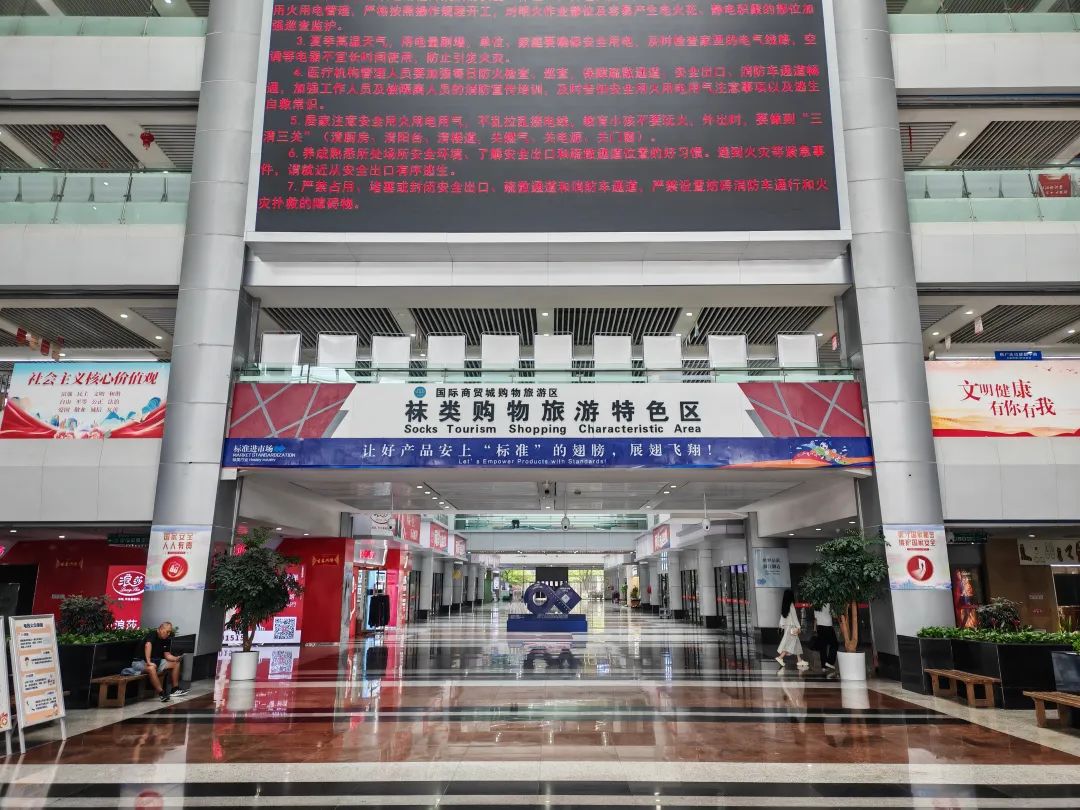
实探义乌:关税战冲击在分化
3 6 Ke· 2025-04-22 08:36
Core Insights - Jinhua, one of China's cities with the highest dependence on foreign trade, had a total import and export volume of 879.5 billion yuan in 2024, with exports reaching 771.9 billion yuan, resulting in a foreign trade dependence exceeding 100% [2] - Yiwu, a major trading hub, accounted for over 80% of Jinhua's total exports, demonstrating its significance in the region's trade dynamics [2] - Despite the U.S. imposing a 145% tariff on Chinese goods, Yiwu's international trade market remains active, with buyers continuing to place orders due to established trust with suppliers [4][5] Trade Dynamics - Yiwu International Trade City, known as the world's supermarket, features 210 million types of products and 75,000 shops, achieving an import and export total of 668.93 billion yuan in 2024, a year-on-year increase of 18.2% [5] - The trade with countries involved in the Belt and Road Initiative accounted for 61.8% of Yiwu's total import and export value, highlighting its role as a key driver of foreign trade growth [7] - The main exports to the U.S. from Yiwu include textiles, light industrial products, and electromechanical goods, with a focus on consumer products like toys and small appliances [7] Buyer-Seller Dynamics - American buyers are reportedly more anxious than Chinese sellers, with an increase in inquiries from U.S. buyers who are often new to the Yiwu market and face challenges due to tariffs [8] - Trust built over years of cooperation allows for smoother transactions, as seen in the case of a bag factory that has established a reliable communication channel with its U.S. client [10] Customization and Competitive Advantage - Customization is emerging as a significant competitive advantage for Chinese manufacturers, allowing them to maintain profitability despite tariff challenges [11][16] - Companies that have shifted towards customized products report better resilience against market fluctuations, as seen in the experiences of various manufacturers [14][15] - The ability to offer tailored solutions not only enhances customer loyalty but also positions Chinese manufacturers favorably in the global market [16]