房产投资

Search documents
不敢投资的人,注定一辈子打工
Sou Hu Cai Jing· 2025-09-25 03:52
Group 1 - The core argument is that individuals who do not invest are destined to work for others their entire lives, as relying solely on salary does not lead to financial freedom [1][5] - High salaries are insufficient for achieving wealth, as expenses such as mortgages, education, and elder care consume earnings, leaving little for savings or investment [1][3] - Savings in traditional accounts yield low interest rates (2%) while inflation rates (3%-5%) erode purchasing power, making saving a losing strategy over time [1][3] Group 2 - The real estate market has become unpredictable, with high entry barriers in first-tier cities and oversupply in second and third-tier cities, making property investment less reliable for wealth generation [3] - The investment market shows that those who invest in index funds have seen significantly higher returns compared to savings, with long-term holders achieving wealth doubling [3][5] - The narrative emphasizes that the fear of investment losses is less dangerous than the fear of not investing at all, which limits opportunities for financial growth [5] Group 3 - A recommended investment strategy includes diversifying funds: keeping some in banks for safety, investing in stable assets like real estate, and allocating a portion to long-term stock market investments, with a small amount for high-risk assets like cryptocurrencies [5]


买房,真的稳赚不赔吗?
Sou Hu Cai Jing· 2025-09-23 01:37
Core Insights - The notion that buying a house is a guaranteed profit is a myth, as the real estate market has changed significantly since the rapid growth of previous decades [1][4] - Current market conditions show high inventory levels in some third and fourth-tier cities, with house prices stagnating or declining for several years, while mortgage rates are rising faster than wage growth [1][3] - Hidden costs associated with homeownership, such as renovation, property management, taxes, and maintenance, can diminish investment returns, making them potentially lower than inflation [3][4] Investment Considerations - The purpose of purchasing a home should be clarified: whether for profit or for living. Blindly following trends can lead to significant losses [4] - Properties in core cities, good school districts, and prime locations still retain value and have long-term appreciation potential [5] - For investment properties, precise assessment of the area, supply, and population movement is crucial to avoid being trapped in a poor investment [5]
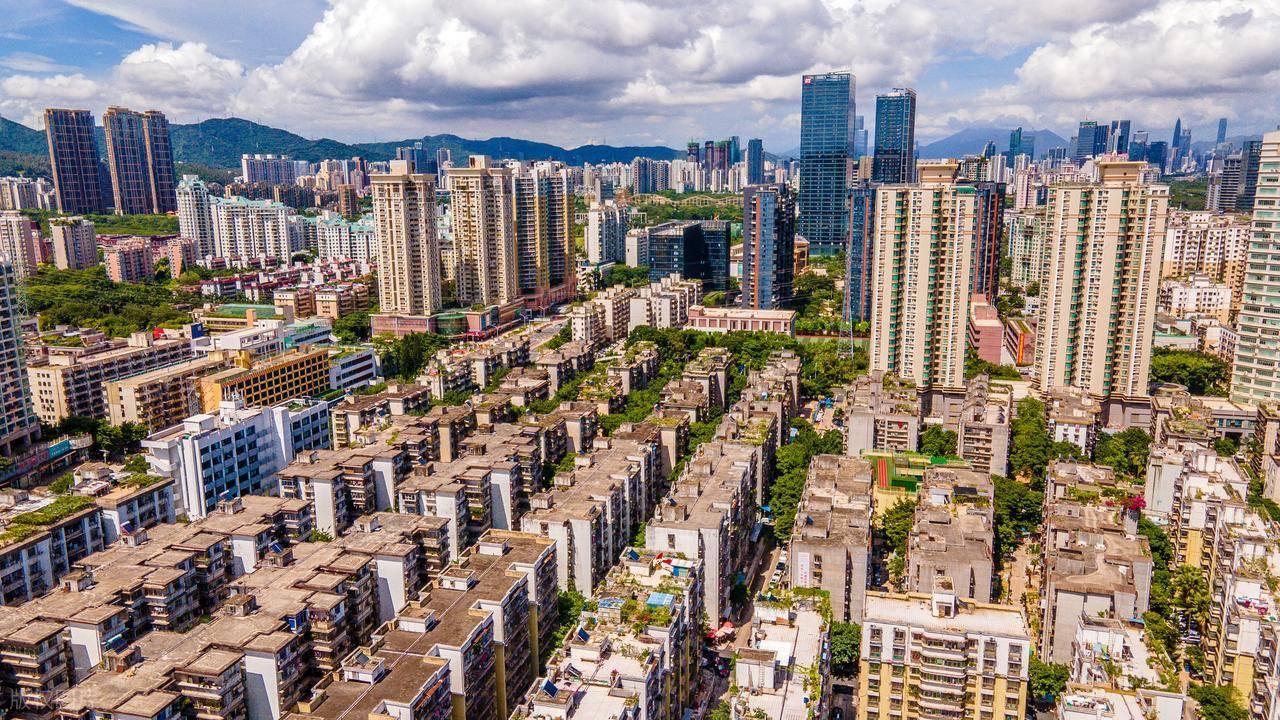
房价普跌时代,什么样的人还在买房?现在终于想明白这件事了
Sou Hu Cai Jing· 2025-09-22 10:32
Core Viewpoint - The current real estate market is experiencing a downturn, leading to a shift in public sentiment from optimism to caution regarding property investments [1][3]. Group 1: Market Sentiment - Conversations about rising property prices have diminished, replaced by discussions of selling at a loss and mortgage defaults [1]. - There is a notable contrast where some individuals are still purchasing homes despite the market cooling [1]. Group 2: Investment Considerations - Individuals relying on family savings to purchase homes may be making a risky decision, as the potential for property value depreciation exists alongside cash devaluation [3][4]. - The ideal financial strategy suggests that homebuyers should aim for a down payment of at least 50% and ensure monthly payments do not exceed 20% of their income [4][5]. Group 3: Psychological Factors - The psychological impact of home buying can lead to anxiety, particularly if the purchase exceeds one's financial comfort zone [7]. - It is essential for potential buyers to assess their financial stability and emotional readiness before committing to a property purchase [9]. Group 4: Criteria for Buyers - Suitable homebuyers should have a manageable down payment, stable income that comfortably covers monthly payments, and the ability to absorb potential losses without significant distress [9]. - The motivation to buy should stem from genuine desire rather than societal pressure, emphasizing that homeownership should not define one's life [9].

请注意!买房遇这6类小区,合适就下手,刚需买了,未来等升值
Sou Hu Cai Jing· 2025-09-11 23:41
Core Viewpoint - The real estate market in China is transitioning to a relatively stable period after adjustments, with a focus on understanding key factors for making informed property investment decisions [1][2]. Group 1: Importance of Location - 72% of homebuyers prioritize future appreciation potential, but only 23% understand how to select the right community [1]. - Properties within a 500-meter radius of subway stations typically command a premium of 3,000 to 5,000 yuan per square meter compared to those further away [3]. - Average appreciation rates for properties near newly opened subway lines range from 15% to 25% [3]. Group 2: Educational Resources - The premium for well-known school district properties remains around 35%, despite a decline from historical highs [4]. - Properties near newly introduced quality educational resources can see significant appreciation, exemplified by a 23% increase in a provincial capital within two years [4]. Group 3: Eco-Friendly Living - Residential areas near large parks have air quality that is 12% better than city centers, reinforcing the premium for eco-friendly properties [5]. - Eco-friendly properties experience a price decline that is 7 percentage points less than average during market downturns [5]. Group 4: Industry-Driven Areas - Properties near large industrial parks or high-tech clusters have seen an average price increase of 18.3% over two years [7]. - The value of properties in areas with national-level industrial development plans can yield substantial returns, as seen in the 40% increase around Hangzhou Future Technology City [7]. Group 5: Urban Renewal Projects - Properties in urban renewal zones have experienced an average price increase of 31.7% post-renovation [11]. - An example includes an industrial area where prices surged from under 30,000 yuan per square meter to over 70,000 yuan after redevelopment [11]. Group 6: Comprehensive Amenities - A 15-minute living circle for shopping, healthcare, and cultural facilities significantly impacts property value retention [13]. - Properties within 5 kilometers of top-tier hospitals have a value retention rate that is 11 percentage points higher than other properties in the same area [13]. Conclusion - The selection of properties should be based on a deep understanding of urban development trends and actual resident needs, with a focus on long-term value retention and comfort [14].
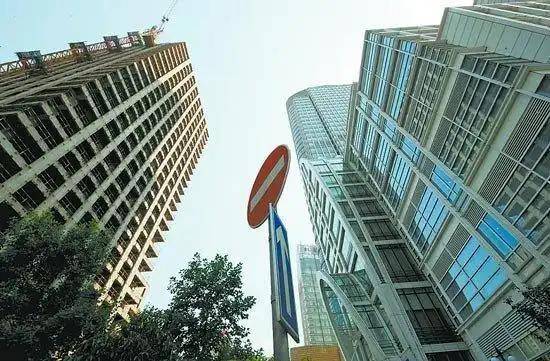
想买房的注意!未来3年,越接近这3个地方,房子升值空间越大
Sou Hu Cai Jing· 2025-09-11 19:15
Core Insights - Real estate investment remains a crucial component of household wealth in China, with specific regions expected to show above-average property appreciation potential over the next three years [1][17] - The current real estate market is undergoing a structural adjustment, with a notable increase in the number of cities experiencing rising new residential prices [1][2] Group 1: Regional Differentiation and Opportunities - The number of cities with rising new residential prices increased to 43 in Q2 2024, indicating a shift from a broad price increase to a focus on regional characteristics and structural differences [1][2] - The "Matthew Effect" is becoming more pronounced, suggesting that certain regions will outperform others in terms of property value growth [1][2] Group 2: Three Engines of Property Appreciation - Future property value growth will be concentrated in three key areas: transportation hubs, industrial upgrade zones, and livable ecological areas [2][5] - Transportation infrastructure, such as high-speed rail and urban transit systems, significantly boosts property values in surrounding areas [3][4] Group 3: Transportation Hubs - The extension of transportation networks is a direct catalyst for regional value increases, with property prices near high-speed rail stations rising by an average of 15.5% compared to surrounding areas [3][4] - Properties along new urban transit lines see an average price increase of 18.0% within a kilometer of new stations [3][4] Group 4: Industrial Upgrades - Areas undergoing industrial upgrades show property price growth rates exceeding the city average by over 40% [5][6] - New high-tech job creation significantly drives housing demand, with each 1,000 new jobs leading to a demand for approximately 850 housing units [5][6] Group 5: Livable Ecological Areas - Quality of life factors, such as air quality and green space, have become increasingly important, with their influence on property prices rising by about 35% [7][8] - Properties in high-quality living communities command prices that are, on average, 25% higher than surrounding ordinary residences [7][8] Group 6: Investment Strategies - Investors are advised to assess regional development potential, focusing on urban planning, industrial layout, and population trends [10][12] - Emphasis on location and transportation convenience is critical, as 85% of high-net-worth individuals prioritize accessibility when purchasing property [12][13] - Attention to educational and healthcare resources is essential, as properties near quality schools can see price premiums of up to 30% [13][14] Group 7: Market Trends and Future Outlook - The future of the Chinese real estate market will focus on transportation hubs, industrial upgrade areas, and livable ecological zones, reflecting urban development trends and the pursuit of quality living environments [17]
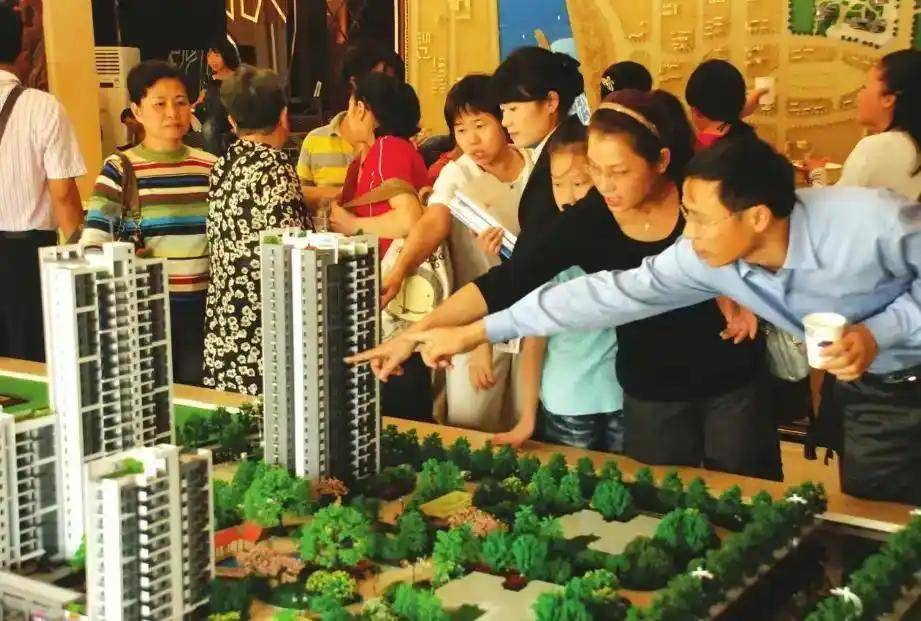
楼市“黄金时代”落幕,五大家庭资产“难题”逐渐映入眼帘
Sou Hu Cai Jing· 2025-09-03 15:07
Core Viewpoint - The real estate market is undergoing a profound structural transformation, moving from a time when buying property was almost guaranteed to be profitable to a challenging adjustment period where over 40% of households own two or more properties, leading to significant challenges for many families [1] Group 1: Liquidity Crisis - The second-hand housing market is experiencing an oversupply, with a significant increase in listings in first-tier cities and an average transaction cycle extending beyond six months, indicating a fundamental change in demand [3] - In 2023, the national second-hand housing listings increased by 34% year-on-year, while transaction volumes decreased by 18%, particularly evident in many second-tier cities [3] Group 2: Asset Valuation Reconstruction - Most regions have seen property prices plateau, with a gradual depreciation expected rather than a sharp decline, similar to Japan's long-term price stagnation [4] - Real estate constitutes over 70% of Chinese household wealth, and even a modest annual decline of 3-5% in property values could lead to significant asset erosion over a decade [4] Group 3: Rising Holding Costs - Property management fees are on the rise, with average monthly fees in first-tier cities reaching between 500-800 yuan [6] - Potential expansion of property tax trials could impose additional financial burdens, with estimated annual taxes of 10,000-20,000 yuan for properties valued at 2 million yuan, increasing cash flow pressure for multiple property owners [6] Group 4: Rental Market Transformation - The rental market is also facing oversupply, with rental yields in major cities dropping to between 1.5%-2%, below bank deposit rates, making the "rent-to-pay mortgage" model unsustainable [7] - Many property owners are experiencing high vacancy rates and insufficient rental income to cover mortgage and management costs, leading to increased investment in property renovations to meet tenant demands [7] Group 5: Inheritance Dilemma - The next decade will see a peak in property inheritance, with many properties being passed down from older generations to their only children, often located in non-core areas and facing issues like aging facilities [8] - Young inheritors face challenges in deciding whether to inherit, sell, or rent these properties, often leading to the decision to forgo inheritance due to the burdens associated with these assets [8] Group 6: Response Strategies - First-time buyers should prioritize small units in core locations for better liquidity and lower total costs, rather than pursuing larger luxury properties [10] - Owners of multiple properties should optimize their asset portfolios by retaining high-quality, well-located properties while divesting from older, less desirable ones, even at a loss [10] - A shift in investment perspective is necessary, recognizing that real estate is no longer a guaranteed investment, and families should diversify their wealth rather than concentrating it in real estate [10]

Does buying a house help you build wealth? Yes — here's how.
Yahoo Finance· 2025-09-02 16:05
Core Viewpoint - Homeownership provides significant long-term financial benefits, contributing to wealth accumulation for individuals and future generations, as evidenced by the stark contrast in median net worth between homeowners and renters [1]. Group 1: Home Equity - Home equity is defined as the difference between a home's market value and the outstanding mortgage balance, which increases as mortgage payments are made [2]. - Higher home equity correlates with increased net worth, and selling a home with more equity allows homeowners to retain a larger portion of the sale proceeds [3]. Group 2: Ways to Build Home Equity - Making a larger down payment increases initial equity; for instance, a 20% down payment results in 20% equity immediately [4]. - Regular mortgage payments gradually build equity, with a shift over time where more of the payment goes toward principal rather than interest [5]. - Extra payments on the mortgage can accelerate equity growth by reducing the principal balance faster [6]. - Smart home improvements can enhance property value, thereby increasing equity; consulting a real estate agent can help identify valuable improvements [7][8]. - Home values generally appreciate over time, with historical data showing a 4.5% increase from January 1991 to October 2023 and a 7.5% increase from January 2012 to October 2023 [9]. Group 3: Financial Benefits of Homeownership - Homeownership is a common pathway to increasing net worth, although it is not the only way to build wealth [12]. - Financial experts recommend owning a home for at least five years to cover buying and selling costs, although market conditions can affect this timeline [13]. - Starter homes can also contribute to wealth building, allowing individuals to enter the property market and gradually move up [14]. - Homeownership offers stable monthly payments, potential tax breaks, and the ability to eliminate mortgage payments over time, enhancing cash flow [14]. - Home equity can be leveraged for borrowing, which can assist in home improvements or paying off high-interest debt [14]. - Rental income potential exists for homeowners, either through renting part of their home or keeping it as an investment property [14]. - Homeownership facilitates generational wealth building, allowing families to benefit from inherited property or financial assistance for education and home purchases [14].
2025 年楼市迷局:买房是“接盘”还是“捡漏”?资金存银行还是投房产?
Sou Hu Cai Jing· 2025-08-26 23:06
Core Insights - The Chinese real estate market in 2025 is at a critical turning point influenced by policy relaxation, market differentiation, and economic changes, leading to difficult choices for buyers and investors regarding property purchases and investment strategies [1][2][6] Policy Relaxation - Since the "9·26" policy announcement in 2024 aimed at stabilizing the real estate market, a series of favorable policies have emerged, including interest rate cuts and reduced down payment requirements, significantly lowering the cost of purchasing homes [1][2] - As of May 20, 2025, the one-year Loan Prime Rate (LPR) is 3%, and the five-year LPR is 3.5%, both down by 10 basis points from previous values, reducing loan interest expenses for buyers [1] Market Differentiation - Core area properties with high quality and favorable locations are in high demand, with examples like new homes in Shenyang achieving a 130% usable area ratio, making them more competitive than typical second-hand homes [3] - In contrast, older properties in non-core areas face challenges with oversupply and lack of demand, leading to significant price drops and difficulty in sales [3][4] Investment Considerations - Bank deposits currently offer low interest rates, with the average one-year deposit rate at 1.287%, which is insufficient to combat inflation, leading to a gradual decline in purchasing power for savers [4] - Real estate investment presents both potential for capital appreciation and rental income, but it also carries risks due to market volatility and high transaction costs [5] Decision-Making Recommendations - For first-time homebuyers, 2025 may present a favorable opportunity due to lower prices and relaxed policies, but careful selection of properties with good amenities and quality is essential [6][7] - Investors are advised to approach the market cautiously, considering diversification of investments to balance risk, with part of their funds allocated to real estate and the rest in safer financial products [8]
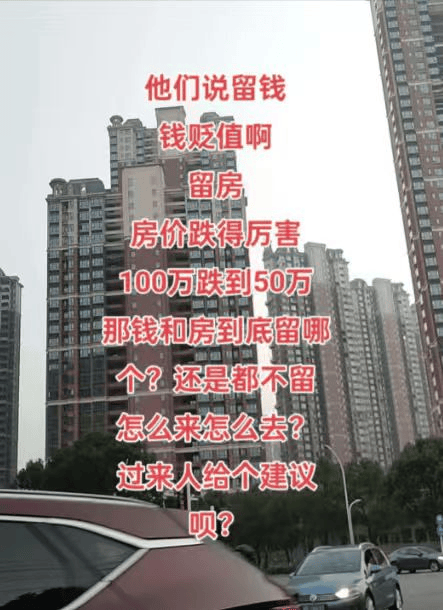
花千万买豪宅的年轻人,已经开始维权了
36氪· 2025-08-16 13:35
Core Viewpoint - The luxury real estate market in first-tier cities is increasingly attracting younger buyers, with significant shifts in demographics and purchasing power observed in recent years [3][4]. Group 1: Market Trends - In Shenzhen's luxury market, buyers from the post-90s generation account for 30% of purchases, while those from the post-00s are also emerging as significant buyers [4]. - In Shanghai, over 50% of high-end property transactions involve buyers from the post-95 generation [4]. - The overall real estate market is experiencing a downturn, raising questions about the value and expectations associated with luxury properties [4][5]. Group 2: Buyer Experiences - Buyers often feel disappointed with the luxury properties they purchase, as many do not meet their expectations despite high prices [5]. - A buyer in Shenzhen noted that their property, initially valued at over 30 million, has seen a price drop to around 27 million, indicating a decline in perceived value [8]. - The phenomenon of "price defense" is prevalent among luxury homeowners, where they actively discourage low-priced listings to maintain property values [9][10]. Group 3: Property Management and Services - Homeowners express dissatisfaction with the services promised by developers, often feeling that the actual offerings fall short of expectations [17][20]. - A buyer in Beijing reported that the promised luxury services were not delivered, leading to feelings of being misled [17][20]. - The community dynamics in luxury properties have shifted, with residents becoming more proactive in monitoring property management and advocating for better services [21][31]. Group 4: Financial Implications - The financial burden of luxury properties is significant, with many buyers experiencing anxiety over declining property values and the implications for their investments [20][42]. - A buyer shared that their property, initially purchased for over 10 million, has lost approximately 2 million in value, highlighting the risks associated with high-end real estate investments [20]. - The trend of younger buyers entering the luxury market reflects a broader shift in wealth distribution and investment strategies among the new generation [4][36].

“贷款20年买房”和“全款买房”,区别非常大,买房前需要弄清楚
Sou Hu Cai Jing· 2025-08-09 12:40
Core Viewpoint - The decision between paying for a house in full or through a mortgage significantly impacts an individual's financial situation and lifestyle over the long term [1]. Group 1: Full Payment Advantages and Disadvantages - Paying in full provides a sense of ownership and eliminates the burden of long-term bank interest and monthly repayments, leading to a straightforward transaction process [3]. - The downside of full payment is the immediate outflow of a large sum of money, which can lead to liquidity issues in case of unexpected financial needs [4]. - Full payment allows for quicker transactions and potentially better negotiation power with sellers [3][11]. Group 2: Mortgage Advantages and Disadvantages - Mortgages allow individuals to leverage a smaller down payment to acquire a more valuable property while keeping additional funds available for other investments [6]. - However, mortgages impose fixed monthly payments that can strain finances, especially during economic downturns or personal income fluctuations [8]. - The psychological burden of long-term debt can lead to increased caution and reduced risk-taking in financial decisions [9]. Group 3: Personal Considerations - The choice between full payment and mortgage should be based on individual financial situations, including cash flow and investment opportunities [12]. - Individuals with sufficient cash reserves may prefer full payment for peace of mind, while those with stable high-return investments may opt for a mortgage for flexibility [12]. - Ultimately, the impact of the chosen payment method on future lifestyle and financial arrangements is crucial, as it influences overall happiness and life rhythm [13].