无废城市

Search documents
呼和浩特“无废城市”建设交出亮眼答卷
Xin Lang Cai Jing· 2026-01-14 20:46
Group 1: Core Concepts - Hohhot is implementing a "waste-free city" initiative, embedding the "waste-free" concept into urban governance and socio-economic development [1] - The city is exploring innovative models with regional characteristics and demonstration significance, focusing on solid waste reduction, resource utilization, and harmless disposal [1] Group 2: Hazardous Waste Management - Hohhot has created a new model for hazardous waste exemption utilization, breaking through institutional barriers and providing compliant disposal pathways for waste-generating units [2] - The city successfully registered exemption qualifications for three companies, addressing long-standing disposal issues for hazardous waste [2] Group 3: Industrial Park Transformation - Hohhot is developing a "waste-free park + industrial resource comprehensive utilization" model in industrial clusters like the Tuoqing Economic Development Zone [3] - The city is constructing a solid waste comprehensive utilization industry cluster to alleviate disposal pressure from industrial solid waste [3] Group 4: Ecological and Economic Integration - Hohhot is implementing a model that combines industrial solid waste ecological environment governance with new energy industries, enhancing both ecological restoration and renewable energy development [4] - The city has successfully integrated ecological restoration with the development of photovoltaic energy in areas with historical mining legacies [4] Group 5: Agricultural Waste Utilization - Hohhot is innovating in agricultural waste utilization through a model that combines agricultural solid waste with biomass power generation [5] - The city is promoting leading enterprises to create "waste-free groups," addressing challenges in agricultural waste management [5] Group 6: Historical Waste Management - The city is integrating the "waste-free" concept into ecological restoration and infrastructure construction, transforming historical waste sites into green spaces [6] - Hohhot has implemented comprehensive governance projects for abandoned mines, utilizing waste materials for land restoration [6] Group 7: Industrial Resource Utilization - The Tuoqing Industrial Park has established clusters for the comprehensive utilization of fly ash and coal gangue, achieving significant economic and environmental benefits [7] - These clusters are recognized as benchmarks for industrial resource utilization in the city and region [7] Group 8: Collaborative Waste Management - Hohhot is leveraging local thermal power resources to implement a collaborative model for urban sludge disposal, enhancing efficiency and reducing investment in new facilities [8] - This model exemplifies the integration of production and urban development, achieving economic, environmental, and social benefits [8]
《固体废物综合治理行动计划》出台 如何构建“无废未来”?
Ren Min Wang· 2026-01-14 09:32
Core Viewpoint - Strengthening solid waste comprehensive management is crucial for promoting the construction of a beautiful China and accelerating the green transformation of economic and social development [1] Group 1: Action Plan Overview - The State Council has issued the "Solid Waste Comprehensive Management Action Plan," which, along with previous pollution prevention documents, forms a policy system for pollution control [1] - The Action Plan sets clear goals for 2030, including significant improvements in solid waste management, effective control of historical stockpiles, and a reduction in illegal dumping [1] - The annual comprehensive utilization of major solid waste is targeted to reach 4.5 billion tons, and the annual recycling of major renewable resources is aimed at 510 million tons [1] Group 2: Industrial Solid Waste Management - China generates over 4 billion tons of industrial solid waste annually, accounting for nearly half of the total solid waste, leading to increasing environmental pollution risks [2] - The Ministry of Ecology and Environment emphasizes the need to address both historical stockpiles and the rising new stockpiles of industrial solid waste [2] - Efforts will focus on exploring new channels for large-scale utilization of industrial solid waste and gradually advancing the remediation of historical stockpiles [2] Group 3: Current Status and Initiatives - A survey identified approximately 33 billion tons of accumulated industrial solid waste in China, occupying around 3,500 square kilometers [3] - Over 5,000 tailings ponds have undergone safety inspections and remediation, with more than 2,200 completed in key river basins [3] - The Action Plan calls for accelerating the construction of "waste-free cities" and enhancing unified supervision and management of solid waste pollution prevention [3] Group 4: Strategic Focus Areas - The Ministry of Ecology and Environment will focus on planning guidance, responsibility assessment, regulatory standards, and technological support to enhance solid waste management [3] - The "14th Five-Year Plan" will include solid waste pollution prevention requirements and specific tasks, aiming to address shortcomings in solid waste management [3] - A comprehensive and industry-specific control standard system for hazardous solid waste will be established to reduce the generation of harmful solid waste at the source [3]
广州强化固废综合治理 深入推进“无废城市”建设
Zhong Guo Xin Wen Wang· 2026-01-14 04:43
Group 1 - Guangzhou aims to advance the "waste-free city" initiative by 2025, focusing on solid waste reduction, resource utilization, and harmless disposal [1][2] - The city is enhancing its hazardous waste collection network, implementing regulations for the recycling of used batteries from electric bicycles, and has established 2,185 intelligent collection facilities for waste mineral oil [1] - A pilot program for the centralized collection of waste lead-acid batteries is expected to yield a total collection of approximately 33,000 tons by 2025, representing a year-on-year increase of 35.6% [1] Group 2 - Guangzhou is conducting special inspections and remediation actions, verifying 57 illegal solid waste disposal cases and cleaning approximately 38,800 tons of various solid waste [2] - The city is focusing on the meticulous management of hazardous waste, with a 99.89% compliance rate in annual assessments of hazardous waste generation units, marking a continuous increase over three years [2] - By 2026, Guangzhou plans to deepen the "waste-free city" initiative, supporting high-quality development through a high-quality ecological environment [2]
固废综合治理能力再提升(锐财经)
Ren Min Ri Bao Hai Wai Ban· 2026-01-13 22:49
Group 1 - The core idea of the news is the release of the "Solid Waste Comprehensive Management Action Plan" by the State Council, aimed at promoting comprehensive governance of solid waste in China, focusing on reduction, resource utilization, and harmless treatment [2][3] - The plan outlines a systematic approach to solid waste management, emphasizing the transition from end-of-pipe treatment to full-process prevention and control [3][4] - By 2030, the plan aims for significant achievements in solid waste management, including controlling historical stockpiles and increasing the annual comprehensive utilization of major solid waste to 4.5 billion tons [3][4] Group 2 - The plan specifies tasks for various sectors, including agriculture, urban areas, and industry, to enhance waste management practices [5][6] - In agriculture, the comprehensive utilization rates for livestock manure, straw, and agricultural film are reported at 80.1%, over 88%, and over 85% respectively, indicating progress in waste management [5][6] - Urban areas are expected to improve construction waste management through green construction practices and enhanced recycling facilities [6][7] Group 3 - The industrial sector generates significant amounts of solid waste, and the plan aims to reduce both the generation and historical stockpiles of industrial waste [7][8] - The plan encourages the exploration of new channels for the large-scale disposal and utilization of industrial solid waste, aiming for a dual reduction in new and accumulated waste [7][8] - The plan promotes the development of a circular economy by enhancing resource utilization and encouraging the recycling of various materials, including metals and plastics [8][9]

能源早新闻丨155.89亿元!能源央企下属公司签重大合同
中国能源报· 2026-01-13 22:33
News Focus - The new housing electricity meter opening (for existing houses) will be led by energy authorities and power supply companies [2] - By 2030, China's annual comprehensive utilization of major solid waste is expected to reach 4.5 billion tons [2] Domestic News - By 2035, China aims to achieve full coverage of "waste-free cities," with a target of 60% coverage by 2027 [3] - Eight coal-related projects have been selected for the 2025 emergency management equipment incubation projects [3] - Yunnan supports leading silicon photovoltaic companies in industry chain integration and mergers and acquisitions, aiming for a solar capacity utilization rate of no less than 70% by 2027 [3] Industry News - The Northwest Power Grid's installed capacity of renewable energy has surpassed 400 million kilowatts, accounting for 60% of the total installed capacity [4] - Guangxi's renewable energy installed capacity has exceeded 60 million kilowatts, making it the largest power source in the region [4] - Five coal mines in Heilongjiang have been closed and exited, meeting national and provincial closure standards [4] International News - The Adriatic oil pipeline will resume crude oil supply to Serbia's key refinery after nearly 100 days of interruption [5] - A transformer explosion in Cleveland, Ohio, caused power outages in the area, but no injuries were reported [5] Corporate News - China Power Construction Corporation's subsidiary signed two major contracts totaling approximately 15.589 billion yuan [6] - The first kilowatt-level underwater pumped storage system "Dongchu No. 1" has successfully completed its underwater comprehensive test, marking a significant advancement in underwater energy storage technology in China [6]

突出问题导向 推动末端治理向全过程防控转变
Xin Lang Cai Jing· 2026-01-13 19:51
(来源:内蒙古日报) 国家发展改革委副主任周海兵表示,行动计划明确了未来一个时期固体废物综合治理的总体思路、工作 目标、重点任务、保障措施,针对固体废物治理存在的突出问题,提出了系统性集成性的政策举措。 据介绍,行动计划突出问题导向,在整合各领域固体废物既有管理手段的基础上,进一步完善全链条综 合治理的政策措施,推动末端治理向全过程防控转变,是我国首个针对固体废物综合治理作出系统性部 署的专项文件,与此前水、土、气污染防治专项文件共同形成了污染防治攻坚战政策体系。同时,行动 计划着力填补关键环节制度空白,提高针对性、创新性、有效性,推动解决困扰行业多年的重点难点问 题。 周海兵说,从工作思路看,加强固体废物综合治理要遵循"减量化、资源化、无害化"的原则。今年国家 发展改革委将牵头制定循环经济发展"十五五"规划,明确重点领域循环经济发展目标任务,部署传统再 生资源、稀贵金属、"新三样"固体废物等回收利用重点举措,完善保障体系,进一步提高资源利用效 率。 我国人口规模大、产业规模大,每年产生的工业固体废物、建筑垃圾等固体废物超过110亿吨。生态环 境部正在会同有关部门组织实施为期三年的非法倾倒处置固体废物专项整治 ...
国家发展改革委:今年将牵头制定循环经济发展“十五五”规划
Zheng Quan Ri Bao· 2026-01-13 17:10
"今年,国家发展改革委将牵头制定循环经济发展'十五五'规划,明确重点领域循环经济发展目标任 务,部署传统再生资源、稀贵金属、'新三样'固体废物等回收利用重点举措,完善保障体系,进一步提 高资源利用效率,强化资源安全保障,支撑绿色低碳转型,推动循环经济高质量发展取得新的成效。"1 月13日,国家发展改革委副主任周海兵在国新办举行的国务院政策例行吹风会上说。 加强固体废物综合治理,是推进美丽中国建设、加快经济社会发展全面绿色转型的重要举措。伴随工业 化、城市化进程,工业废物、建筑垃圾、农林业废物等固体废物快速增加。不过,从资源属性看,固体 废物也并非无用之物,而是放错位置的宝贵资源,具有显著的资源属性。 以工业固体废物为例,据工业和信息化部节能与综合利用司司长王鹏介绍,"十四五"期间,工业和信息 化部积极推动工业固废的综合利用工作,推动政策标准不断完善,持续提升技术装备水平,同时促进产 业链上下游更加协同紧密,赤泥、磷石膏等复杂难用固废的综合利用取得了积极进展。据相关行业协会 的统计数据,我国大宗工业固废综合利用率达到了57%。 王鹏表示,下一步,工业和信息化部将会同有关部门,认真落实国务院《固体废物综合治理行动 ...
首个固废治理专项文件:2030年大宗固废年利用量将达45亿吨
2 1 Shi Ji Jing Ji Bao Dao· 2026-01-13 10:59
《行动计划》明确,到2030年,重点领域固体废物专项整治取得明显成效,历史堆存量得到有效管控, 非法倾倒处置高发态势得到遏制,大宗固体废物年综合利用量达到45亿吨,主要再生资源年循环利用量 达到5.1亿吨,固体废物综合治理能力和水平显著提升。《行动计划》还提出,要加快推进"无废城 市"建设。 明确未来5年固体废物综合治理主要目标 "《行动计划》突出问题导向,在整合各领域固体废物既有管理手段的基础上,进一步完善全链条综合 治理的政策措施,推动末端治理向全过程防控转变,是我国首个针对固体废物综合治理作出系统性部署 的专项文件,与此前水、土、气污染防治专项文件共同形成了污染防治攻坚战政策体系。"国家发展和 改革委员会副主任周海兵介绍,《行动计划》由国家发展和改革委会同生态环境部、工业和信息化部、 住房和城乡建设部、农业农村部等25个部门研究起草,主要包括3个板块10条措施。 周海兵表示,《行动计划》着力填补关键环节制度空白,提高针对性、创新性、有效性,推动解决困扰 行业多年的重点难点问题。比如,在夯实监管基础方面,针对固废污染底数不清的问题,要求加强全生 命周期信息化监管,完善大宗固废和再生资源指标统计调查制度。在 ...
“十五五”期间中国“无废城市”建设范围将扩至200个左右
Zhong Guo Xin Wen Wang· 2026-01-13 10:24
"十五五"期间中国"无废城市"建设范围将扩至200个左右 中新社北京1月13日电 (记者 阮煜琳)在中国国务院新闻办公室13日举行的国务院政策例行吹风会上,生 态环境部副部长李高表示,在"十五五"期间进一步深化"无废城市"建设,将建设范围扩大到200个左右 城市。 "无废城市"是通过推动形成绿色发展方式和生活方式,持续推进固体废物源头减量和资源化利用,最大 限度减少填埋量,将固体废物环境影响降至最低的城市发展模式,旨在最终实现整个城市固体废物产生 量最小、资源化利用充分、处置安全的目标。 李高表示,"十四五"期间,生态环境部推动全国113个城市和8个特殊地区开展"无废城市"建设,实施各 类固体废物治理项目3000多项,投入资金约5600亿元人民币。各地以机关、企业、学校为对象建设各 类"无废细胞"近4.4万个。 《中共中央 国务院关于全面推进美丽中国建设的意见》明确,加快"无废城市"建设。到2027年,"无废 城市"建设比例达到60%,固体废物产生强度明显下降;到2035年,"无废城市"建设实现全覆盖。 李高透露,在"十五五"期间进一步深化"无废城市"建设,将建设范围扩大到200个左右城市,推动京津 冀、长三 ...
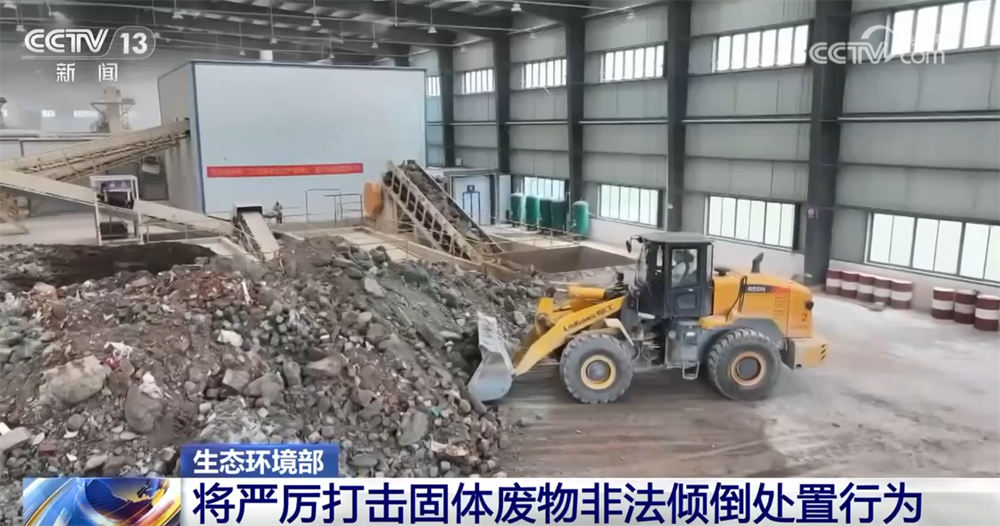
严打固体废物非法倾倒处置行为 2035年“无废城市”建设将实现全覆盖
Yang Shi Wang· 2026-01-13 10:08
Core Viewpoint - The Chinese government has launched a comprehensive action plan for solid waste management, aiming to tackle illegal disposal and promote sustainable waste practices across the country [1][3]. Group 1: Solid Waste Generation and Issues - China generates over 11 billion tons of solid waste annually, including industrial waste, construction debris, and household garbage [1]. - Illegal disposal of construction and household waste remains a significant issue, with a wide-ranging impact on the environment [1]. Group 2: Special Rectification Actions - The Ministry of Ecology and Environment is conducting a special campaign against illegal solid waste disposal, identifying 27,000 issues nationwide by the end of 2025 [3]. - Of the identified issues, construction waste accounts for 45%, household waste for 33%, and industrial solid waste for 10% [3]. Group 3: Future Plans and Goals - By 2027, the proportion of "waste-free cities" in China is expected to reach 60%, with full coverage aimed for by 2035 [6]. - The Ministry plans to expand the "waste-free city" initiative to around 200 cities during the 14th Five-Year Plan, focusing on key urban areas [8]. Group 4: Construction Waste Management - The Ministry of Housing and Urban-Rural Development will include costs related to construction waste management in project budgets, promoting green construction practices [10]. - Measures will be taken to enhance source management, including the implementation of construction waste classification and the installation of satellite tracking systems on transport vehicles [12].